 "China’s AI robot pulls off complex surgery on pig without any human assistance")
A Chinese surgical robot has successfully performed a complex operation on a pig without any human control. The autonomous surgery, conducted in December at a clinic in China, marks what developers are calling a major milestone in the use of artificial intelligence in real-world clinical scenarios, according to the South China Morning Post (SCMP).
Unlike traditional robotic surgeries that rely on a surgeon’s remote input, this experiment saw the machine carry out nearly the entire procedure, including precise bile duct clamping and cutting, on its own.
The robot, named Toumai and developed by Shanghai MicroPort MedBot, completed 88 per cent of the steps on its first attempt, then made real-time corrections to finish the job successfully.
How the robot thinks and acts
At the core of this technology is an advanced AI system called Neuron, a multimodal model trained on roughly 3 billion parameters, including thousands of surgical videos.
This training allows the system to simulate the decision-making processes of experienced surgeons, adapting its approach during the operation based on internal imaging and instrument feedback.
In essence, the robot doesn’t just follow a pre-programmed checklist, it makes real-time judgments about what comes next, similar to a human surgeon adjusting tactics mid-procedure.
Quick Reads
View AllWhy this matters
Experts say this could be a big step toward fully autonomous surgical systems that can perform routine procedures with precision and consistency, potentially easing the workload on doctors and expanding access to high-quality care in places with few specialists.
As Brian Chang, chief medical officer at MedBot told SCMP, the achievement shows how “large-model artificial intelligence can serve as a powerful tool to support surgeons.”
Despite the success, this technology is far from being used on human patients. For now, its development and testing will continue in controlled environments to ensure safety and regulatory compliance.

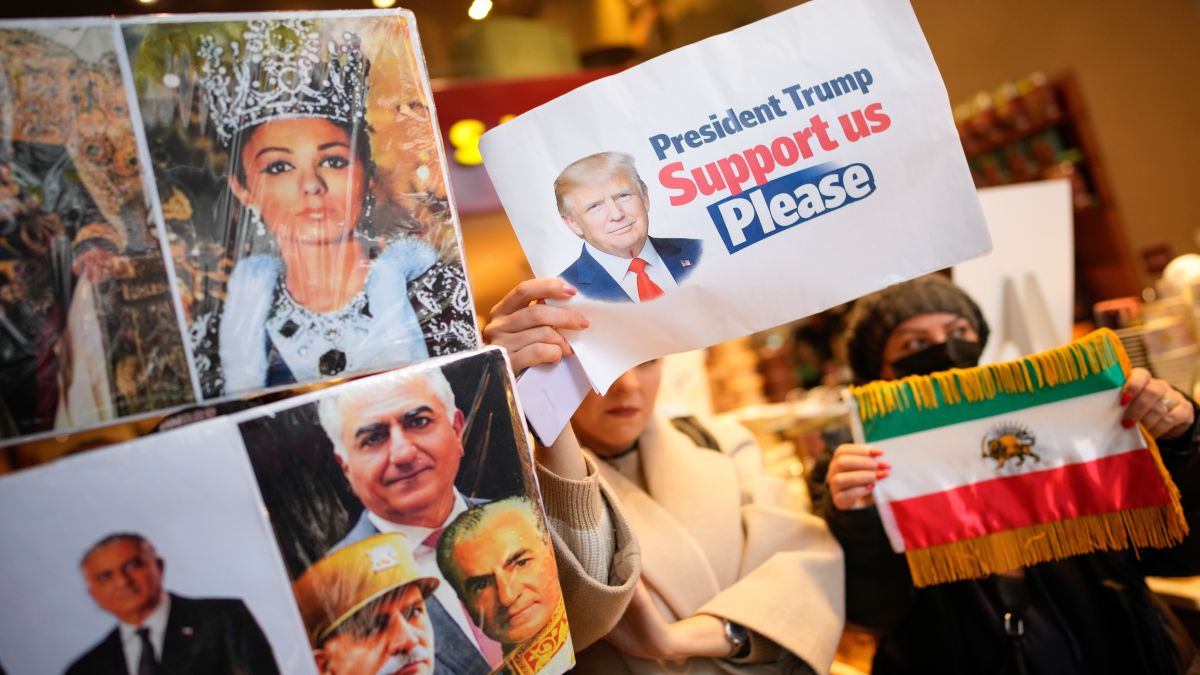 "Trump announces 25% tariff on Iran’s trading partners. How India may be affected")
 "India, US to resume BTA talks after 5 months as Gor pushes for trade deal with 'real friends'")
 "ICC sources rubbish Bangladesh sports adviser’s sensational claim of BCB being asked to drop Mustafizur")
 "Jerome Powell: The 'Fed chair with a spine' taking on Trump")
 "Trump announces 25% tariff on Iran’s trading partners. How India may be affected")
 "India, US to resume BTA talks after 5 months as Gor pushes for trade deal with 'real friends'")
 "ICC sources rubbish Bangladesh sports adviser’s sensational claim of BCB being asked to drop Mustafizur")
 "Jerome Powell: The 'Fed chair with a spine' taking on Trump")