

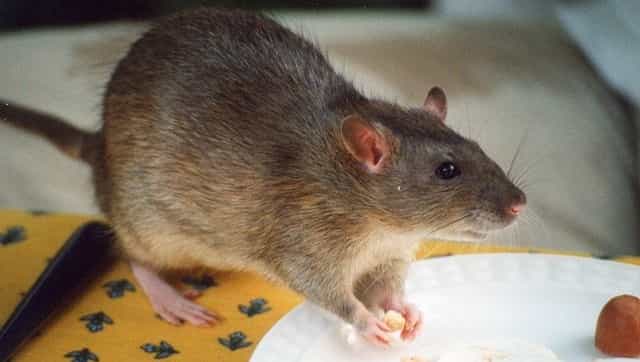
 "Chapare: All you need to know about the rare Bolivian virus from arenavirus family")
Ever since COVID-19 reared its ugly head, the world has become more aware of potentially deadly viruses that can be transmitted from human to human despite having zoonotic or animal origins. The newest virus to join these ranks is the Chapare virus from Bolivia, which the US Centres for Disease Control and Prevention (CDC) has recently announced can spread through human-to-human contact. Here’s everything you need to know about this virus and the viral hemorrhagic fever it causes. What is the Chapare virus? The Chapare virus belongs to the Arenaviridae family of viruses, just like COVID-19 belongs to the Coronaviridae family. Arenaviruses usually spread to humans through direct contact with infected rodents or indirectly through contact with the urine or faeces or an infected rodent. Depending on their place of origin, arenaviruses are divided into two groups: New World or Tacaribe complex and Old World or Lassa complex. Chapare belongs to the New World complex as it originates from Bolivia. Another arenavirus from Bolivia which can also be transmitted to humans is the Machupo virus, which causes the Bolivian hemorrhagic fever. The Chapare virus causes Chapare hemorrhagic fever (CHHF). How many outbreaks of Chapare have occurred till date? The CDC reports that there have only been two recorded outbreaks of the Chapare virus yet. The first outbreak occurred in 2003 in the Chapare Province of Bolivia — hence the nomenclature of the virus — and claimed the life of one patient. The second outbreak occurred in 2019 in the Caranavi Province of Bolivia, where five confirmed cases were reported and three turned fatal. This 2019 outbreak, which claimed the lives of three healthcare workers, has caused the recent alarm bells about the Chapare virus. How is the Chapare virus transmitted? The CDC says that while the exact types of rodents that cause or carry the Chapare virus are yet unknown, inferences about how this particular virus spreads can be made by studying similar arenaviruses. The chief mode of transmission is via direct or indirect contact with the saliva, urine or faeces of infected rodents. This transmission can therefore occur through scratches, bites, inhalation if it is accidentally aerosolized or the ingestion of contaminated food and water. The CDC also reports that an infected person can then transmit the virus to others through contact with their bodily fluids or during procedures like intubation in healthcare settings where the virus gets aerosolised. The CDC suspects this might have been the way the healthcare workers in Bolivia got infected in 2019. More investigation is needed to ascertain exactly how this virus is transmitted. What are the symptoms of the Chapare virus? The CDC says that the symptoms of the Chapare virus are similar to other South American hemorrhagic fevers like the BHF. It must be noted that there have been very few cases of human CHHF to date, so information about the initial symptoms and progression of the disease is still scarce. The incubation period of the Chapare virus is believed to be between four to 21 days, which means symptoms usually begin to appear 4-21 days after exposure. The following are some of the symptoms (in no order of progression) that have been observed in the few documented cases of CHHF:
- Fever
- Headache
- Joint and muscle pain
- Pain behind the eyes
- Stomach pain
- Vomiting
- Diarrhoea
- Bleeding gums
- Skin rash
- Irritability
How is the Chapare virus diagnosed? Like most other viruses, the Chapare virus is detectable in the serum, blood, semen, urine and respiratory secretions of humans. According to both the CDC and a recent study published in Travel Medicine and Infectious Disease, the Chapare virus can be detected in samples with real-time reverse transcription-polymerase chain reaction (RT-PCR), which was developed after the 2003 outbreak through genomic analysis of the virus. Can the Chapare virus be treated? There is currently no treatment available for CHHF. The CDC recommends supportive therapy which includes hydration, sedation, pain relief, fever management, management of shock via methods like fluid resuscitation and blood transfusions when necessary. Remember, there have been very few cases of CHHF to date, so effective treatments, assessment of risk factors and fatality rates are yet unknown. It’s important, however, that confirmed patients are cared for with caution as the virus can be transmitted from human to human. How to prevent the Chapare virus and CHHF? There are no cases of the Chapare virus and CHHF beyond Bolivia as of now, so taking preventive measures against this particular virus may not be necessary for countries like India as yet. However, rodents are known to carry many diseases and are found all over the world, so appropriate rodent control, staying away from droppings and rodent infestations and taking precautions against contaminated food and water is recommended nevertheless. Following hand hygiene and respiratory hygiene, especially around people who are sick and in crowded places, can help prevent CHHF as well as other infectious diseases. For more information, read our article on Viral infection. Health articles in Firstpost are written by myUpchar.com, India’s first and biggest resource for verified medical information. At myUpchar, researchers and journalists work with doctors to bring you information on all things health.

 "Charlie Kirk, shot dead in Utah, once said gun deaths are 'worth it' to save Second Amendment")
 "From governance to tourism, how Gen-Z protests have damaged Nepal")
 "Did Russia deliberately send drones into Poland’s airspace?")
 "Netanyahu ‘killed any hope’ for Israeli hostages: Qatar PM after Doha strike")
 "Charlie Kirk, shot dead in Utah, once said gun deaths are 'worth it' to save Second Amendment")
 "From governance to tourism, how Gen-Z protests have damaged Nepal")
 "Did Russia deliberately send drones into Poland’s airspace?")
 "Netanyahu ‘killed any hope’ for Israeli hostages: Qatar PM after Doha strike")



