

 "Did YouTube green-lit ads with disinformation on Indian elections?")
India is heading to general elections this month. The atmosphere is politically charged as the Bharatiya Janata Party (BJP)-led National Democratic Alliance (NDA) seeks a third term and the Opposition INDIA bloc attempts to stop its return to power.
As India holds the world’s largest democratic elections, the menace of disinformation has again come to the spotlight. A new investigation by the rights groups Global Witness and Access Now has claimed that Google-owned YouTube green-lit more than 40 advertisements that contained false information about elections in India and obstructed the country’s voters.
Let’s take a closer look.
YouTube ‘approves’ disinformation ads
As per a report by Global Witness, the rights groups submitted 48 ads – in Hindi, Telugu, and English – consisting of content banned by YouTube’s advertising and election misinformation policies.
All the ads were approved within 24 hours of the review period, reported Time magazine.
These ads did not run on the platform as they were withdrawn by the rights groups before they could be published.
What did the false ads claim?
The false ads were intended for voter suppression, fanning communal tensions and attacking India’s electoral process.
One of the ads claimed ID is not required to cast ballots, another said that women could vote by a text message. Both are, of course, untrue.
Impact Shorts
More ShortsAn ad falsely claimed that the voting age in India had been raised to 21. The voting age in the country remains 18.
“Due to an increase in infectious diseases, all voters will be automatically sent a mail-in ballot for the 2024 elections,” one ad spreading disinformation said, as per Time magazine. There is no such guideline.
Some ads reportedly approved by YouTube could fall under incitement to violence. One ad accused a religious group of bribing voters, and urged people to “show up in force at their voting stations and show them who’s in charge.”
Targeting a caste group, another ad said “we will show them who’s the boss at the polling booths,” and that only certain castes “have the right to choose who runs the country,” reported Newslaundry.
Rights groups, YouTube react
The experiment shows that YouTube may be “failing” to impose its own policies in India.
“By failing to implement its own policies around disinformation, YouTube raises serious questions about its role in ensuring that the upcoming Indian elections are free and fair. Heading into the crucial election year of 2024, tech platforms made tall promises about safeguarding electoral integrity, but the proof is in the pudding – YouTube greenlit all 48 ads violating its policies, submitted as part of our investigation,” Namrata Maheshwari, senior policy counsel at Access Now, said in a statement on the website.
The report’s authors also flagged how social media platforms often “fail” to tackle election disinformation in developing countries, compared to developed nations where they have more resources, Time reported.
However, Google has rejected the charge, saying the American tech company applies its policies “globally and consistently”.
“Not one of these ads ever ran on our systems and this report does not show a lack of protections against election misinformation in India. Our enforcement process has multiple layers to ensure ads comply with our policies, and just because an ad passes an initial technical check does not mean it won’t be blocked or removed by our enforcement systems if it violates our policies. But the advertiser here deleted the ads in question before any of our routine enforcement reviews could take place,” a Google spokesperson said in a statement, according to Time.
The spokesperson said that an ad might initially pass “our automated systems”, however, this is just the first stage of the review and enforcement process. “After this step, ads are still subject to several layers of reviews, to ensure the content complies with our policies. These protections can kick into place both before an ad runs or quickly after it starts to gain impressions,” the spokesperson added.
Why this is worrying
India has 462 million (46.2 crore) YouTube users, making it the video platform’s biggest market. Social media platforms like Facebook, Instagram, YouTube and X are being utilised by political parties to target voters even before the 2019 Lok Sabha elections.
From memes to hiring influencers, political parties have gone all out to wield the digital space to spread their agenda and influence electors.
Amid this, misinformation and deepfakes have emerged as a big cause of concern in elections worldwide. Now, with the advancement in generative Artificial intelligence (AI), deepfakes have become cheaper and easier to generate.
In a country where many people believe WhatsApp forwards or YouTube videos that echo their biases, it becomes all the more important to prevent the dissemination of fake content that could incite violence or undermine India’s electoral process.
The investigation mentioned that the Election Commission of India has identified a “probable list of fake narratives” to prepare for ahead of the Lok Sabha elections.
As per The Hindu, rights agencies have warned that the average Indian voter is the most at risk of electoral misinformation in 2024. Thus, it is the prerogative of social media companies to tackle disinformation before it causes harm in real life.
With inputs from agencies

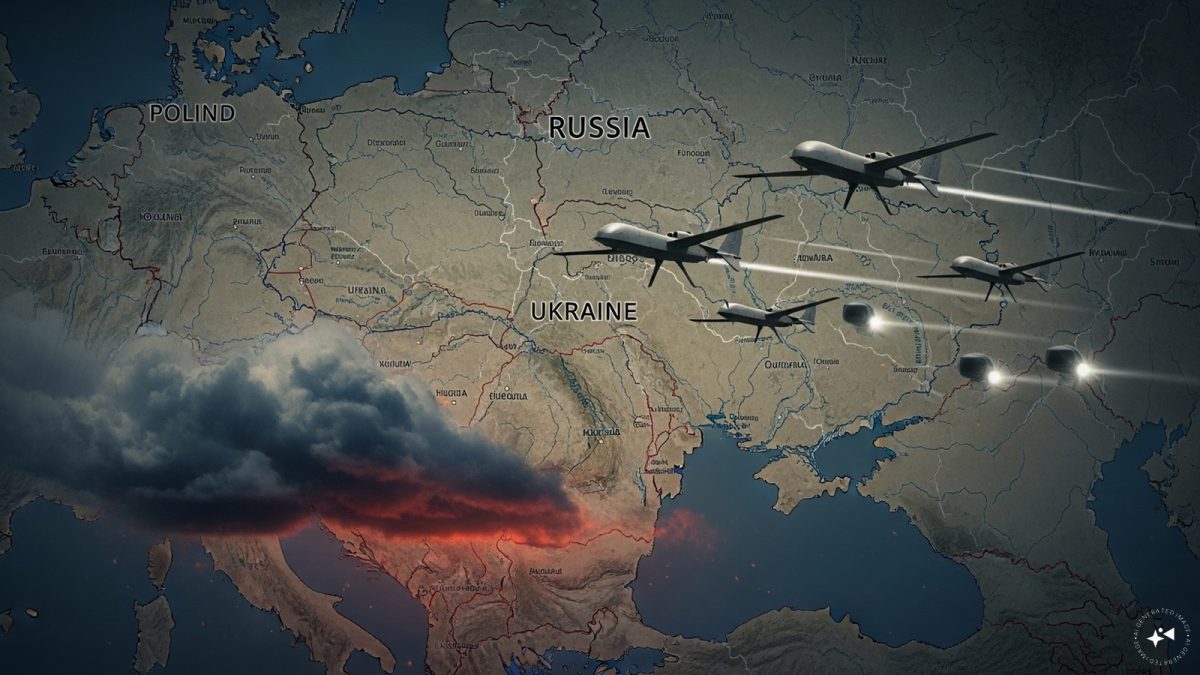 "Russian drones over Poland: Trump’s tepid reaction a wake-up call for Nato?")
 "As Russia pushes east, Ukraine faces mounting pressure to defend its heartland")
 "Why Mossad was not on board with Israel’s strike on Hamas in Qatar")
 "Turkey: Erdogan's police arrest opposition mayor Hasan Mutlu, dozens officials in corruption probe")
 "Russian drones over Poland: Trump’s tepid reaction a wake-up call for Nato?")
 "As Russia pushes east, Ukraine faces mounting pressure to defend its heartland")
 "Why Mossad was not on board with Israel’s strike on Hamas in Qatar")
 "Turkey: Erdogan's police arrest opposition mayor Hasan Mutlu, dozens officials in corruption probe")



