

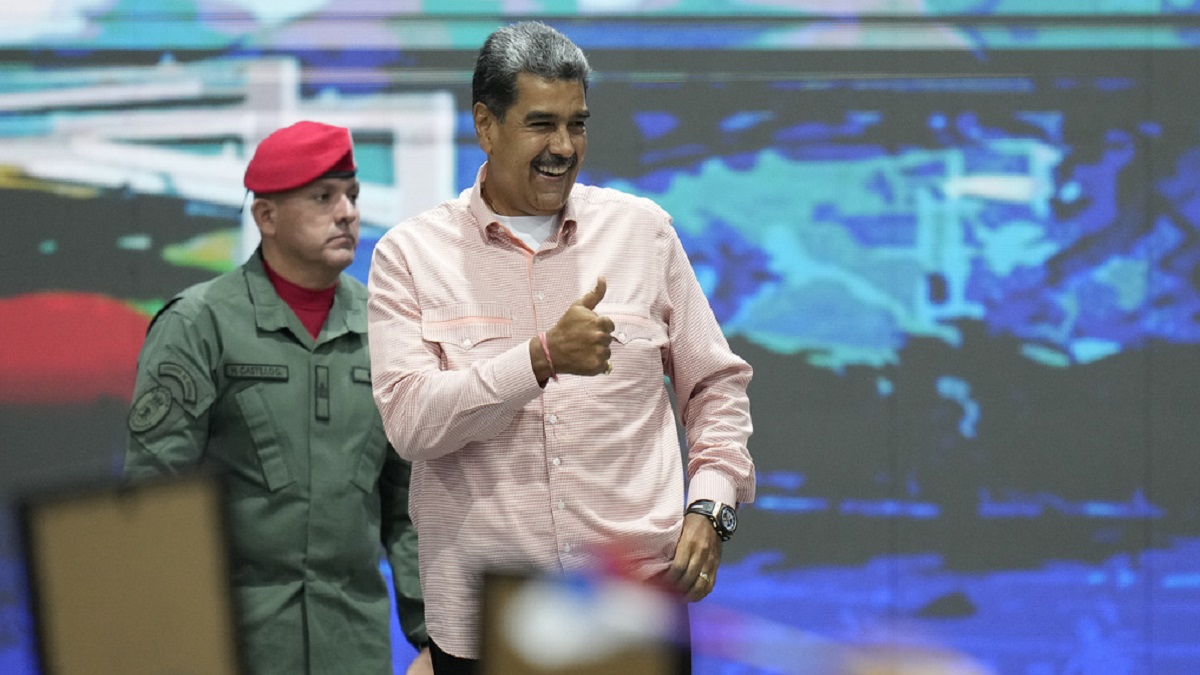
 "Who is Nicolas Maduro, the iron-fisted 'superhero' and third-time president of Venezuela?")
Nicolas Maduro is back in charge of Venezuela.
Maduro on Sunday was elected for a third term despite being deeply unpopular after the country has suffered years of economic crisis under his leadership.
Rights groups have often accused Maduro of being an authoritarian in his bid to hold on to power.
Venezuela’s election body announced that the 61-year-old leader had won 51.2 per cent of votes to 44.2 per cent for opposition rival Edmundo Gonzalez Urrutia.
However, the opposition has claimed that the incumbent Maduro garnered no more than 30 per cent off the vote while Urrutia won 70 per cent.
Though opinion polls predicted a massive loss for Maduro, he benefited from a wall-to-wall, state-sponsored propaganda drive.
At the same time, he subjected the opposition to a relentless persecution campaign, with dozens of arrests, political disqualification of rivals and non-stop harassment.
Maduro has been fending off crisis after crisis since coming to power in 2013.
But who is the man who has been ruling Venezuela with an iron fist?
Let’s take a closer look:
Early life and rise to power
Born in Caracas, Maduro is a professed Marxist and Christian, and as a teenager played guitar in a rock band called Enigma. He is a baseball fan and dances salsa – frequently for the ever-present TV cameras – with his wife Cilia Flores, a former prosecutor he refers to as “First Combatant.”
Maduro tries to cast himself as a “worker president,” and it has been claimed he deliberately misspeaks in English so as not to be mistaken for high-brow. As a young man, Maduro became a union leader for workers on the Caracas metro and went to communist Cuba in the 1980s for a political education.
Impact Shorts
More ShortsElected to the National Assembly when Hugo Chavez swept to power, he served as speaker of the legislature before taking over as foreign minister in 2006 and then vice president until his mentor’s death in 2013.
Crisis after crisis
As president, Maduro has weathered many threats imagined and real – including a failed explosive-laden drone attack in 2018 that injured several soldiers. He successfully faced down sanctions after dozens of nations did not recognise his 2018 re-election, focusing on tightening control over the judiciary, legislature, military and state institutions.
The president has been aided by close political and economic ties with China, Russia and other autocratic international actors that have helped the country stay barely afloat. To deflect blame for Venezuela’s woes, Maduro has sustained Chavez’s anti-American conspiracy theories, accusing the United States of plotting to kill him and Western nations of ruining the once-thriving economy.
All the while, he shuttered channels for political dissent, locking up dissidents and challengers with little regard for due process, observers say.
Venezuela is under investigation for rights violations by the International Criminal Court.
Even as the country spiralled, Maduro showed himself to be adept at realpolitik. Last year, he won an easing of US sanctions and other concessions by agreeing with the opposition to hold elections this year.
But he reneged on the conditions and sanctions were snapped back in April, though Washington is allowing oil companies such as Chevron and Repsol to apply for individual licences to keep operating in Venezuela.
To boost his omnipresent real-life persona, Maduro has sought to endear himself to a long-suffering population through a popular TV and internet cartoon character in his image. Super-Bigote (Super Moustache) is a caped superhero “at war with imperialism.”
The president has also adopted the emblem of a fighting cock, “Gallo Pinto,” in a bid to highlight his sprightliness relative to 74-year-old opposition challenger Urrutia.
With inputs from AFP

 "Russian drones over Poland: Trump’s tepid reaction a wake-up call for Nato?")
 "As Russia pushes east, Ukraine faces mounting pressure to defend its heartland")
 "Why Mossad was not on board with Israel’s strike on Hamas in Qatar")
 "Turkey: Erdogan's police arrest opposition mayor Hasan Mutlu, dozens officials in corruption probe")
 "Russian drones over Poland: Trump’s tepid reaction a wake-up call for Nato?")
 "As Russia pushes east, Ukraine faces mounting pressure to defend its heartland")
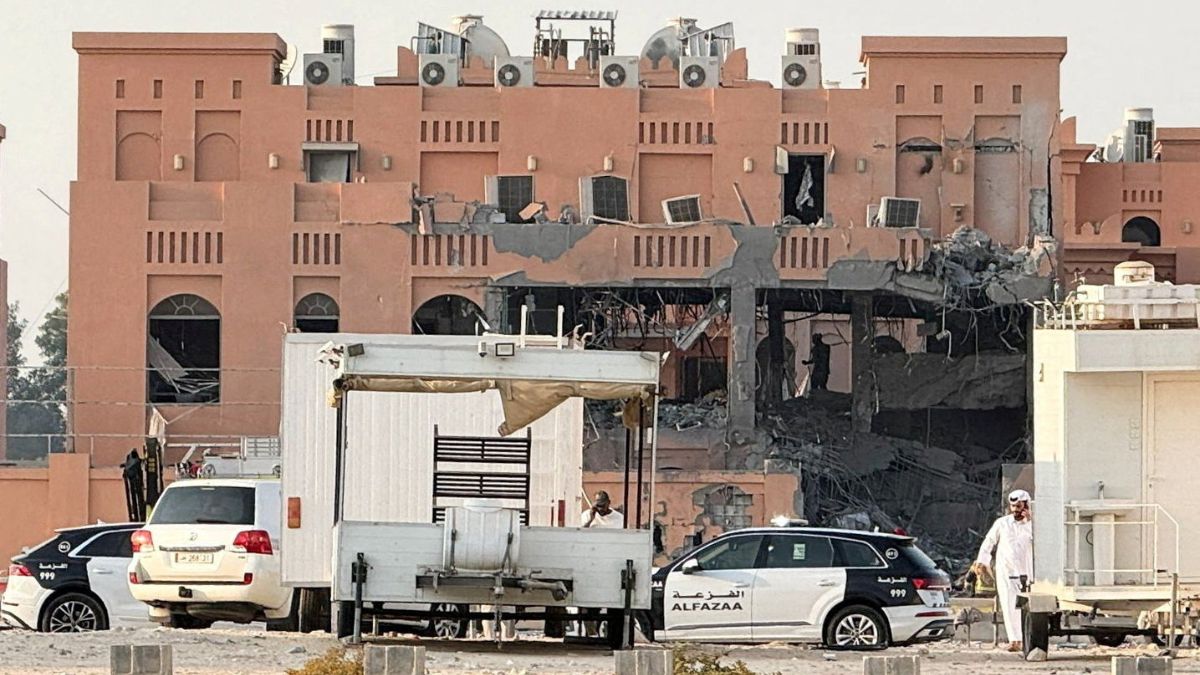 "Why Mossad was not on board with Israel’s strike on Hamas in Qatar")
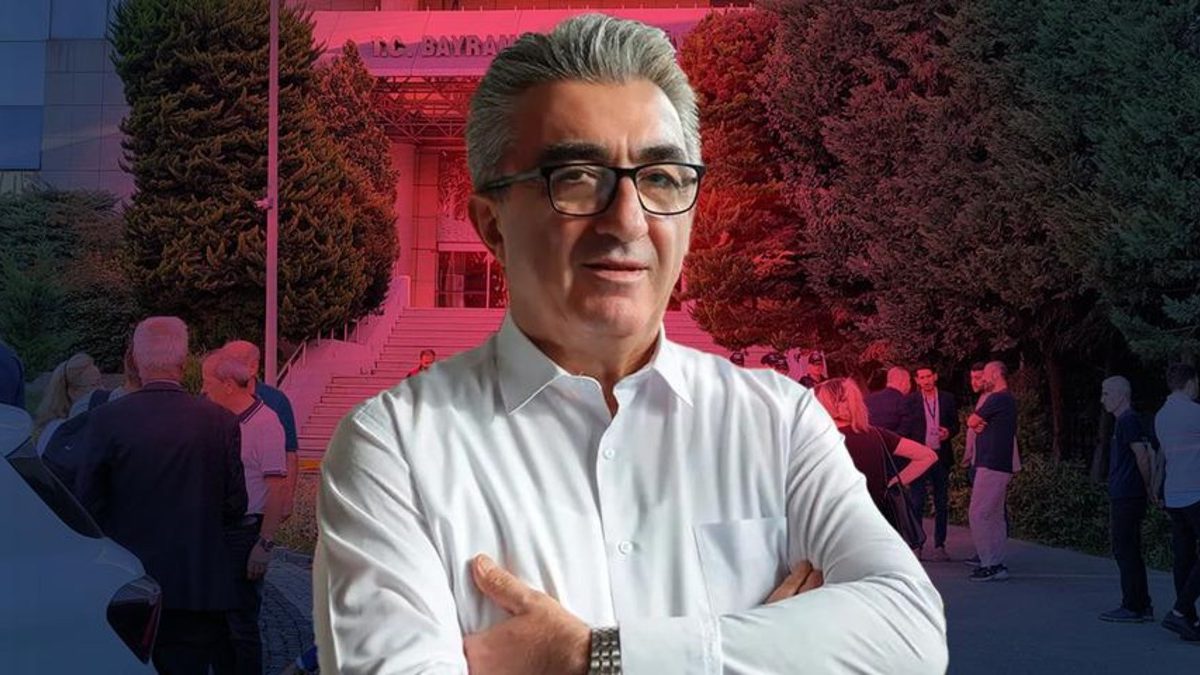 "Turkey: Erdogan's police arrest opposition mayor Hasan Mutlu, dozens officials in corruption probe")



