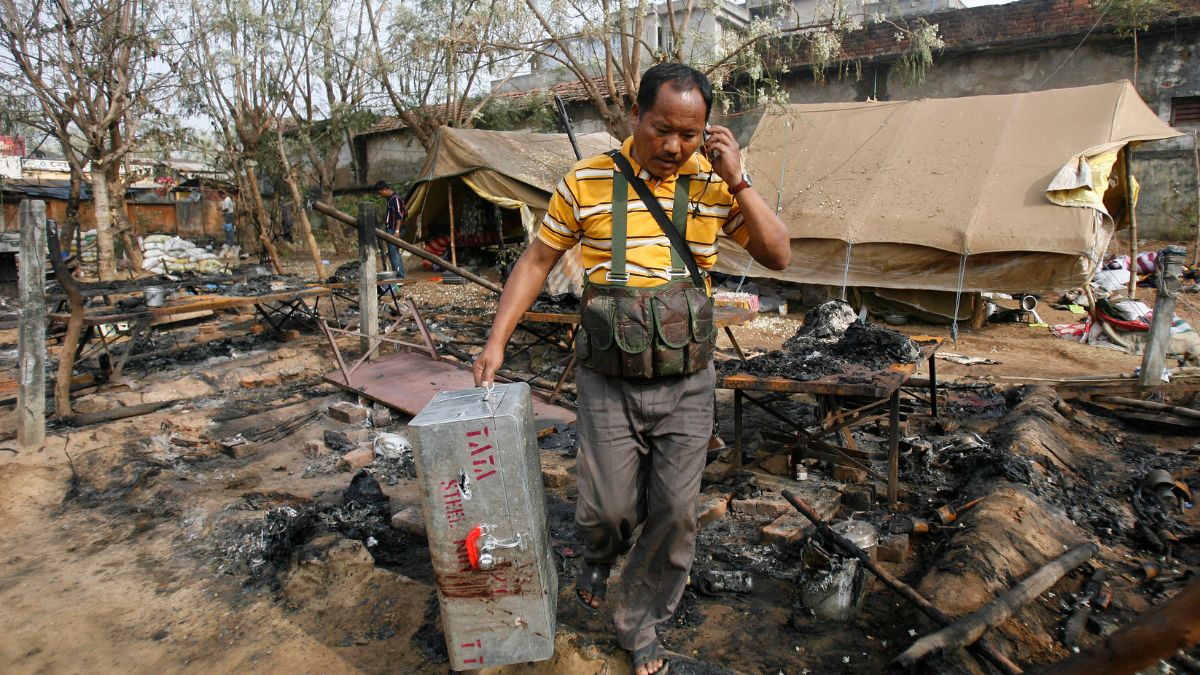
 "This Week in Explainers: How India won the war against 'Red Terror'")
After decades of violent insurgency, India has become ‘Naxal-free’. Union Home Minister Amit Shah announced the feat in the Lok Sabha this week, a day before the Central government’s March 31 deadline for eliminating Left-Wing Extremism (LWE).
India has kick-started its first digital census, with self-enumeration being offered as an option for the first time. This is the first population count in more than 15 years. The last Census was held in 2011.
With the war in West Asia disrupting energy supplies, India is also feeling the pinch. However, the South Asian country has expanded its energy base, with 41 countries exporting oil and gas to India. Who all is it buying from?
Here’s all this and more in our weekly roundup of stories from India.
1. India has won the war against Left-Wing Extremism. The Maoist movement in India can be traced back to the 1967-1971 Naxalbari uprising in West Bengal. As the movement spread across many parts of India, the left-wing insurgency reached its peak in the 2000s.
India has been cracking down on the deadly Maoist movement for years. Over the decades, the Central government launched various offensives and operations to contain the Maoist insurgency. And there have been considerable results. Maoist violence, which peaked at 2,213 incidents in 2010, dropped to 401 in 2025, a fall of nearly 82 per cent. Does this mean the end of India’s Maoist movement? We explain.
Quick Reads
View All2. India has launched its first census in over a decade. Touted as the world’s largest population count, crores of citizens will be asked 33 questions, including about their building material, types of cereals consumed and marital status.
India’s first fully digital census is being carried out in two phases. The first phase, known as the House Listing and Housing Census, has already begun across eight states and Union Territories, including Karnataka and parts of Delhi. The second phase — population enumeration — will start in February next year. Here is a comprehensive guide to Census 2027.
3. The Income Tax Act, 2025 and Income Tax Rules, 2026 came into effect on April 1. The salary slips of employees will look considerably different. The biggest change is in the ratio between basic salary and allowances.
The new legislation has replaced the 65-year-old Income Tax Act, 1961. Another change in the Income Tax Act, 2025 is that it has introduced a single ‘Tax Year’. There are also reforms in the house rent allowance (HRA) component of the salary. Read more here.
4. The war in West Asia has put a spotlight on India’s energy requirements. The country consumes 5.50 million (55 lakh) barrels of crude oil daily to meet domestic needs. India’s natural gas consumption is around 190-195 million (19-19.5 crore) metric standard cubic metres per day.
India relies on imports for around 85 per cent of its crude oil supply and about 50 per cent of its natural gas requirements. As many as 41 countries export oil and gas to India. Amid the Iran war, New Delhi is reportedly seeking to expand its energy sources. Read our report to know more.
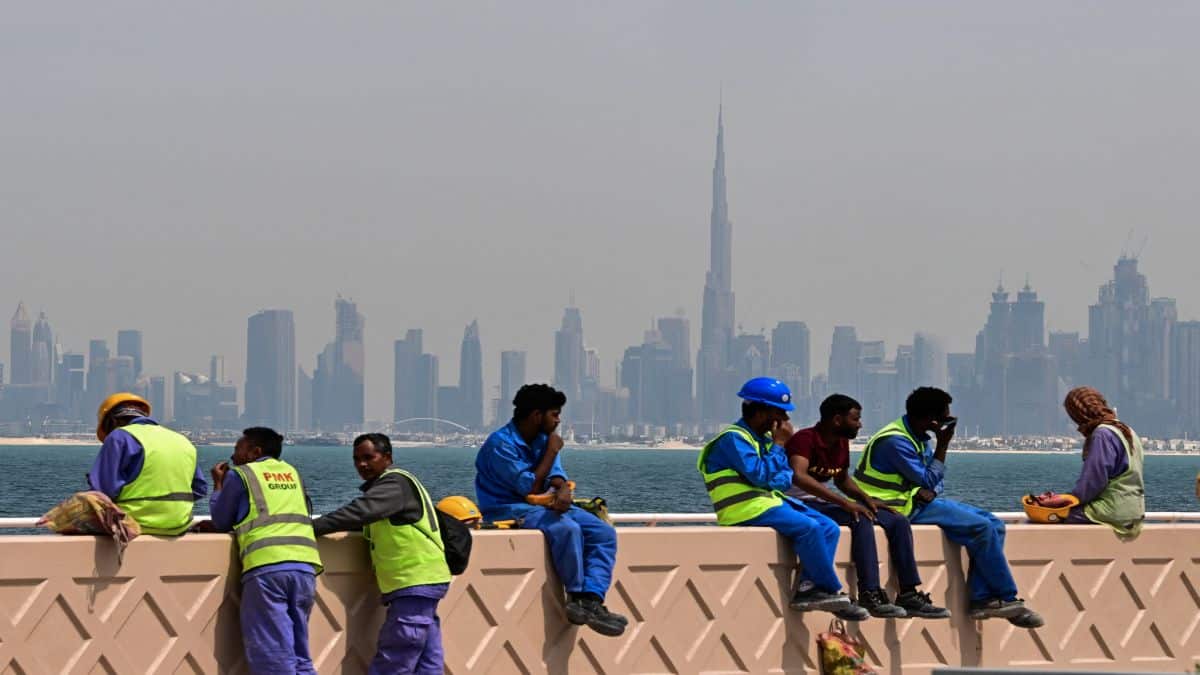
5. India has been feeling the ripple effects of Israel and the US’ war in Iran. As the conflict continues to rage for a second month, the death toll is also rising. Several Indians in the Gulf have lost their lives in the conflict.
Another Indian died in an attack by Iran on a power and water desalination plant in Kuwait. With this, the number of Indian nationals killed in the West Asia war has mounted to seven, while one person remains missing. We take a look at how Indians have been caught in the crosshairs amid the conflict.
6. Oracle’s layoffs have come as a shock. The cloud computing firm has fired over 30,000 employees across the globe. In India alone, about 12,000 people have been sacked.
The impacted verticals include engineering, software development, product management, and customer support. The layoffs come a week after Meta started sacking hundreds of employees. Amazon has also announced layoffs. Are more job cuts in the making? Read more here.
7. Nitish Kumar has stepped down as a Member of the Legislative Council (MLC) in Bihar. This comes after the Janata Dal (United) (JD(U)) leader was elected to the Rajya Sabha in the March 16 election.
Following his shift to the Upper House, Nitish now has to leave the post of Bihar’s Chief Minister. The Constitution says that a person can remain CM for six months if he or she is not a member of either House in the state legislature. The development has set off speculations about what’s next for the veteran politician. We take a look.
8. The war in West Asia is causing a shortage of condoms in India. The contraceptive manufacturers in the South Asian country are reportedly facing a scarcity of key inputs, such as silicone oil and ammonia.
Amid the crunch, condoms are likely to get costlier as their production has been disrupted. Any increase in condom prices could lead to a decline in their usage, experts fear. This could hurt India’s family planning policy. We explain why a condom shortage is bad news.
This is all we have for you this week. If you like reading our analyses, you can bookmark this page.

 "Iran Israel War Live News: US, Iranian forces race to recover missing pilot from downed jet as Israel bombards Beirut")
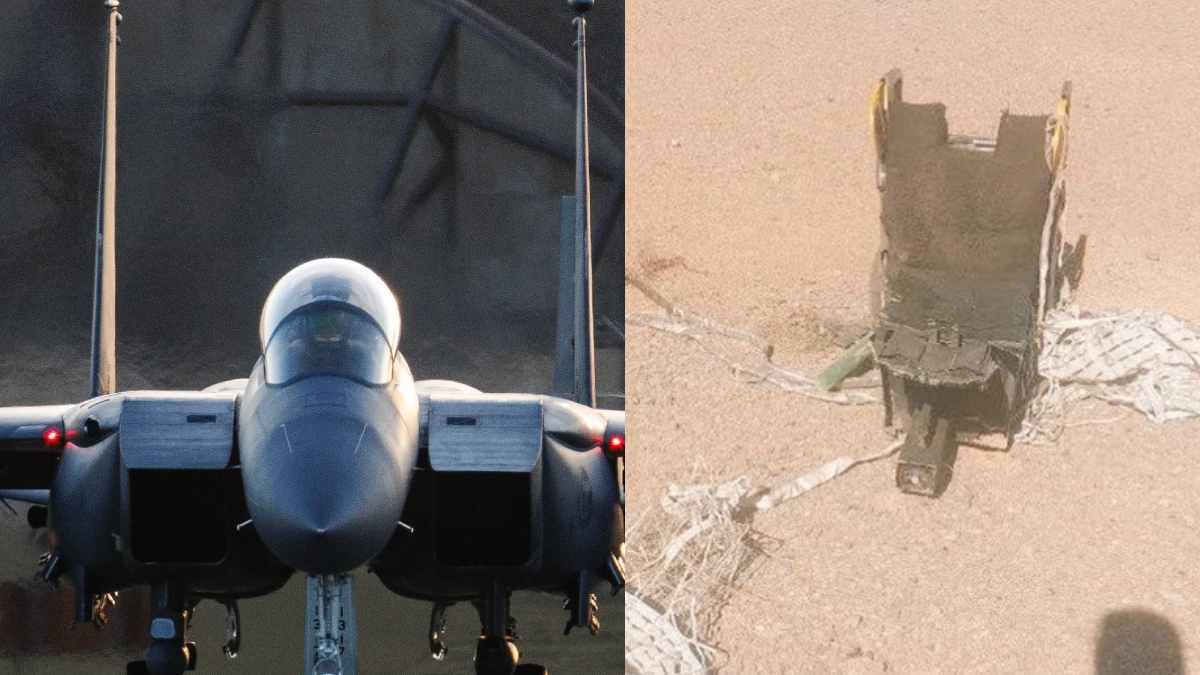 "One of two US crew members rescued after F-15E jet shot down over Iran, race to hunt second ongoing")
 "Seventh India-flagged LPG tanker crosses Strait of Hormuz")
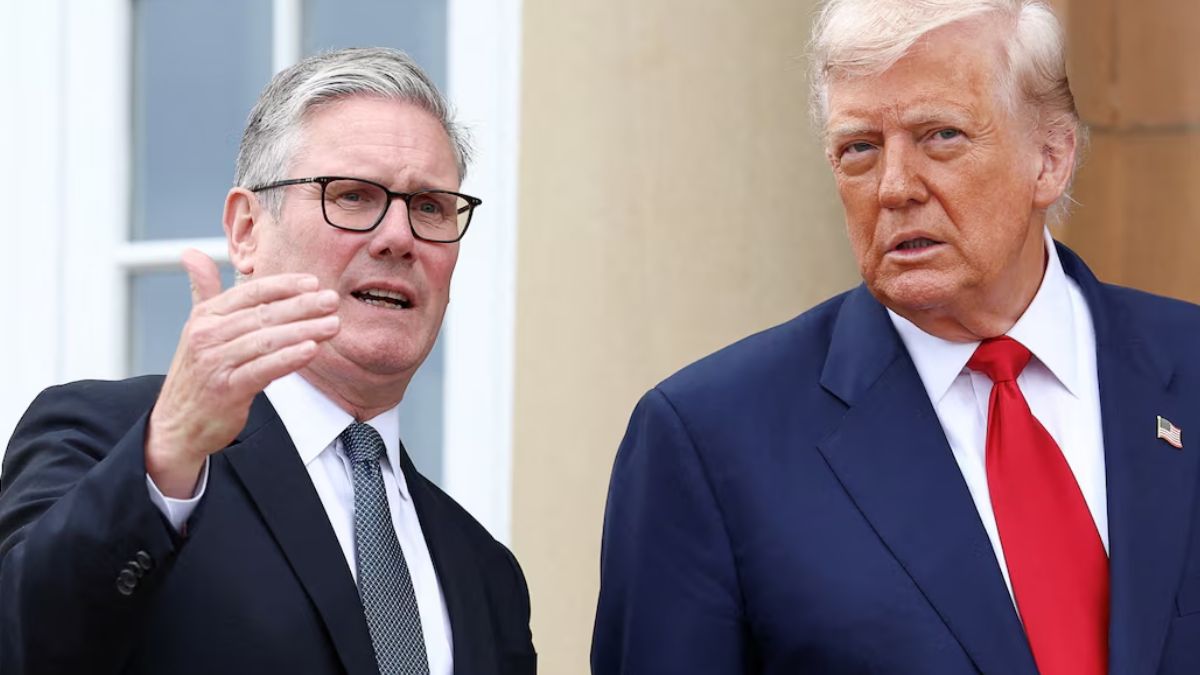 "UK-US ties may be beyond repair, PM Starmer told as Trump mocks him over lack of support in Iran War")
 "Iran Israel War Live News: US, Iranian forces race to recover missing pilot from downed jet as Israel bombards Beirut")
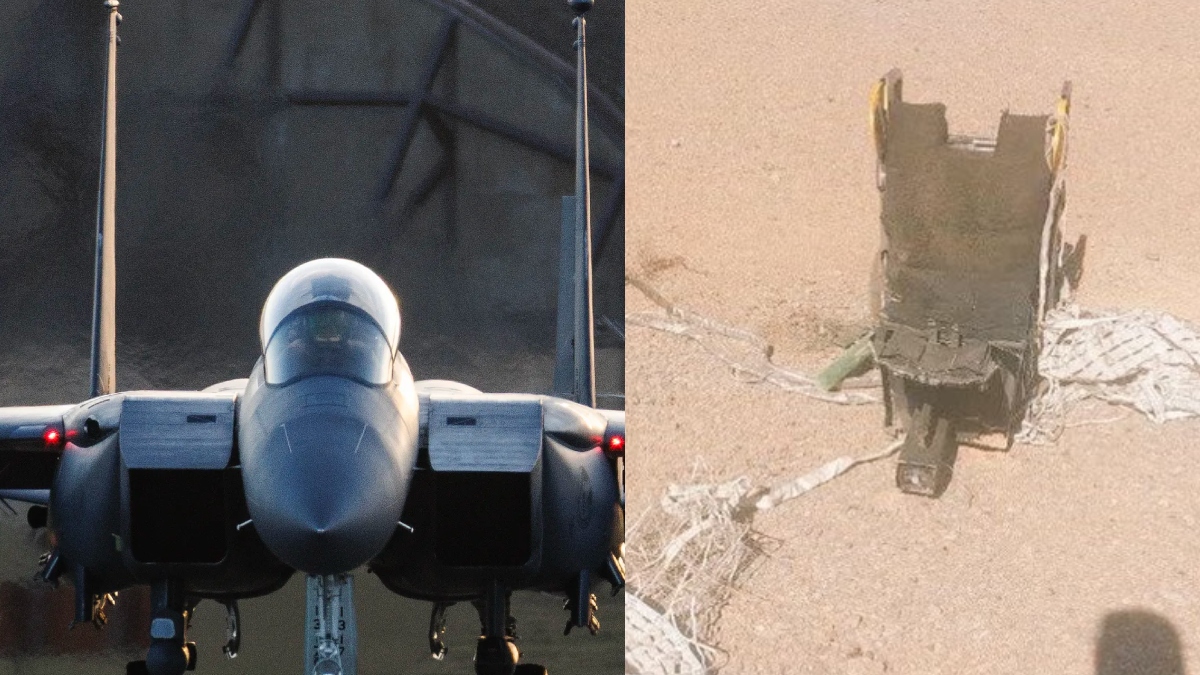 "One of two US crew members rescued after F-15E jet shot down over Iran, race to hunt second ongoing")
 "Seventh India-flagged LPG tanker crosses Strait of Hormuz")
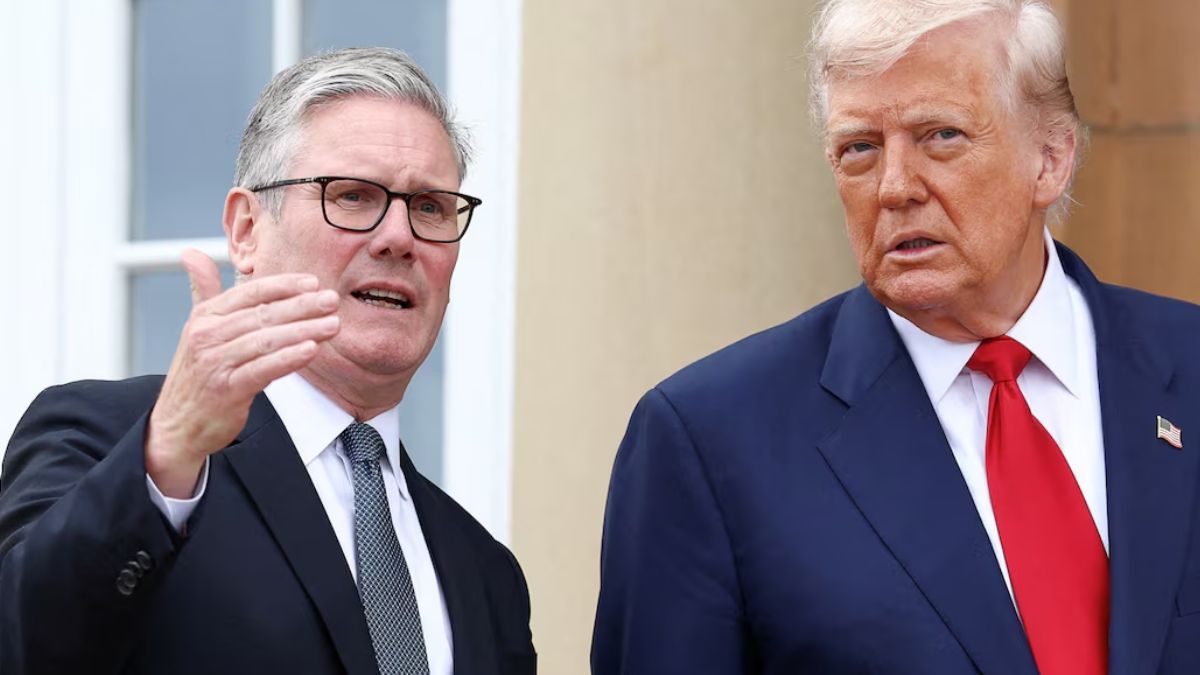 "UK-US ties may be beyond repair, PM Starmer told as Trump mocks him over lack of support in Iran War")