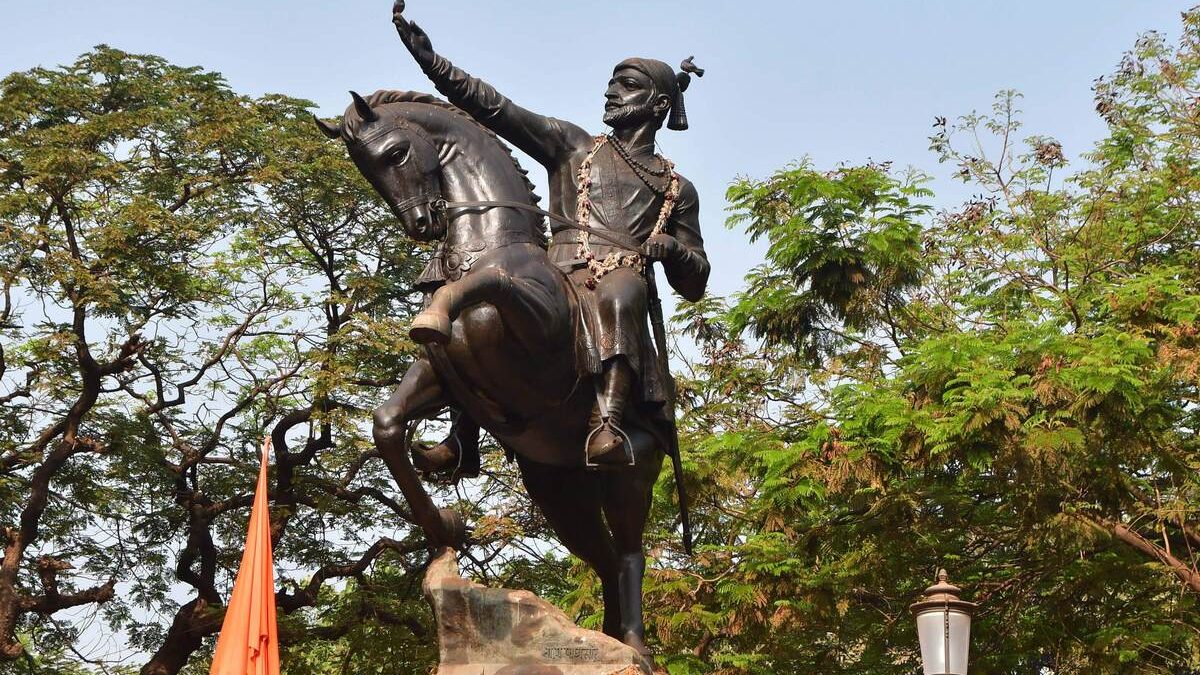
 "Oxford Press has apologised for a 2003 book on Shivaji. Here’s why")
Oxford University is known across the world as one of the foremost learning institutions. However, the institution isn’t perfect and is prone to making mistakes.
But, Oxford can apologise for its mistakes, and it did exactly that when it issued an apology to Udayanraje Bhosale, the 13th descendant of Chhatrapati Shivaji Maharaj, and others for unverified statements made in one of its books.
Oxford University Press India (OUP), former managing director, Sayeed Manzar Khan issued the apology on behalf of OUP following a directive from Bombay High Court’s Kolhapur bench over objectionable content published about the Maratha king in the book Shivaji: Hindu King in Islamic India released over two decades ago.
OUP issues an apology
On Tuesday (January 6), OUP issued a public apology for publishing what it described as “unverified” statements about 17th-Century ruler Shivaji in a book that was published in 2003.
In the apology published in newspapers, OUP said that certain statements on pages 31, 33, 34 and 93 of the book written by American historian James Laine had not been verified, adding that it regretted the publication.
The publishing house said it was apologising to Udayanraje Bhosale, the the 13th-generation descendant of the Maratha king, and “the public at large, for any distress and anguish” caused to them.
The apology comes after a directive from the Bombay High Court’s Kolhapur bench in a case arising from a complaint filed by Bhosale, in which criminal defamation proceedings had been initiated in 2005 against Oxford University Press India’s former Managing Director Sayeed Manzar Khan and others.
Speaking to Times of India, the publishing house’s Indian representative Ruchika Tandon said, “OUP India publishes a wide range of resources, with a variety of perspectives across different disciplines. The title in question was published for a brief period more than two decades ago in India. In response to concerns about the title’s content, which were raised at the time, we took prompt steps to recall the title and withdraw it from circulation.”
Tandon said the publisher makes a conscious effort to respect cultural sensitivities and context, allowing its works to be enjoyed by a broad international audience.
The book at the heart of it all
At the centre of the entire row is the book Shivaji: Hindu King in Islamic India written by US historian James Laine and published by OUP.
The book, published in 2003, examines the life of Shivaji through a critical historical lens. According to reports, some passages remarked on Shivaji’s parentage and personal life. This was seen as deeply insulting by many of the followers of the Maratha ruler.
In fact, people were so enraged by the remarks in the book that in 2004 it resulted in an attack on a Pune-based history research centre. More than 150 activists from the Sambhaji Brigade ransacked the renowned Bhandarkar Oriental Research Institute (Bori) on Law College Road in Pune with the crowd alleging that the research institute had helped the historian make allegedly objectionable remarks about Shivaji in the book.
At the time, the incident sparked a debate on academic freedom and responsibility of published. Subsequently, the Maharashtra government had banned the book.
Laine, the Arnold H Lowe Professor of Religious Studies at Macalester College in Minnesota, US who authored the book, even issued an apology over it at the time. “I love India and have devoted my life to the study of her culture. I have been thus deeply sorrowed by the fact that my recent book, Shivaji: Hindu King in Islamic India, has caused such turmoil there. It was never my intention to defame the great Maharashtrian hero, and I had no desire to upset those for whom he is an emblem of regional and national pride, and I apologise for inadvertently doing so,” he had then said.
Meanwhile, at present, Maharashtra Education Minister Dada Bhuse welcomed the apology but said the state government would monitor OUP’s corrective actions closely.
Notably, this is not the first time that the publication has made an error. Earlier in 2011, OUP India was accused of self-censorship when it reportedly stopped reprinting Ramanujan’s collected essays containing a piece following pressure from right-wing groups who found the essay’s diverse interpretations of the Ramayana offensive.
With inputs from agencies

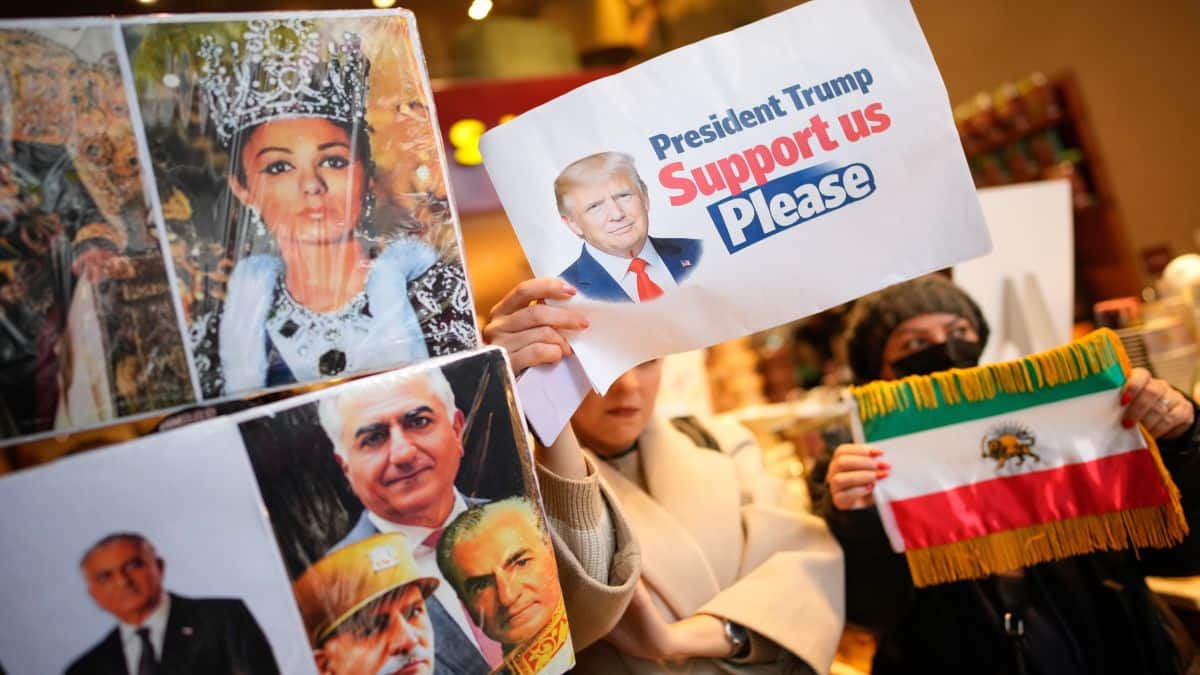
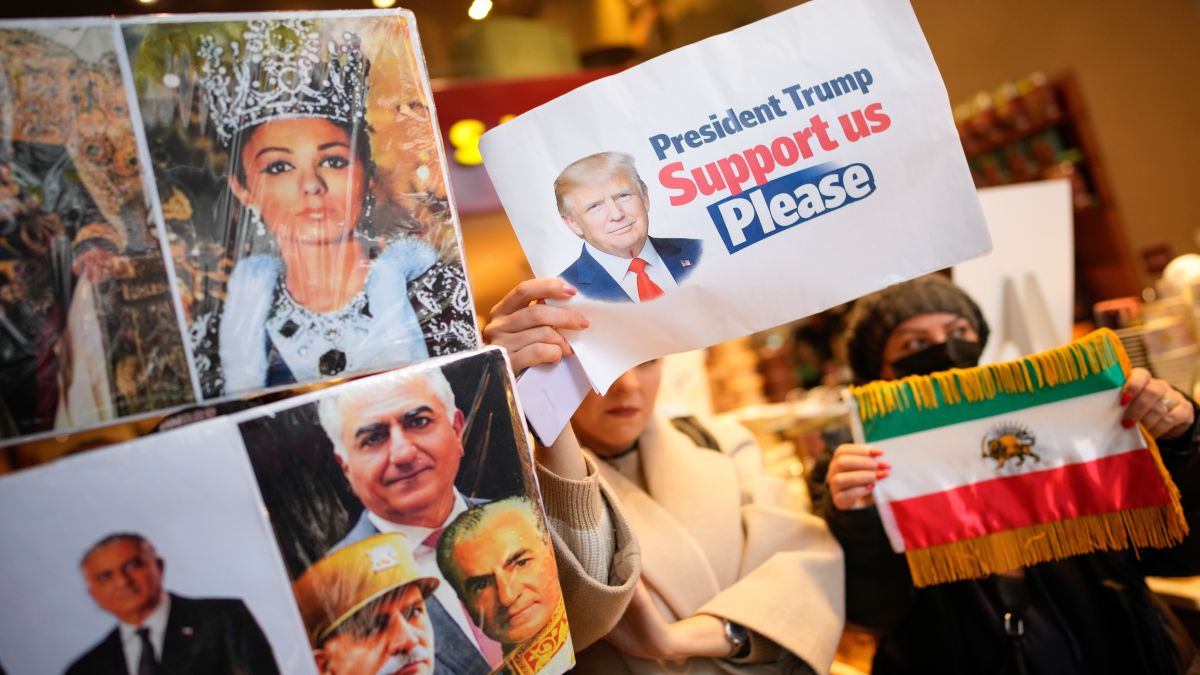 "Trump announces 25% tariff on Iran’s trading partners. How India may be affected")
 "India, US to resume BTA talks after 5 months as Gor pushes for trade deal with 'real friends'")
 "ICC sources rubbish Bangladesh sports adviser’s sensational claim of BCB being asked to drop Mustafizur")
 "Jerome Powell: The 'Fed chair with a spine' taking on Trump")
 "Trump announces 25% tariff on Iran’s trading partners. How India may be affected")
 "India, US to resume BTA talks after 5 months as Gor pushes for trade deal with 'real friends'")
 "ICC sources rubbish Bangladesh sports adviser’s sensational claim of BCB being asked to drop Mustafizur")
 "Jerome Powell: The 'Fed chair with a spine' taking on Trump")