

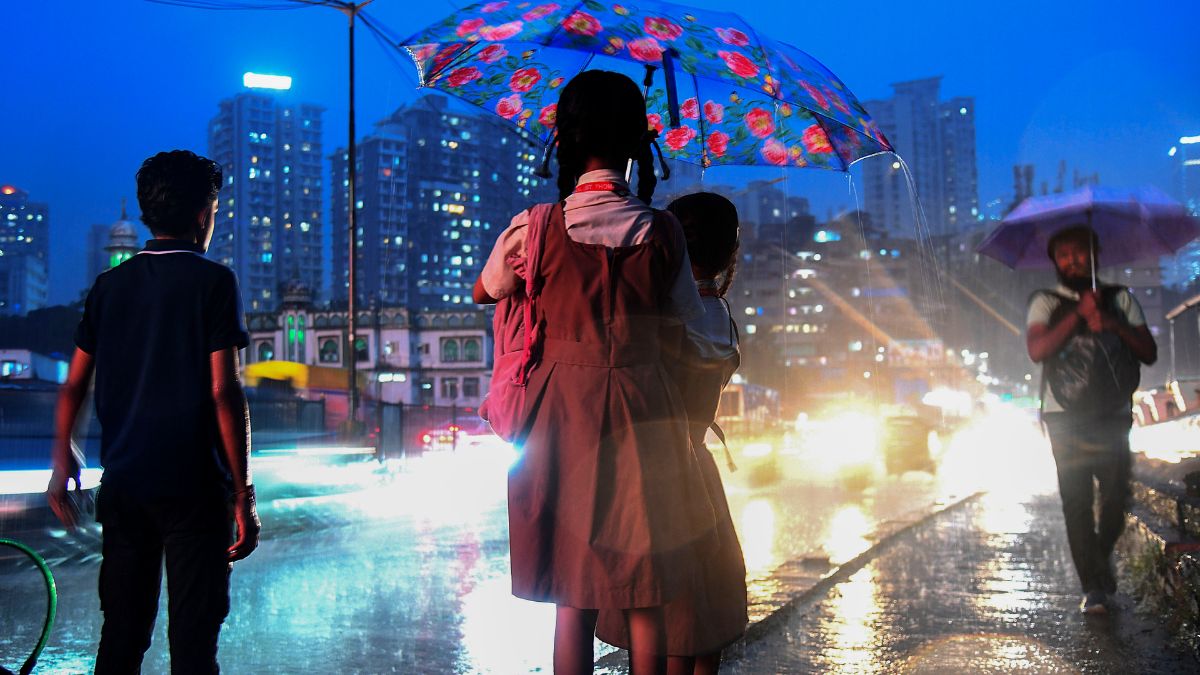
 "45-year-old woman dies after falling in drain: How Mumbai’s open manholes become ‘death traps’ during monsoon")
Mumbai rains turned deadly as a 45-year-old woman died after falling into a drain in suburban Andheri on Wednesday (September 25). The victim, identified as Vimal Anil Gaikwad, drowned in a nullah overflowing due to a heavy downpour in the city yesterday.
The tragic incident reportedly took place at night near gate no. 8 of Maharashtra Industrial Development Corporation (MIDC), Andheri East. The Mumbai Police has filed an accidental death report (ADR) in the matter.
The Brihanmumbai Municipal Corporation (BMC), which has come under the scanner, said in a statement, “A 45-year-old lady Vimal Gaikwad drowned in an open drain in the MIDC area of Andheri. She was rescued by the Mumbai fire brigade and sent to Cooper Hospital but was declared dead by doctors.”
The civic body has set up a three-member panel, headed by a Deputy Municipal Commissioner, to probe the incident. It has sought a report within three days.
Let’s take a look at how open drains turn fatal in Mumbai during monsoons.
Mumbai’s killer drains
In August 2017, a medical practitioner died after slipping into a manhole in Mumbai, causing outrage. The body of Dr Deepak Amrapurkar, the 59-year-old gastroenterologist, was found close near a drain opening in Worli two days after he went missing after a downpour in India’s financial capital.
Dr Amrapurkar had fallen into a manhole near Lower Parel while returning home from Bombay Hospital. The incident had put the spotlight on the BMC which faced questions about its efforts to cover open manholes.
In 2018, the counsel appearing for the Mumbai civic body had blamed residents near Dr Amrapurkar’s residence for his death, saying they kept the manhole next to his house open. The BMC had claimed that it was not at fault.
In the next two years after the doctor’s death, a two-year-old and a seven-year-old lost their lives in Chembur and Dharavi, respectively. In 2021, a video of two women in Bhandup who fell into an open manhole went viral. They had both escaped unhurt.
In 2022, the Aam Aadmi Party (AAP) claimed it discovered 109 open manholes in Mumbai. A 68-year-old woman lost her life that year after falling into an open manhole in Virar.
Why are drains open?
There are two types of drains – a sanitary drain and a storm water drain.
A storm water drain is present as holes and gutters on the street corners or along the pavements. It collects rainwater and directs it into a natural body of water like rivers or ponds.
However, people often clog storm water drains with garbage including plastic packets, leading to the accumulation of water.
The destruction of wastelands and wetlands due to the constant concretisation of urban areas further exacerbates the problem of flooding in monsoons.
A sanitary drainage system is a system of piping that carries sewage or other liquid waste to a public sewer or private sewage disposal system. This drain is covered by manholes on roads.
During heavy rains, people remove manhole covers of sanitary drains to divert the excess water as they panic that the entire street will be “uncontrollably flooded”, according to a DNA article.
Sometimes thieves steal the manhole covers and sell them off in scrap markets. The BMC is trying to tackle the problem of stolen manhole covers.
Is BMC to blame?
The BMC – India’s richest civic body – has faced increased scrutiny since 2017 when the medical practitioner lost his life after falling into an open manhole.
In 2018, the Bombay High Court had issued directives to the civic body to repair potholes along all arterial roads in Mumbai and come up with a uniform mechanism to redress grievances of the citizens concerning bad roads. It had also ordered the BMC to cover manholes.
A panel appointed by the BMC had submitted a 36-page report with several suggestions to prevent accidents due to open manholes. These recommendations included installing mesh wires under manhole covers, radio frequency identification (RFID)-tagging of these covers, and using hinge covers that cannot be removed completely, as per a Hindustan Times (HT) report.
The RFID tagging would alert the BMC every time a manhole cover is removed or displaced. However, the Mumbai civic body had implemented only one of these suggestions – installing mesh wires – by 2019.
In 2022, the Bombay High Court had warned that the BMC officials would be held responsible if anyone died due to open manholes in Mumbai. It had dubbed the open manholes in the city “death traps", asking the civic body to take immediate steps to cover these manholes.
The court had questioned the BMC, “In this day of modern technology, why don’t you device something that if someone touches a manhole cover, tampers with the cover, you get to know immediately in your office? Why not something like a sensor?”
Last June, the Bombay High Court had asked why the BMC could not install protective grills on all 74,000 manholes in the city. This came after the court was told that only 1,908 manholes in flood-prone areas had protective grills.
A BMC official told Mid-day in early June this year that over 80 per cent of manholes have been installed with safety nets. He said the work will be completed that month.
In August, the civic body rolled out its smart manhole cover project, which was launched last year to combat the theft of manhole covers. Under this, the BMC planned to install smart sensors over manhole covers to arrest the rising theft incidents. If a cover was removed, sensors would ring an alarm and alert a control room.
The death of a 45-year-old woman is a reminder that the BMC needs to do more to prevent the loss of lives in Mumbai due to open drains.
The problem of open manholes has not only taken lives in Mumbai but also in Delhi. In July, a mother and her son drowned in a half-open under-construction drain in a waterlogged street in east Delhi’s Ghazipur as heavy rains lashed the National Capital. The Delhi High Court had come down heavily on the Municipal Corporation of Delhi (MCD) over the incident.
With inputs from agencies

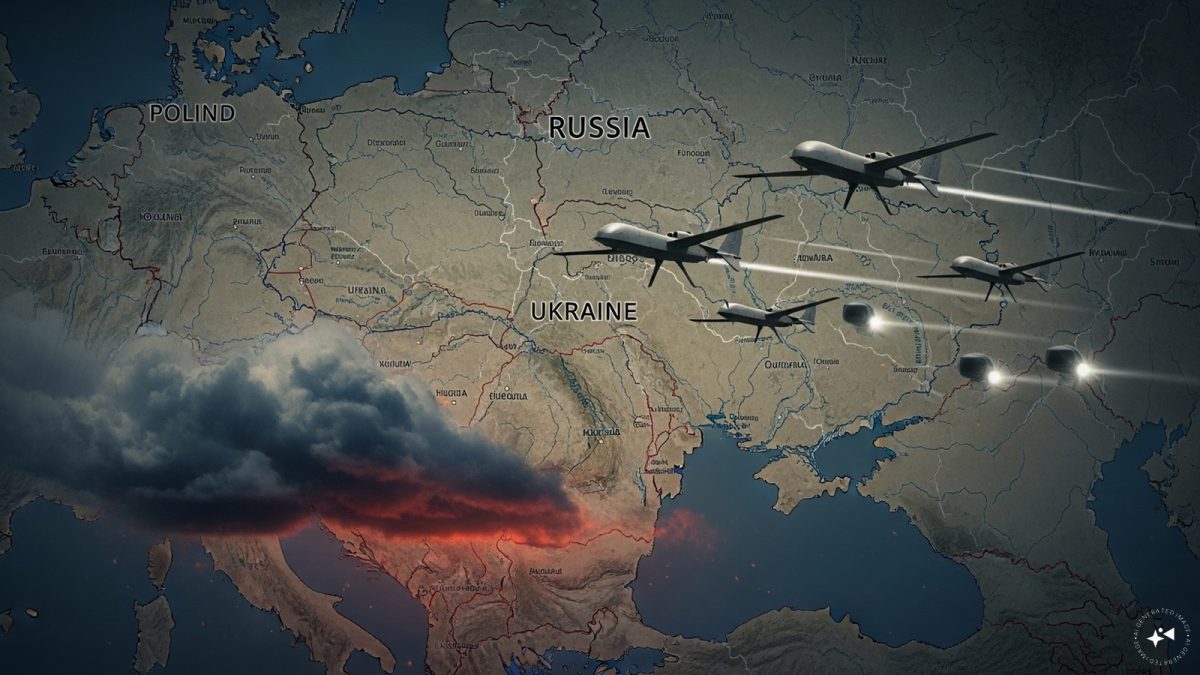 "Russian drones over Poland: Trump’s tepid reaction a wake-up call for Nato?")
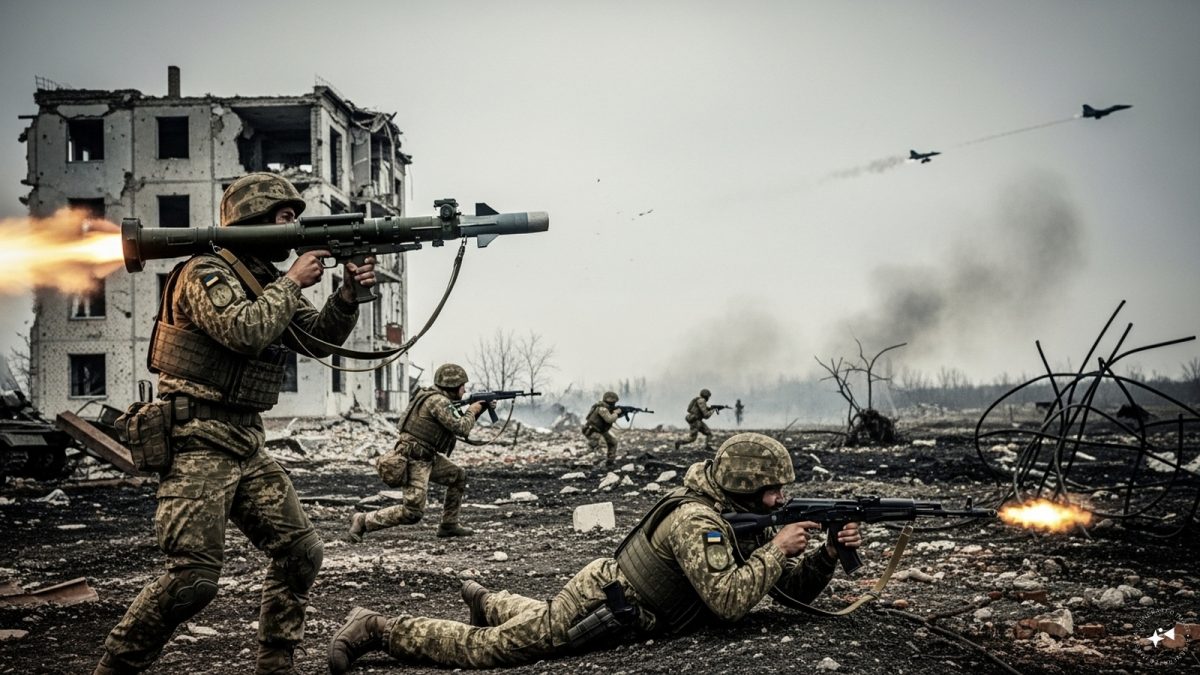 "As Russia pushes east, Ukraine faces mounting pressure to defend its heartland")
 "Why Mossad was not on board with Israel’s strike on Hamas in Qatar")
 "Turkey: Erdogan's police arrest opposition mayor Hasan Mutlu, dozens officials in corruption probe")
 "Russian drones over Poland: Trump’s tepid reaction a wake-up call for Nato?")
 "As Russia pushes east, Ukraine faces mounting pressure to defend its heartland")
 "Why Mossad was not on board with Israel’s strike on Hamas in Qatar")
 "Turkey: Erdogan's police arrest opposition mayor Hasan Mutlu, dozens officials in corruption probe")



