

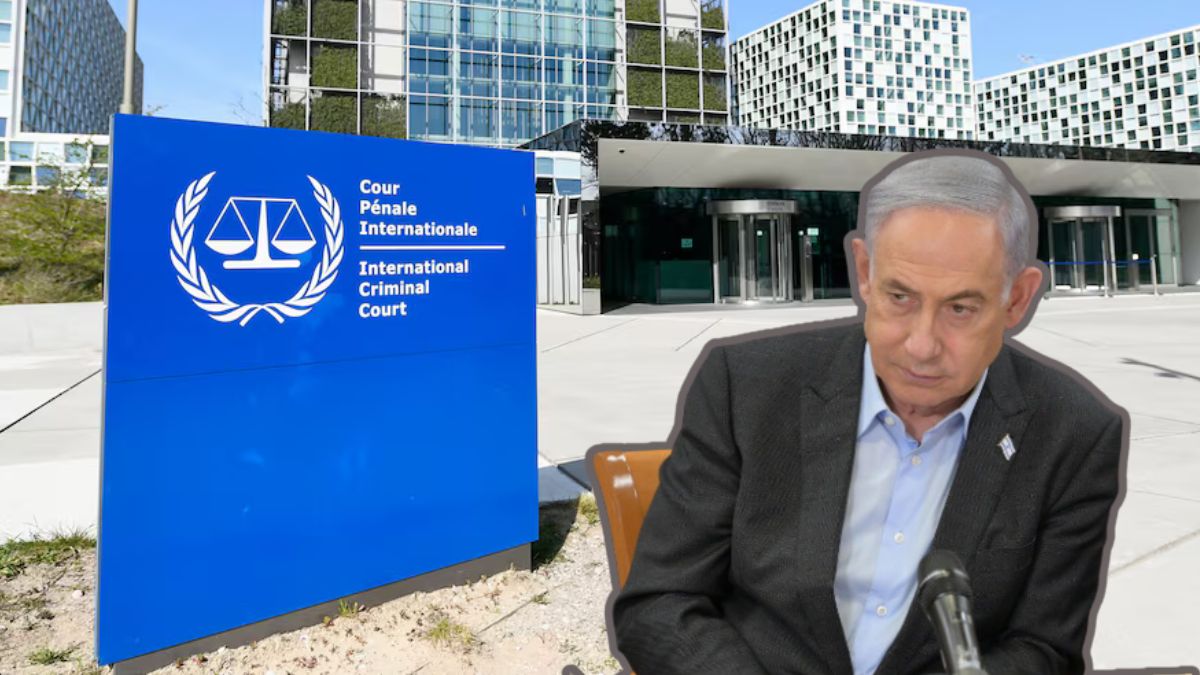
 "Is the ICC likely to issue arrest warrants to Israeli leaders?")
Israeli officials appear to be increasingly concerned over the possibility of the International Criminal Court (ICC) issuing arrest warrants for the country’s leaders. Over six months into the Israel-Hamas war, Prime Minister Benjamin Netanyahu has written about possible ICC action against Israeli troops and officials.
Israel’s foreign ministry is reportedly monitoring reports of pending action. The ICC was established in 2002 as a permanent court of last resort to prosecute individuals responsible for the world’s most heinous atrocities, such as war crimes, crimes against humanity, genocide, and the crime of aggression.
Netanyahu took to social media platform X (formerly Twitter) on Friday to say that Israel “will never accept any attempt by the ICC to undermine its inherent right of self-defense.”
“While the ICC will not affect Israel’s actions, it would set a dangerous precedent,” he wrote.
Under my leadership, Israel will never accept any attempt by the ICC to undermine its inherent right of self-defense.
— Benjamin Netanyahu - בנימין נתניהו (@netanyahu) April 26, 2024
The threat to seize the soldiers and officials of the Middle East’s only democracy and the world’s only Jewish state is outrageous. We will not bow to it.
Israel…
The Foreign Ministry of Israel announced on Sunday that it had alerted its foreign missions of “rumours” suggesting that senior Israeli political and military officials could be subject to arrest by a court. The source of these unconfirmed reports remains undisclosed by the ministry.
The United Nations General Assembly (UNGA) endorsed the ICC, but the court is independent. Without a police force, the ICC relies on member states to arrest suspects, which has proven to be a major obstacle to prosecutions.
The significance of ICC
The ICC’s 124 member states have signed on to the Rome Statute.
The Rome Statute creating the ICC was adopted in 1998 and entered into force when it got 60 ratifications on July 1, 2002. The U.N. General Assembly endorsed the ICC, but the court is independent.
Dozens of countries did not sign and do not accept the court’s jurisdiction over war crimes, genocide and other crimes. They include Israel, the United States, Russia and China.
The ICC becomes involved when nations are unable or unwilling to prosecute crimes on their territory. Israel argues that it has a functioning court system, and disputes over a nation’s ability or willingness to prosecute have fueled past disputes between the court and individual countries.
In 2020, then-President Donald Trump slapped economic and travel sanctions on the ICC prosecutor and another senior prosecution office staffer. The ICC staff were looking into U.S. and allies’ troops and intelligence officials for possible war crimes in Afghanistan.
President Joe Biden, whose administration has provided crucial military and political support for the Gaza offensive, lifted the sanctions in 2021.
The ICC has 17 ongoing investigations, has issued a total of 42 arrest warrants and taken 21 suspects into custody. Its judges have convicted 10 suspects and acquitted four.
In its early years, the court was criticised for focusing on crimes in Africa — 10 of its investigations are in African nations — but now it has investigations in Asia, Europe, the Middle East and Latin America.
ICC and the Israel-Palestine conflict
The UNGA raised the Palestinians’ status in 2012 from a U.N. observer to a non-member observer state. That opened the door for the Palestinian territories to join international organizations including the ICC.
The ICC accepted “The State of Palestine” as a member in 2015, a year after the Palestinians accepted the court’s jurisdiction.
The court’s chief prosecutor at the time announced in 2021 that she was opening an investigation into possible crimes on Palestinian territory. Israel often levies accusations of bias at U.N. and international bodies, and Netanyahu slammed the decision as hypocritical and antisemitic.
Current ICC Prosecutor Karim Khan visited Ramallah and Israel in December, meeting Palestinian officials and families of Israelis killed or taken hostage by Hamas militants in the Oct. 7 attack that sparked the Israel-Hamas war.
Khan called Hamas’ actions “some of the most serious international crimes that shock the conscience of humanity, crimes which the ICC was established to address,” and called for the immediate and unconditional release of all hostages.
Khan said “international humanitarian law must still apply” in the Israel-Hamas war and “the Israeli military knows the law that must be applied.” After the visit, Khan said an ICC investigation into possible crimes by Hamas militants and Israeli forces “is a priority for my office.”
Several world leaders charged by ICC
A year ago after the court issued a warrant for Russian President Vladimir Putin on charges of responsibility for the abductions of children from Ukraine. Russia responded by issuing its own arrest warrants for Khan and ICC judges.
Other high-profile leaders charged by the court include ousted Sudanese strongman Omar al-Bashir on allegations including genocide in his country’s Darfur region. Former Libyan leader Moammar Gadhafi was captured and killed by rebels shortly after the ICC issued a warrant for his arrest on charges linked to the brutal suppression of anti-government protests in 2011.
With inputs from AP

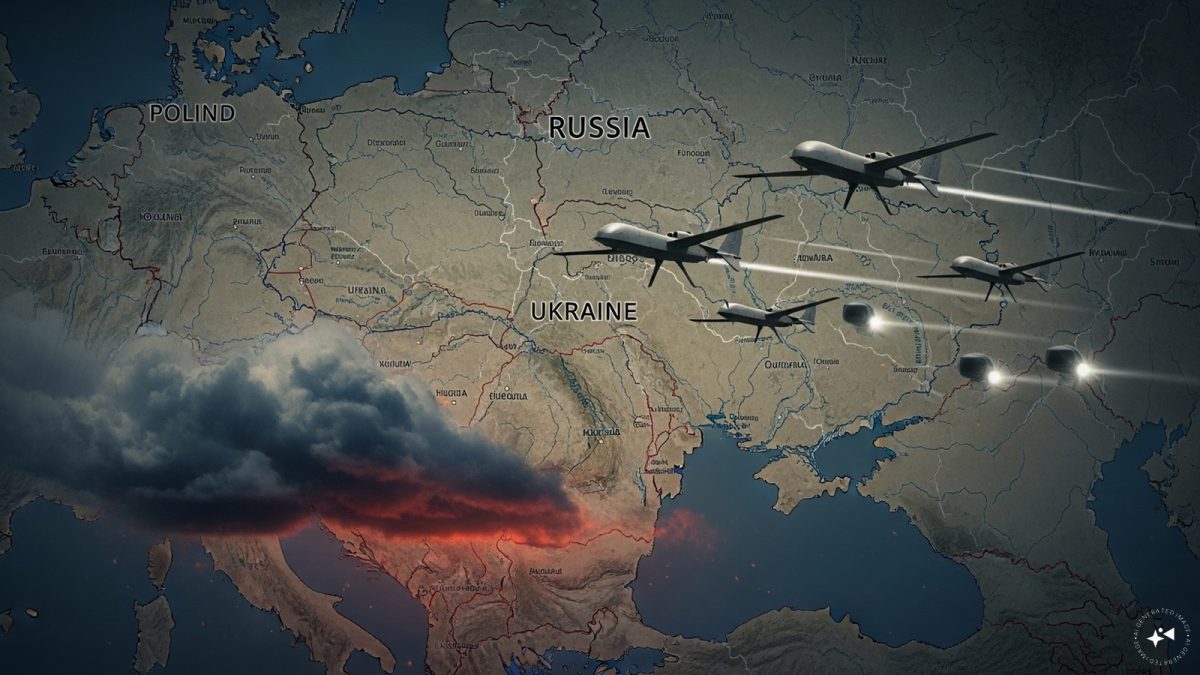 "Russian drones over Poland: Trump’s tepid reaction a wake-up call for Nato?")
 "As Russia pushes east, Ukraine faces mounting pressure to defend its heartland")
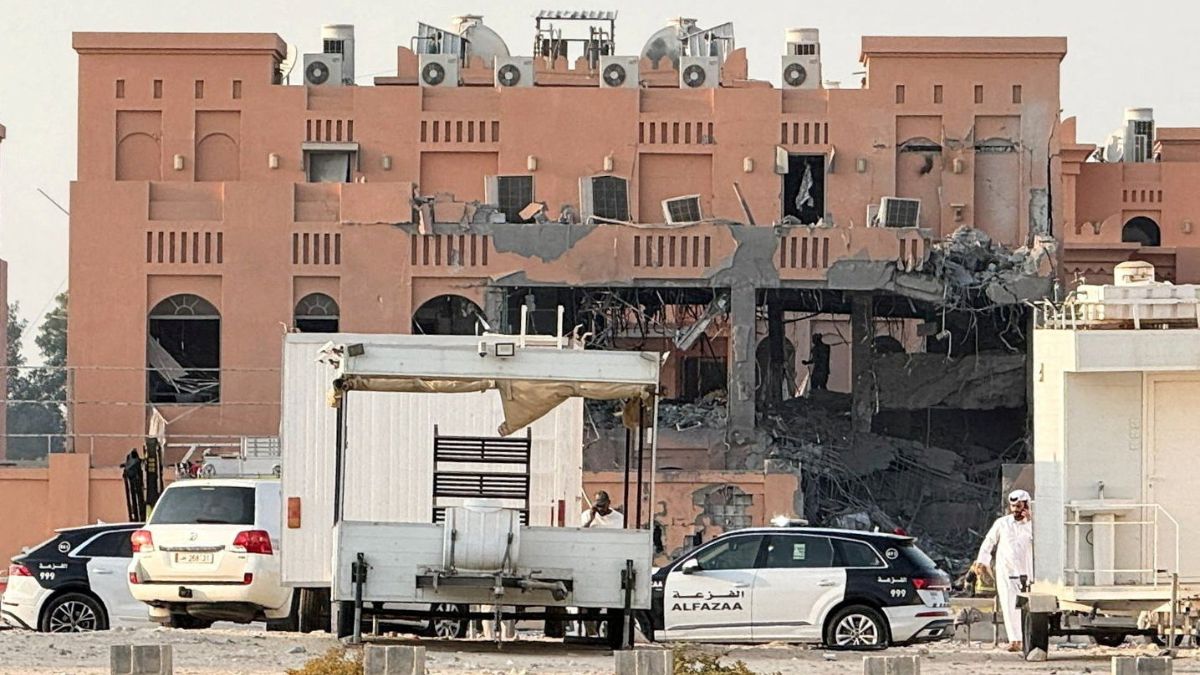 "Why Mossad was not on board with Israel’s strike on Hamas in Qatar")
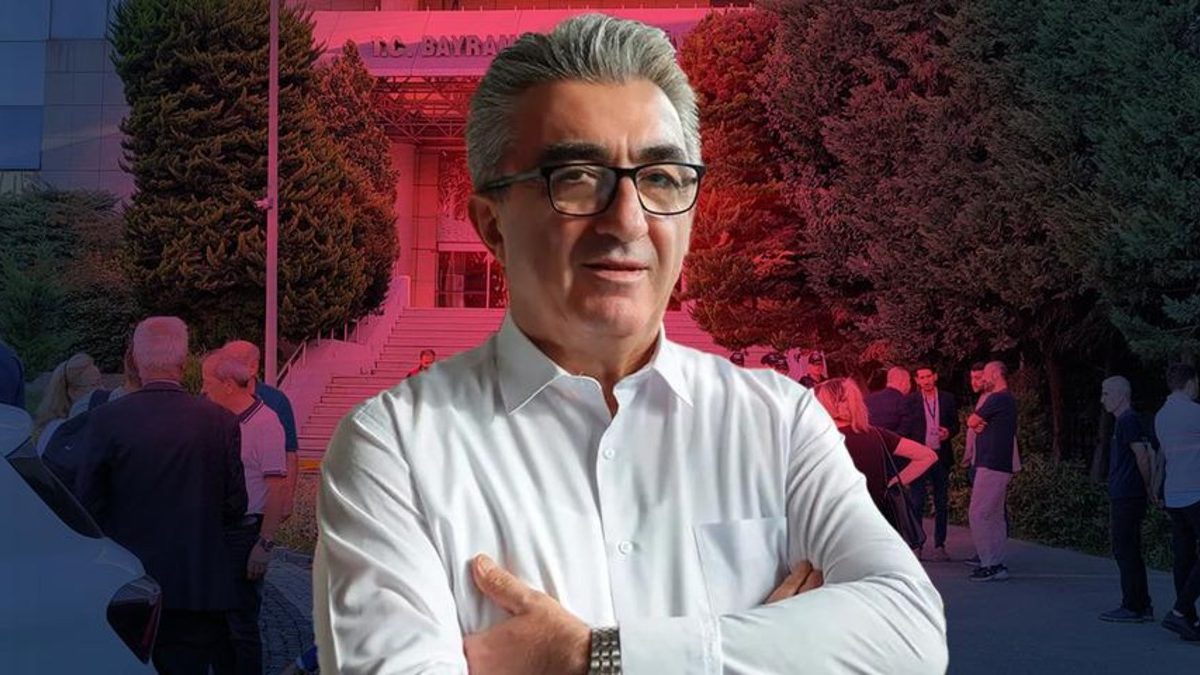 "Turkey: Erdogan's police arrest opposition mayor Hasan Mutlu, dozens officials in corruption probe")
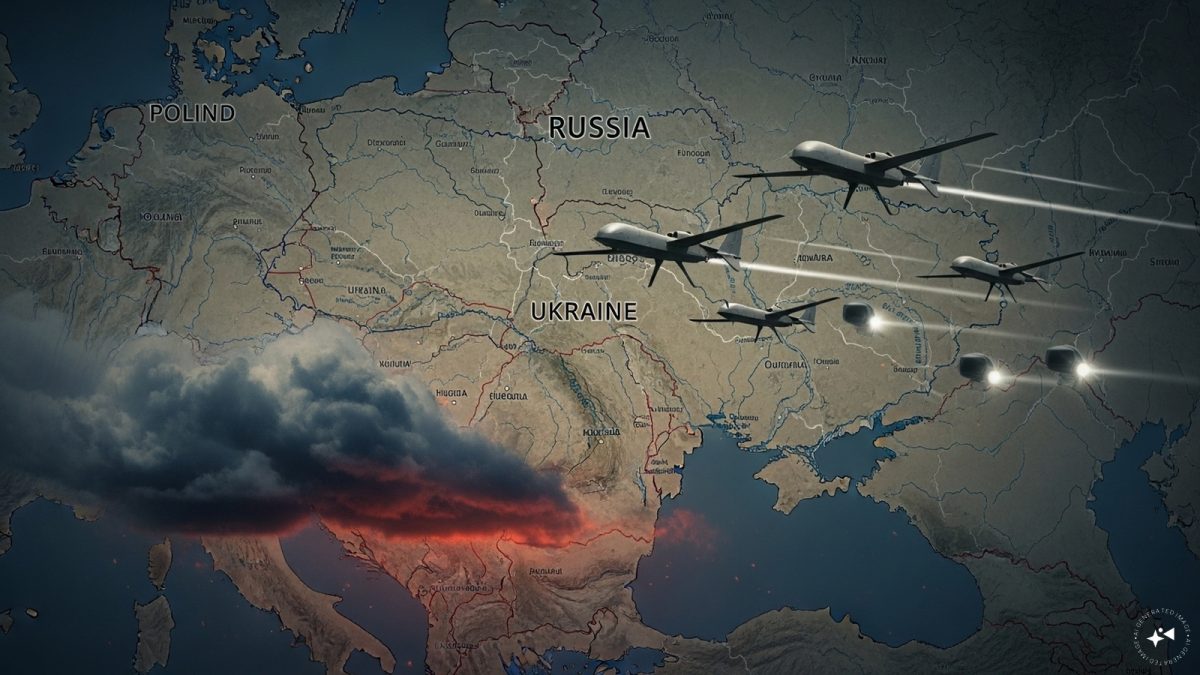 "Russian drones over Poland: Trump’s tepid reaction a wake-up call for Nato?")
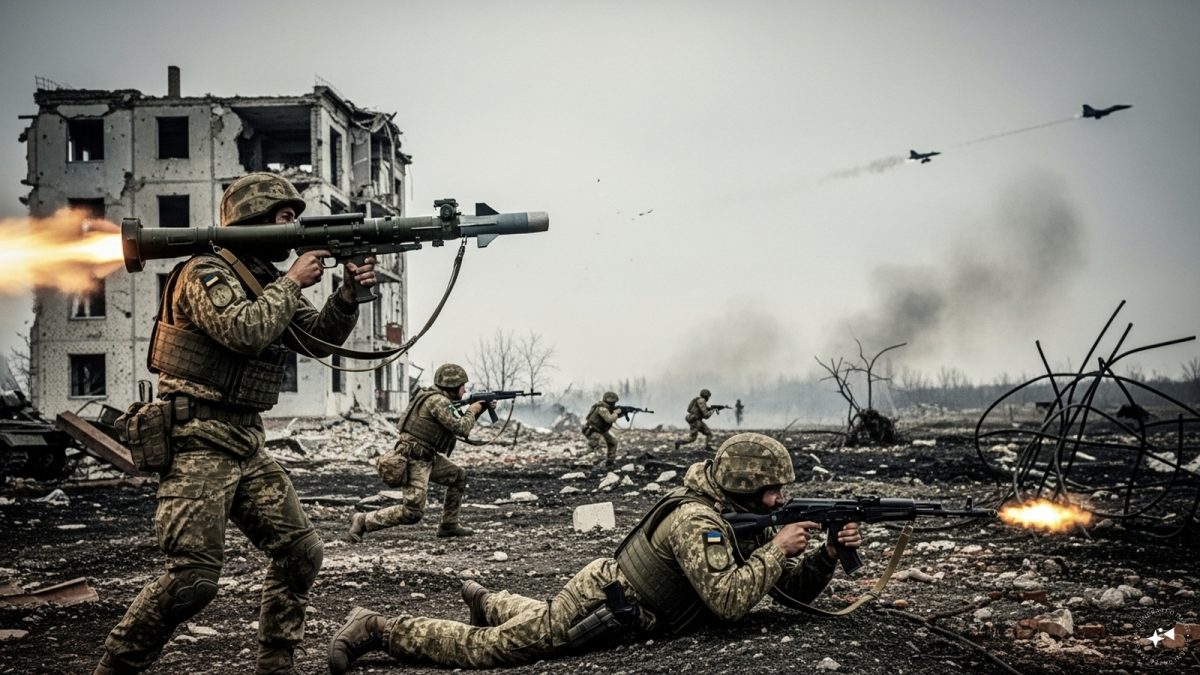 "As Russia pushes east, Ukraine faces mounting pressure to defend its heartland")
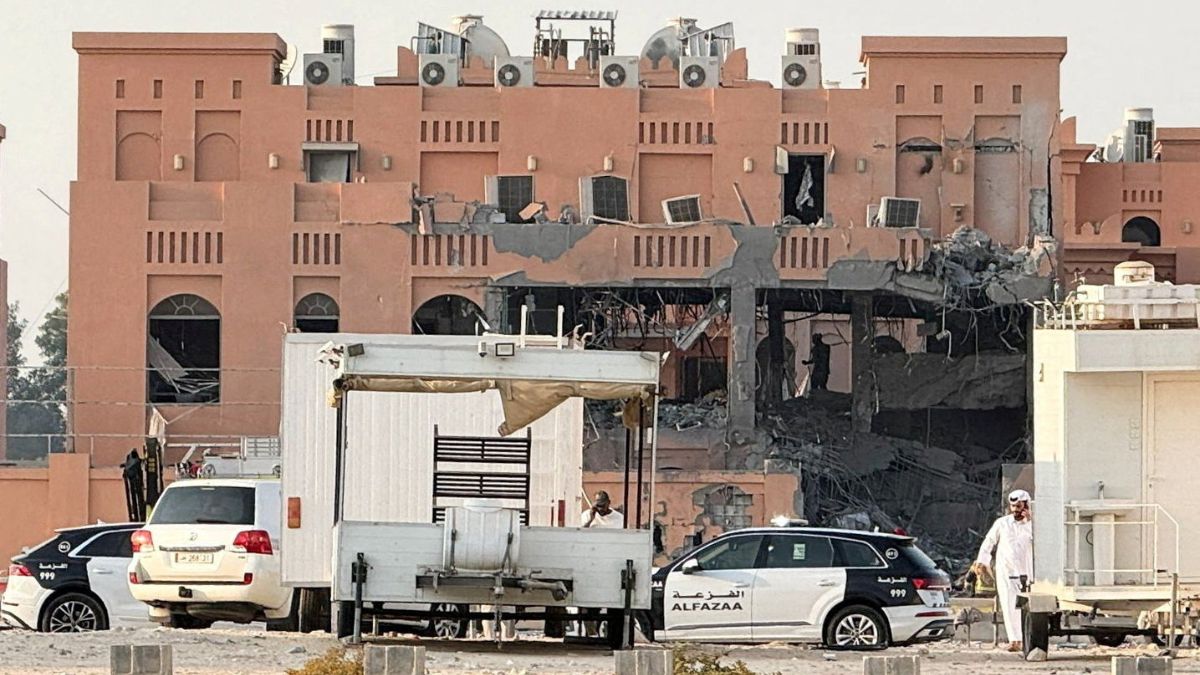 "Why Mossad was not on board with Israel’s strike on Hamas in Qatar")
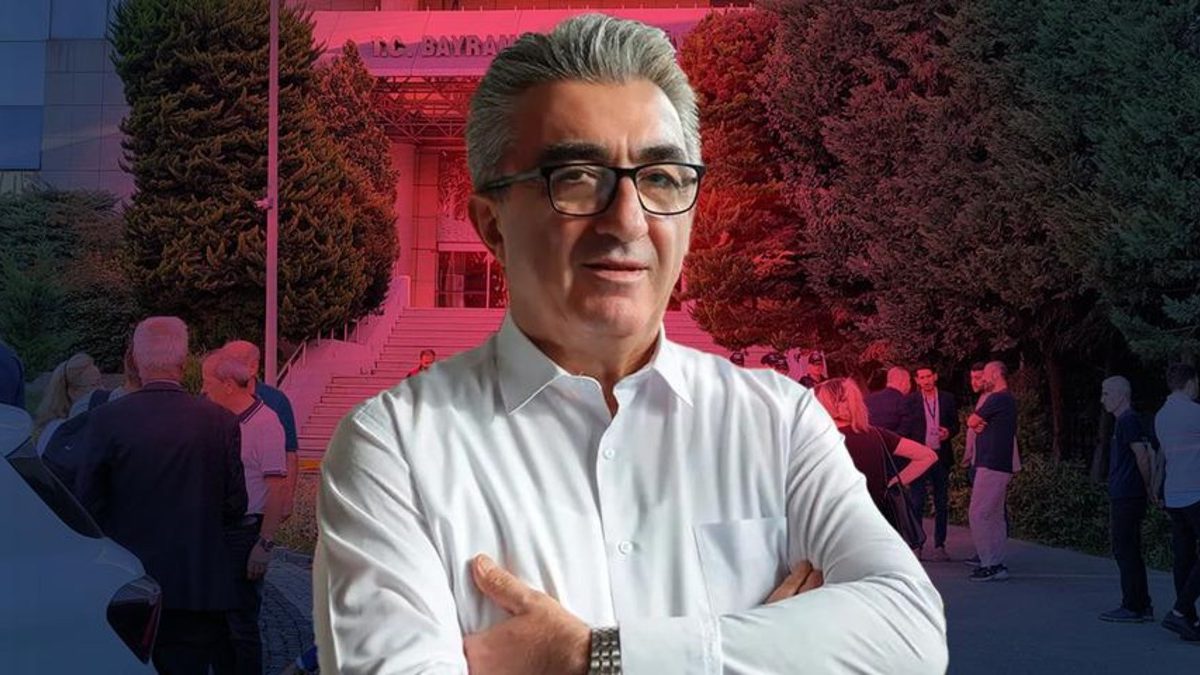 "Turkey: Erdogan's police arrest opposition mayor Hasan Mutlu, dozens officials in corruption probe")



