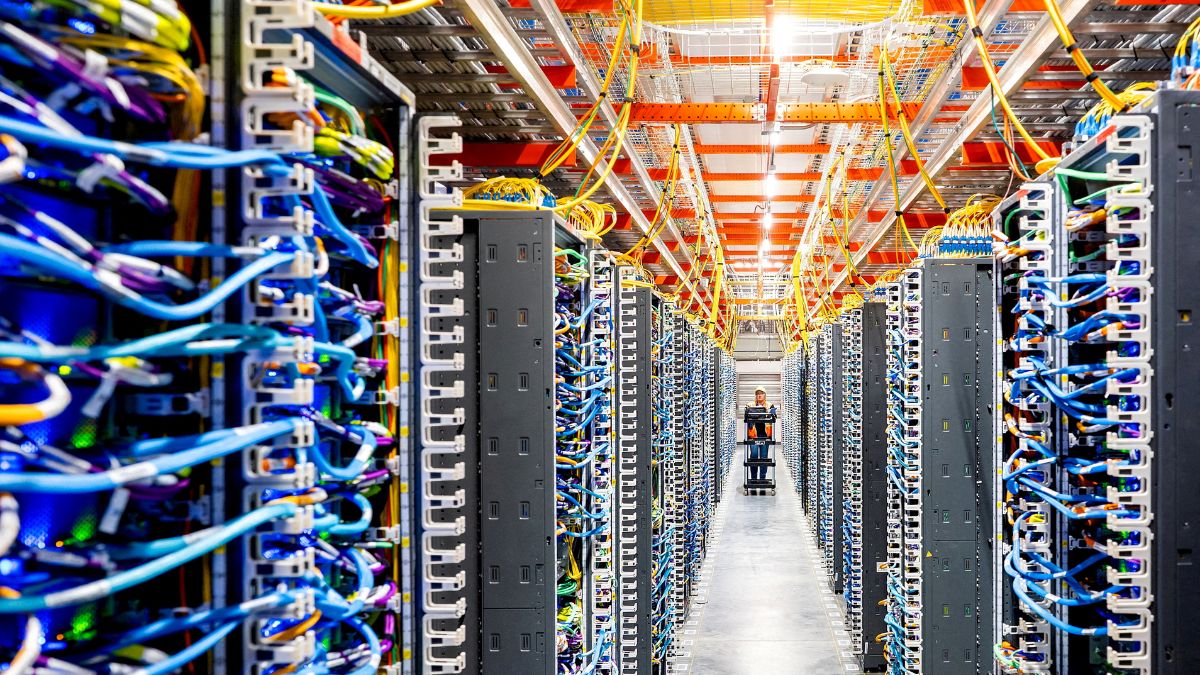
 "Why is Iran targeting Gulf data centres? What does this mean for modern warfare?")
In recent weeks, a series of strikes attributed to Iran — particularly by the Islamic Revolutionary Guard Corps — have targeted commercial data centres and technology-linked assets across the Gulf.
These developments have increasingly exposed critical infrastructure operated by private companies to kinetic attacks.
From damage to Amazon Web Services facilities in Bahrain and the United Arab Emirates to explicit threats against major American technology firms, the pattern of actions and statements emerging from Tehran suggests a deliberate focus on the systems that power artificial intelligence, cloud computing, and global communications.
At the same time, retaliatory strikes and broader infrastructure targeting — including energy facilities — indicate that the conflict is widening.
How did the attacks on Gulf data centres unfold?
The sequence of events began on March 1, when Iranian Shahed drones struck two AWS data centre facilities in the United Arab Emirates. On the same day, a third commercial data centre in Bahrain was also hit.
The physical nature of these attacks stands out. While data centres have historically been subject to cyber intrusions or espionage, these incidents involved direct, kinetic damage to buildings caused by drone strikes.
Damage across three facilities led to service disruptions affecting various sectors, including banking systems and enterprise-level software platforms across the region. Given the reliance of governments, corporations, and consumers on cloud-based systems, the outages highlighted the systemic importance of such infrastructure.
Escalation was also reported on Wednesday (April 1), when a facility in Bahrain associated with AWS suffered damage following another Iranian strike, according to a report by the Financial Times citing a person familiar with the matter.
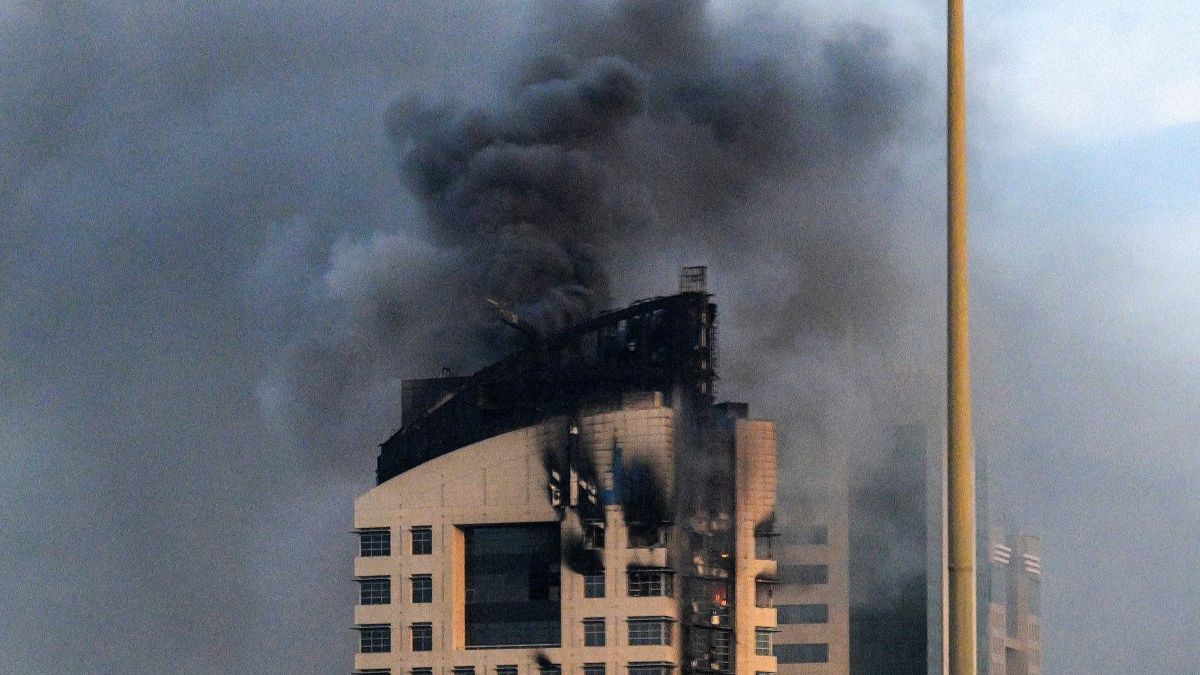
Bahrain’s Interior Ministry confirmed that civil defence teams were deployed to extinguish a fire at a company site after what authorities described as an Iranian attack. However, officials did not immediately disclose the name of the company involved, the scale of destruction, or whether there were casualties.
Why are commercial data centres becoming targets?
At the core of these attacks is the growing significance of data centres in both civilian and military contexts. Facilities operated by companies such as Amazon, Microsoft, and others form the backbone of cloud computing, enabling everything from streaming services to government operations.
In recent years, the integration of artificial intelligence into military planning and execution has further elevated the importance of such infrastructure.
The United States military has increasingly relied on advanced AI systems for decision-making support, intelligence analysis, and operational planning. Tools such as Claude AI have been used in contexts ranging from tracking high-value targets to supporting military operations.
These AI systems are not typically housed within traditional military hardware. Instead, they rely on cloud-based infrastructure, often managed by commercial providers.
When a service member accesses such tools, the processing and data handling are conducted in secure cloud environments that may be located far from the battlefield.
From Iran’s perspective, targeting these facilities could disrupt or degrade systems that it believes are being used against it. Iranian officials have explicitly framed their actions in these terms.
The IRGC has stated that the targeted data centres were supporting “the enemy’s” military and intelligence operations. Iranian media outlets have also described major technology infrastructure in the region as part of what they consider “enemy technology infrastructure.”
However, available information suggests that the connection between the specific facilities struck and direct military use remains uncertain.
Researchers have pointed out that US government and military data are generally required to be stored within the United States or on Department of Defense-controlled sites, unless special authorisation is granted.
Is Iran targeting the economic networks of Gulf nations?
The Gulf region — particularly countries like the United Arab Emirates and Bahrain — has become a major hub for global technology investment, especially in artificial intelligence and cloud computing.
Major corporations including Microsoft, Google, Apple, Meta, and Oracle have committed substantial resources to expanding their presence in the region.
Investments include billions of dollars in infrastructure development, with projects designed to support AI growth, cloud services, and low-latency computing environments.
The appeal of the Gulf lies in several factors like stable regulatory frameworks, access to energy resources, and geographic positioning that allows companies to serve users across multiple continents with minimal delay.
By targeting data centres in this region, Iran may be aiming to disrupt not only technological systems but also the broader economic networks that underpin US influence. The attacks could also serve as a warning to countries that maintain close ties with Washington.
This interpretation is reinforced by the IRGC’s announcement on March 31 that 18 US companies operating in the Gulf would be considered “legitimate targets.”
In addition to technology firms, the list reportedly included companies from other sectors such as aerospace and finance. The IRGC also advised employees of these firms to evacuate, warning of potential infrastructure destruction beginning at a specified time.
How vulnerable are data centres in modern warfare?
Unlike military installations, which are often fortified and protected by layered defence systems, commercial data centres are typically designed with different priorities in mind — efficiency, scalability, and accessibility.
These facilities are often large and relatively exposed, making them easier to identify and target. The lack of dedicated air defence systems only increases their susceptibility to drone or missile strikes.
During the current conflict, Iran launched a large number of missiles and drones at various targets in the UAE. While most were intercepted, some managed to reach civilian sites, including data centres, airports, and hotels.
In this context, it is possible that certain data centres were struck not because they were the primary targets, but because they were among the accessible structures within range.
Nevertheless, the consequences of even limited damage can be substantial. As seen in the UAE, disruptions to a small number of facilities were enough to affect banking operations and other essential services.
The Gulf’s emergence as a major hub for data centres means that disruptions there can have far-reaching effects.
What does this mean for Gulf as the future of global tech?
For technology companies, the immediate challenge lies in ensuring resilience. This includes developing strategies to maintain operations in the face of disruptions, whether through redundancy, geographic diversification, or enhanced security measures.
There are already indications that future investments may be influenced by the current conflict.
While the Gulf remains an attractive destination for data centre development, companies may explore alternative regions that offer greater predictability in terms of security.
Countries in Central Europe, for example, are emerging as potential options due to their regulatory stability and strategic location.
However, such alternatives come with trade-offs. One of the key advantages of Gulf-based infrastructure is its proximity to users, which enables low-latency services. Relocating infrastructure elsewhere could affect performance and limit the ability to serve regional markets effectively.
As a result, companies may adopt hybrid approaches that combine regional presence with backup systems in other locations. The focus will likely be on balancing efficiency with resilience.
Also Watch:
With inputs from agencies

 "Iran Israel War News Live: Iran vows 'crushing' attacks on US, Israel after Trump threatens to bomb country 'back to Stone Age'")
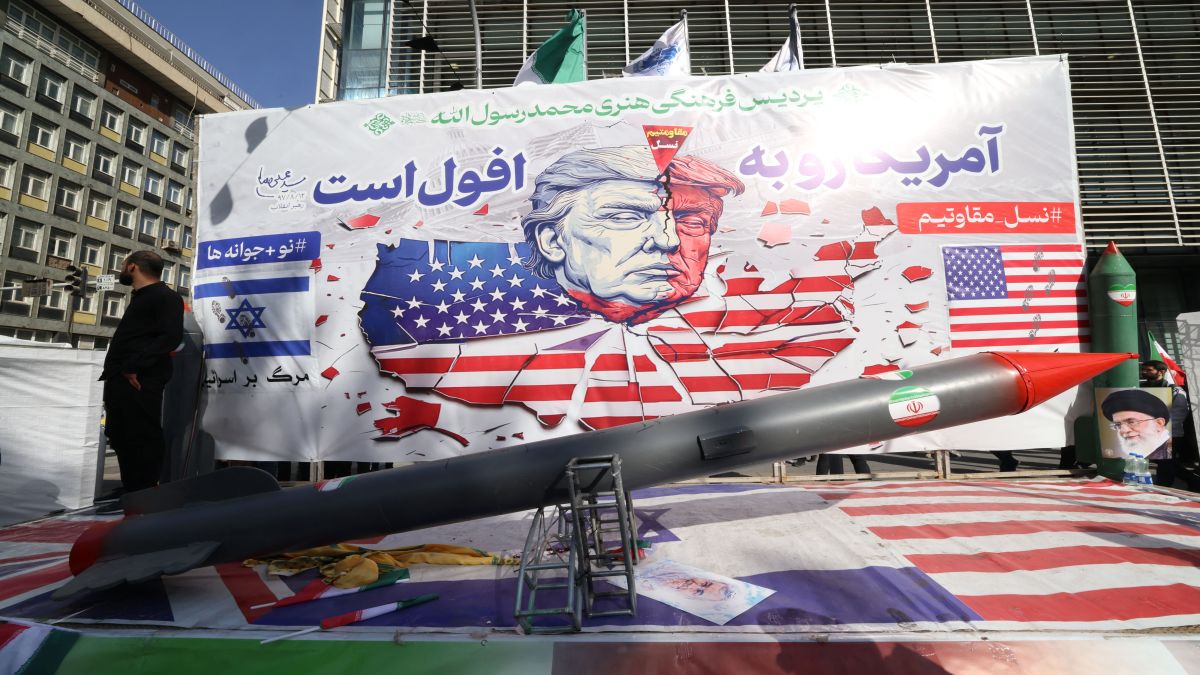 "‘Regime change not our goal’: Trump shifts Iran goalpost — with Ghalibaf in talks, Pahlavi in the wings")
 "Iran war is ending, but when? What Trump's speech answers and what it does not")
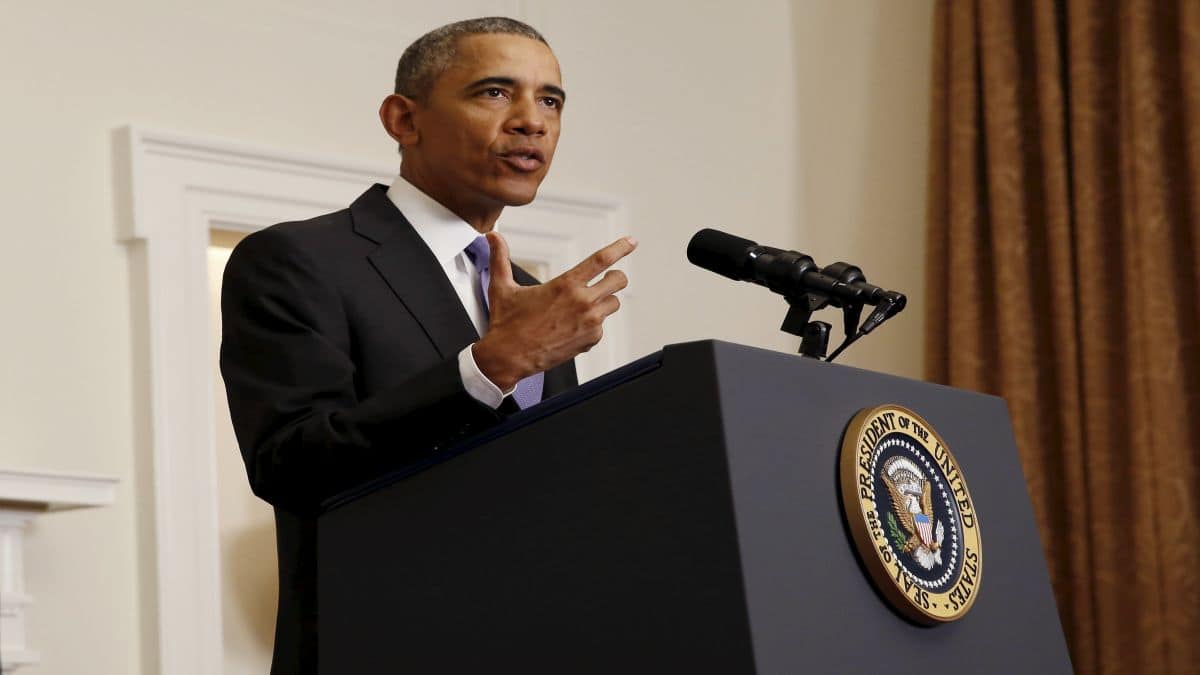
 "Did Obama send $1.7 billion in cash to Iran as Trump claims?")
 "Iran Israel War News Live: Iran vows 'crushing' attacks on US, Israel after Trump threatens to bomb country 'back to Stone Age'")
 "‘Regime change not our goal’: Trump shifts Iran goalpost — with Ghalibaf in talks, Pahlavi in the wings")
 "Iran war is ending, but when? What Trump's speech answers and what it does not")
 "Did Obama send $1.7 billion in cash to Iran as Trump claims?")