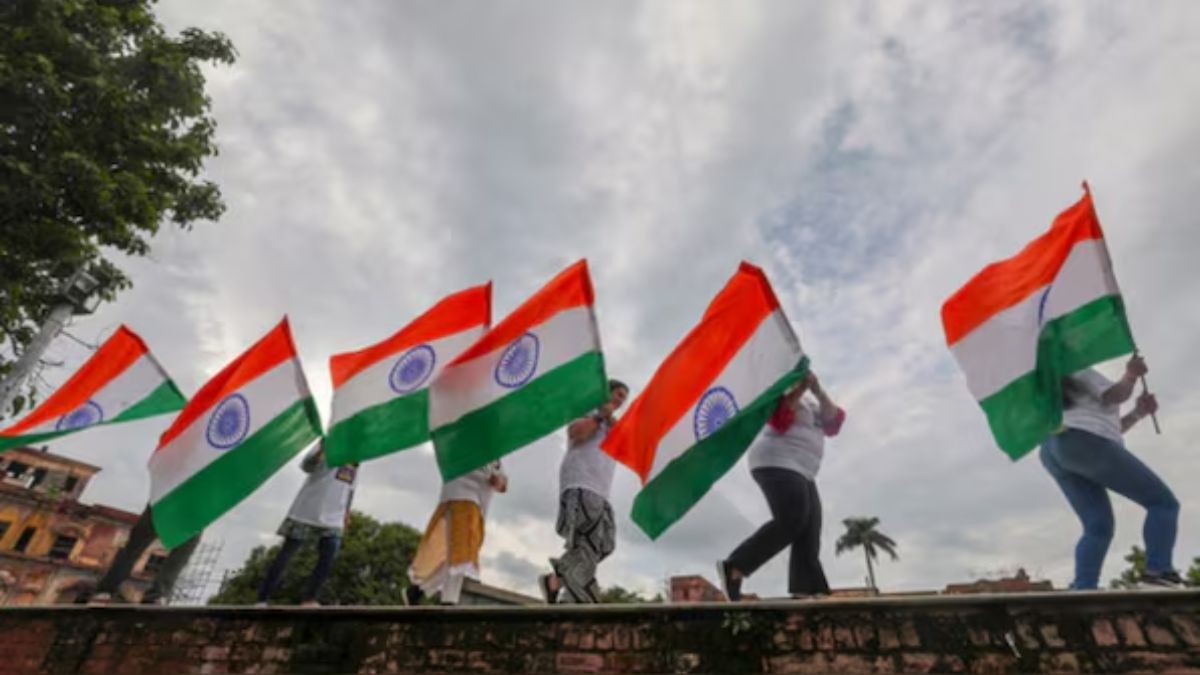
 "In graphics | Do you know why India and Pakistan celebrate I-Day on different dates?")
On August 15, 2025, India will mark its 79th Independence Day, a moment to reflect on the country’s long journey from colonial rule to becoming the world’s largest democracy.
It was on this day in 1947 that the Indian tricolour was hoisted for the first time at the ramparts of Delhi’s iconic Red Fort by the country’s first Prime Minister, Jawaharlal Nehru. The moment marked the end of nearly 200 years of British rule, ushering in a new era of freedom and self-governance.
Over the decades, the day has grown into a nationwide celebration of unity in diversity, resilience, and the shared aspirations of over a billion people.
Across the country, schools, offices, and neighbourhoods come alive with saffron, white, and green decorations. Kite-flying adds colour to the skies, symbolising the spirit of freedom.
But here’s a lesser-known nugget from history — the Indian Independence Act 1947 had set 15 August as the date for both India and Pakistan to gain freedom. However, Lord Mountbatten, India’s last British Viceroy, wanted to be present at both handover ceremonies.
To make that possible, Pakistan’s independence ceremony in Karachi was held a day earlier, on 14 August 1947, followed by India’s on 15 August.
As India celebrates its 78 years of Independence tomorrow, it’s worth remembering such fascinating chapters from the nation’s freedom story. Here’s a closer look


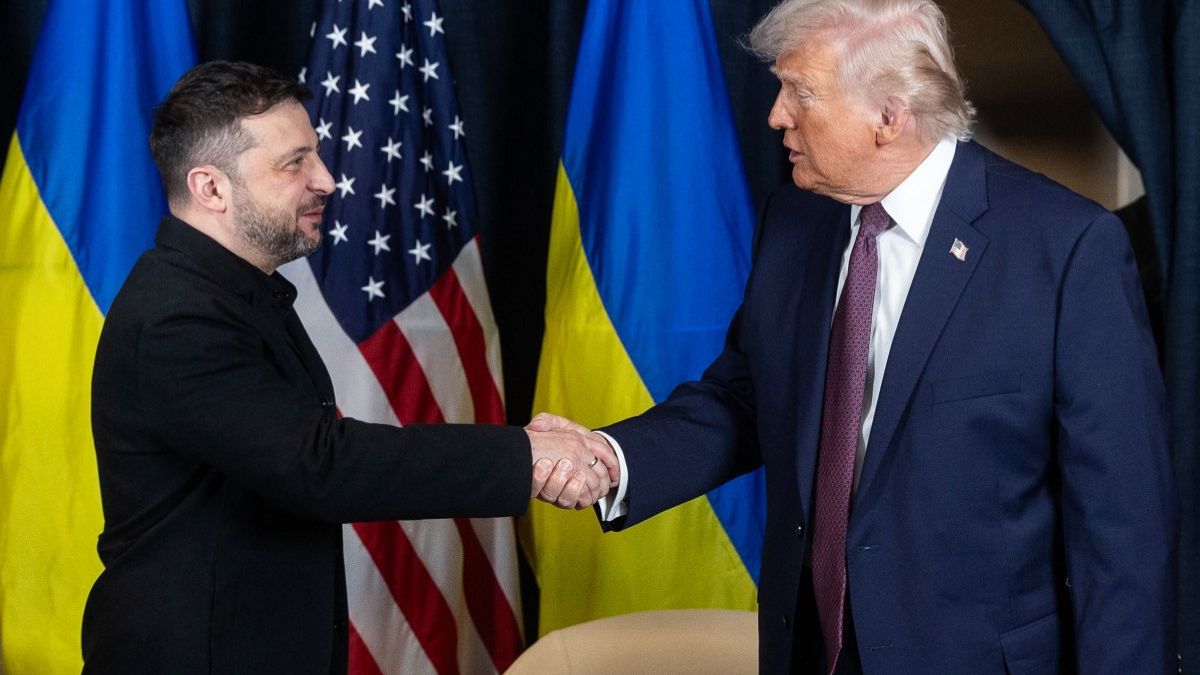 "UAE to host first 'trilateral' talks between Ukraine, US and Russia, says Zelenskyy")
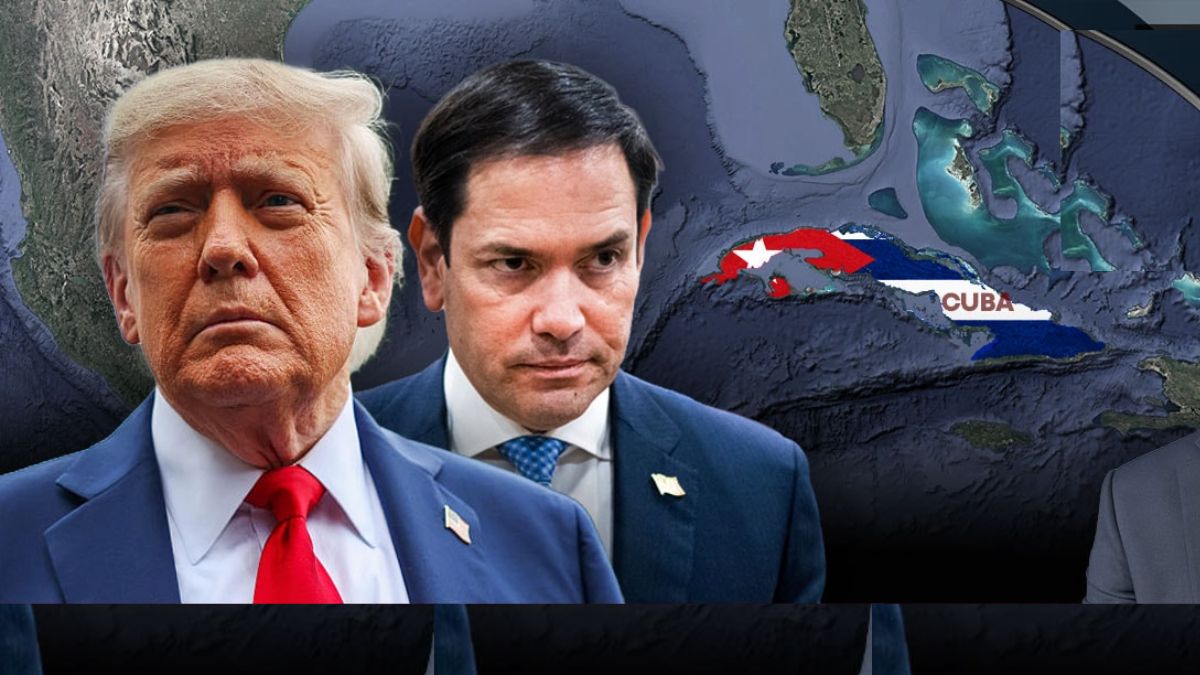 "Trump finds new raid target? Report says US actively seeking regime change in Cuba by 2026-end")
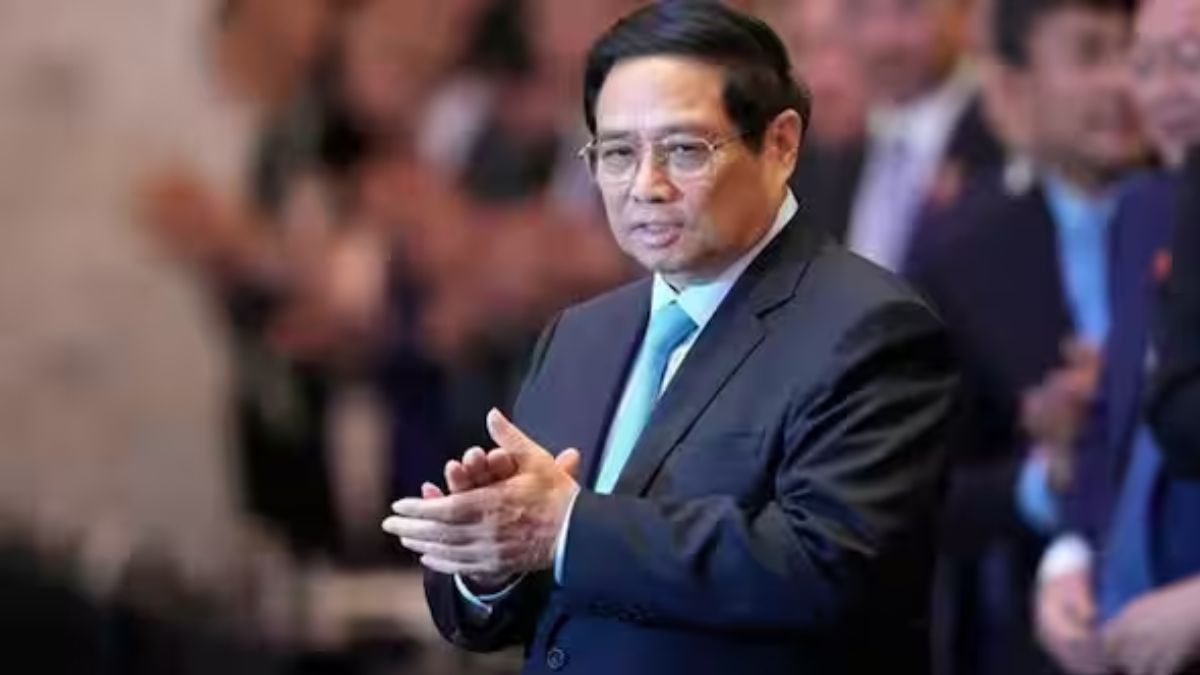 "Power shift in Hanoi: Vietnam party list hints PM and president losing clout")
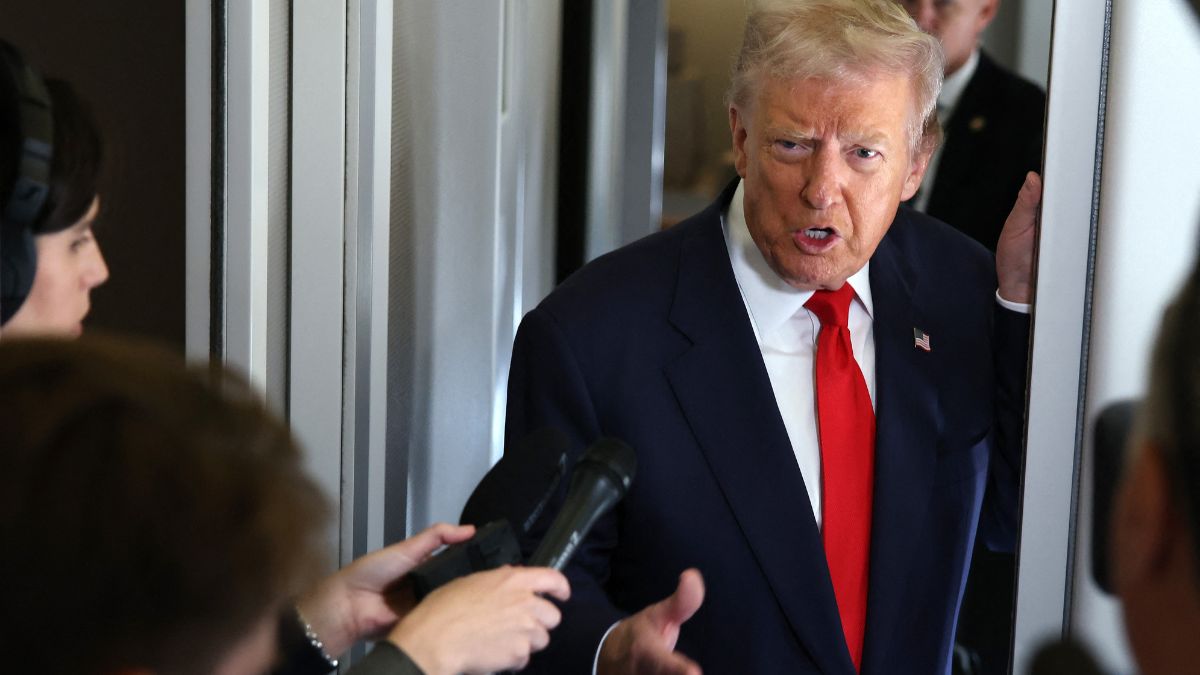 "Can Trump’s Board of Peace replace the United Nations?")
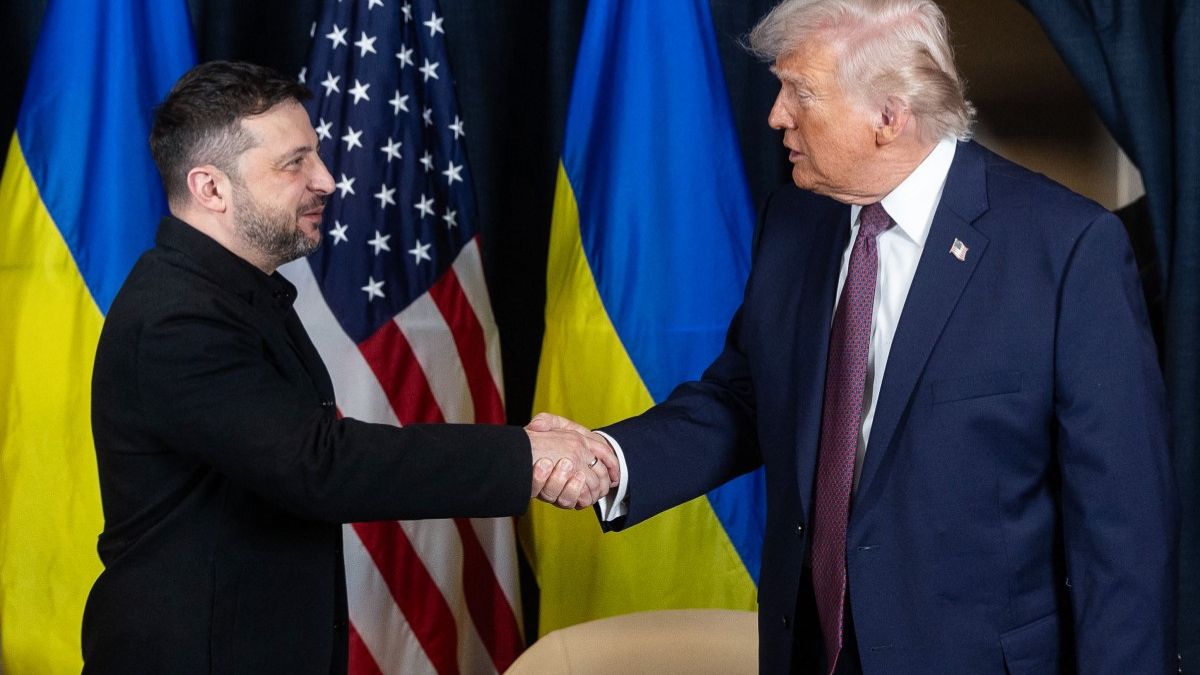 "UAE to host first 'trilateral' talks between Ukraine, US and Russia, says Zelenskyy")
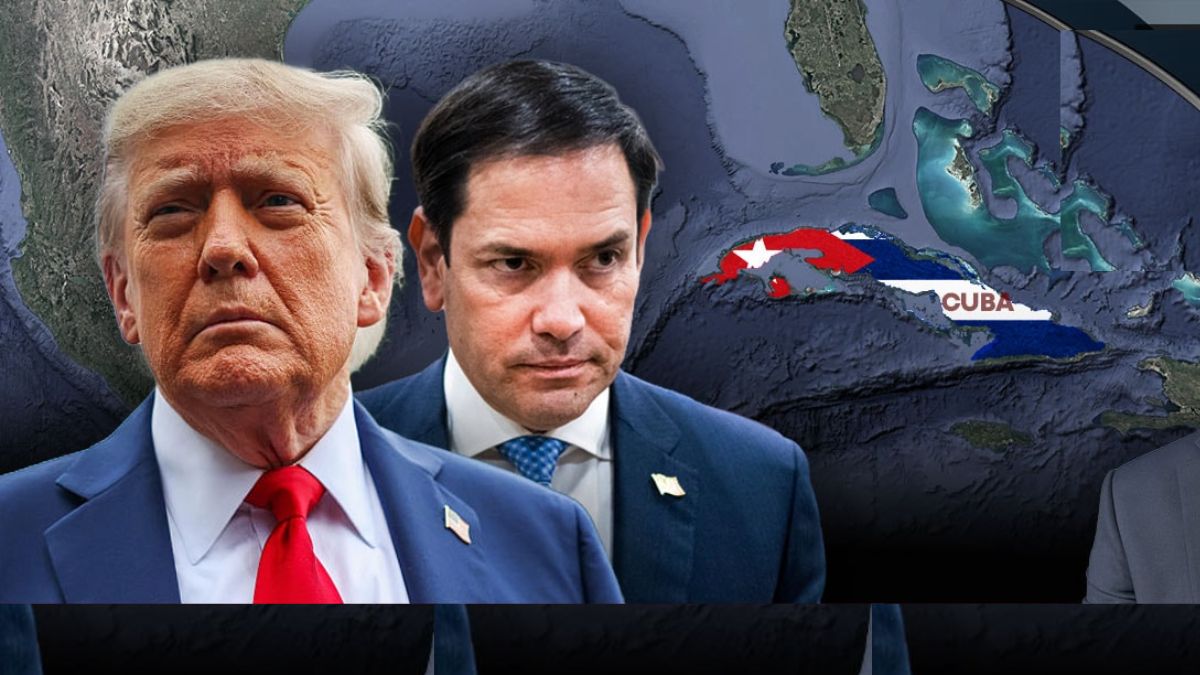 "Trump finds new raid target? Report says US actively seeking regime change in Cuba by 2026-end")
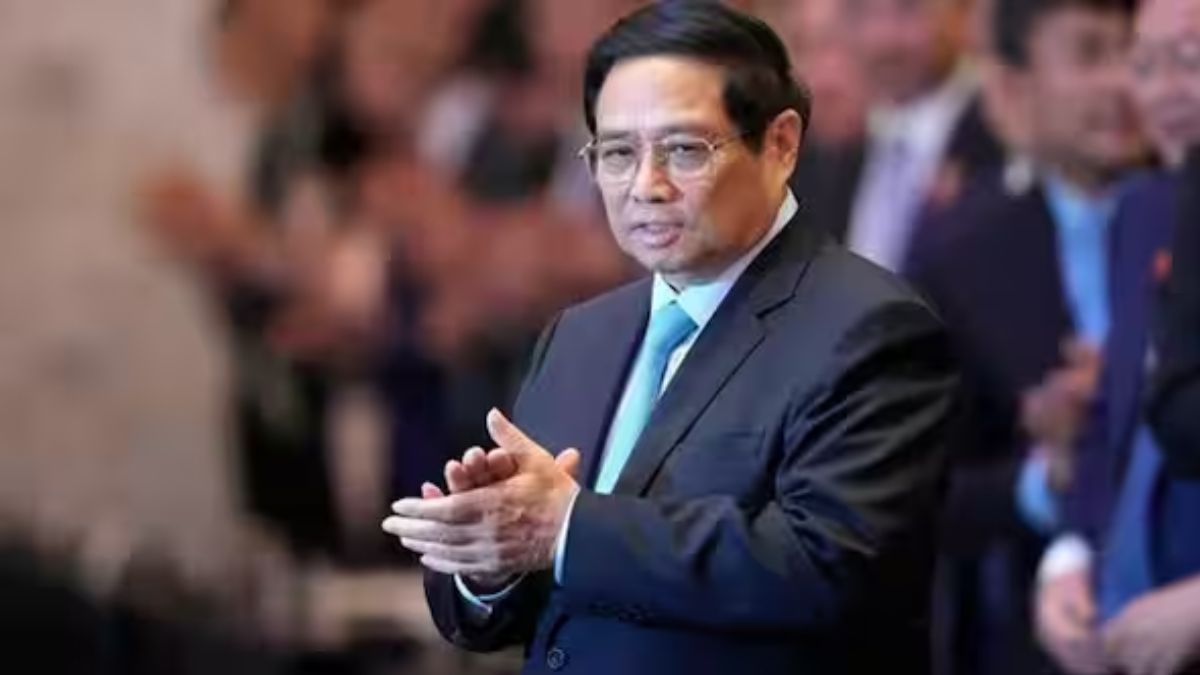 "Power shift in Hanoi: Vietnam party list hints PM and president losing clout")
 "Can Trump’s Board of Peace replace the United Nations?")