

 "How Iran benefits from sending ballistic missiles to Russia")
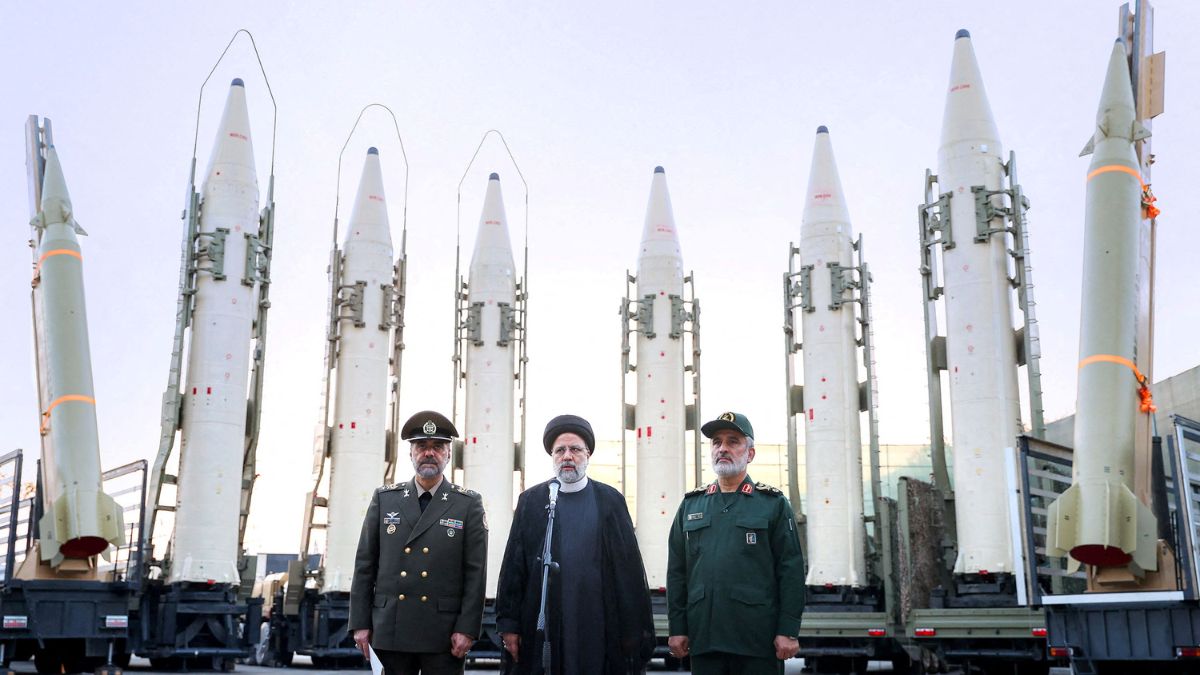
Iran has reportedly delivered short-range ballistic missiles (CRBMs) to Russia, marking an escalation in Tehran’s support for Moscow’s military efforts against the latter’s ongoing war in Ukraine.
United States Secretary of State Antony Blinken confirmed that Iran has sent these missiles, including the Fateh-110, Fateh-360 and Zolfaghar, which have ranges between 300 km and 700 km. This transfer is expected to provide Russia with vital military aid as it continues its assault on Ukraine.
Is Iran supplying ballistic missiles to Russia
The US Department of the Treasury corroborated Blinken’s claims, revealing that Russia received the first shipment of these Iranian missiles in early September 2024.
Satellite imagery from Maxar Technologies showed the Russian vessel Port Olya 3 which reportedly transported the missiles from Iran’s port of Amirabad to Russia’s Astrakhan, raising global concerns about this military partnership.
Reports suggest that Russia has yet to deploy these Iranian-made missiles in combat, although Moscow has already begun training its forces to use the systems.
The Fateh-110, capable of carrying a 500 kg payload, and the Zolfaghar, which can carry heavy warheads up to 700 km, are set to supplement Russia’s aerial and land-based assaults on Ukrainian territory.
Impact Shorts
More ShortsUkrainian officials, citing spokesperson Yurii Ihnat, have expressed concern that their current air defences are incapable of intercepting ballistic missiles such as the Iskander-M or the Fateh-110.
How does Iran benefit from sending ballistic missiles to Russia?
For Tehran, sending ballistic missiles to Russia has both immediate and long-term benefits. According to the Atlantic Council, Iran has sought advanced Russian military technology, including the Su-35 fighter jets and S-400 air defence systems, for years.
While Moscow has been hesitant to transfer these technologies — partly due to its need to maintain relationships with Iran’s regional rivals like Saudi Arabia — Tehran’s missile deliveries may now offer it significant leverage. A closer Russia-Iran military partnership could increase Tehran’s chances of receiving such weapons and other advanced technologies.
According to an August report by researchers Hanna Notte and Jim Lamson from the James Martin Center for Nonproliferation Studies, Iran could also be eyeing other weapons systems from Russia.
If Russia eventually supplies these technologies, it will be seen as proof of Iran’s increasing influence over Moscow. Iran is also interested in bolstering its space program, and there have been reports that Russia is sharing valuable space and nuclear-related information with Tehran.
Russia’s dependency on Iranian military hardware has grown significantly since 2022, with Iran already supplying Russia with thousands of Shahed-136 drones. These drones played a critical role in Russia’s devastating attacks on Ukraine’s energy infrastructure, especially during the winter of 2022.
The addition of ballistic missiles gives Moscow the ability to target critical civilian and military infrastructure with even more precision and destruction.
How do Iran’s ballistic missiles help Russia?
The key advantage for Russia in using Iranian missiles lies in their cost-effectiveness. In its nationwide assaults, Moscow has used combinations of air-, land-, and sea-based systems, costing the Kremlin approximately $1.3 billion per offensive.
The high cost of Russian missiles, ranging from $500,000 to $13 million per unit, has pushed Moscow to seek cheaper alternatives. The Fateh-110, priced at $110,000, and the Zolfaghar, at $150,000, allow Russia to launch large-scale strikes at a fraction of the cost.
By replacing its more advanced missile systems, such as the KH-101, Kalibr, and Kinzhal, with Iranian variants, Russia can conserve its high-value arsenal for strategic, high-profile targets. Moreover, these Iranian missiles, while less advanced, can still cause significant damage if Ukraine’s air defences are overwhelmed.
As noted by the Institute for the Study of War (ISW), these Iranian weapons are likely to be used against Ukraine’s energy, military, and civilian infrastructure in the coming months. Moscow will likely continue targeting Ukraine’s power grid during the winter, exacerbating the humanitarian crisis and putting immense pressure on the Ukrainian government.
As Ukrainian Air Force spokesperson Ihnat warned, no air defence system can successfully intercept hundreds of incoming ballistic missiles. The US Patriot missile defence system, considered one of the best in the world, can only fire 16 interceptors at once, with each missile interceptor costing $3.7 million.
This economic disparity is a major reason Russia prefers the inexpensive Iranian missiles for ongoing strikes, particularly targeting Ukraine’s power grid during the colder months.
Does Russia risk its ties with Gulf nations by scheming with Iran?
While Iran benefits from increased military cooperation with Russia, it is not without risks. Russia’s relationship with key Gulf states, including Saudi Arabia and the United Arab Emirates, could be affected if Moscow is seen as aligning too closely with Tehran.
Both Russia and Iran are under Western sanctions and must sell their oil at a discount. Should Saudi Arabia and other OPEC+ members view Russia as a firm Iranian ally, they might retaliate by increasing oil production, driving prices down — a scenario that would harm both Moscow and Tehran economically.
However, Iran’s strategy appears to be less about taking direct military action and more about empowering its proxies. Tehran has a history of using militias such as Hezbollah, the Houthis, and other Shia forces to pursue its geopolitical interests without direct involvement.
Also Read: How deadly are Fath-360, the missiles Iran reportedly sent to Russia?
Similarly, Russia’s war against Ukraine serves Tehran’s broader agenda by diverting Western attention and resources away from Iran, reducing the focus on the Islamic Republic’s regional activities and nuclear ambitions.
A major concern for Iran is the potential outcome of the war in Ukraine. Should Russia lose the conflict, Tehran fears that the United States and its allies will turn their focus to confronting Iran more directly.
Consequently, Iran’s provision of drones and missiles can be seen as a strategic investment to prolong the war, ensuring that Western resources remain tied up in Europe rather than being redirected to the Middle East.
How has US and NATO reacted to the move?
In response to the missile deliveries, the US and its allies have imposed additional sanctions on Iran and Russia. The US Treasury announced sanctions against Iranian and Russian individuals, companies, and entities, including Iran Air, which has been involved in transporting weapons.
Iran’s provision of ballistic missiles in direct support of Russia’s war against Ukraine is a threat to European and global security. Today, @StateDept and @USTreasury are imposing sanctions on individuals and entities supporting such activities.
— Secretary Antony Blinken (@SecBlinken) September 11, 2024
Iranian officials have repeatedly denied supplying ballistic missiles to Russia, with Iranian Foreign Minister Seyed Abbas Araghchi posting on X (formerly Twitter): “Iran has NOT delivered ballistic missiles to Russia. Period.”
Once again, US and E3 act on faulty intelligence and flawed logic
— Seyed Abbas Araghchi (@araghchi) September 11, 2024
- Iran has NOT delivered ballistic missiles to Russia. Period
- Sanction addicts should ask themselves: how is Iran able to make & supposedly sell sophisticated arms?
Sanctions r NOT a solution, but part of problem
Nonetheless, the sanctions have heightened diplomatic tensions. The Ukrainian Foreign Ministry summoned Iran’s charge d’affaires, warning of “devastating and irreparable consequences” for relations between Kyiv and Tehran if the reports were confirmed.
Will this move allow Ukraine to strike within Russia with US-supplied missiles?
Meanwhile, Ukrainian President Volodymyr Zelenskyy continues to pressure Western allies for more air defence systems and to relax restrictions on using Western-supplied missiles against Russian targets.
The new missile deliveries also challenge Western policies regarding Ukraine’s use of long-range missiles against Russian territory. US and UK officials have been reluctant to grant Kyiv permission to strike inside Russia, fearing that such actions could escalate the war.
As US Secretary of State Blinken noted, Russia’s actions constitute a significant escalation in the war. The question now is whether this will push the US and its European allies to reconsider their stance on allowing Ukraine to strike deeper into Russian territory using Western-supplied weapons.
With inputs from agencies

 "Russian drones over Poland: Trump’s tepid reaction a wake-up call for Nato?")
 "As Russia pushes east, Ukraine faces mounting pressure to defend its heartland")
 "Why Mossad was not on board with Israel’s strike on Hamas in Qatar")
 "Turkey: Erdogan's police arrest opposition mayor Hasan Mutlu, dozens officials in corruption probe")
 "Russian drones over Poland: Trump’s tepid reaction a wake-up call for Nato?")
 "As Russia pushes east, Ukraine faces mounting pressure to defend its heartland")
 "Why Mossad was not on board with Israel’s strike on Hamas in Qatar")
 "Turkey: Erdogan's police arrest opposition mayor Hasan Mutlu, dozens officials in corruption probe")



