

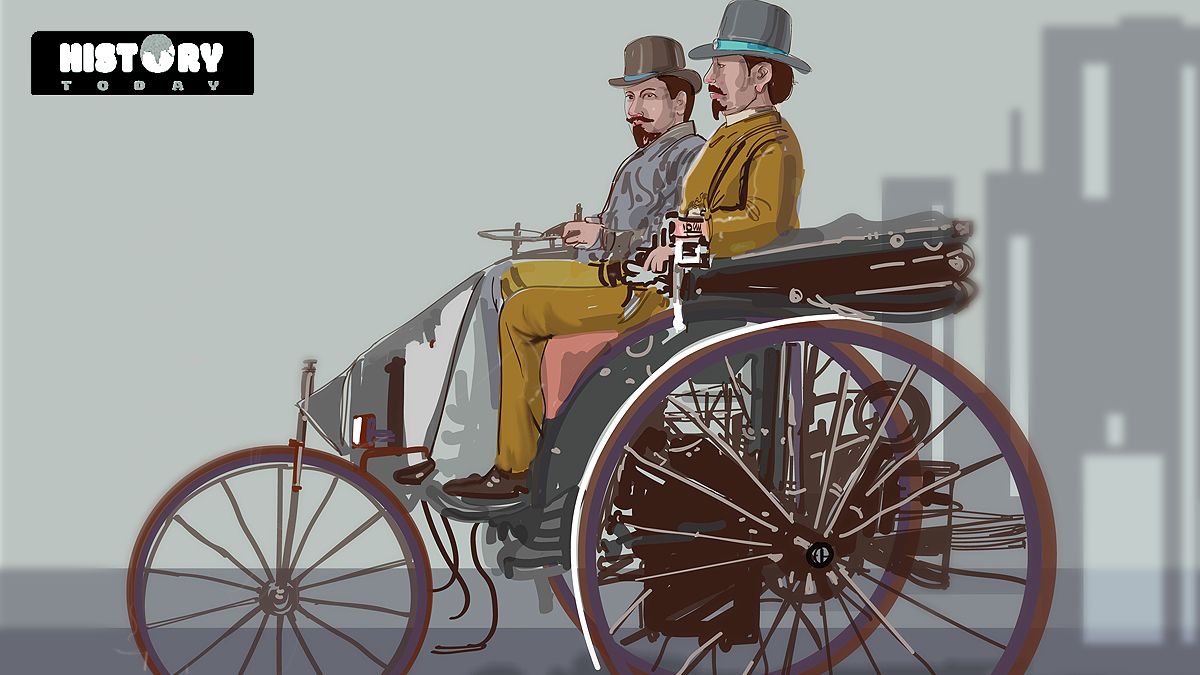
 "History Today: When the world’s first car got its ‘birth certificate’ in 1886")
Today marks the anniversary of the automobile’s ‘birth certificate’ - the Benz Patent Motor Car. On this day in 1886, Karl Benz applied for a patent for his revolutionary creation, the Benz Patent Motor Car, Model No. 1, which is recognised as the world’s first automobile.
For those interested in history, Firstpost Explainers’ ongoing series, History Today , provides a great resource to delve into key moments from the past.
On January 29, 1780, India’s first newspaper, ‘Hicky’s Bengal Gazette’, was launched by Ireland-born James Augustus Hicky. Also, on this day in 2002, former US President George W Bush coined the term “axis of evil,” referring to three countries - North Korea, Iran, and Iraq.
On this day in 2012, Novak Djokovic and Rafael Nadal battled it out in the 2012 Australian Open final. This epic match became the longest final in Grand Slam history, lasting an incredible five hours and 53 minutes.
Let’s take a look:
World’s first car gets its ‘birth certificate’
On January 29, 1886, Karl Benz filed a patent application for his revolutionary creation, the Benz Patent Motor Car, Model No. 1. This invention, widely regarded as the world’s first automobile, marked the dawn of a new era in transportation.
The patent document, numbered 37435, is often seen as the official birth certificate of the automobile. It described the first vehicle powered by an internal combustion engine with electric ignition.
The three-wheeled vehicle presented an innovative, integrated design, with the engine, chassis, and drive components working in harmony as a single unit.
Remarkably efficient for its time, the car required aboutbten litres of gasoline to travel 100 kilometres. The braking system featured a hand lever acting on the countershaft belt pulley.
Impact Shorts
More ShortsIndia’s first newspaper: Hicky’s Bengal Gazette
On January 29, 1780, the first edition of Hicky’s Bengal Gazette was published by James Augustus Hicky, an Irishman residing in Kolkata (then Calcutta), the capital of British India.
This weekly English-language publication is recognised as India’s first newspaper.
On This Day: On January 29, 1780, the first Indian newspaper, ‘Hickey's Bengal Gazette’ was published in Kolkata. Today, the date is recognised as ‘Indian Newspaper Day’#Onthisday #January29 #Inspire #News #Newspaper #BengalGazette #India #Asia #Indian #IndianGazette #TOI pic.twitter.com/36LCpEQuK2
— Diplomacy & Beyond Plus (@diplomacybeyond) January 29, 2019
The publication described itself as “a weekly political and commercial paper, open to all parties but influenced by none.”
While primarily catering to the British community in Calcutta, it was known for its coverage of gossip and controversial events. Nonetheless, Hicky’s Bengal Gazette also played a crucial role in exposing government corruption, addressing civic issues, and critiquing the British East India Company.
The rising prominence of the paper led to backlash from powerful figures, including Governor General Warren Hastings and missionary Johann Zacharias Kiernander, who filed multiple libel suits against Hicky. He was convicted on some charges and imprisoned, which eventually led to his financial ruin.
Hicky continued publishing his newspaper from jail for nine months before being sued again by Hastings. By March 1782, the Supreme Court ordered the seizure of his printing press, bringing an end to Hicky’s Bengal Gazette.
George W Bush introduces ‘axis of evil’
During his State of the Union address on this day in 2002, then-US President George W Bush introduced the term “axis of evil” to describe North Korea, Iran, and Iraq. He identified these nations as rogue states that, he asserted, harboured, financed, and supported terrorists.
#SOTU Flashback – 2002– Pres. George W. Bush on North Korea, Iran & Iraq: "States like these, and their terrorist allies, constitute an axis of evil, arming to threaten the peace of the world. By seeking weapons of mass destruction, these regimes pose a grave and growing danger." pic.twitter.com/N2qhhwYzuC
— CSPAN (@cspan) February 7, 2023
The speech, delivered over a year into Bush’s presidency and several months after the start of the “War on Terror,” sought to point out what he viewed as the primary threats to the United States. Bush described these three countries as part of a vast and dangerous network of players threatening global stability.
The phrase “axis of evil” was reportedly crafted by David Frum, a speechwriter for Bush, to evoke comparisons between modern-day threats and the Axis powers of World War II.
The longest Grand Slam final: Djokovic vs Nadal
On January 29, 2012, Novak Djokovic and Rafael Nadal faced off in the Australian Open final, delivering an epic match that became the longest Grand Slam final in history.
The match between the two players often considered among the greatest in tennis lasted an extraordinary five hours and 53 minutes.
Djokovic, who ranked No.1 at the time, defeated Nadal with a scoreline of 5-7, 6-4, 6-2, 6-7(5), 7-5 in what remains one of the most memorable matches in tennis history.
After sealing the victory with a winning forehand, Djokovic fell to the ground in celebration, tore off his shirt, and climbed into the stands to rejoice with his team.
This Day, That Year
1891: Lili‘uokalani was sworn in as the first and only queen of the Hawaiian Kingdom after the death of her brother, King Kalakaua.
1924: Carl Rutherford Taylor from Cleveland patented the world’s first machine for rolling ice cream cones.
1954: Oprah Winfrey, who would become one of the most influential talk show hosts, was born.
1979: The Tamil Nadu Express, India’s first two-engined jumbo train, began its journey from New Delhi to Madras.
1995: The San Francisco 49ers became the first NFL team to win five Super Bowl titles, defeating the San Diego Chargers 49-26 in Super Bowl XXIX.
2006: Irfan Pathan made history as the first bowler to take a hat-trick in the first over of a Test match.
With inputs from agencies

 "Russian drones over Poland: Trump’s tepid reaction a wake-up call for Nato?")
 "As Russia pushes east, Ukraine faces mounting pressure to defend its heartland")
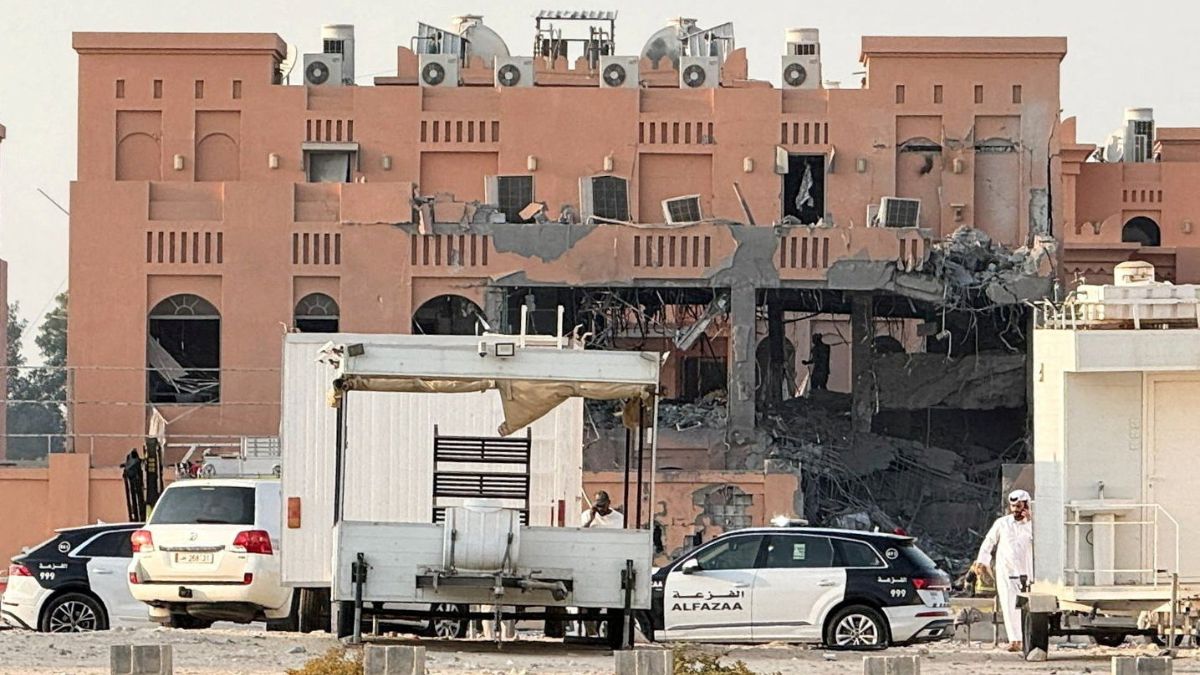 "Why Mossad was not on board with Israel’s strike on Hamas in Qatar")
 "Turkey: Erdogan's police arrest opposition mayor Hasan Mutlu, dozens officials in corruption probe")
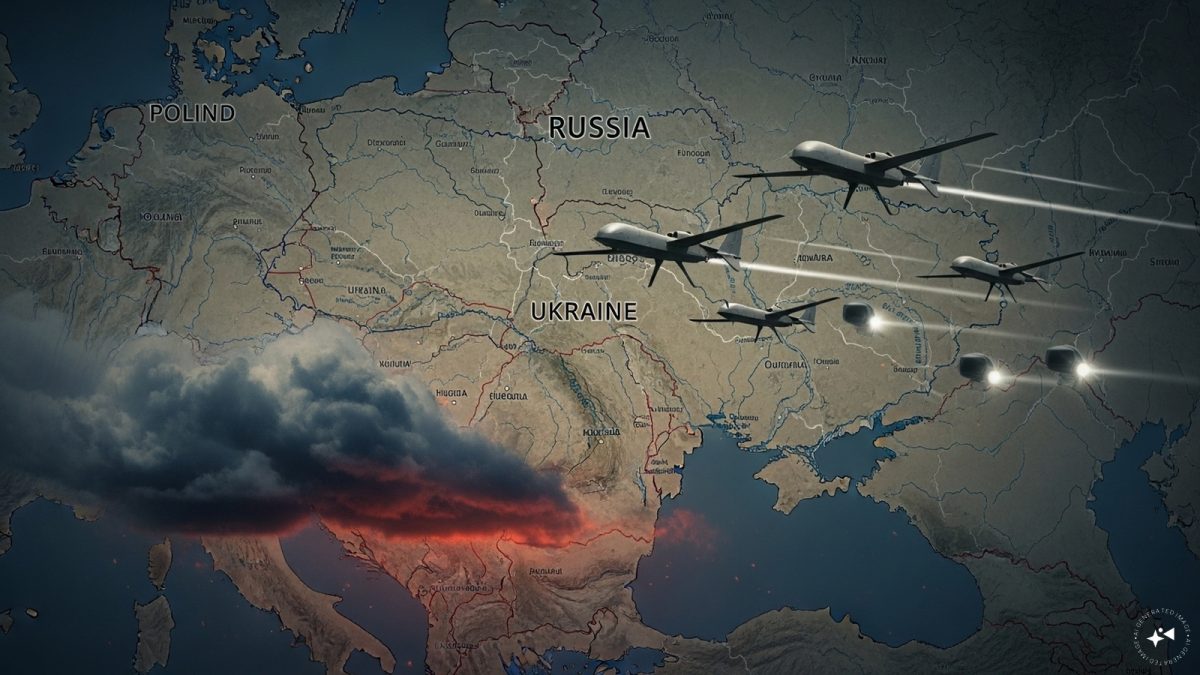 "Russian drones over Poland: Trump’s tepid reaction a wake-up call for Nato?")
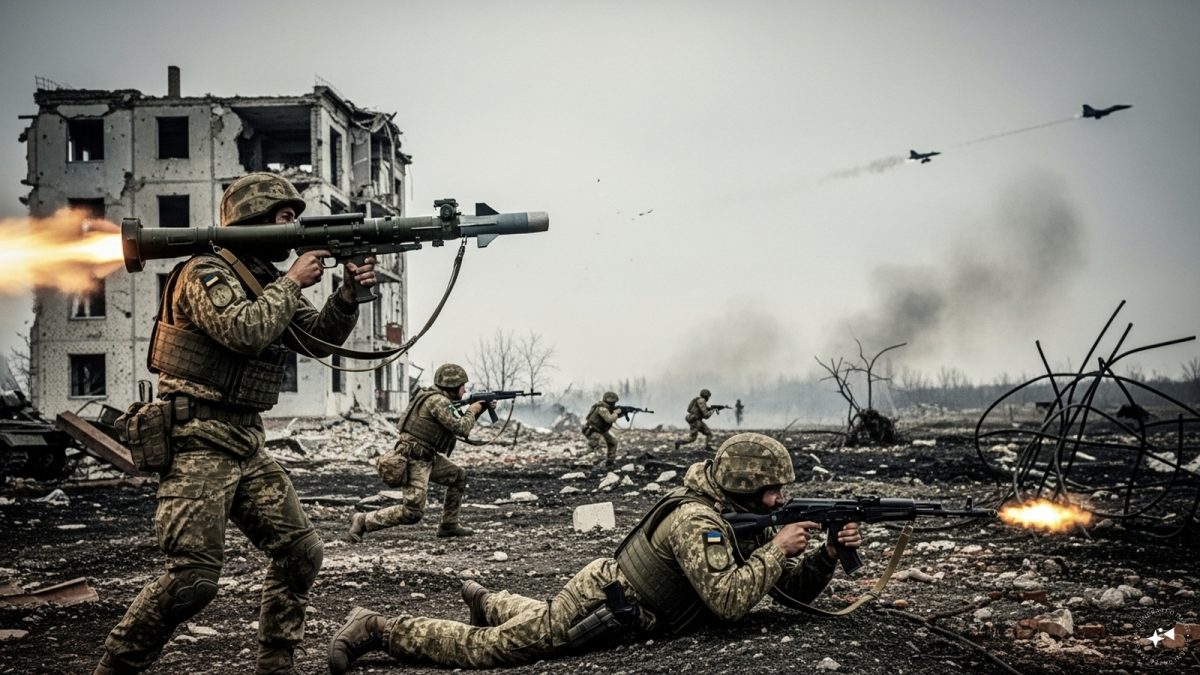 "As Russia pushes east, Ukraine faces mounting pressure to defend its heartland")
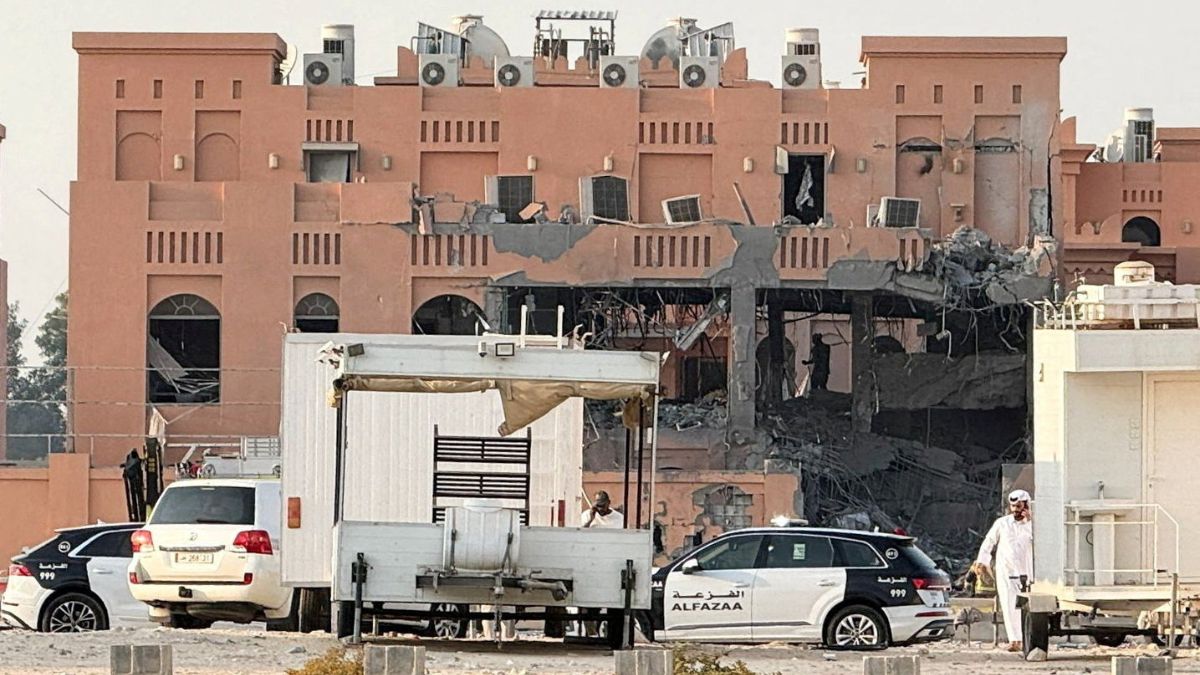 "Why Mossad was not on board with Israel’s strike on Hamas in Qatar")
 "Turkey: Erdogan's police arrest opposition mayor Hasan Mutlu, dozens officials in corruption probe")



