

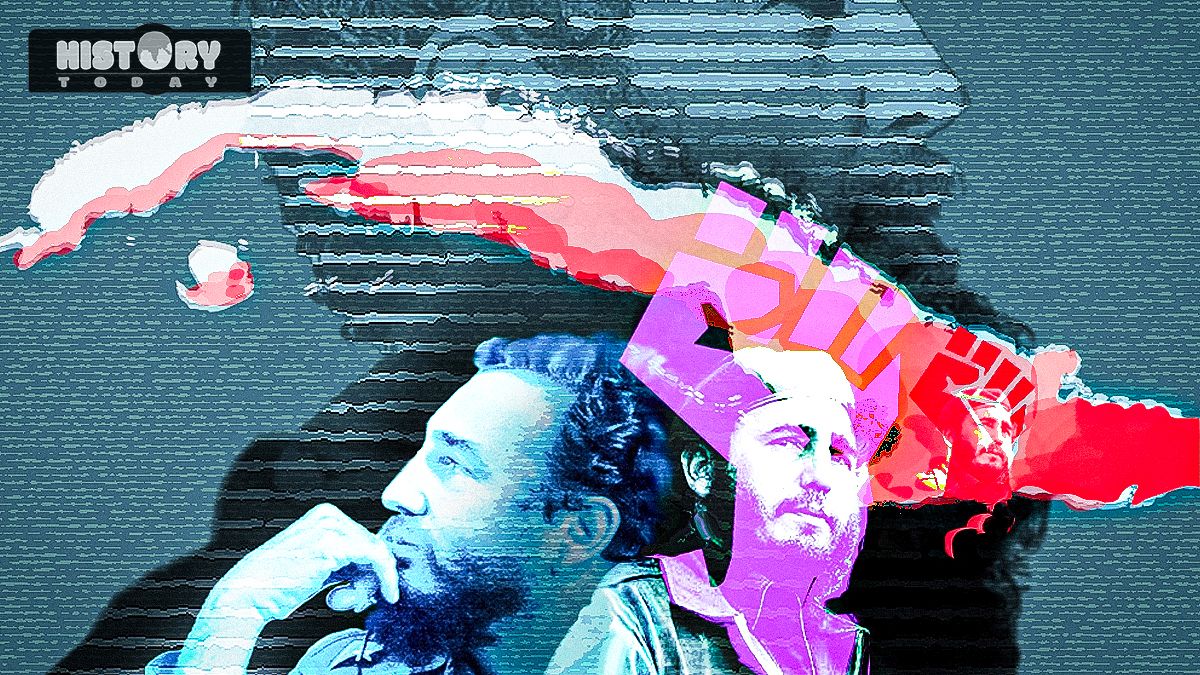
 "History Today: When Fidel Castro was sworn in as Cuba’s youngest premier")
On February 16, 1959, Fidel Castro took office as Cuba’s premier after leading a guerrilla movement that forced dictator Fulgencio Batista to flee the country. Following Batista’s ousting on January 1, Castro assumed the role of commander in chief of Cuba’s armed forces and later replaced Miro Cardona as the head of the nation’s provisional government.
Firstpost Explainers’ ongoing series, History Today , revisits this and other important events that took place on this date.
On February 16, 1985, three years after its formation, the Lebanese group Hezbollah unveiled its manifesto, with spokesman Sheikh Ibrahim al-Amin reading it out at the al-Ouzai Mosque in west Beirut. Also on this day in 1923, English archaeologist Howard Carter unsealed the burial chamber of King Tutankhamun’s newly discovered tomb in Egypt.
Let’s take a closer look at these events:
Fidel Castro becomes Cuba’s youngest president
On February 16, 1959, Fidel Castro was sworn in as Cuba’s youngest-ever premier, six weeks after dictator Fulgencio Batista resigned and fled into exile.
Castro became involved in revolutionary politics as a student and, in 1947, joined Dominican exiles and Cuban activists in a failed attempt to overthrow Dominican dictator Rafael Trujillo. During this period, his most defining political stance was his anti-American views, though he had not yet openly embraced Marxism.
In 1951, he stood as a candidate for the Cuban House of Representatives under the reformist Ortodoxo Party. However, before the elections took place, Batista seized power in a bloodless coup.
Impact Shorts
More ShortsSeveral groups emerged in opposition to Batista’s rule. On July 26, 1953, Castro led around 160 men in a desperate assault on the Moncada military barracks in Santiago de Cuba, hoping to cause a mass uprising. Most of his men were killed, and Castro was captured.
During his trial, he delivered a fiery defence before being sentenced to 15 years in prison. In 1955, he and his brother Raúl were freed under a political amnesty and left for Mexico, where they organised Cuban exiles into the revolutionary 26th of July Movement.
In December 1958, the movement’s forces, led by Che Guevara, attacked Santa Clara, causing Batista’s troops to collapse. Batista fled to the Dominican Republic on January 1, 1959.
With fewer than 1,000 fighters remaining, Castro seized control of the Cuban government’s 30,000-strong army.
Hezbollah presents its first manifesto
On February 16, 1985, Hezbollah formally introduced itself through ‘The Hizballah Program’, also known as ‘An Open Letter to All the Oppressed in Lebanon and the World’.
The group’s spokesman Sheikh Ibrahim al-Amin read the manifesto at the al-Ouzai Mosque in west Beirut, and it was simultaneously published in al-Safir.
The document laid out Hezbollah’s ideological framework, calling for the expulsion of Americans, the French, and their allies from Lebanon to eliminate foreign influence.
It also called for all Lebanese citizens to have the freedom to determine their future government, promoting an Islamic system as a means of ensuring justice and preventing foreign intervention.
The manifesto identified Ayatollah Khomeini as Hezbollah’s leader and urged Christians to convert to Islam.
It also described Israel as the “vanguard of the United States in our Islamic world.” Hezbollah openly announced that it feared only God and would not accept injustice, aggression, or humiliation.
The original 1985 manifesto outlined Hezbollah’s goals and named its adversaries, which included the Phalanges, Israel, France, and the United States.
The tomb of King Tut is discovered
On February 16, 1923, archaeologist Howard Carter unsealed the burial chamber of Egyptian ruler King Tutankhamun, revealing his coffin.
Carter first arrived in Egypt in 1891 and was convinced that at least one tomb remained undiscovered - that of the little-known Tutankhamun, or King Tut, who lived around 1400 BC and died in his teens.
In November 1922, his search finally provided results when his team discovered a staircase buried beneath debris near another tomb’s entrance. These steps led to a sealed doorway inscribed with Tutankhamun’s name.
The excavation team proceeded to examine the tomb’s four chambers, and on February 16, 1923, in the presence of senior officials, Carter opened the final section.
On this day in 1923, British archaeologist Howard Carter and his team uncovered the tomb of Egypt's young king, Tutankhamun. This discovery would become the most iconic unearthing of a pharaoh’s tomb in history. Here are 16 breathtaking photos from that remarkable find. 1/17 pic.twitter.com/Kp7SDerJPk
— The Paperclip (@Paperclip_In) November 4, 2024
The tomb’s spotless condition made it the most complete pharaonic burial site ever found in the Valley of the Kings.
It contained a wealth of artefacts, including gilded shrines, jewellery, sculptures, a chariot, weapons, and garments. However, the most extraordinary discovery was the well-preserved mummy - the first of its kind to be found.
The treasures were systematically documented and extracted, later forming part of the “Treasures of Tutankhamun” exhibition. Today, these artefacts are housed in the Egyptian Museum in Cairo.
This Day, That Year
1944: Dadasaheb Phalke, the pioneering Indian filmmaker known as the “father of Indian cinema,” passed away.
1968: The first official “911” emergency call was made in the United States.
1990: Canadian pop star and Grammy Award-winning artist, The Weeknd, was born.
2013: Lionel Messi scored his 300th goal for Barcelona in his 365th appearance.
2019: India’s first high-speed Vande Bharat train suffered a malfunction on its return journey from Delhi to Varanasi.
2024: Russia’s prison agency announced the death of opposition leader Alexei Navalny at an Arctic penal colony.

 "Russian drones over Poland: Trump’s tepid reaction a wake-up call for Nato?")
 "As Russia pushes east, Ukraine faces mounting pressure to defend its heartland")
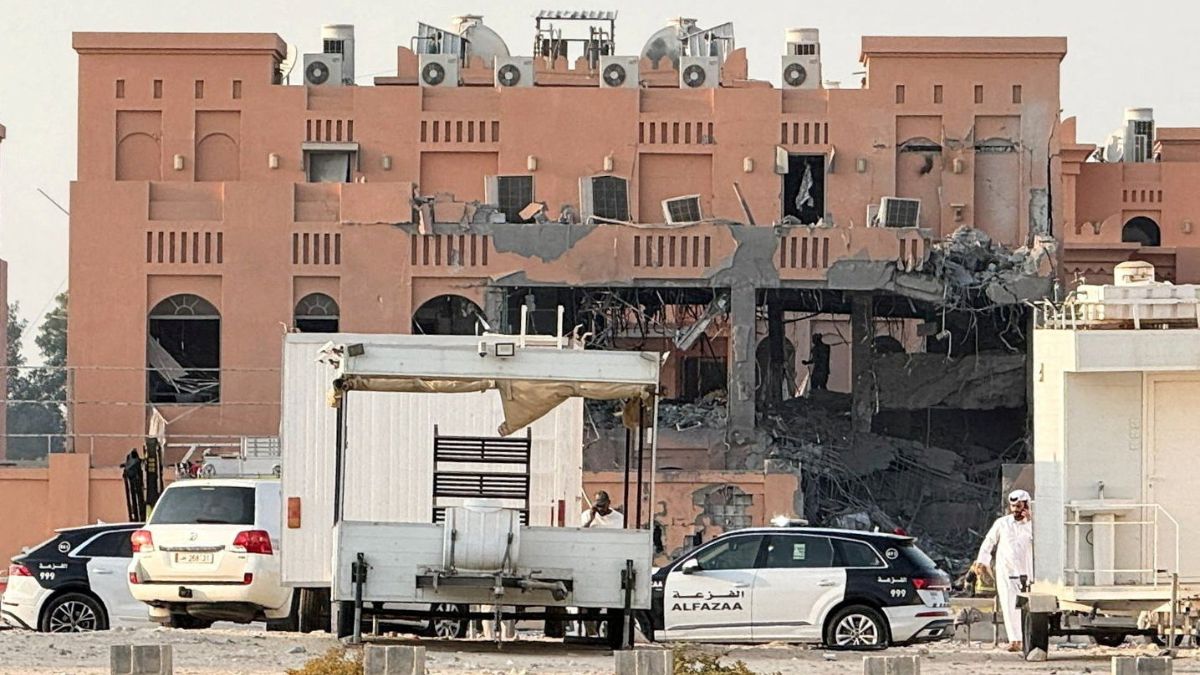 "Why Mossad was not on board with Israel’s strike on Hamas in Qatar")
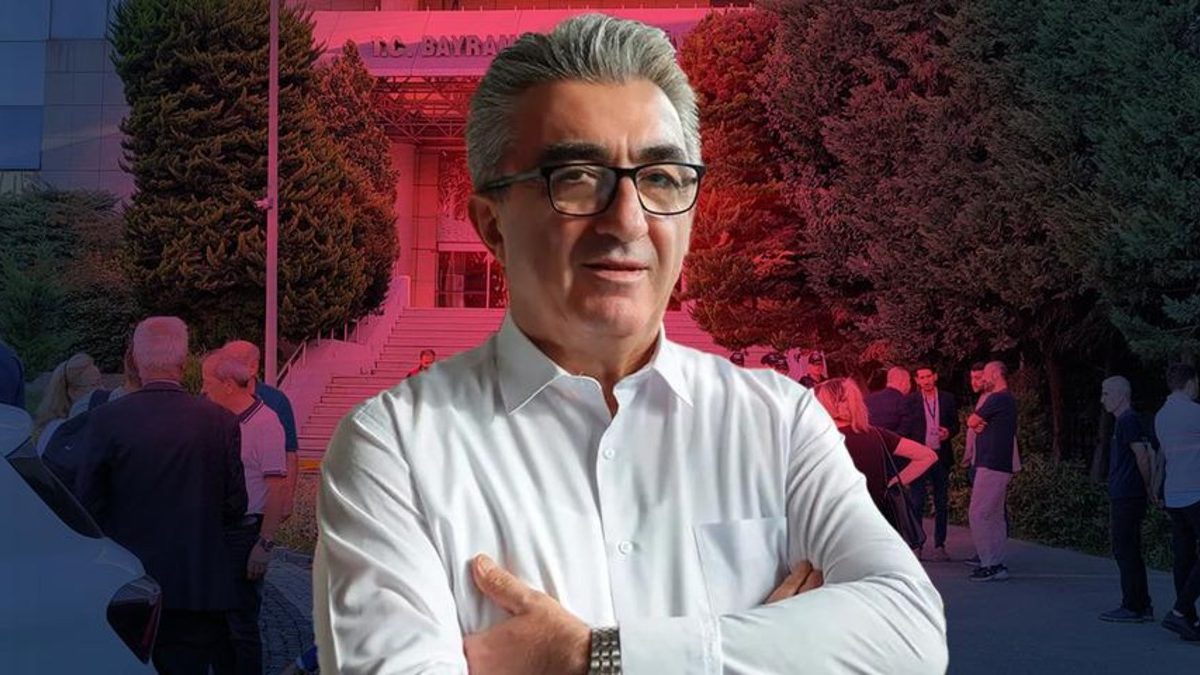 "Turkey: Erdogan's police arrest opposition mayor Hasan Mutlu, dozens officials in corruption probe")
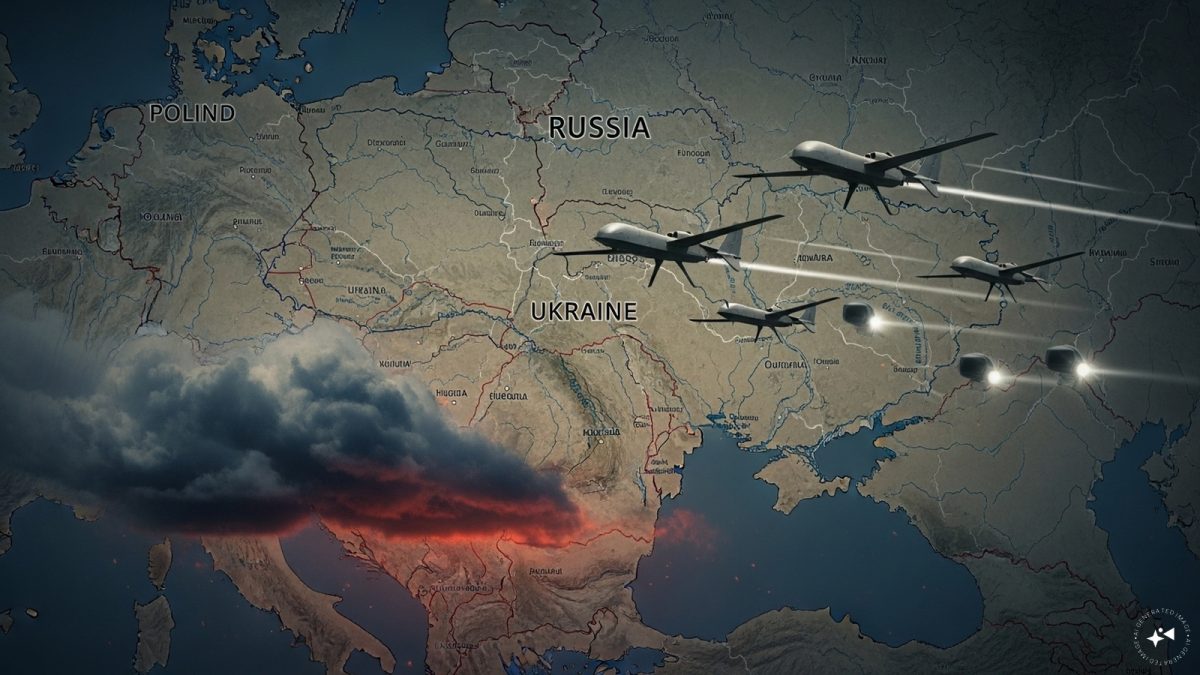 "Russian drones over Poland: Trump’s tepid reaction a wake-up call for Nato?")
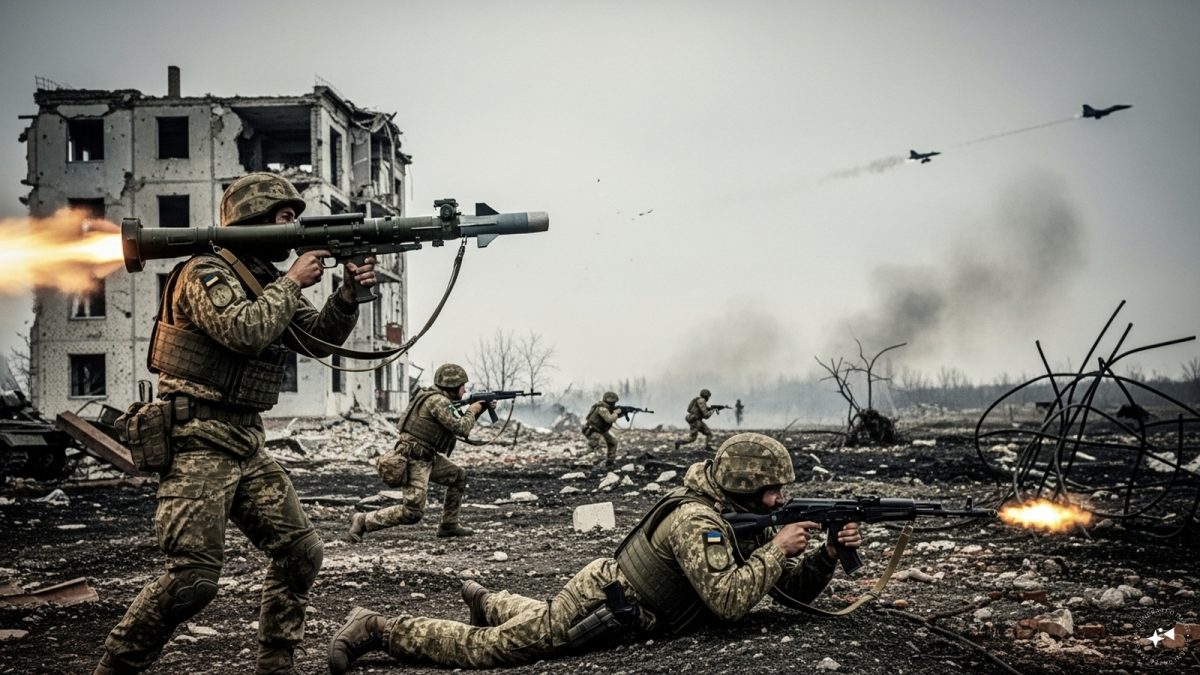 "As Russia pushes east, Ukraine faces mounting pressure to defend its heartland")
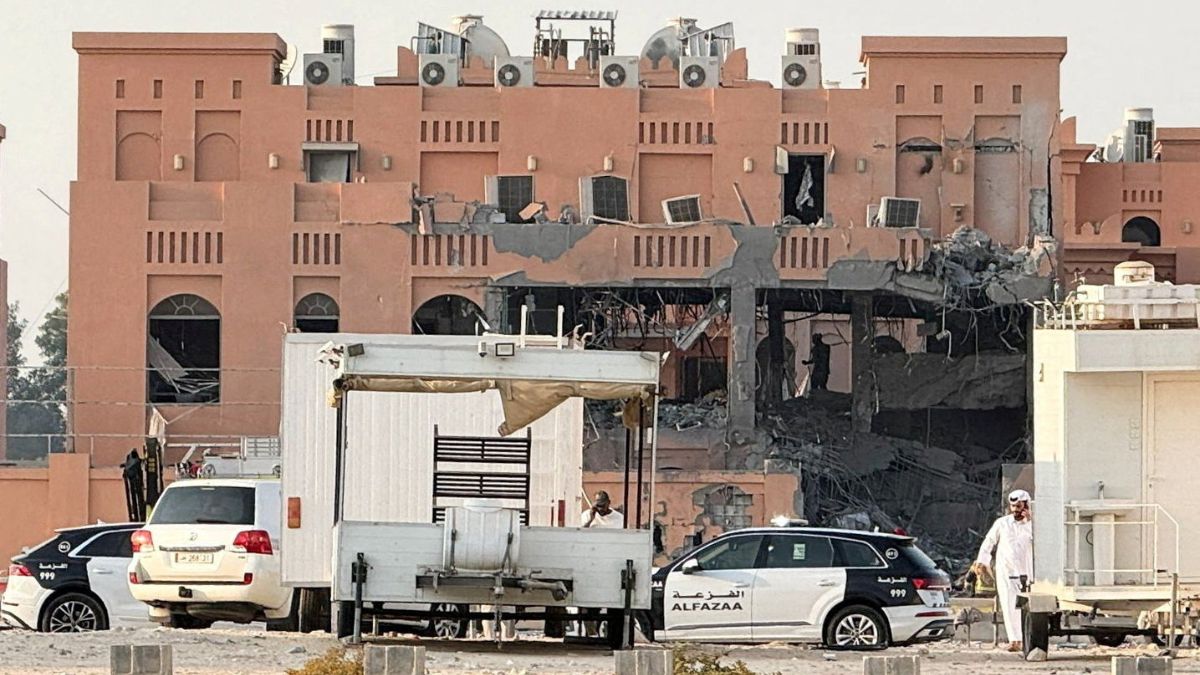 "Why Mossad was not on board with Israel’s strike on Hamas in Qatar")
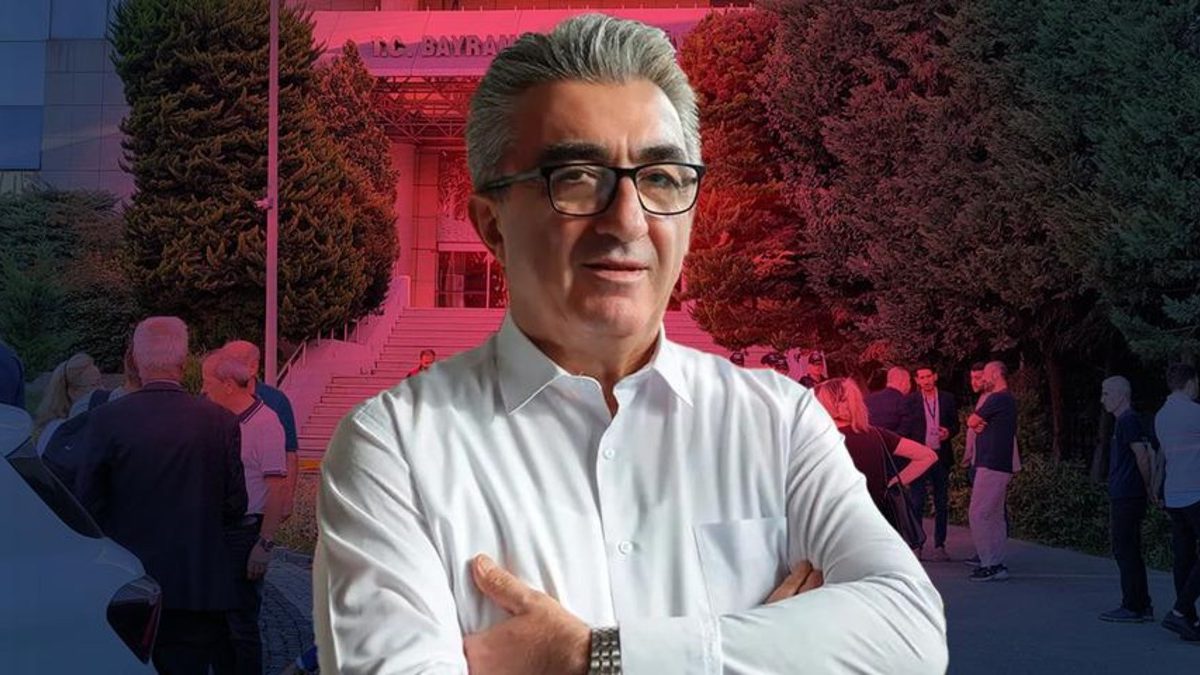 "Turkey: Erdogan's police arrest opposition mayor Hasan Mutlu, dozens officials in corruption probe")



