Firstpost
  • Home
  • Video Shows
    Vantage Firstpost America Firstpost Africa First Sports
  • World
    US News
  • Explainers
  • News
    India Opinion Cricket Tech Entertainment Sports Health Photostories
  • Asia Cup 2025
Apple Incorporated Modi ji Justin Trudeau Trending

Sections

  • Home
  • Live TV
  • Videos
  • Shows
  • World
  • India
  • Explainers
  • Opinion
  • Sports
  • Cricket
  • Health
  • Tech/Auto
  • Entertainment
  • Web Stories
  • Business
  • Impact Shorts

Shows

  • Vantage
  • Firstpost America
  • Firstpost Africa
  • First Sports
  • Fast and Factual
  • Between The Lines
  • Flashback
  • Live TV

Events

  • Raisina Dialogue
  • Independence Day
  • Champions Trophy
  • Delhi Elections 2025
  • Budget 2025
  • US Elections 2024
  • Firstpost Defence Summit
Trending:
  • PM Modi in Manipur
  • Charlie Kirk killer
  • Sushila Karki
  • IND vs PAK
  • India-US ties
  • New human organ
  • Downton Abbey: The Grand Finale Movie Review
fp-logo
History Today: When Chess champion Garry Kasparov lost a game to a computer
Whatsapp Facebook Twitter
Apple Incorporated Modi ji Justin Trudeau Trending

Sections

  • Home
  • Live TV
  • Videos
  • Shows
  • World
  • India
  • Explainers
  • Opinion
  • Sports
  • Cricket
  • Health
  • Tech/Auto
  • Entertainment
  • Web Stories
  • Business
  • Impact Shorts

Shows

  • Vantage
  • Firstpost America
  • Firstpost Africa
  • First Sports
  • Fast and Factual
  • Between The Lines
  • Flashback
  • Live TV

Events

  • Raisina Dialogue
  • Independence Day
  • Champions Trophy
  • Delhi Elections 2025
  • Budget 2025
  • US Elections 2024
  • Firstpost Defence Summit
  • Home
  • Explainers
  • History Today: When Chess champion Garry Kasparov lost a game to a computer

History Today: When Chess champion Garry Kasparov lost a game to a computer

FP Explainers • February 10, 2025, 08:47:49 IST
Whatsapp Facebook Twitter

On February 10, 1996, World Chess Champion Garry Kasparov lost the first game to IBM-developed supercomputer Deep Blue. This defining moment in history changed the world of chess and the field of artificial intelligence forever. Also, on this day, in 1932, JRD Tata became the first Indian to receive a pilot’s licence

Advertisement
Subscribe Join Us
Add as a preferred source on Google
Prefer
Firstpost
On
Google
History Today: When Chess champion Garry Kasparov lost a game to a computer
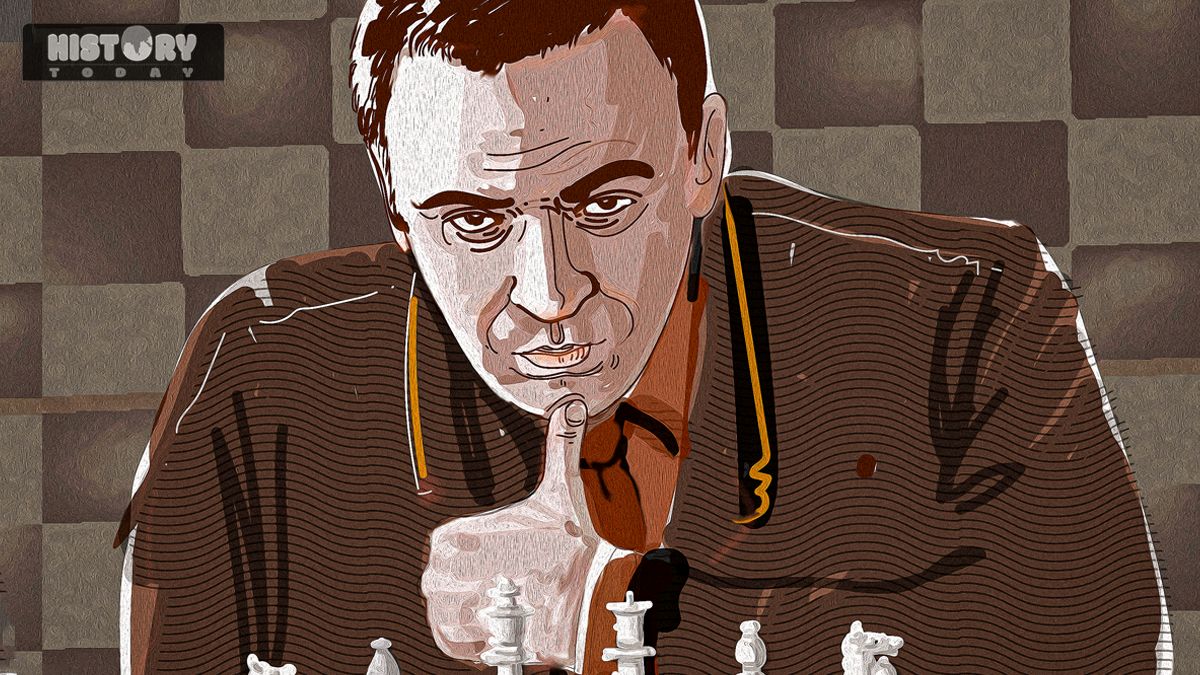
Chess champion Garry Kasparov was defeated by IBM's supercomputer Deep Blue in a three-hour game. Illustration: Santan

It was on February 10, 1996 that the world of chess changed forever. For the first time, a super computer named Deep Blue, developed by IBM, defeated the reigning world chess champion Garry Kasparov in the first game of a six-game match.

If you are a history geek who loves to learn about important events from the past, Firstpost Explainers’ ongoing series, History Today will be your one-stop destination to explore key events.

STORY CONTINUES BELOW THIS AD

In 1932, JRD Tata earned the first commercial aviator’s certificate in India after completing his first solo flight on this day. Meanwhile, the  historic prisoner exchange between the United States and the Soviet Union took place on the Glienicke Bridge later known as ‘Bridge of Spies’ connecting East Germany and West Berlin in 1962.

More from Explainers
Nakba returns: How Trump’s Gaza plan opens Pandora’s box Nakba returns: How Trump’s Gaza plan opens Pandora’s box Breaking! India's Got Latent: Pankaj Tripathi strongly reacts to Ranveer Allahbadia-Samay Raina controversy: 'Just because there is no clear censorship, it doesn’t mean...' Breaking! India's Got Latent: Pankaj Tripathi strongly reacts to Ranveer Allahbadia-Samay Raina controversy: 'Just because there is no clear censorship, it doesn’t mean...'

Here is all that happened on this day.

Garry Kasparov lost a game to a supercomputer in chess

On this day in 1996, an intense game of chess concluded with the then reigning champion declaring defeat to a super computer in Philadelphia. The World Chess champion Garry Kasparov, who became the youngest world chess champion at the age of 22, was defeated by IBM’s supercomputer Deep Blue in a three-hour game.

Before facing Deep Blue in February 1996, Kasparov had defeated Deep Thought, an earlier version of the computer developed by IBM researchers in 1989. He and other grandmasters had lost to computers in games that lasted an hour or less.

World Chess Champion Garry Kasparov moves a knight in the second game on May 4, 1997 of his match in New York against the IBM Deep Blue computer. File image/AFP

This game was of great importance as it was the first time that a human and a computer had played the game under the regular rules - each allotted two hours for their first 40 moves, two more hours for the next 20, and a final hour to conclude the game.

Although Deep Blue, capable of evaluating 200 million moves per second, was the winner of the fist game, the chess grandmaster bested his opponent in the match with three wins and two ties.

Impact Shorts

More Shorts
Ghaziabad woman dead, pilgrims attacked in bus… How Nepal’s Gen-Z protests turned into a living hell for Indian tourists

Ghaziabad woman dead, pilgrims attacked in bus… How Nepal’s Gen-Z protests turned into a living hell for Indian tourists

Were bodyguards involved in Charlie Kirk’s shooting? The many conspiracies surrounding the killing

Were bodyguards involved in Charlie Kirk’s shooting? The many conspiracies surrounding the killing

After the failure of the 1996 match, IBM developers made significant changes in the computer’s hardware and software so that the computer could handle the complexities of the game. A year later, a rematch was organised between the two and this time despite Kasparov’s early lead in the match, Deep Blue achieved a stunning victory in the sixth game, winning the match and the $700,000 prize.

STORY CONTINUES BELOW THIS AD

Kasparov took on another  computer programme, the Deep Junior, in 2003 that ended in a tie. He retired From professional chess in 2005.

JRD Tata earns first commercial aviator’s certificate in India

In 1929, Jehangir Ratanji Dadabhoy Tata, better known as JRD Tata, became the first Indian to receive a commercial pilot’s license after flying solo for three and a half hours. This move set a chain of events that led to the creation of Air India.

The story began when at the age of five, he keenly watched his hero Adolph Pegoud, chief pilot of Louis Bleriot land an aeroplane on the beach in Northern France where the young industrialist was on vacation. Notably,  Bleriot became the first man to fly across the English Channel in 1909.

JRD Tata flew the inaugural Air India flight from Karachi to Bombay. File image

According to the Economic Times, Tata had made up his mind to become a pilot and make a career in aviation by the time he was 15 years old. But the dream had to wait for nine more years. He was 24 years old when a flying club opened in Mumbai (then Bombay). While there were many who managed to get the registration done before him, ‘Jeh’ was the first one to pass, making him the first Indian to receive the Aviator’s Certificate No. 1 in February 1929.

STORY CONTINUES BELOW THIS AD

It was in the same year that he decided to form the nation’s aviation industry and introduced the first Indian airline company - Tata Air Service , later known as Air India. Three years after getting his flying license, he flew the inaugural Air India flight from Karachi in a Puss Mouth towards Bombay, the Tata Group shared in an Instagram post.

‘Bridge of Spies’ prisoner exchange

The iconic prisoner exchange between the United States and the Soviet Union, which was split into several nations after the Cold War, took place on February 10, 1962. The United States released Soviet Colonel Rudolf Abel in exchange for American spy pilot Francis Garry Powers.

The Glienicke Bridge, which later came to be known as the ‘Bridge of the Spies’, connected East and West Berlin. The two men were brought to separate sides of the bridge and at 8:52 am Berlin time, Powers and Abel were waved through the border and into freedom.

The negotiations were led by James B Donovan, an American lawyer, who played a key role in securing the swap despite tensions between the US and the Soviet Union.

The exchange was seen as a diplomatic success and a significant moment in Cold War history. The Glienicke Bridge later became symbolic as a site for Cold War prisoner exchanges.

STORY CONTINUES BELOW THIS AD

This Day, That Year

  • On this day, American actress Shirley Temple passed away in 2014.

  • In 1846, the British conquered Sikhs in northwestern India in the Battle of Sobraon

  • The Treaty of Paris was signed between France and Britain in 1763.

Tags
Today in History United States of America
End of Article
Latest News
Find us on YouTube
Subscribe
End of Article

Impact Shorts

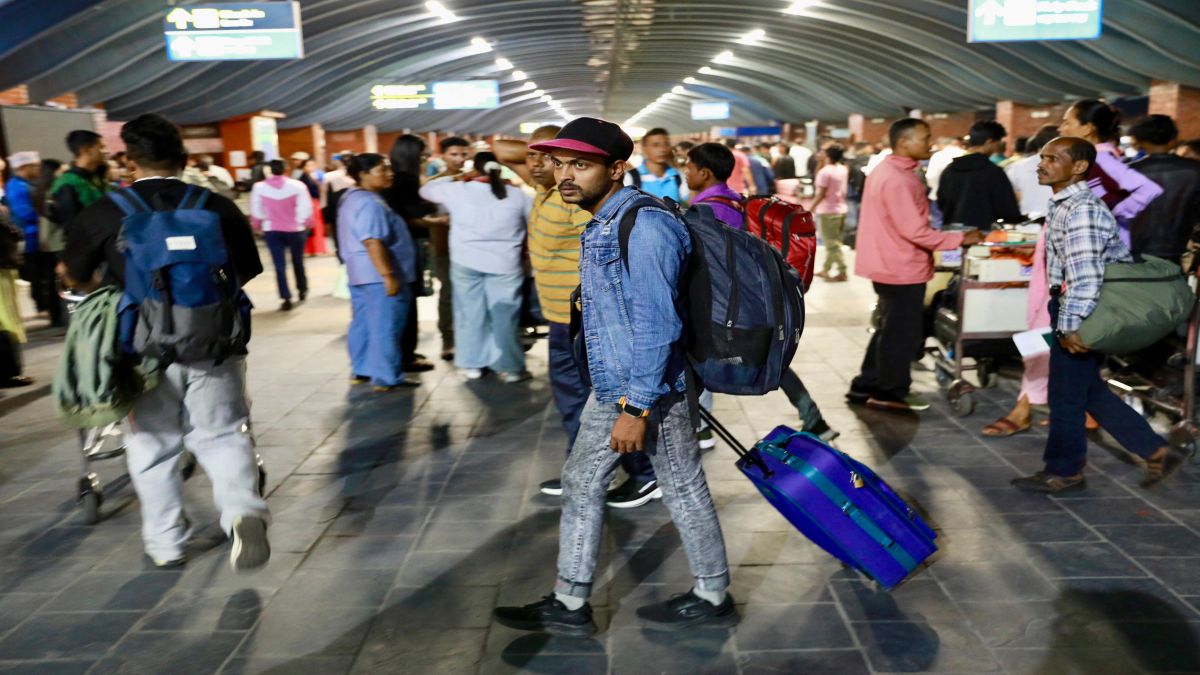
Ghaziabad woman dead, pilgrims attacked in bus… How Nepal’s Gen-Z protests turned into a living hell for Indian tourists

Ghaziabad woman dead, pilgrims attacked in bus… How Nepal’s Gen-Z protests turned into a living hell for Indian tourists

Prime Minister KP Sharma Oli resigned following violent protests in Nepal. An Indian woman from Ghaziabad died trying to escape a hotel fire set by protesters. Indian tourists faced attacks and disruptions, with some stranded at the Nepal-China border during the unrest.

More Impact Shorts

Top Stories

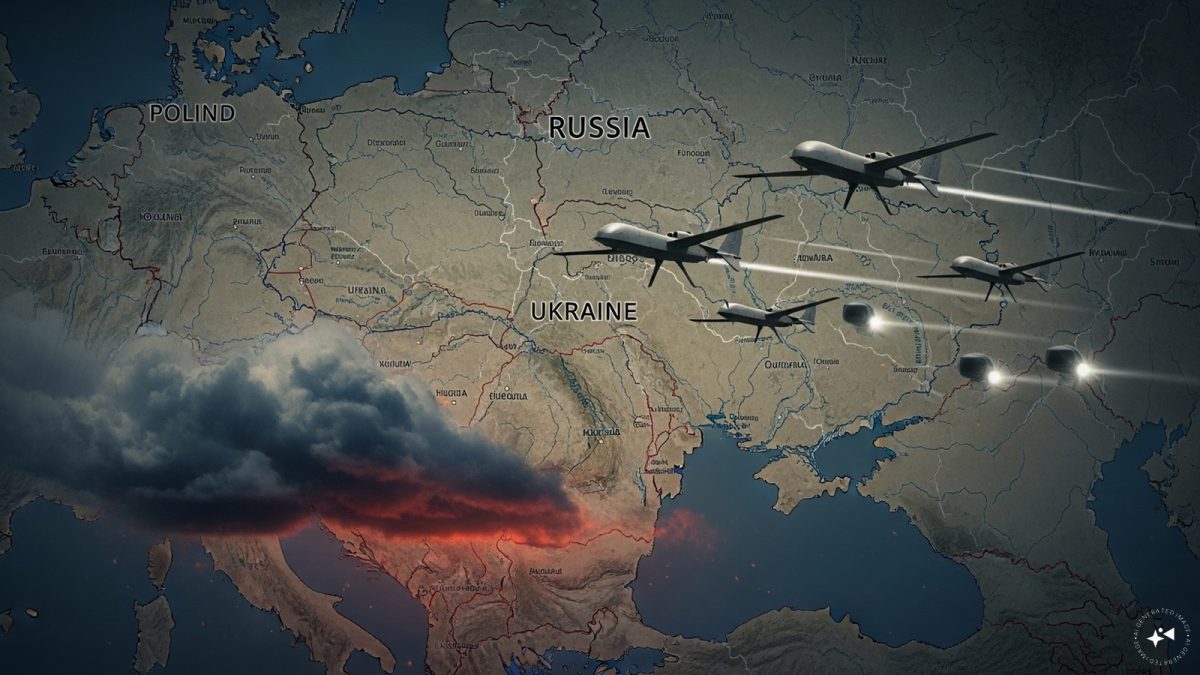
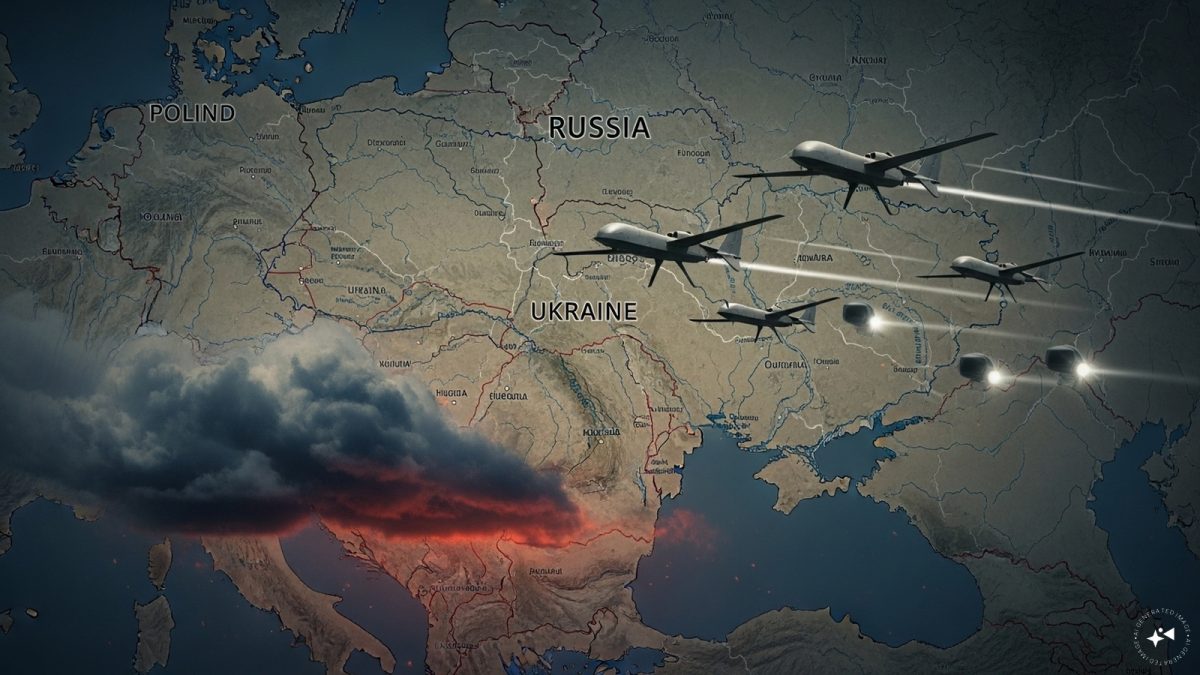
Russian drones over Poland: Trump’s tepid reaction a wake-up call for Nato?

Russian drones over Poland: Trump’s tepid reaction a wake-up call for Nato?

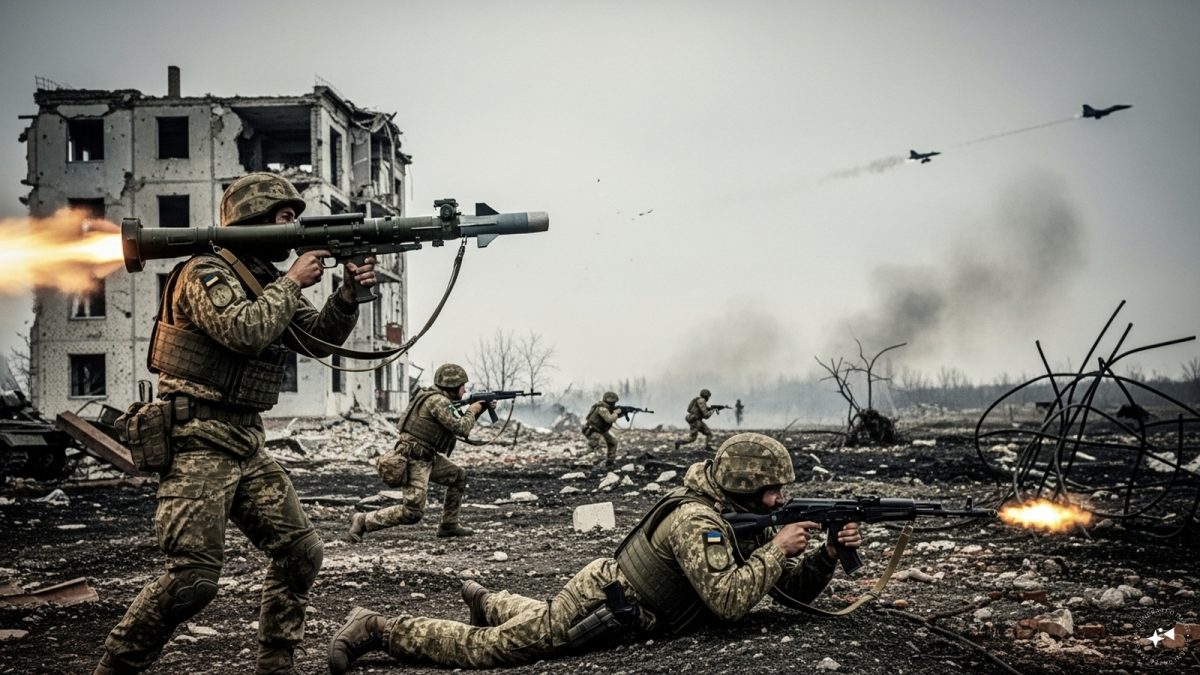
As Russia pushes east, Ukraine faces mounting pressure to defend its heartland

As Russia pushes east, Ukraine faces mounting pressure to defend its heartland

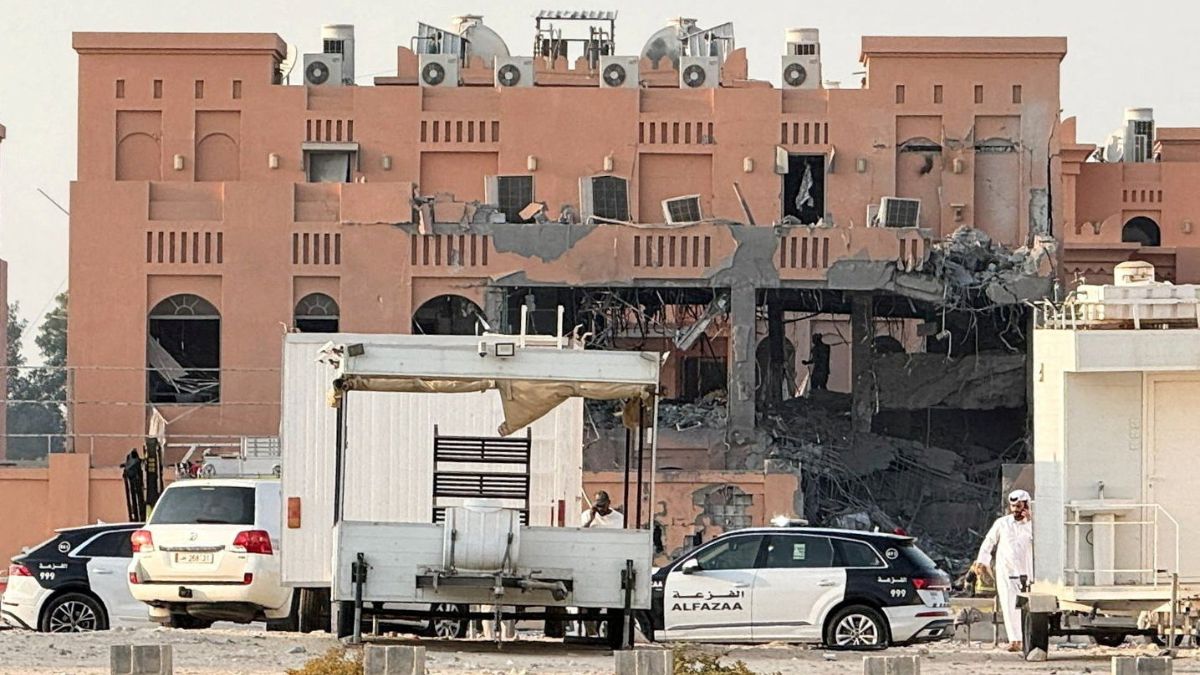
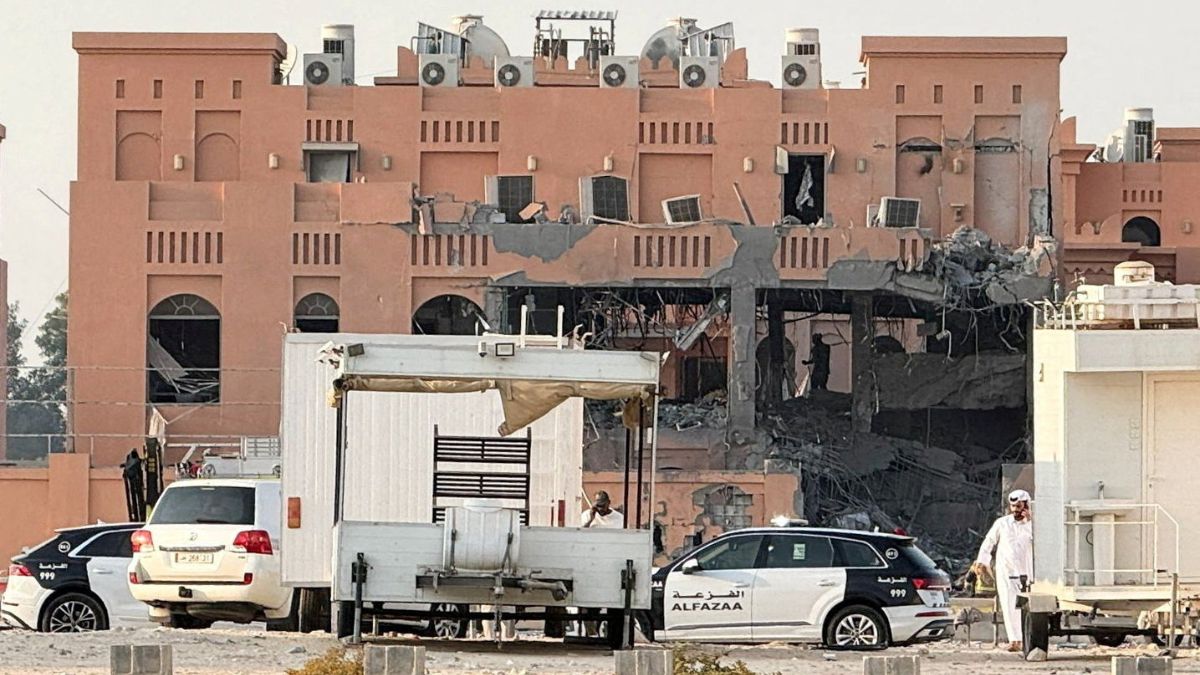
Why Mossad was not on board with Israel’s strike on Hamas in Qatar

Why Mossad was not on board with Israel’s strike on Hamas in Qatar

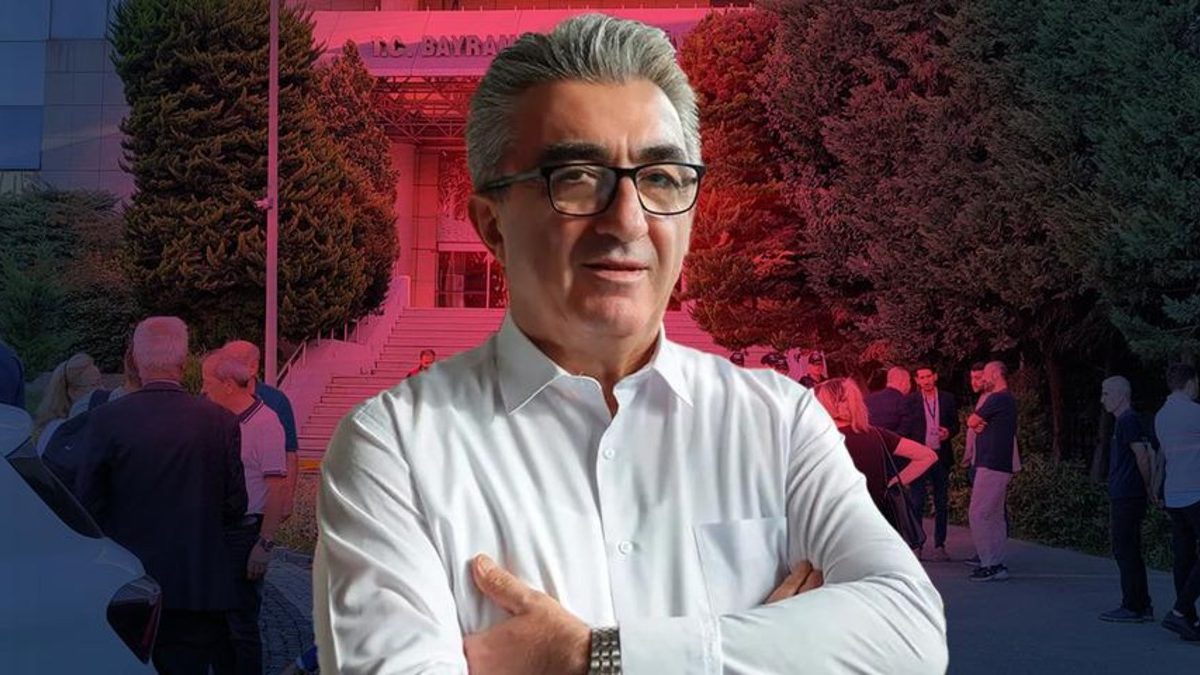
Turkey: Erdogan's police arrest opposition mayor Hasan Mutlu, dozens officials in corruption probe

Turkey: Erdogan's police arrest opposition mayor Hasan Mutlu, dozens officials in corruption probe

Russian drones over Poland: Trump’s tepid reaction a wake-up call for Nato?

Russian drones over Poland: Trump’s tepid reaction a wake-up call for Nato?

As Russia pushes east, Ukraine faces mounting pressure to defend its heartland

As Russia pushes east, Ukraine faces mounting pressure to defend its heartland

Why Mossad was not on board with Israel’s strike on Hamas in Qatar

Why Mossad was not on board with Israel’s strike on Hamas in Qatar

Turkey: Erdogan's police arrest opposition mayor Hasan Mutlu, dozens officials in corruption probe

Turkey: Erdogan's police arrest opposition mayor Hasan Mutlu, dozens officials in corruption probe

Top Shows

Vantage Firstpost America Firstpost Africa First Sports
Latest News About Firstpost
Most Searched Categories
  • Web Stories
  • World
  • India
  • Explainers
  • Opinion
  • Sports
  • Cricket
  • Tech/Auto
  • Entertainment
  • IPL 2025
NETWORK18 SITES
  • News18
  • Money Control
  • CNBC TV18
  • Forbes India
  • Advertise with us
  • Sitemap
Firstpost Logo

is on YouTube

Subscribe Now

Copyright @ 2024. Firstpost - All Rights Reserved

About Us Contact Us Privacy Policy Cookie Policy Terms Of Use
Home Video Shorts Live TV