

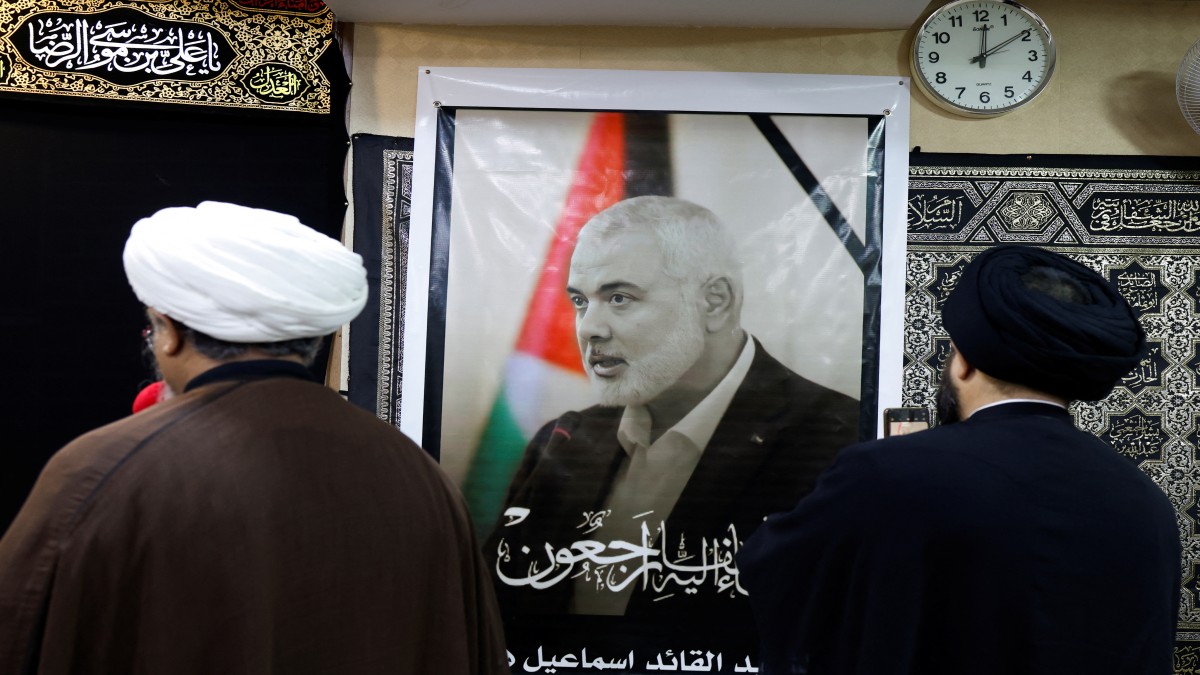
 "How bomb that killed Hamas chief Ismail Haniyeh was smuggled into Tehran guesthouse")
Ismail Haniyeh, a top leader of Hamas, was assassinated in Tehran on Wednesday, August 1.
The incident occurred while he was in the city to attend the swearing-in ceremony of Iranian President Masoud Pezeshkian.
Hamas and Iran have both blamed Israel for the assassination, while the latter has chosen to remain silent on the issue.
While initial reports stated that the top Hamas negotiator, who led its political delegation in Qatar, was killed by an “airborne projectile,” the latest reports suggest he was killed by an explosive device that was smuggled into the guesthouse at the Iranian government’s official residence.
The shocking assassination required two months of planning and extensive surveillance of the compound.
The assassination
As per The New York Times report, the explosion that killed Haniyeh took place at around 2 am local time on August 1.
The guesthouse’s puzzled staff members, which also includes a medical team, hurried to look into the loud noise and located Haniyeh’s room, who was staying with a bodyguard.
The medical team declared Haniyeh dead immediately and attempted to revive the bodyguard, but he was also dead.
The blast had broken windows and caused part of the compound wall to collapse.
Ziyad al-Nakhalah, the leader of Palestinian Islamic Jihad, was staying next door and his room was not severely damaged. This implies that Haniyeh’s assassination was well-planned.
General Ismail Ghaani, the head of the Quds Force, which collaborates closely with Iranian allies including Hamas and Hezbollah, was one of the three Iranian officials who were notified right away of the killing.
Impact Shorts
More ShortsIn the middle of the night, he informed Ayatollah Ali Khamenei, the supreme leader of Iran. The assassination of Haniyeh was not formally announced until four hours later.
A bomb smuggled into Tehran
The initial statement from Hamas said Haniyeh was killed in an “airborne projectile.”
Iranian media also reported that three missiles were launched by a drone from outside of Iran.
However, the latest reports suggest Haniyeh was killed by a planted explosive device that was covertly smuggled into the guesthouse where he was staying.
According to The New York Times, which cited seven West Asian officials, including two Iranians, and an American official on the condition of anonymity, the explosive device had been hidden in Haniyeh’s bedroom of the guesthouse two months in advance.
Part of the expansive Neshat compound, an expensive area in northern Tehran, the guesthouse is managed and guarded by the Islamic Revolutionary Guards Corps. The West Asian officials told the NYT that Haniyeh had stayed at the guesthouse on multiple occasions when he visited Tehran.
The shocking assassination took months of planning and required extensive surveillance of the compound.
Axios confirmed the NYT report by citing its two sources who said that the bomb was a high-tech device that used artificial intelligence.
“It was detonated remotely by Mossad operatives (Israel’s foreign intelligence service) who were on Iranian soil after receiving intelligence that Haniyeh was indeed in the room,” Axios reported.
The NYT report further quoted two Iranian officials, the member of the Guards briefed on the attack, as saying that the accuracy and sophistication of the assassination bear resemblance to the method used by Israel in 2020 to kill Mohsen Fakhrizadeh, Iran’s top nuclear scientist, using a remotely operated artificial intelligence robot.
The IRGC said it has launched an investigation into the incident.
More on Ismail Haniyeh’s assassination:
How Iran sheltered Hamas leader Ismail Haniyeh
Is Ismail Haniyeh's assassination a setback for Israel-Hamas peace talks?
Ismail Haniyeh killed: The Hamas leaders who have been targets of assassination bids
After Ismail Haniyeh’s assassination, which Hamas leaders remain?
The responsibility of the killing
Officials from Iran and Hamas declared on Wednesday that Israel was responsible of the killing; other US officials also came to the same conclusion.
The NYT piece citing five West Asian officials claims that Israeli intelligence personnel briefed their US counterparts about the specifics of the operation immediately after, despite Israel’s lack of official acknowledgement.
The US Secretary of State, Antony Blinken, confirmed this on Wednesday, when he stated that the US was unaware of the assassination plot beforehand.
It is important to note that Mossad is largely responsible for Israeli assassination operations conducted outside of the nation.
The New York Times reports that Mossad chief David Barnea stated in January that his organisation was “obliged” to find the leaders of Hamas. “It will take time, as it took after the massacre in Munich, but our hands will catch them wherever they are,” he said.
He referenced the 1972 Olympic killing of 11 Israeli athletes by Palestinian operatives. To revenge the deaths, Mossad had deployed its hit squad to carry out the secret operation known as “Operation Wrath of God,” codenamed Bayonet, as per NDTV.
Spotlight on Iran’s security lapses
The assassination has caused tremendous embarrassment for Iran since Tehran was under increased security because senior government officials, military commanders, and dignitaries from 86 nations gathered at Parliament for the inauguration of Iran’s new president, Masoud Pezeshkian.
Early on, following the death, there were rumours that Haniyeh was assassinated by an Israeli missile strike, most likely fired from a drone or aircraft.
The idea cast doubt on Israel’s ability to pull off another daring airstrike on the nation’s capital by getting past Iranian air defence systems.
However, the latest details put lapses in Iran’s defence system into the spotlight.
The security breach of a seemingly vigilant facility allowed a bomb to be placed and go unnoticed for several weeks before it was eventually detonated.
The Guards are greatly embarrassed by such a breach, according to the NYT, which cited three Iranian officials, who also described it as a catastrophic failure of intelligence and security for Iran.
Iran plans for revenge
According to the three Iranian officials, at 7 am on Wednesday, Khamenei had called the members of Iran’s Supreme National Security Council to his compound for an emergency meeting, during which he gave the order to strike Israel in retaliation.
The assassination carried the risk of igniting fresh bloodshed in West Asia and disrupting ongoing talks to put an end to conflict in Gaza.
Supreme Leader Khamenei has said revenge was “our duty” and that Israel had “prepared a harsh punishment for itself."
Iran’s Revolutionary Guard warned Israel will face a “harsh and painful response from Iran and its allies in the region."
With inputs from agencies

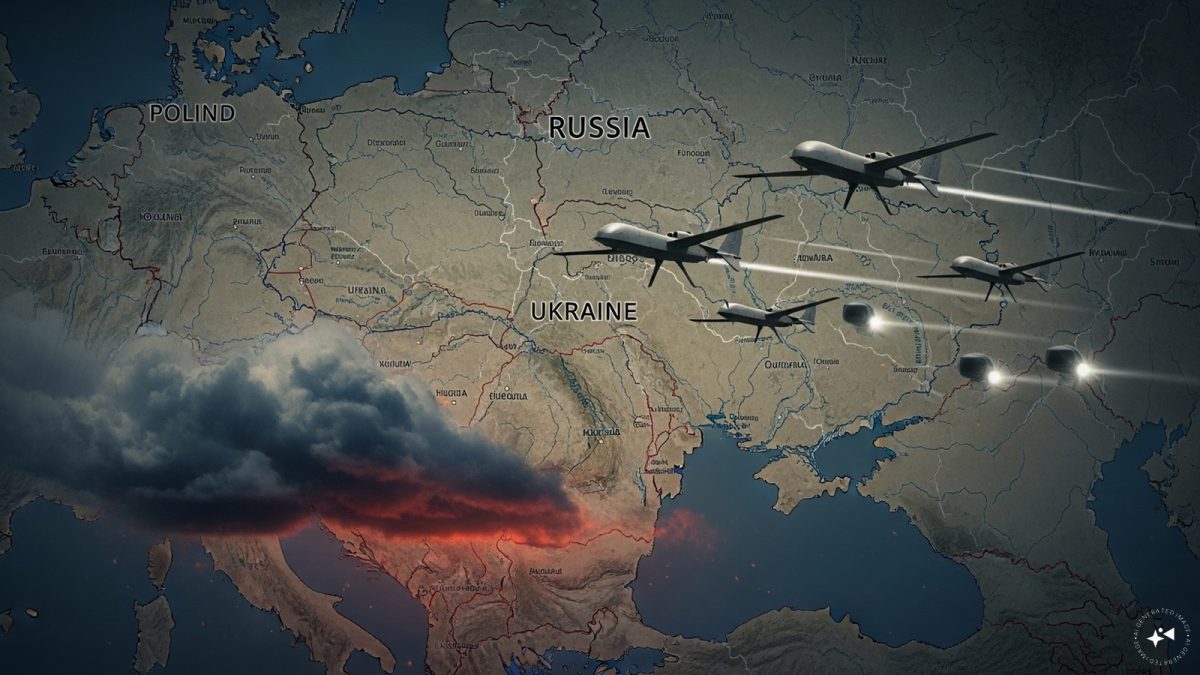 "Russian drones over Poland: Trump’s tepid reaction a wake-up call for Nato?")
 "As Russia pushes east, Ukraine faces mounting pressure to defend its heartland")
 "Why Mossad was not on board with Israel’s strike on Hamas in Qatar")
 "Turkey: Erdogan's police arrest opposition mayor Hasan Mutlu, dozens officials in corruption probe")
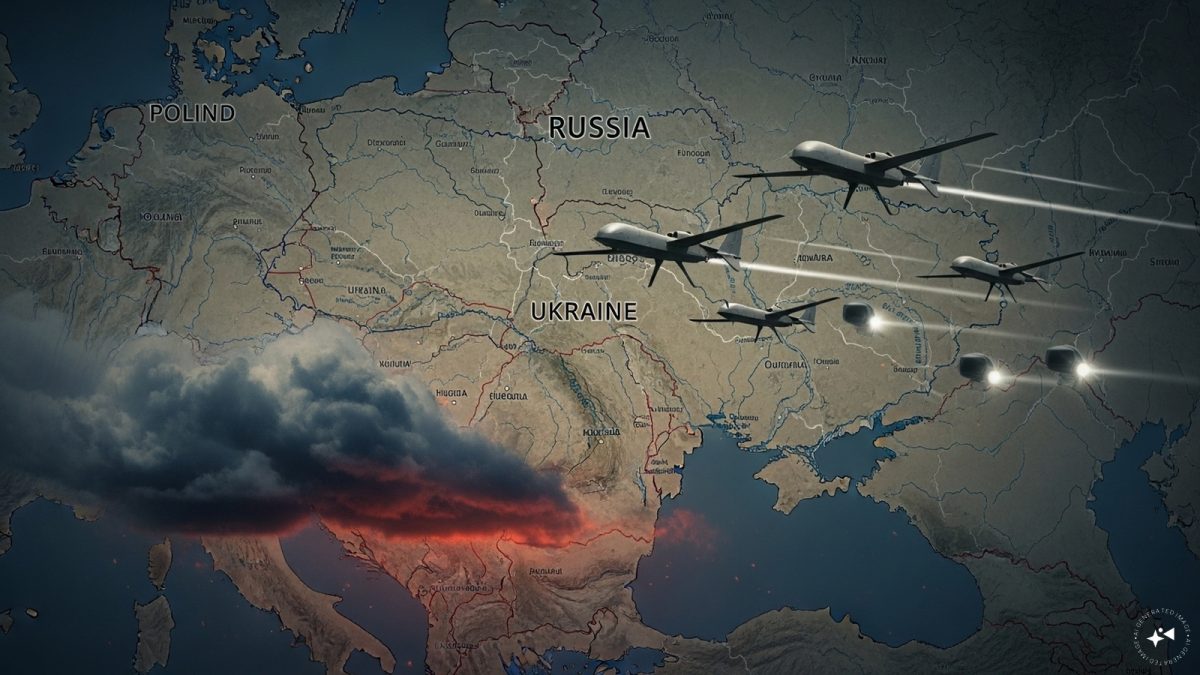 "Russian drones over Poland: Trump’s tepid reaction a wake-up call for Nato?")
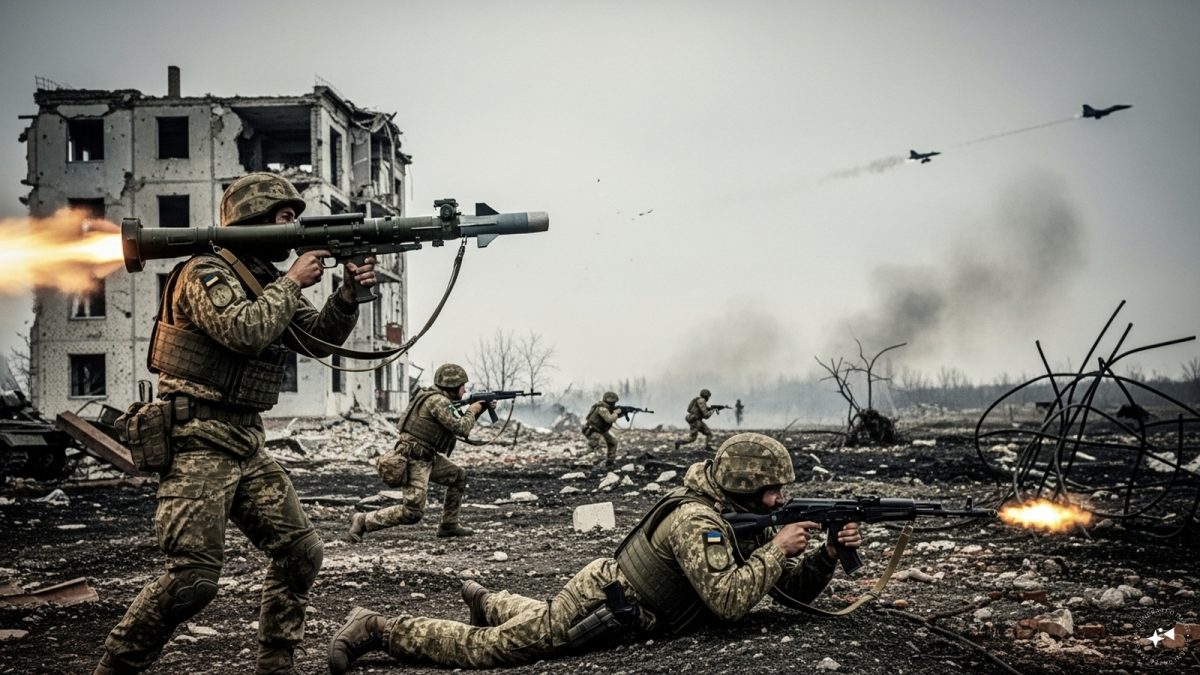 "As Russia pushes east, Ukraine faces mounting pressure to defend its heartland")
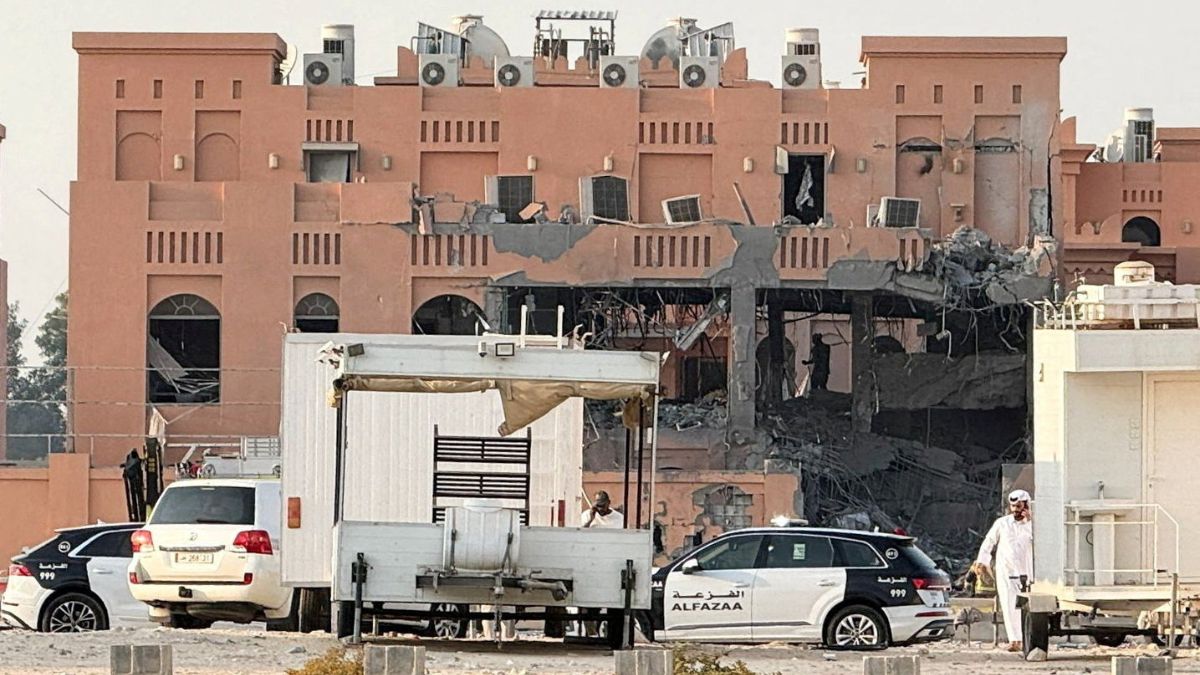 "Why Mossad was not on board with Israel’s strike on Hamas in Qatar")
 "Turkey: Erdogan's police arrest opposition mayor Hasan Mutlu, dozens officials in corruption probe")



