Firstpost
  • Home
  • Video Shows
    Vantage Firstpost America Firstpost Africa First Sports
  • World
    US News
  • Explainers
  • News
    India Opinion Cricket Tech Entertainment Sports Health Photostories
  • Asia Cup 2025
Apple Incorporated Modi ji Justin Trudeau Trending

Sections

  • Home
  • Live TV
  • Videos
  • Shows
  • World
  • India
  • Explainers
  • Opinion
  • Sports
  • Cricket
  • Health
  • Tech/Auto
  • Entertainment
  • Web Stories
  • Business
  • Impact Shorts

Shows

  • Vantage
  • Firstpost America
  • Firstpost Africa
  • First Sports
  • Fast and Factual
  • Between The Lines
  • Flashback
  • Live TV

Events

  • Raisina Dialogue
  • Independence Day
  • Champions Trophy
  • Delhi Elections 2025
  • Budget 2025
  • US Elections 2024
  • Firstpost Defence Summit
Trending:
  • PM Modi in Manipur
  • Charlie Kirk killer
  • Sushila Karki
  • IND vs PAK
  • India-US ties
  • New human organ
  • Downton Abbey: The Grand Finale Movie Review
fp-logo
Explained: How US keeps track of ballistic missiles that have been fired
Whatsapp Facebook Twitter
Apple Incorporated Modi ji Justin Trudeau Trending

Sections

  • Home
  • Live TV
  • Videos
  • Shows
  • World
  • India
  • Explainers
  • Opinion
  • Sports
  • Cricket
  • Health
  • Tech/Auto
  • Entertainment
  • Web Stories
  • Business
  • Impact Shorts

Shows

  • Vantage
  • Firstpost America
  • Firstpost Africa
  • First Sports
  • Fast and Factual
  • Between The Lines
  • Flashback
  • Live TV

Events

  • Raisina Dialogue
  • Independence Day
  • Champions Trophy
  • Delhi Elections 2025
  • Budget 2025
  • US Elections 2024
  • Firstpost Defence Summit
  • Home
  • Explainers
  • Explained: How US keeps track of ballistic missiles that have been fired

Explained: How US keeps track of ballistic missiles that have been fired

FP Explainers • November 22, 2024, 18:36:16 IST
Whatsapp Facebook Twitter

While earlier reports from Ukraine said Moscow fired a long-range intercontinental ballistic missile (ICBM), Russia’s President Vladimir Putin clarified that his country used the Oreshnik — a new intermediate-range ballistic missile. But have you ever wondered how the US keeps track of such missiles? Washington has a special system, which dates back to the Cold War, to spot, track and identify any ballistic missiles that have been launched

Advertisement
Subscribe Join Us
Add as a preferred source on Google
Prefer
Firstpost
On
Google
Explained: How US keeps track of ballistic missiles that have been fired
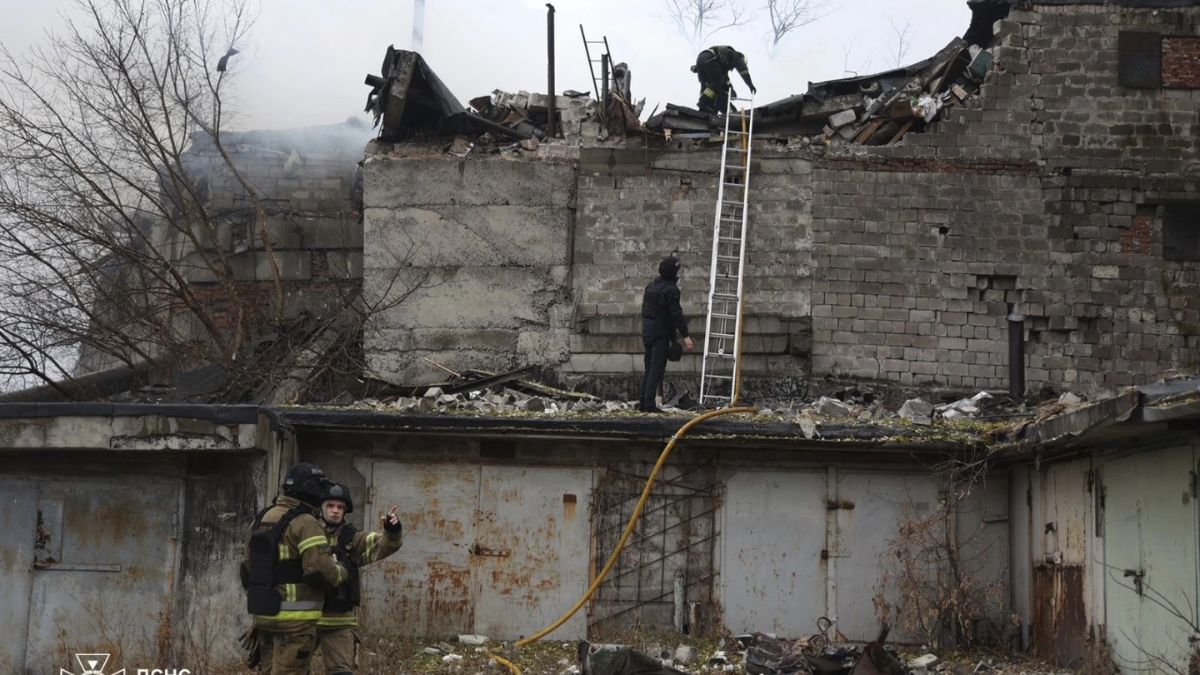
In this photo provided by the Ukrainian Emergency Services, rescue workers put out a fire of a building which was heavily damaged by a Russian strike on Dnipro, Ukraine. AP

Russia on Thursday caused quite a stir.

Moscow fired a ballistic missile at Ukraine’s Dnipro.

While earlier reports from Ukraine said Russia fired a long-range intercontinental ballistic missile (ICBM), Russia’s President Vladimir Putin has clarified that Moscow used the Oreshnik — which is a new intermediate-range ballistic missile.

But have you ever wondered how the US keeps track of ballistic missiles that have been fired?

Washington, in fact, has a special system to spot, track and identify any ballistic missiles that have been launched.

STORY CONTINUES BELOW THIS AD

Though this programme dates back to the Cold War, it has been refined to keep it up-to-date to form a global surveillance system.

Here’s everything you need to know

More from Explainers
Donald Trump’s new '10 or 12 days' deadline to end Ukraine war. Is Russia bothered? Donald Trump’s new '10 or 12 days' deadline to end Ukraine war. Is Russia bothered? Russia earthquake aftermath: Which countries have been hit by tsunami? How much damage has it caused? Russia earthquake aftermath: Which countries have been hit by tsunami? How much damage has it caused?

How does it work?

Six satellites built by Lockheed Martin and Northrop Grumman, part of the US Space Force’s Space-Based Infrared System (SBIRS), orbit Earth in a geostationary position.

These satellites are designed to detect and monitor missile launch signatures using infrared technology.

According to William Alberque, a visiting fellow at the Henry L. Stimson Center, these satellites, along with a network of smaller ones in lower orbits, are equipped with advanced sensors that detect ballistic missile launches worldwide within seconds.

They can track a wide range of weapons, from smaller, basic missiles like Scuds to powerful intercontinental ballistic missiles (ICBMs).

“The things that you can do with video, plus IR, plus synthetic aperture radars, plus ground-based radars…all of these things knit together,” Alberque said. “Processing all this data at very high speed means we have the ability to know more about what is launched than ever before.”

Editor’s Picks
1
Russia informed US before IRBM attack on Ukraine, no change yet in nuclear posture
2
Not an ICBM: What is the Oreshnik ballistic missile that Russia fired against Ukraine?

Rocket motors, for instance, produce different exhaust gases of varying temperatures based on their fuel and other design factors. These “signatures” can quickly identify a missile.

Ground-based sensors include massive solid-state early warning radars in the United States, Canada and Britain. Together with satellites, the system can determine missile type, launch angle, azimuth, apogee, velocity, size and landing point, among other things.

STORY CONTINUES BELOW THIS AD

Which organisations are involved in operating it?

In addition to the Space Force, several US agencies, such as the National Geospatial-Intelligence Agency, US Strategic Command and the Missile Defense Agency, are also involved.

Regional military commands may participate as well.

Some launch notifications can be automated such as smaller, short-range weapons that don’t pose any threat to the US or its allies. More serious alerts for longer-range weapons or a direct threat require human analysis and decision-making.

Also Read: What is Aegis Ashore, US missile base in Poland on Russia’s ‘priority target’ list?

In the case of Russia’s strike on Ukraine near the city of Dnipro, there was no concern about a nuclear attack because there were no signs of warheads being moved, other forces being prepared or the involvement of Russia’s 12th Chief Directorate of the Ministry of Defense, which controls its nuclear weapons, Alberque said. “There would be a huge signature for potential use,” he said, referring to nuclear weapons.

Early warning systems as a concept originated during the 1950s, at first to spot bomber formations and later expanded to detect missiles. The first systems used enormous ground-based radars to scan for missiles rising over the horizon and were linked to defensive systems that often included nuclear-tipped interceptors.

STORY CONTINUES BELOW THIS AD

The Space Force is in the midst of a nearly $15 billion (Rs 1,24,500 crore) program for more advanced early warning satellites, dubbed Next Generation Overhead Persistent Infrared. The system will include geostationary satellites, the first of which is set for delivery in 2025 and polar-orbiting satellites scheduled for launch in 2028.

With inputs from Reuters

End of Article
Latest News
Find us on YouTube
Subscribe
End of Article

Impact Shorts

Ghaziabad woman dead, pilgrims attacked in bus… How Nepal’s Gen-Z protests turned into a living hell for Indian tourists

Ghaziabad woman dead, pilgrims attacked in bus… How Nepal’s Gen-Z protests turned into a living hell for Indian tourists

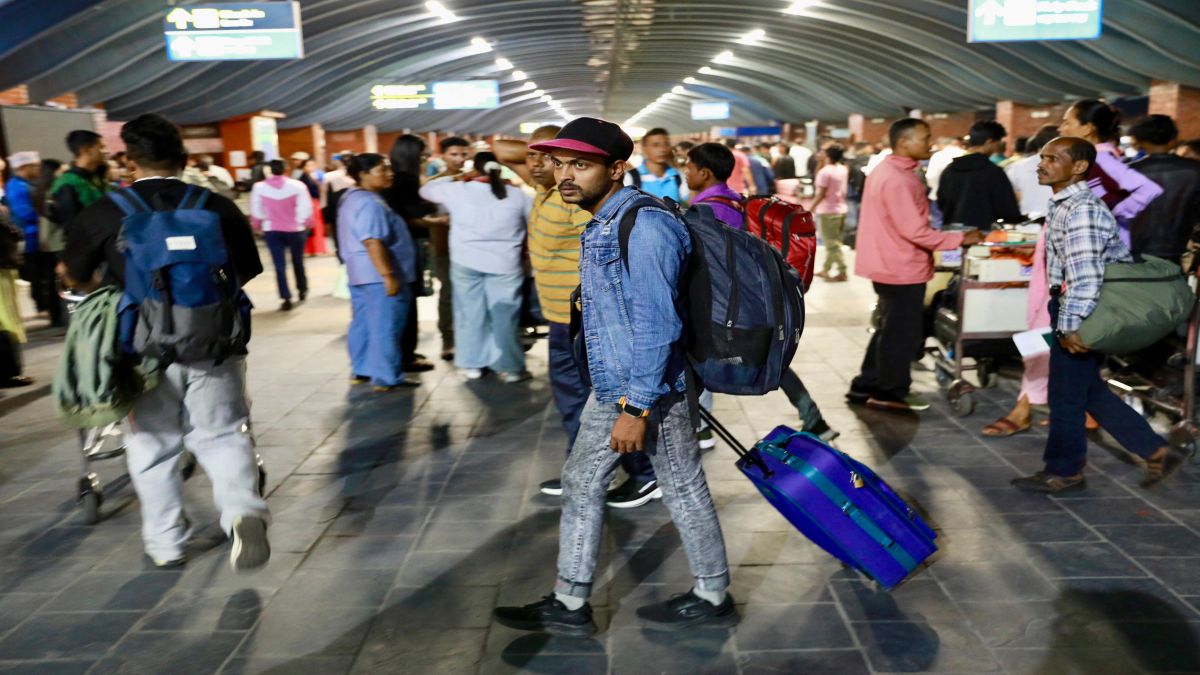
Prime Minister KP Sharma Oli resigned following violent protests in Nepal. An Indian woman from Ghaziabad died trying to escape a hotel fire set by protesters. Indian tourists faced attacks and disruptions, with some stranded at the Nepal-China border during the unrest.

More Impact Shorts

Top Stories

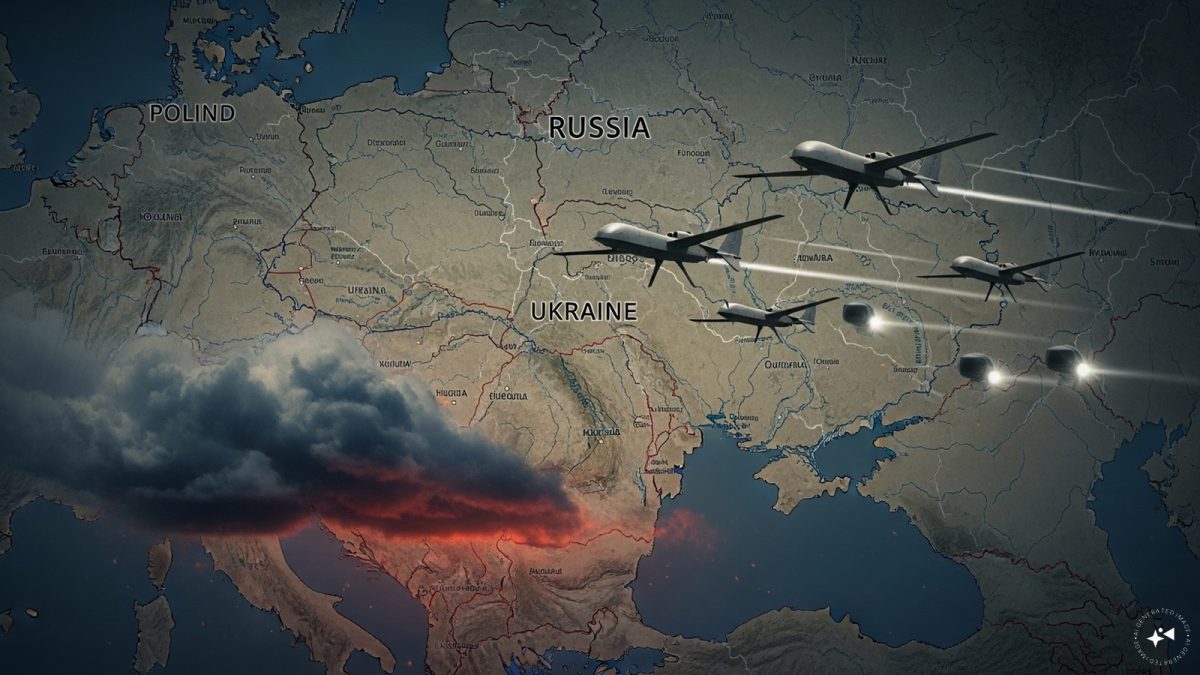
Russian drones over Poland: Trump’s tepid reaction a wake-up call for Nato?

Russian drones over Poland: Trump’s tepid reaction a wake-up call for Nato?

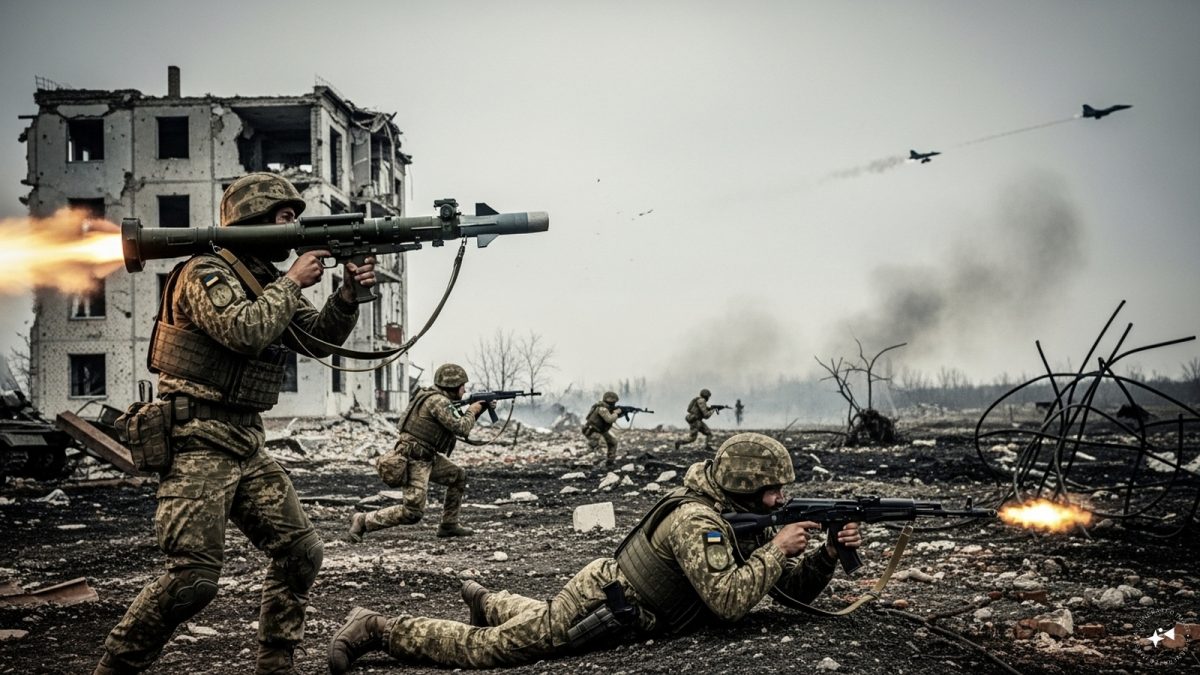
As Russia pushes east, Ukraine faces mounting pressure to defend its heartland

As Russia pushes east, Ukraine faces mounting pressure to defend its heartland

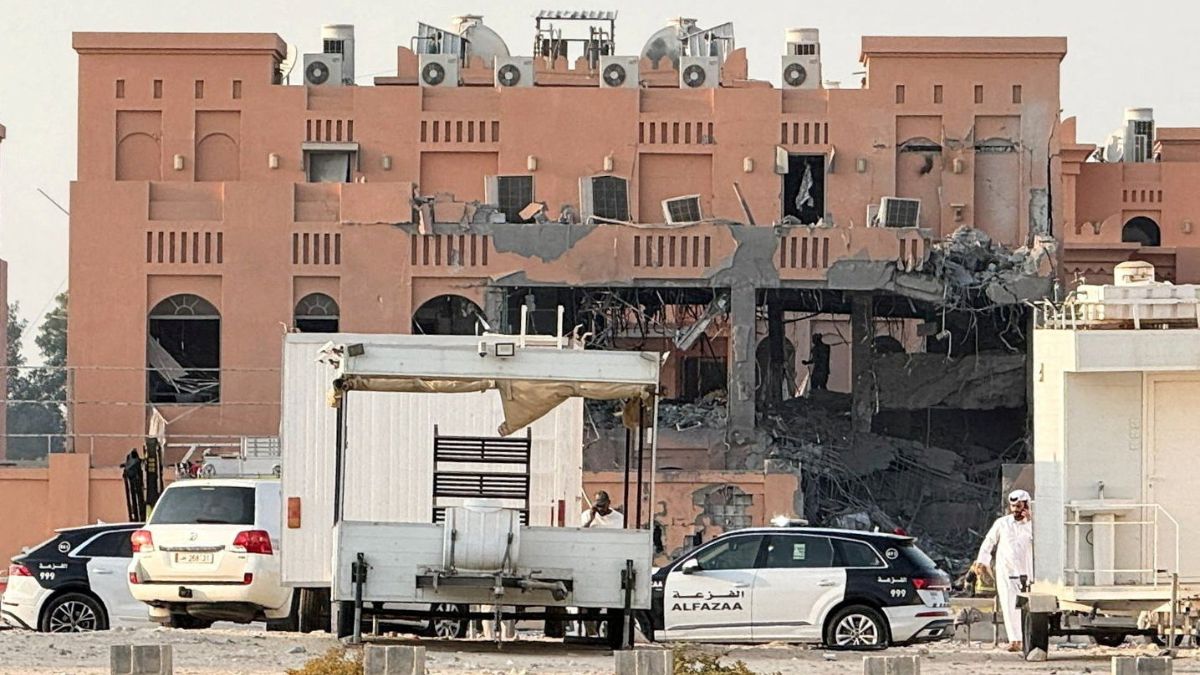
Why Mossad was not on board with Israel’s strike on Hamas in Qatar

Why Mossad was not on board with Israel’s strike on Hamas in Qatar

Turkey: Erdogan's police arrest opposition mayor Hasan Mutlu, dozens officials in corruption probe

Turkey: Erdogan's police arrest opposition mayor Hasan Mutlu, dozens officials in corruption probe

Russian drones over Poland: Trump’s tepid reaction a wake-up call for Nato?

Russian drones over Poland: Trump’s tepid reaction a wake-up call for Nato?

As Russia pushes east, Ukraine faces mounting pressure to defend its heartland

As Russia pushes east, Ukraine faces mounting pressure to defend its heartland

Why Mossad was not on board with Israel’s strike on Hamas in Qatar

Why Mossad was not on board with Israel’s strike on Hamas in Qatar

Turkey: Erdogan's police arrest opposition mayor Hasan Mutlu, dozens officials in corruption probe

Turkey: Erdogan's police arrest opposition mayor Hasan Mutlu, dozens officials in corruption probe

Top Shows

Vantage Firstpost America Firstpost Africa First Sports
Latest News About Firstpost
Most Searched Categories
  • Web Stories
  • World
  • India
  • Explainers
  • Opinion
  • Sports
  • Cricket
  • Tech/Auto
  • Entertainment
  • IPL 2025
NETWORK18 SITES
  • News18
  • Money Control
  • CNBC TV18
  • Forbes India
  • Advertise with us
  • Sitemap
Firstpost Logo

is on YouTube

Subscribe Now

Copyright @ 2024. Firstpost - All Rights Reserved

About Us Contact Us Privacy Policy Cookie Policy Terms Of Use
Home Video Shorts Live TV