Firstpost
  • Home
  • Video Shows
    Vantage Firstpost America Firstpost Africa First Sports
  • World
    US News
  • Explainers
  • News
    India Opinion Cricket Tech Entertainment Sports Health Photostories
  • India vs South Africa
Trending Donald Trump Narendra Modi Elon Musk United States Joe Biden

Sections

  • Home
  • Live TV
  • Videos
  • Shows
  • World
  • India
  • Explainers
  • Opinion
  • Sports
  • Cricket
  • Health
  • Tech/Auto
  • Entertainment
  • Web Stories
  • Business
  • Impact Shorts

Shows

  • Vantage
  • Firstpost America
  • Firstpost Africa
  • First Sports
  • Fast and Factual
  • Between The Lines
  • Flashback
  • Live TV

Events

  • Bihar Election
  • Raisina Dialogue
  • Independence Day
  • Champions Trophy
  • Delhi Elections 2025
  • Budget 2025
  • US Elections 2024
  • Firstpost Defence Summit
Trending:
  • Putin India visit
  • Ukraine peace deal
  • Trump physical test
  • Rawalpindi protest
  • US-Venezuela tension
  • Kantara controversy
fp-logo
Did the US trigger the 1962 India–China war?
Whatsapp Facebook Twitter
Trending

Sections

  • Home
  • Live TV
  • Videos
  • Shows
  • World
  • India
  • Explainers
  • Opinion
  • Sports
  • Cricket
  • Health
  • Tech/Auto
  • Entertainment
  • Web Stories
  • Business
  • Impact Shorts

Shows

  • Vantage
  • Firstpost America
  • Firstpost Africa
  • First Sports
  • Fast and Factual
  • Between The Lines
  • Flashback
  • Live TV

Events

  • Bihar Election
  • Raisina Dialogue
  • Independence Day
  • Champions Trophy
  • Delhi Elections 2025
  • Budget 2025
  • US Elections 2024
  • Firstpost Defence Summit

Did the US trigger the 1962 India–China war?

FP Explainers • December 2, 2025, 19:29:33 IST
Whatsapp Facebook Twitter

Much has been written about the 1962 war between India and China. However, a new study argues that the United States played a crucial role in laying the base for the conflict between the two nations. It comes as New Delhi and Beijing are taking gradual steps to improve relations

Advertisement
Subscribe Join Us
+ Follow us On Google
Choose
Firstpost on Google
Did the US trigger the 1962 India–China war?
The 14th Dalai Lama with then Indian PM Jawaharlal Nehru. Image Courtesy: tibetmusueum.org

Much has been written about the 1962 war between India and China.

The conflict, which began on 20 October 1962, also known as the Sino–Indian War, came after years of tension between the two countries over the Himalayan border, particularly the McMahon Line.

It ended with China announcing a unilateral ceasefire on 20 November 1962, and withdrawing from the territory it had occupied under the government of Prime Minister Jawaharlal Nehru.

However, a new study is arguing that the United States played a crucial role in laying the base for the conflict between India and China. The study comes as the two countries are taking gradual steps to improve relations.

STORY CONTINUES BELOW THIS AD

Let’s take a closer look at what we know.

About the study

The study was undertaken by Dr Lakshman Kumar of the Jindal School of International Affairs. Entitled Unravelling the Geopolitical Dimensions of the 1962 Sino–Indian Conflict: How the US Shaped the Sino–India Split, it was published in the Journal of Public Affairs (Wiley) this past April.

The study relies on top-secret CIA records that have been declassified, diplomatic archives from the Prime Minister’s Museum & Library (PMML), the Foreign Relations of the United States (FRUS), documents from the Cold War International History Project, and the John F. Kennedy Presidential Library and Museum.

More from Explainers
The grim message behind deadly shootout at Washington The grim message behind deadly shootout at Washington What were Zero Units that Afghan behind US National Guard shooting was part of? What were Zero Units that Afghan behind US National Guard shooting was part of?

The study argues against the conventional wisdom that the long-running tension between India and China culminated in the 1962 war. It claims that “policies pursued by the United States and the Soviet Union during the late 1950s and early 1960s had a mix of intended and unintended consequences on India and China”.

The 14th Dalai Lama fleeing Tibet into exile with Khampa (men from the Eastern province of Kham) bodyguards Image Courtesy: dalailama.com

It claims that the US elevated Tibet into an issue between India and China – essentially the old “divide and conquer” method so perfected by Britain – in order to exert influence over New Delhi’s foreign policy. This came in the aftermath of an independent India, under its first Prime Minister Nehru, choosing the path of non-alignment. Washington did so in order to draw both India and China closer to its Cold War goals.

Editor’s Picks
1
Bonhomie with Xi, Putin and big business with Japan: Is India sending Trump a clear signal?
2
Resuming flights, visas and more… Are India and China inching towards an all-out thaw?

“While the Soviets wanted to collaborate with India and China, the United States desired a clear split,” Kumar wrote.

The study claimed that the US sought to take advantage of the Tibetan uprising in 1956. The documents revealed that the Central Intelligence Agency (CIA) offered support to resistance groups inside Tibet, including funds, supplies, and reconnaissance missions.

STORY CONTINUES BELOW THIS AD

‘Used critical theory’

Kumar said he had used “critical theory … to examine the sudden downturn in relations between India and China in the late 1950s and the subsequent conflict of 1962, as well as the critical role played by the US in shaping the events”.

He quoted a 1951 US State Department document that stated, “Diplomatically, the US should endeavour to use Tibet as a weapon for alerting [India] to the danger of attempting to appease any Communist government.”

The study claims that Washington capitalised on the goings-on after the Dalai Lama fled to India in 1959. It says that the CIA’s actions were not meant to help Tibet but rather to increase the divide between the two nations and scuttle any chance of an agreement over the region being reached.

Kumar wrote that Beijing “became convinced that [New Delhi] was conspiring to ‘seize Tibet’ by inciting rebellion”. “The US intelligence community was satisfied with the results of the Tibetan revolt in March 1959, as it caused enormous friction in Sino–India relations,” he added.

Ex-US Ambassador John Kenneth Galbraith’s memoirs have spoken about how the CIA conducted intelligence operations to shape public opinion within India.

“The covert operations of the [US] achieved much more than they desired. It indeed led China and India on a collision course while further deepening the Sino–Soviet split.”

STORY CONTINUES BELOW THIS AD

The study also quoted a note from the JFK Presidential Library that said the United States must “restrain expressions… so as to give the Chinese no pretext for alleging any American involvement.”

The study said the development forced Nehru to seek military aid from Washington despite his non-aligned stance, which was “much to the satisfaction of the US”. It added that the US received “much more than they desired”.

While this may sound far-fetched to some, ex-US Ambassador John Kenneth Galbraith’s memoirs have already spoken about how the CIA conducted intelligence operations to shape public opinion within India.

Kumar in September co-authored another study alongside Pankaj Jha and Jyoti M. Pathani, which was published in India Quarterly.

“[India] must remain vigilant against external influences that may seek to exploit Sino–Indian disputes for their own interests,” the paper said. “China, on the other hand, needs to acknowledge the heavy price it paid in initiating the conflict despite being conscious of the ‘imperialistic conspiracy’ in Tibet.”

STORY CONTINUES BELOW THIS AD

With inputs from agencies

Follow Firstpost on Google. Get insightful explainers, sharp opinions, and in-depth latest news on everything from geopolitics and diplomacy to World News. Stay informed with the latest perspectives only on Firstpost.
Tags
China India India-China relations
  • Home
  • Explainers
  • Did the US trigger the 1962 India–China war?
End of Article
Latest News
Find us on YouTube
Subscribe
  • Home
  • Explainers
  • Did the US trigger the 1962 India–China war?
End of Article

Quick Reads

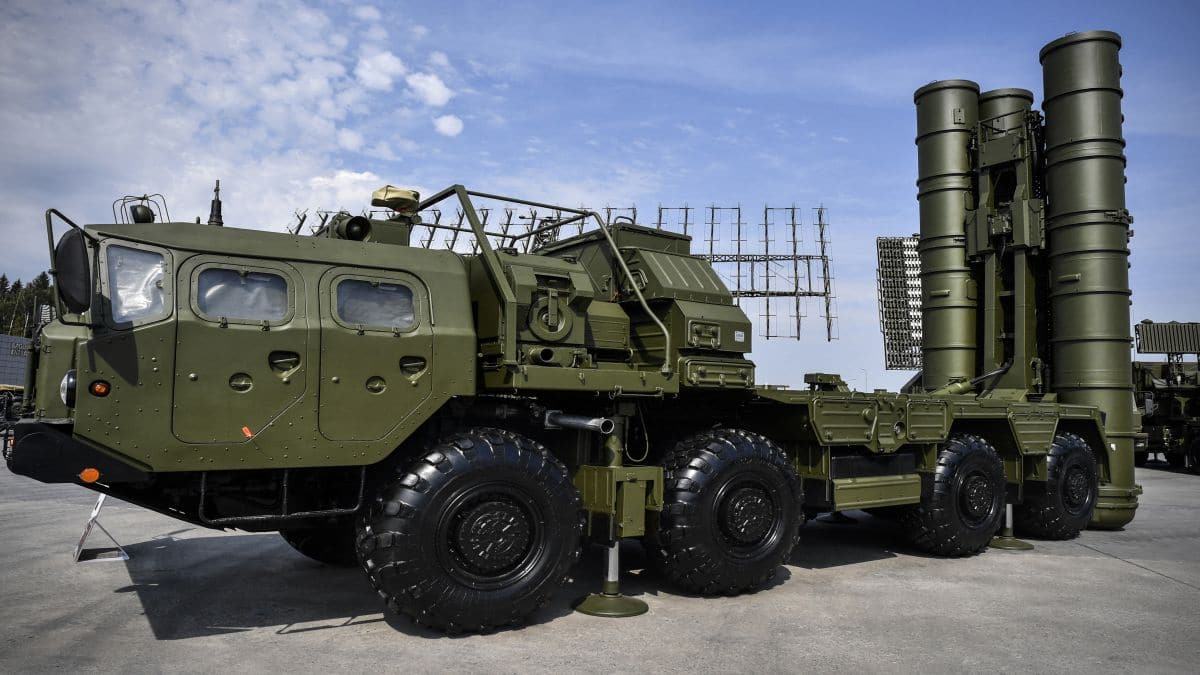
After success of Russia’s S-400 in Op Sindoor, why India wants its more advanced version

After success of Russia’s S-400 in Op Sindoor, why India wants its more advanced version

Russian President Vladimir Putin to visit India on December 4-5 to discuss strengthening defence ties. India aims to procure more advanced S-400 air-defence regiments and possibly the new S-500 system. The S-400 system, operational since 2007, is highly advanced and has been successfully used by India in military operations.

More Quick Reads

Top Stories

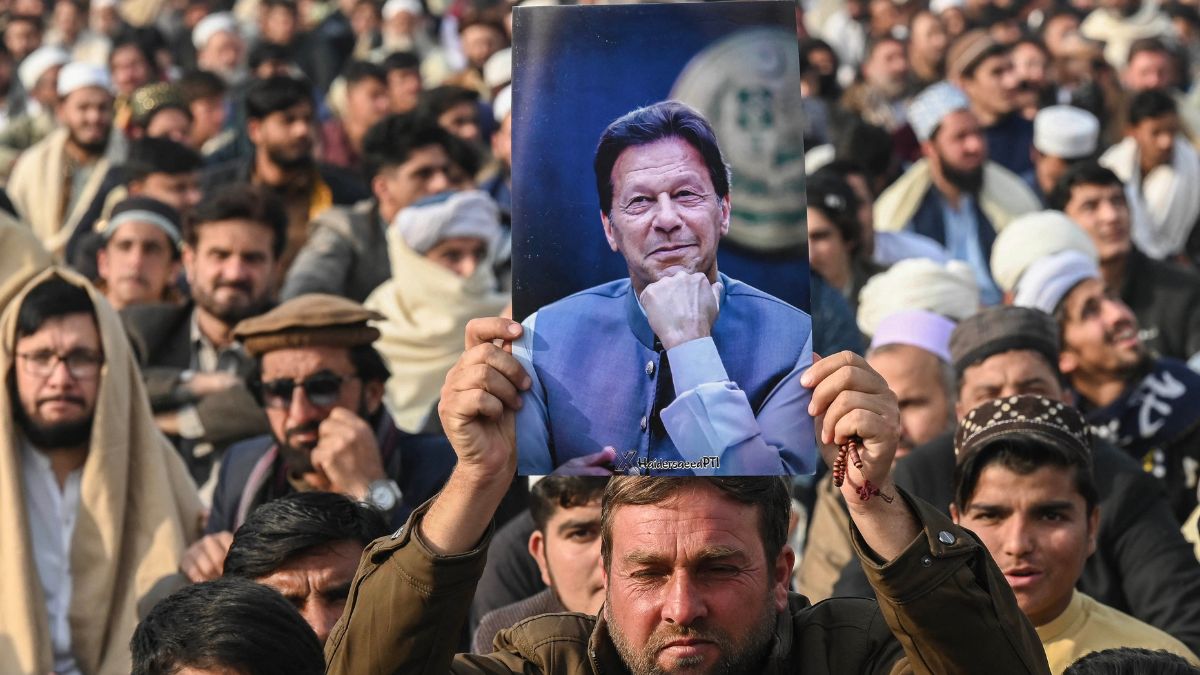
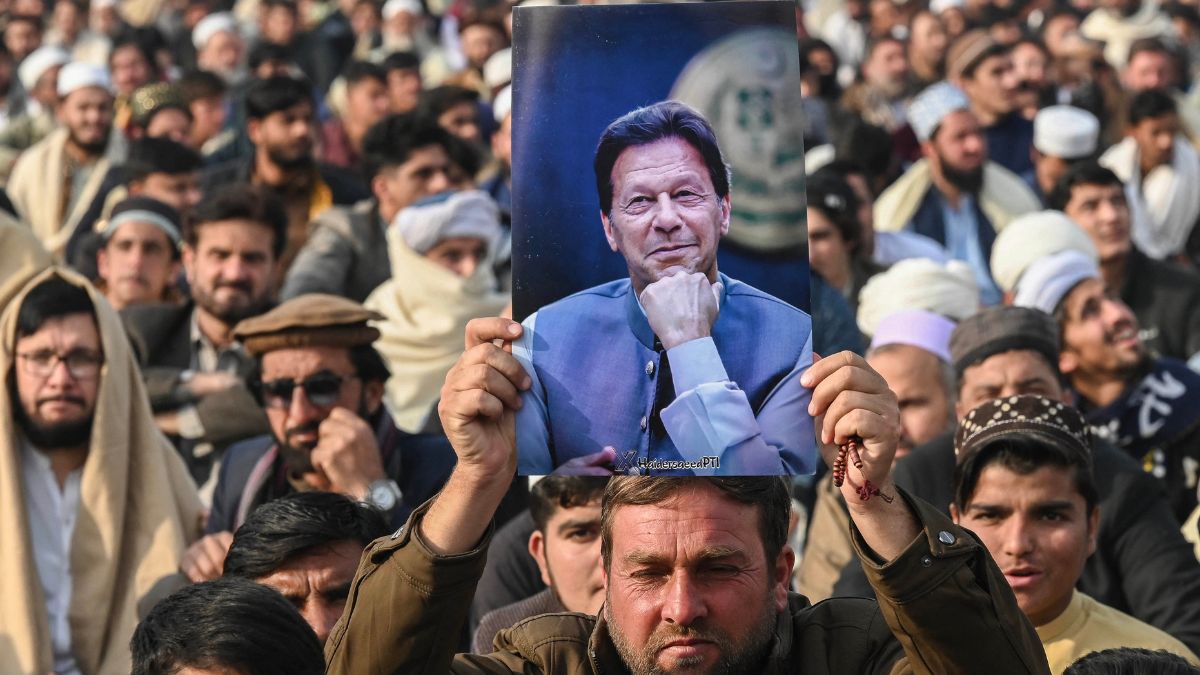
‘He’s physically fit but mentally tortured’: Imran Khan’s sister after meeting him at Rawalpindi jail

‘He’s physically fit but mentally tortured’: Imran Khan’s sister after meeting him at Rawalpindi jail

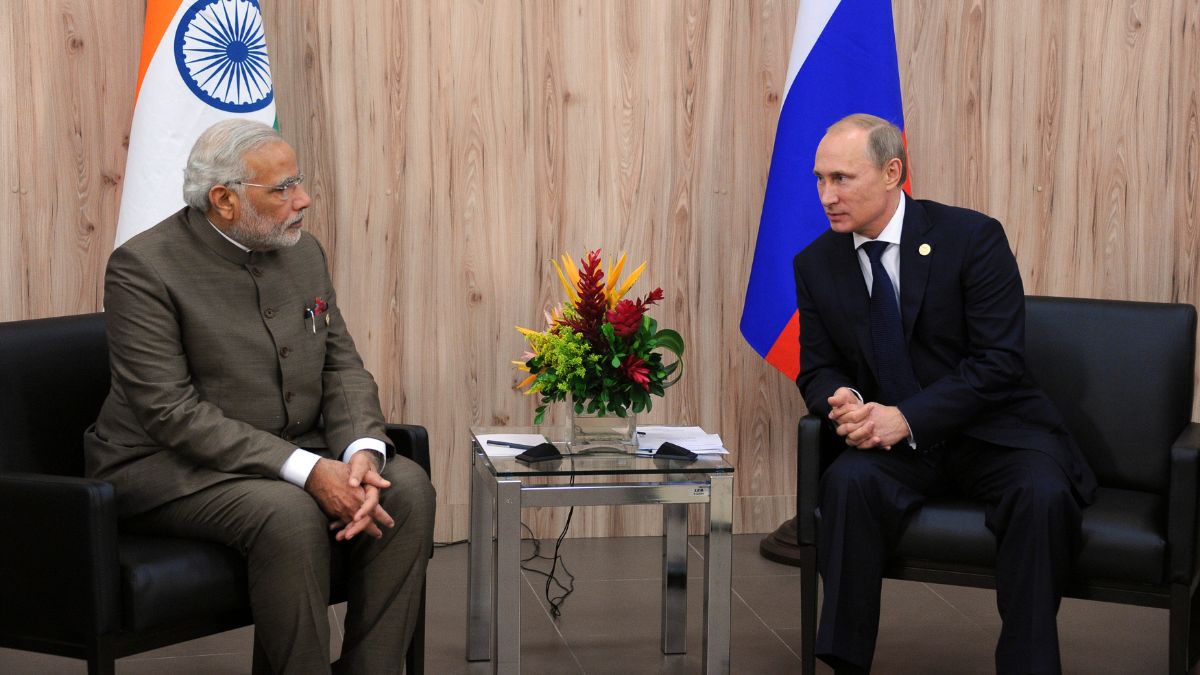
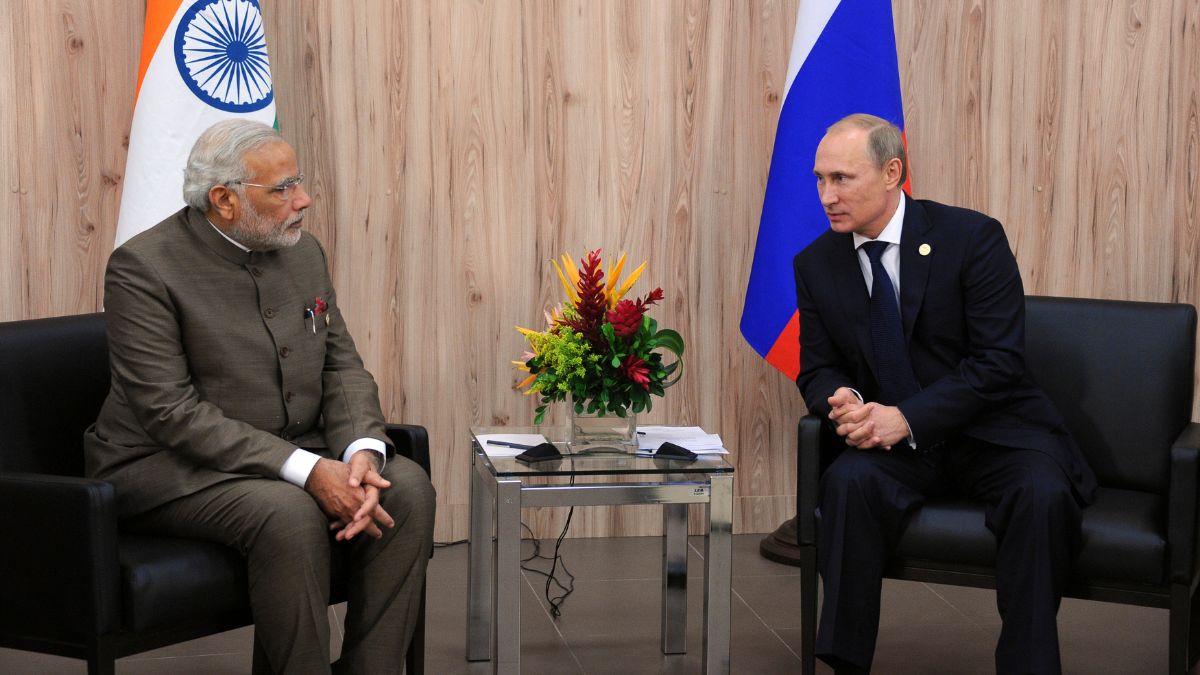
The tightrope of trust: How Modi and Putin have maintained a solid friendship since 2014

The tightrope of trust: How Modi and Putin have maintained a solid friendship since 2014

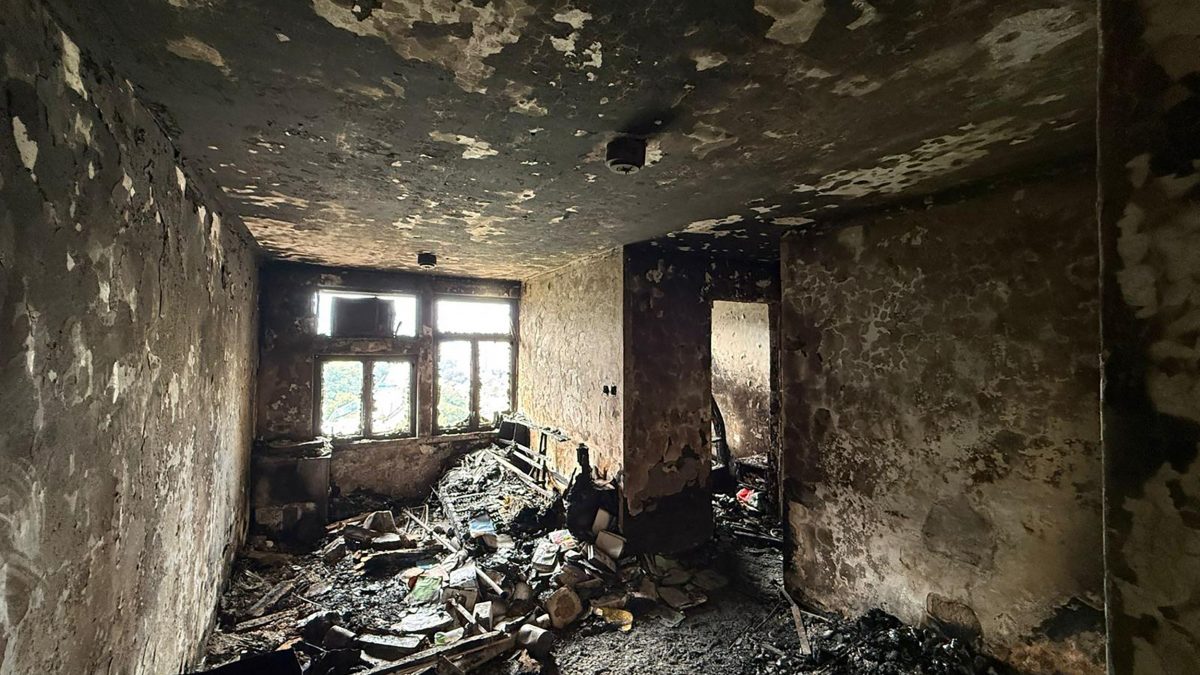
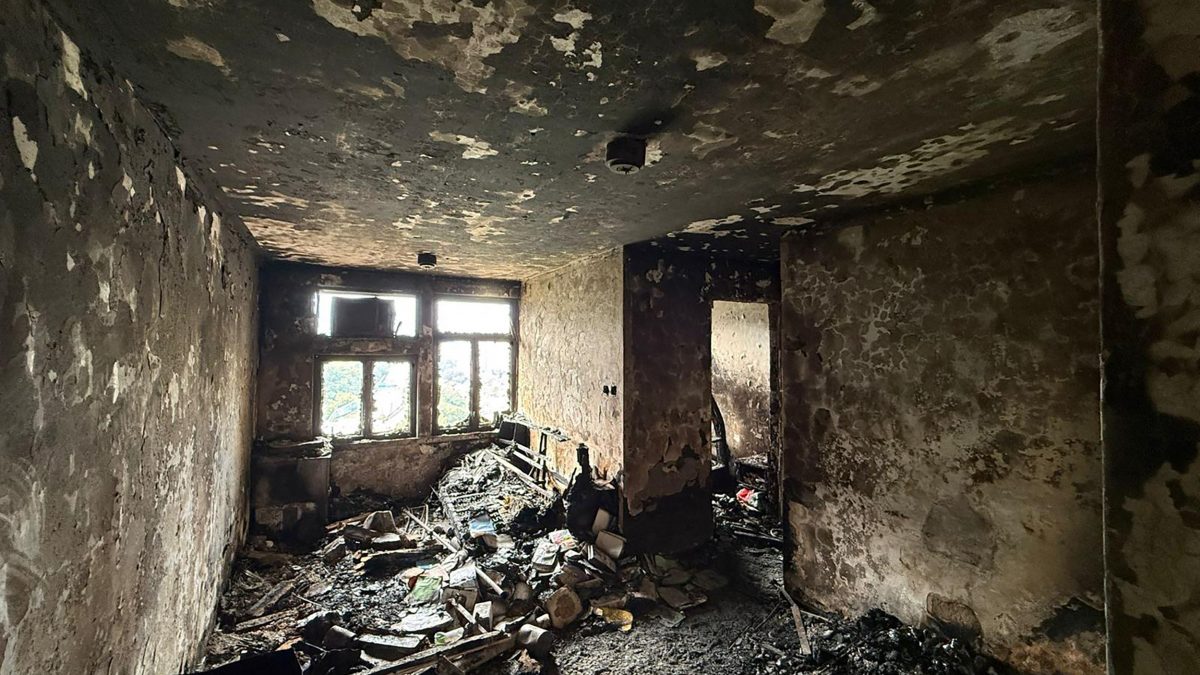
Hong Kong: First images from inside the housing complex turned firetrap for 146 residents

Hong Kong: First images from inside the housing complex turned firetrap for 146 residents

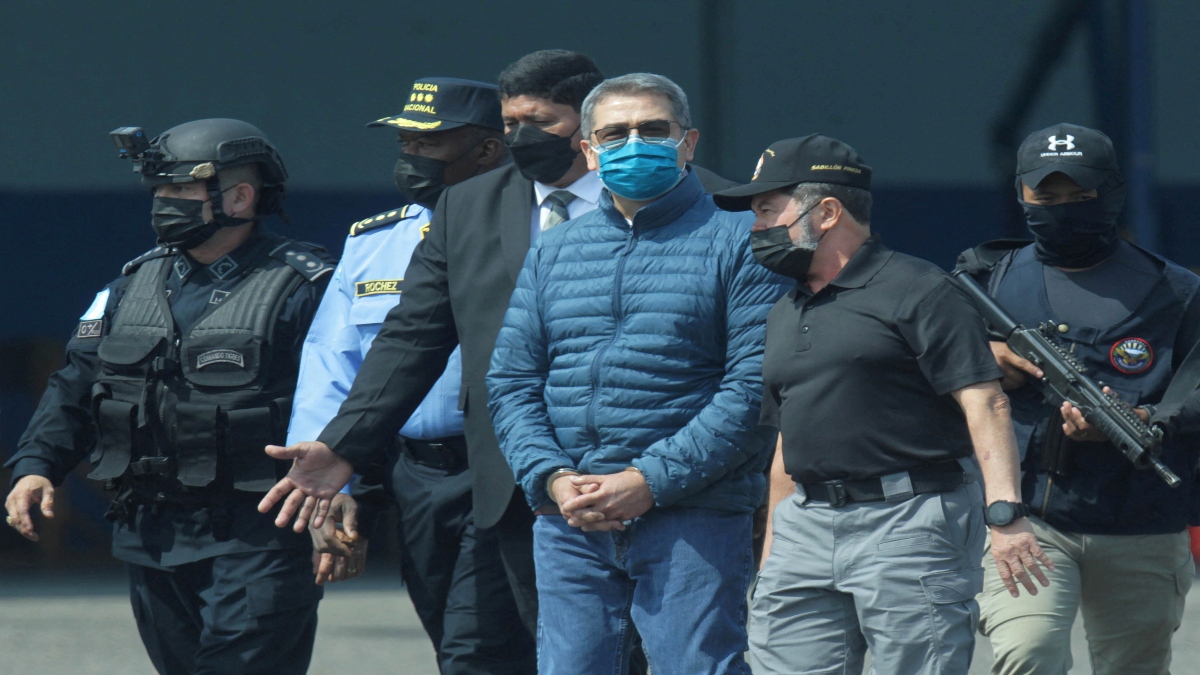
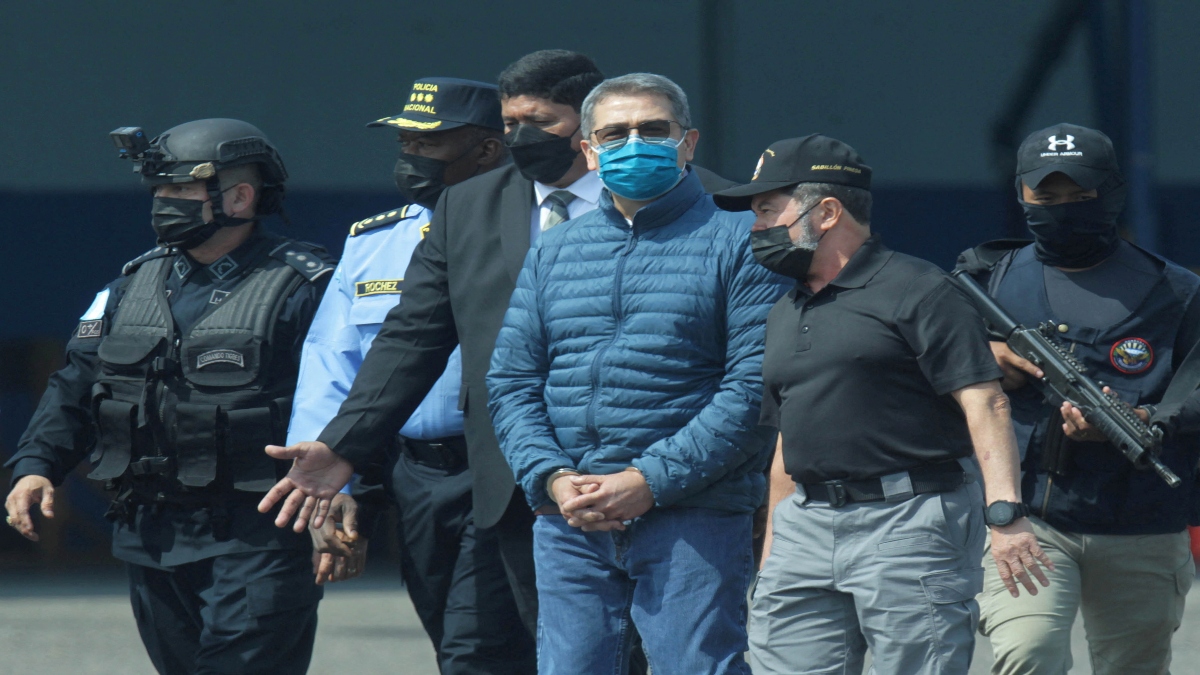
EX-Honduran president released from US prison after Trump pardon, wife says he 'returns a free man'

EX-Honduran president released from US prison after Trump pardon, wife says he 'returns a free man'

‘He’s physically fit but mentally tortured’: Imran Khan’s sister after meeting him at Rawalpindi jail

‘He’s physically fit but mentally tortured’: Imran Khan’s sister after meeting him at Rawalpindi jail

The tightrope of trust: How Modi and Putin have maintained a solid friendship since 2014

The tightrope of trust: How Modi and Putin have maintained a solid friendship since 2014

Hong Kong: First images from inside the housing complex turned firetrap for 146 residents

Hong Kong: First images from inside the housing complex turned firetrap for 146 residents

EX-Honduran president released from US prison after Trump pardon, wife says he 'returns a free man'

EX-Honduran president released from US prison after Trump pardon, wife says he 'returns a free man'

Top Shows

Vantage Firstpost America Firstpost Africa First Sports
Enjoying the news?

Get the latest stories delivered straight to your inbox.

Subscribe
Latest News About Firstpost
Most Searched Categories
  • Web Stories
  • World
  • India
  • Explainers
  • Opinion
  • Sports
  • Cricket
  • Tech/Auto
  • Entertainment
  • Photostories
NETWORK18 SITES
  • News18
  • Money Control
  • CNBC TV18
  • Forbes India
  • Advertise with us
  • Sitemap
Firstpost Logo

is on YouTube

Subscribe Now

Copyright @ 2024. Firstpost - All Rights Reserved

About Us Contact Us Privacy Policy Cookie Policy Terms Of Use
Home Video Quick Reads Shorts Live TV