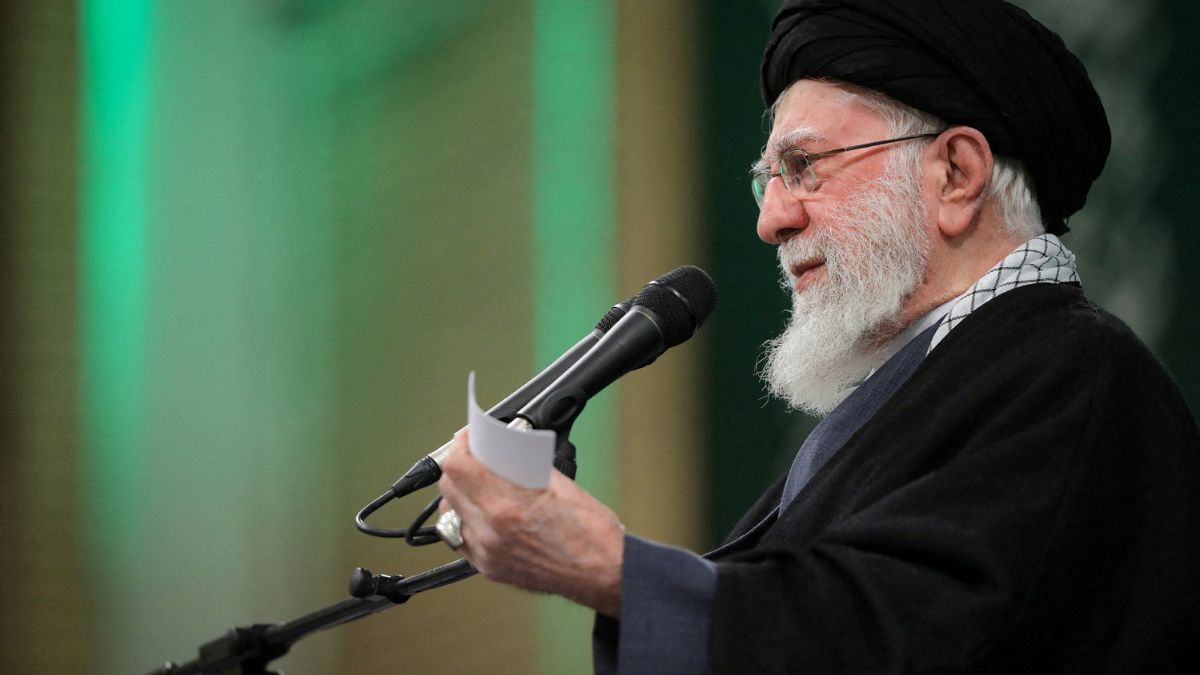
 "Did Ayatollah Ali Khamenei flee Tehran before Israel-US attack?")
In broad daylight on Saturday morning (February 28), the United States and Israel launched a coordinated strike on Iran, igniting military tensions in West Asia that have been on the brink of conflict for several weeks.
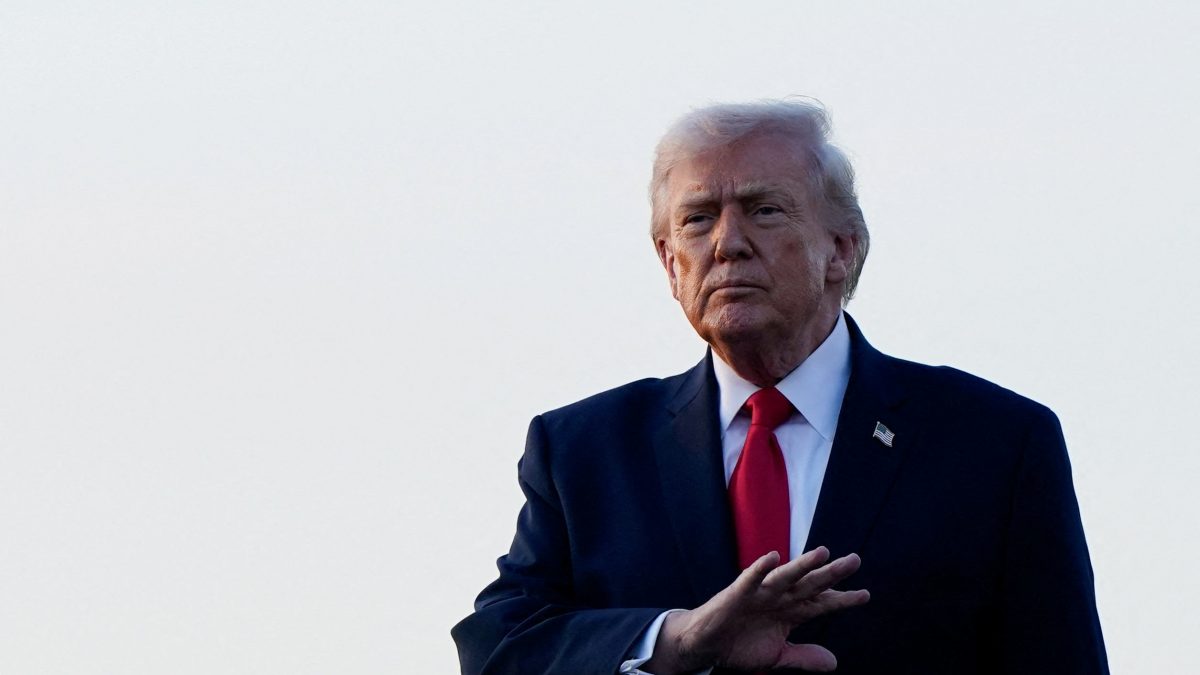
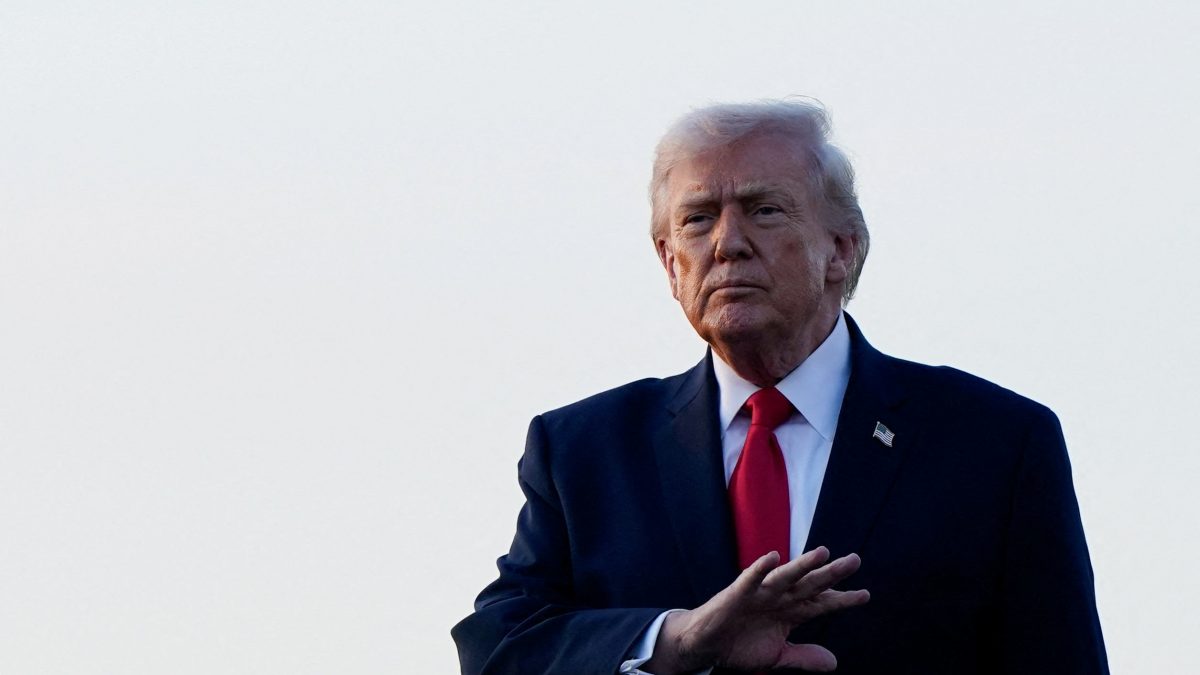
In a televised statement, US President Donald Trump confirmed strikes on Iran, saying that they (Iran) can never have a nuclear weapon. “The US would destroy their missiles and raze their missile industry to the ground,” said Trump, warning that Iran’s forces that continued resistance would be answered with overwhelming military force. He also urged Iranians to take over their government.
President Donald J. Trump on the United States military combat operations in Iran: pic.twitter.com/LimJmpLkgZ
— The White House (@WhiteHouse) February 28, 2026
Trump added, “We warned them never to resume their malicious pursuit of nuclear weapons. And we sought repeatedly to make a deal. We tried,” adding that “Iran rejected every chance to renounce their nuclear ambitions, and we can’t take it anymore.”
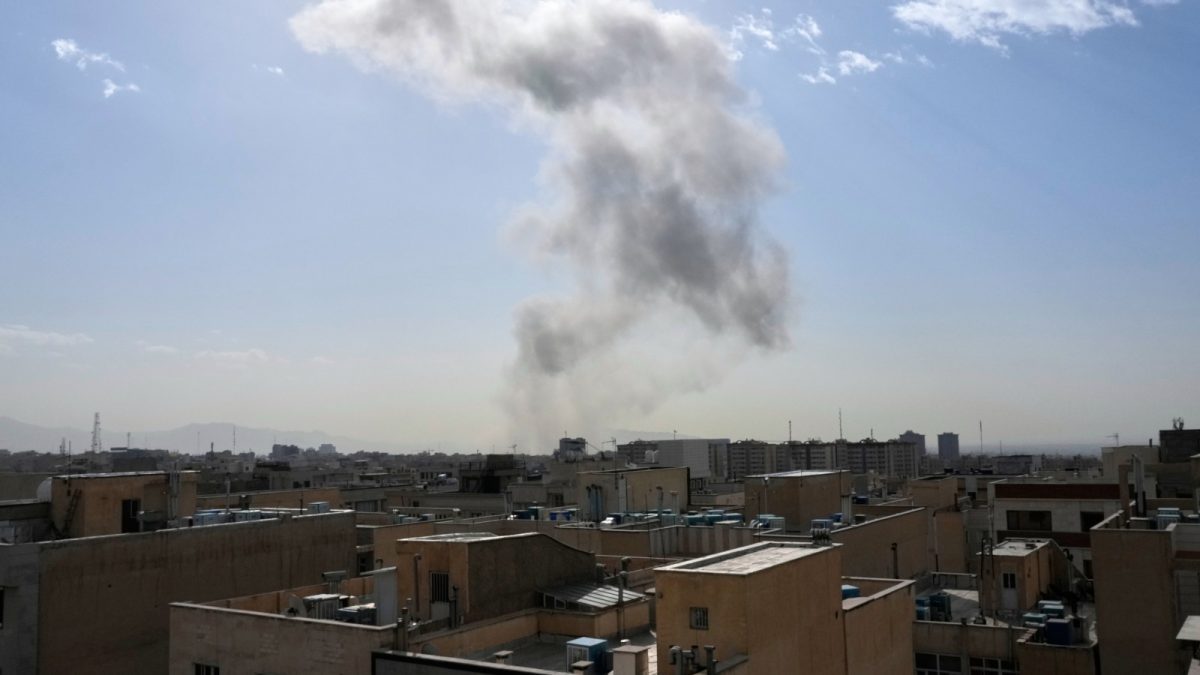
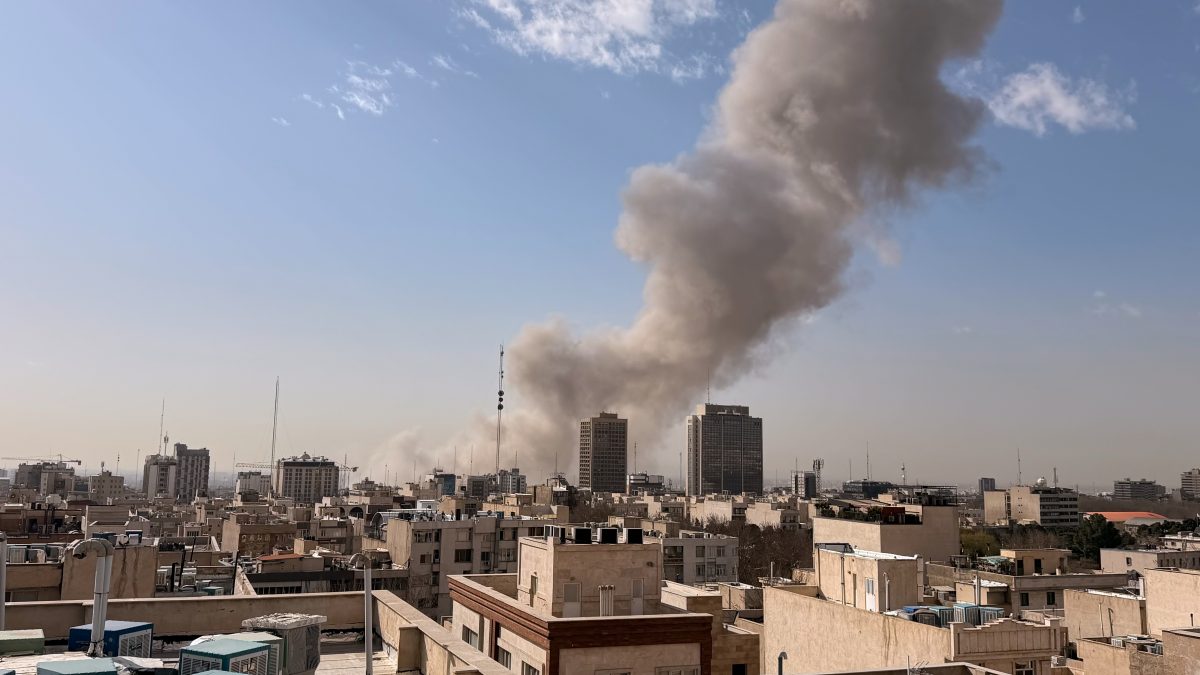
The explosions in Iran were reported near key government offices, including those linked to Iran’s Supreme Leader, Ayatollah Ali Khamenei, according to several media reports. Questions over the whereabouts of Iran’s Supreme has grown after explosions rocked Iran.
So, where is Ayatollah Ali Khamenei? Has he left Iran? We take a look.
Has Khamenei left Tehran before the attack?
Shortly after Israel and the US launched a joint operation against Iran, officials said they were targeting seniors authorities of the Iranian regime, including Supreme Leader Ayatollah Ali Khamenei. Explosions were heard around the complex that houses his offices.
However, according to Iranian sources, Iran’s supreme leader, Ayatollah Ali Khamenei, left Tehran. He has been shifted to a “secure location.” The sources also say that this move came after the strikes by the US-Israel on Iran.
Reuters also reported that Khamenei was not in Tehran at the time of the attack. The whereabouts of the Iranian supreme leader remain a secret. Khamenei hasn’t been seen publicly in days as tensions with Washington have grown.
Khamenei did not even attend the annual February 8 meeting, where Iran’s air force commanders traditionally pledge allegiance, breaking a decades-old ritual amid heightened tensions with Washington.
What did Netanyahu say about the attacks?
After the strikes, Israeli Prime Minister Benjamin Netanyahu issued a statement, saying, ‘a joint US campaign will let Iranians take their fate into their own hands.’
“My brothers and sisters, citizens of Israel, a short time ago, Israel and the United States embarked on an operation to remove the existential threat posed by the terrorist regime in Iran.”
אחיי ואחיותיי אזרחי ישראל, לפני שעה קלה יצאנו ישראל וארה״ב למבצע להסרת האיום הקיומי מצד משטר הטרור באיראן.
— Benjamin Netanyahu - בנימין נתניהו (@netanyahu) February 28, 2026
אני מודה לידידינו הגדול הנשיא דונלד טראמפ על מנהיגותו ההיסטורית.
במשך 47 שנים קורא משטר האייתוללות ״מוות לישראל״, ״מוות לאמריקה״. הוא הקיז את דמינו, רצח אמריקנים רבים וטבח… pic.twitter.com/itTF5b4jB4
Netanyahu also thanked Trump: “I thank our great friend, President Donald Trump, for his historic leadership. For 47 years, the Ayatollah regime has been shouting ‘Death to Israel,’ ‘Death to America.”
“The time has come for all segments of the Iranian people - the Persians, the Kurds, the Azeris, the Baluchis, and the Ahwazis - to throw off the yoke of tyranny and bring about a free and peaceful Iran,” Netanyahu added.
How has Iran responded to strikes?
Iran’s Revolutionary Guard has confirmed that it has launched its ‘first wave’ of drones and missiles targeting Israel, Associated Press (AP) reported. According to Iranian media, Iran has launched 30 to 75 missiles towards Israel.
Iran has closed the country’s airspace in the aftermath of the strikes. Majid Akhavan, spokesperson for Iran’s Civil Aviation Organisation, has said in an interview with the Mehr News Agency that “the entire country’s airspace has been closed until further notice”.
Moreover, mobile networks have been disrupted in several parts of Tehran. No calls are currently going through. There are also concerns that internet services might be disrupted across Iran soon.
The attack on Iran did not come out of nowhere. Strains between Iran, Israel, and the United States had been building steadily over Tehran’s nuclear and ballistic missile programmes. Just a day before the strikes, Trump said he had not yet made a final call on potential military action against Iran; however, his remarks left little doubt about this stance.
How is IDF intercepting Iran’s missiles?
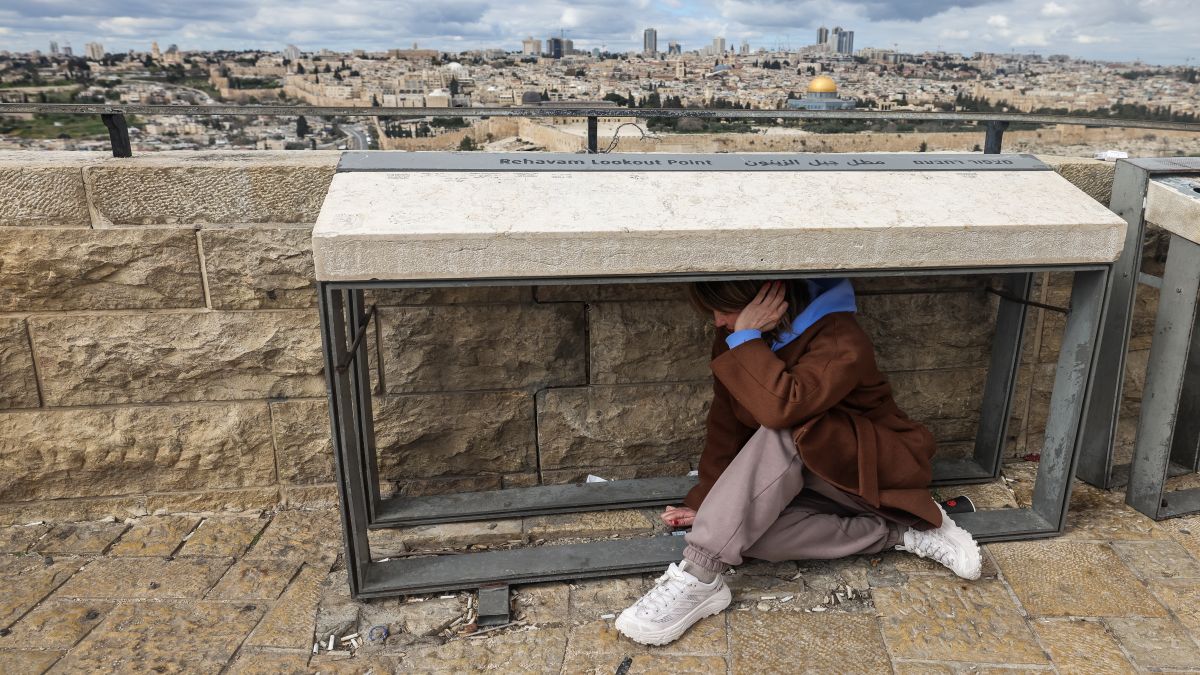
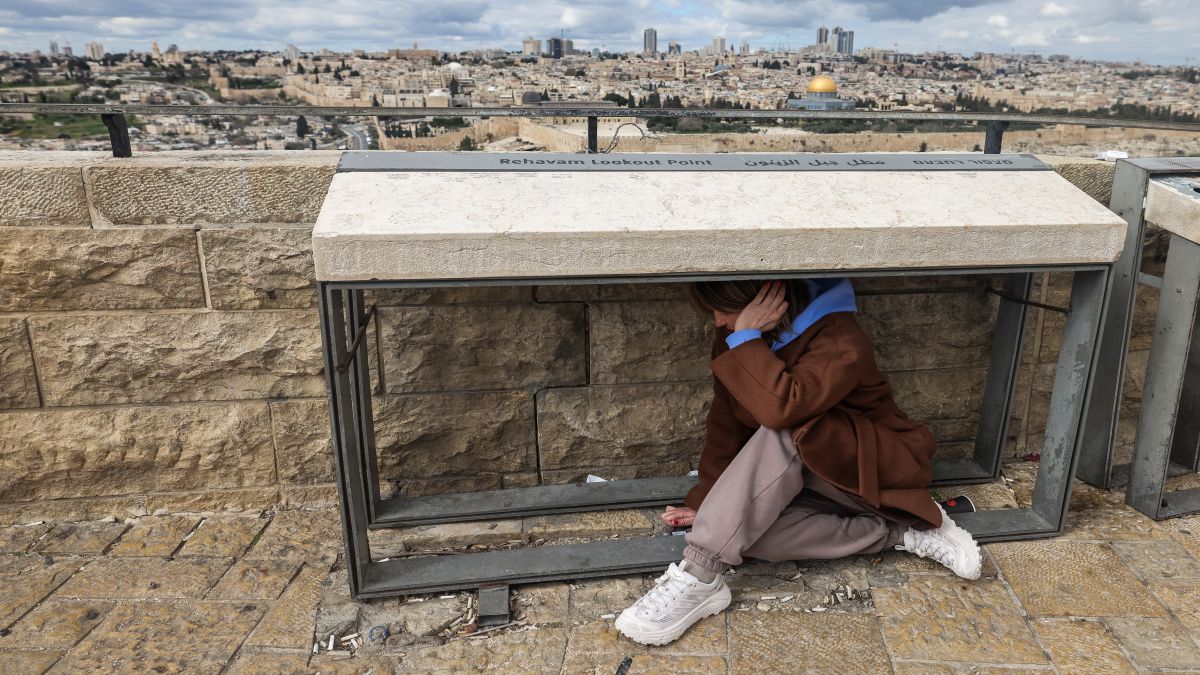
The Israel Defence Force (IDF) has said that it identified missiles launched from Iran toward the territory of the State of Israel. The Israeli military has asked civilians to take shelter.
❗️An additional barrage of missiles was launched toward Israel.
— Israel Defense Forces (@IDF) February 28, 2026
The Aerial Defense Array is currently identifying and intercepting threats.
“A short while ago, sirens were sounded in several areas across the country following the identification of missiles launched from Iran toward the State of Israel. The public is requested to follow the instructions of the Home Front Command,” BBC reported.
Adding, “At this time, the Israeli Air Force is operating to intercept and strike threats where necessary to remove the threat.”
“The defence is not hermetic, and therefore it is essential that the public continue to adhere to the Home Front Command’s guidelines. The public is requested to continue to follow the instructions of the Home Front Command.”
With inputs from agencies

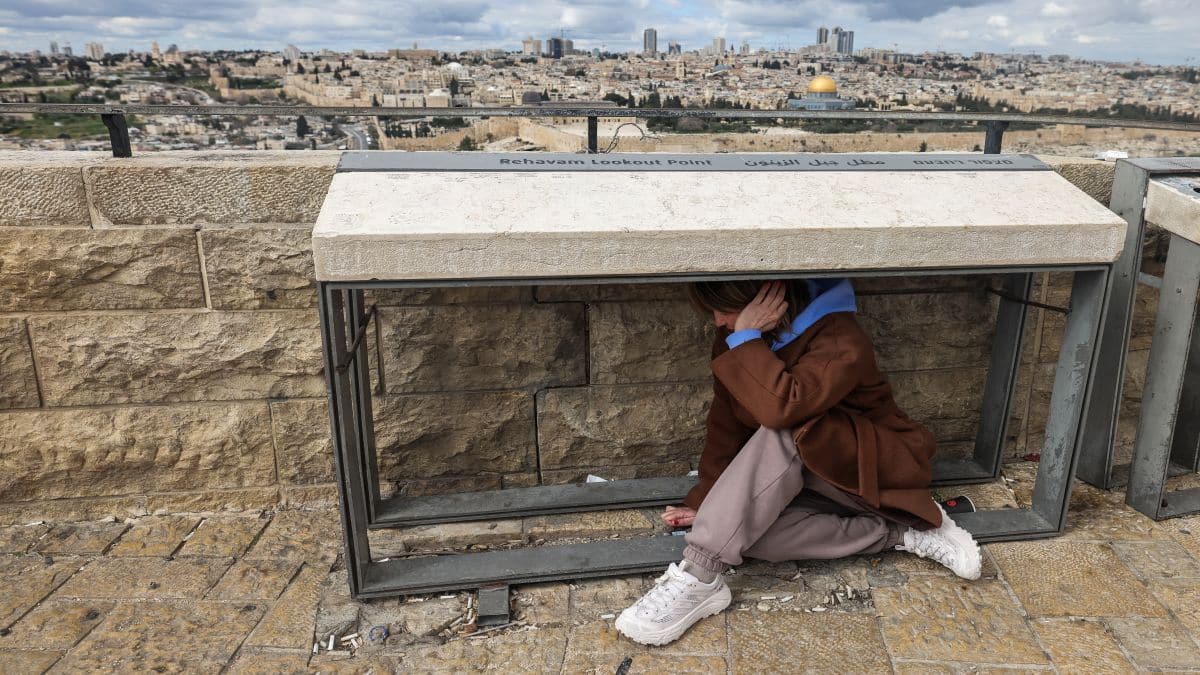
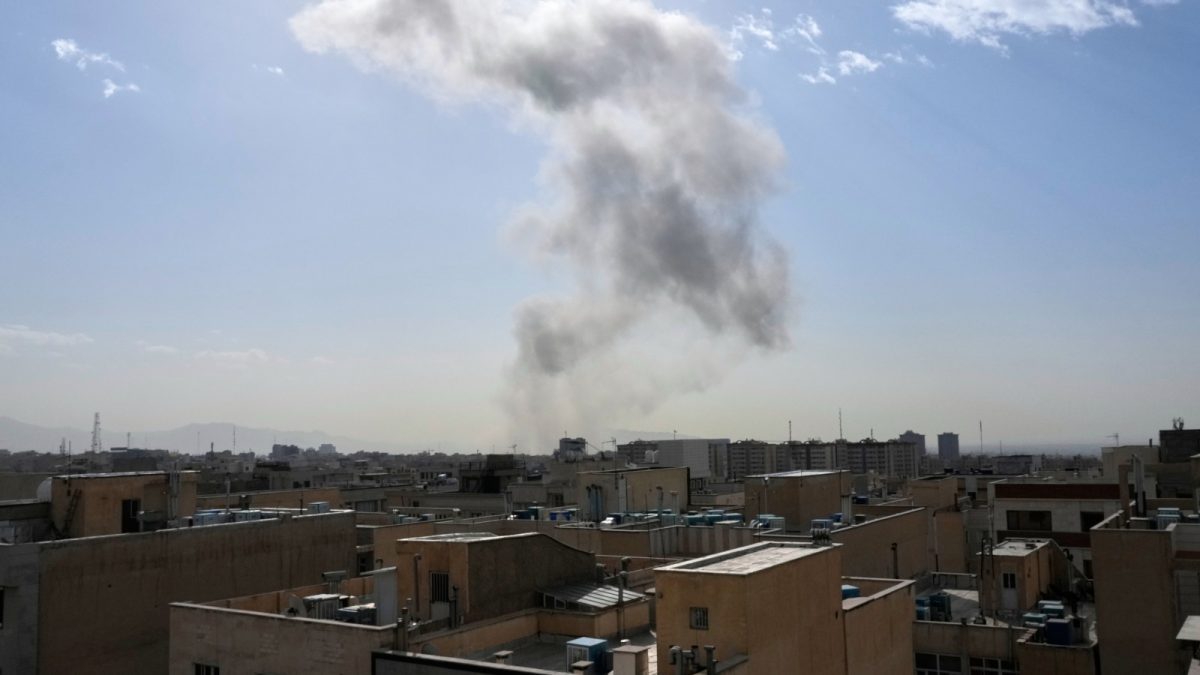 "Israel-Iran attack Live Updates: Israel urges Iranians in or around military infrastructure to evacuate immediately")
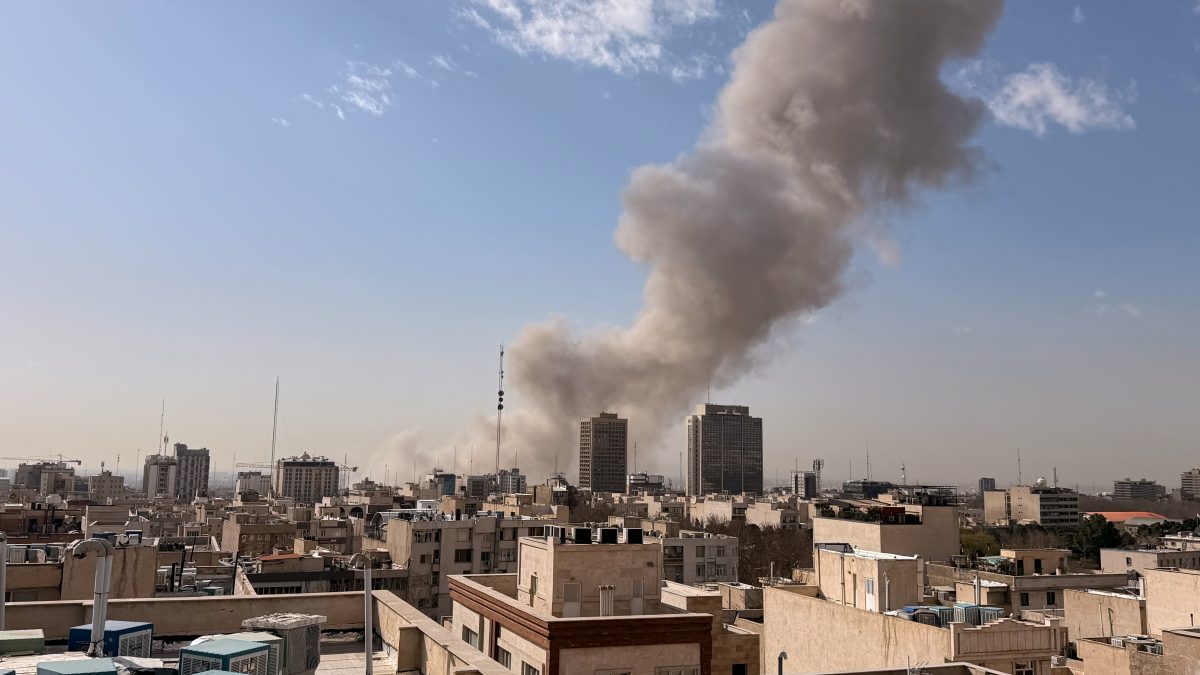 "Blasts reported across Bahrain, UAE and Kuwait as Iran retaliation fears rise after US–Israel strikes")
 "What has Israel and US targeted in Iran? How is Iran retaliating?")
 "‘Take over your govt’: Read Donald Trump’s full statement on US ‘major combat operations’ in Iran")
 "Israel-Iran attack Live Updates: Israel urges Iranians in or around military infrastructure to evacuate immediately")
 "Blasts reported across Bahrain, UAE and Kuwait as Iran retaliation fears rise after US–Israel strikes")
 "What has Israel and US targeted in Iran? How is Iran retaliating?")
 "‘Take over your govt’: Read Donald Trump’s full statement on US ‘major combat operations’ in Iran")