 "COVID-19 cases surge in India again: Is it time for booster jabs?")
The resurgence of COVID-19 in India is grabbing headlines again. India reported a daily rise of 628 new cases, which took the active infections to 4,054, according to the Ministry of Health and Family Welfare data on Tuesday (26 December) morning.
The country has registered a total of 69 cases of the new variant JN.1 so far, as per PTI. With Kerala recording one casualty in the last 24 hours, the COVID-19 death toll in India has surged to 5,33,334.
As infections are surging again this winter, people are wondering if they should take a vaccine booster dose against COVID-19. We will try to quell your doubts here.
COVID-19 situation in India
The Centre has asked states to remain vigilant in the wake of the detection of the JN.1 sub-variant. NITI Ayog member (health) Dr VK Paul said last week that India is closely monitoring this new strain from the Omicron family and emphasised the need for states to increase testing and bolster surveillance, as per Hindustan Times (HT).
Karnataka has reported 34 cases of this new strain as of Monday, of which 20 were found in Bengaluru alone.
Maharashtra minister Sanjay Bansode has directed officials to ensure the availability of ventilators, oxygen cylinders and other necessary equipment at government hospitals.
According to Delhi health minister Saurabh Bharadwaj, the National Capital is witnessing an average of three to four COVID-19 cases daily, adding that the government is prepared to combat the spike in infections, reported PTI.
Is it time for booster jab?
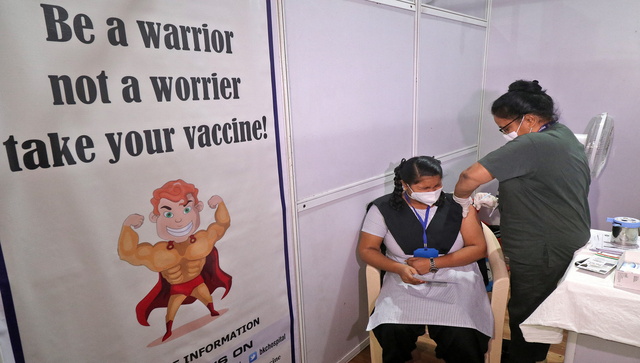
Experts suggest taking booster doses of vaccine against COVID-19 can be considered by vulnerable groups. So far, over 95 per cent of the population in India has received the first two doses of a coronavirus jab, while only a quarter have taken the third or precaution dose.
Doctors say those over the age of 60 years, or people who have uncontrolled diabetes and hypertension, chronic kidney disease, heart disease, and liver disease, could consider getting a booster dose.
Speaking to The Hindu, India SARS-CoV-2 Genomics Consortium (INSACOG) chief NK Arora said there was no need for people to get a fourth jab of COVID-19 vaccine.
“Only those over 60 years of age who have comorbidities and high-risk patients in this age group can take a precautionary third dose if they have not taken one till now. As of now, there is no need for a fourth dose in the general public. We would advise precaution and not panic,” he said.
Arora said new variants, mutations and sub-variants of COVID-19 were being detected across the world. “Fortunately, none of these Omicron variants have really been associated with more severe disease or hospitalisation,” the INSACOG chief told the English daily.
Singapore is also reeling from an uptick in COVID-19 infections driven by the JN.1 variant. According to Indian Express, data from the island country reveals that those who took their last jab less than a year ago were less susceptible to severe illness as compared to those who got the vaccine over a year ago.
Experts recommend taking basic preventive measures such as wearing masks, social distancing, and hand hygiene to tackle the transmission of infection.
Dr Anurag Agarwal, Dean of Biosciences and health research at the Trivedi School of Biosciences of Ashoka University, told Indian Express, “Almost everyone in India has had the infection at least two or three times so far. Most have also received at least two doses of the vaccine. This high, population-level immunity will mean that we are not likely to see the typical pneumonia-like symptoms that were seen during the first and second wave. Most infections would cause upper respiratory tract symptoms. So vaccinating to reduce the number of infections does not make sense”.
The symptoms of JN.1 , which is a descendant of the BA.2.86 lineage (Pirola) of SARS-COV-2, include fever, cough, sore throat, diarrhoea and body aches.
It is believed the JN.1 variant is more transmissible and better at evading immunity. However, its symptoms are mild and there have been no reports so far to indicate that the variant leads to higher hospitalisations.
Should vaccines be updated?
The COVID-19 vaccines developed in India against the intial strain of Sars-CoV-2 were tested against Omicron variants detected earlier and were found to be effective.
Experts say vaccines coupled with natural infection are expected to protect against the emerging variants, reported Indian Express.
Dr Ameet Dravid, infectious disease expert at Noble Hospital, told HT that the poor response from people in India towards precautionary doses has dissuaded pharma companies from tailoring their vaccines against newer variants.
“The manufacturing becomes cost-effective for the companies only if the doses are manufactured in millions. However, the old COVID-19 vaccines with old variants have given enough cross-immunity to the people in the protection of the infection caused by the new sub-variant of SARS-CoV-2,” he was quoted as saying by the newspaper.
In America, the vaccines developed for XBB variants have proven effective against Pirola and its descendant JN.1, according to the US Centers for Disease Control and Prevention (CDC).
India could also have a vaccine against the XBB1 variant in the near future. Pune-based Serum Institute of India (SII) told The Hindu in a statement recently that it is “currently offering a XBB1 variant vaccine which is very similar to the JN.1 variant in the US and Europe. In the coming months, we are aiming to obtain licensure of this vaccine for India. We plan to submit the necessary documentation to the regulators, with the goal of making it available to the public.”
With inputs from agencies