

 "'A balancing act': How global media reported PM Modi's Ukraine visit")
Prime Minister Narendra Modi made history with his groundbreaking visit to Ukraine, becoming the first Indian PM to set foot in the country since diplomatic ties were established in 1992.
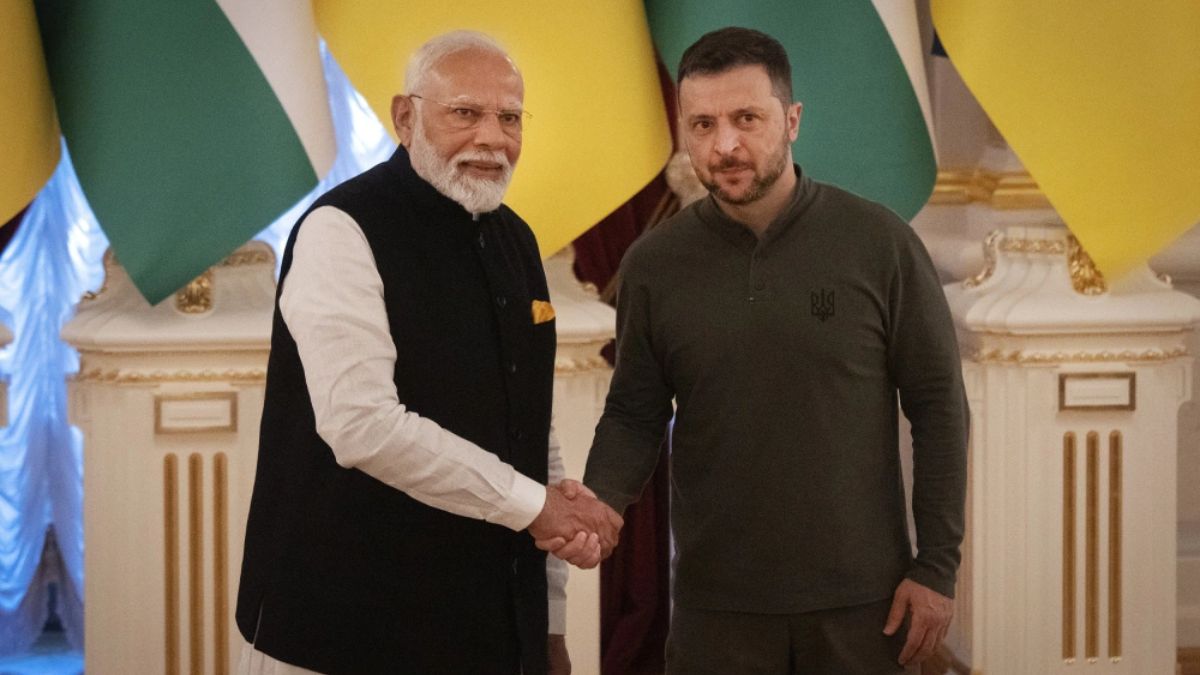
During his visit to Kyiv, Modi met with Ukrainian President Volodymyr Zelenskyy, shared a warm embrace and held a moment of silence at a memorial dedicated to children who lost their lives in the ongoing Russian invasion.
PM Modi also extended India’s support, offering to help bring peace to the war-struck nation and positioning himself as a “friend” to Ukraine, igniting hope among many who see India as a potential mediator in the conflict between the two nations.
This visit, which came just months after Modi’s trip to Moscow, has attracted considerable global media attention, with many reflecting on its potential implications for the conflict and India’s foreign policy.
From being labelled as a ‘balancing act’ to being called a ‘symbolic gesture,’ here’s how international media reported on PM Modi’s visit to Ukraine.
Reuters
The agency reported that PM Modi’s Ukraine visit comes at a “volatile juncture” in the war launched by Russia in February 2022, where Moscow is making slow gains in eastern Ukraine as Kyiv presses a cross-border incursion.
It also reported the Ukraine visit had optics that “closely resembled” Modi’s visit to Moscow last month where he called for peace and embraced Russian President Vladimir Putin.
It further said that this stance had angered Ukraine, especially after a Russian missile attack struck a children’s hospital in Ukraine on the same day Modi met with Putin.
Impact Shorts
More ShortsPreviously, Mykhailo Podolyak, an adviser in Zelenskyy’s office, had told Reuters that Modi’s Ukraine visit was significant because New Delhi “really has a certain influence” over Moscow and it was “extremely important” to build relations with such countries to “explain…what the correct end to the war is and that it is also in their interests.”
The New York Times
The outlet said, “Modi has carefully calibrated his country’s relations with the two warring nations.”
It quoted Harsh V. Pant, a professor of international relations at King’s College London as saying that Modi’s Kyiv visit was “about positioning India as a voice of the global south” on the war in Ukraine.
Prime Minister Narendra Modi of India arrived in Kyiv on Friday, furthering a long diplomatic effort by Ukraine to engage non-Western nations in potential settlement talks in the war with Russia. https://t.co/biW4Ffmgkr
— The New York Times (@nytimes) August 23, 2024
Pant further told the NYT that Modi’s trip created a chance “to talk about, in some ways, the impact this conflict has had” on poorer nations.
AP
The American news agency said the visit to Ukraine could be an “attempt by Modi to strike a more neutral stance after what has been seen as his lean toward Russia”.
A Ukrainian analyst told AP that the outcome of Modi’s first visit is likely to be modest, as this is just “the beginning of a complex dialogue between India, Ukraine, and Europe."
“Establishing relations with India will be challenging and a long process,” said Yurii Bohdanov on his Telegram channel. But stressed the importance of this relationship for Ukraine.
Bohdanov also noted that if India supports Ukraine’s peace efforts, it could strengthen Kyiv’s influence in the “Global South,” where India competes with China for influence. He added that this support could “increase pressure on Russia."
BBC
Modi’s visit to Ukraine is more about signalling the world that “while India will continue to have strong relations with Russia, it will still work closely with the West,” the British media outlet wrote in a report titled, ‘Diplomatic tightrope for Modi as he visits Kyiv after Moscow’.
It also quoted Michael Kugelman, director of the South Asia Institute at the Wilson Centre think-tank in Washington, who said the trip will further reassert India’s strategic autonomy.
“India isn’t in the business of placating Western powers, or anyone for that matter. It’s a trip meant to advance Indian interests, by reasserting friendship with Kyiv and conveying its concerns about the continuing war,” he said.
During the visit, PM Modi emphasised India’s long-standing commitment to peace, drawing on the legacy of Mahatma Gandhi, whose statue he visited in Kyiv. However, the outlet pointed out that “behind the language, the fact remains that India has never condemned Russia’s full-scale invasion” and has, in fact, “been helping to power Moscow’s war economy” by buying Russian oil, even as Western sanctions have intensified. Global Times The Chinese media outlet was rather critical of PM Modi’s Ukraine visit labelling it as a “symbolic gesture…unlikely to significantly advance peace talks”. The report titled ‘Modi’s Kyiv visit ‘a symbolic gesture’ for peace talk’ said that the visit is framed as “an effort to balance its relations between the US and Russia”, particularly in light of the criticism India faced for Modi’s recent visit to Russia. Contrary to global reports, Cui Heng, a research fellow at the Center for Russian Studies at East China Normal University, told the outlet that India’s limited collective support and the scarce resources it can allocate to global issues like the Russia-Ukraine conflict make its potential role in mediation relatively limited. Moscow Times The Moscow Times highlighted India’s ongoing trade with Russia amid Western sanctions over Moscow’s invasion of Ukraine. The report by the Russian news outlet noted, “…while Modi’s visit may be interpreted as a gesture of support for Kyiv in its fight against Russian forces, it’s important to recall that he visited Moscow in early July after his re-election for a third term—a move widely perceived as defying the free world.” Al Jazeera Citing strategic analysts, the Qatar-based news outlet said, Modi’s “unprecedented” visit could help India bolster its status as a potential peacemaker in the conflict and play a role in pushing the two sides towards talks.
“Prime Minister Modi’s visit might create an opportunity for dialogue and diplomacy,” Anil Trigunayat, a retired Indian diplomat and strategic analyst who also served in Russia, told Al Jazeera. “It is not an easy task,” he conceded. “But try we must for peace.”
With input from agencies

 "Russian drones over Poland: Trump’s tepid reaction a wake-up call for Nato?")
 "As Russia pushes east, Ukraine faces mounting pressure to defend its heartland")
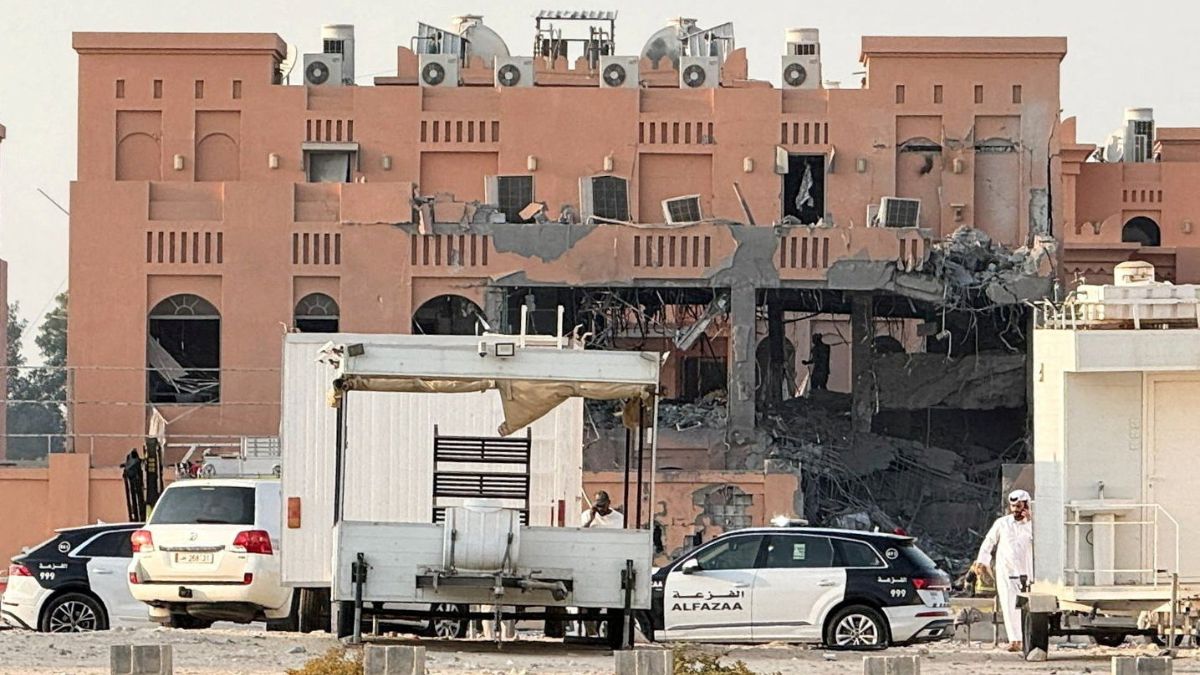 "Why Mossad was not on board with Israel’s strike on Hamas in Qatar")
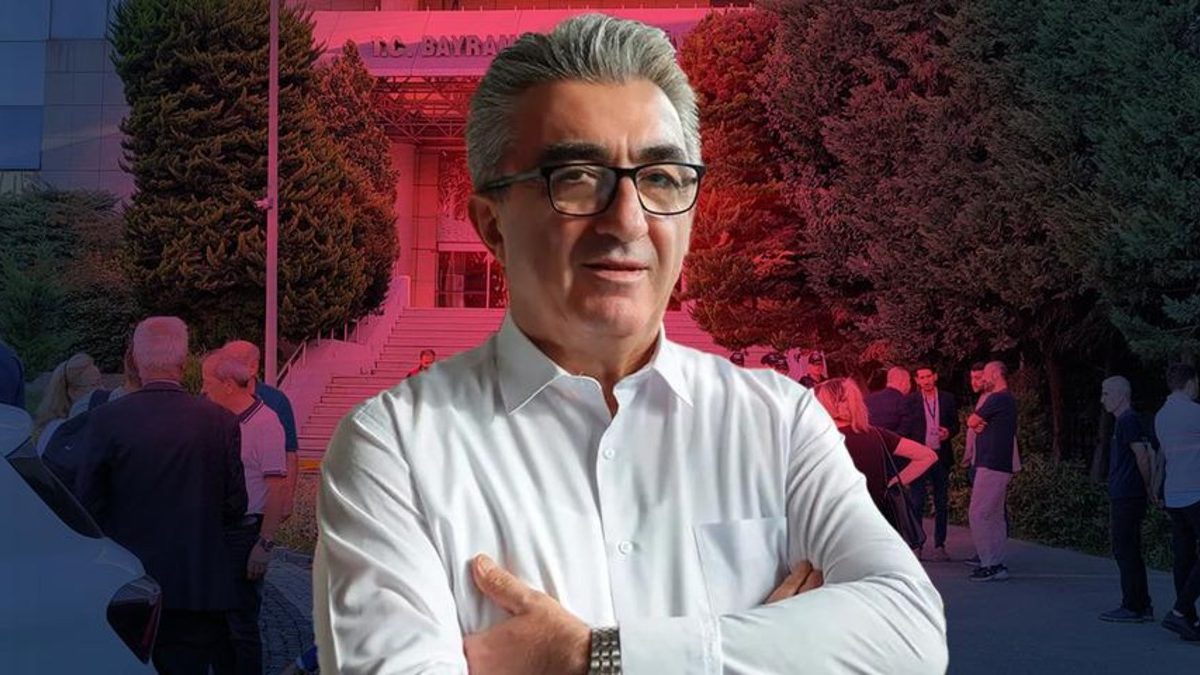 "Turkey: Erdogan's police arrest opposition mayor Hasan Mutlu, dozens officials in corruption probe")
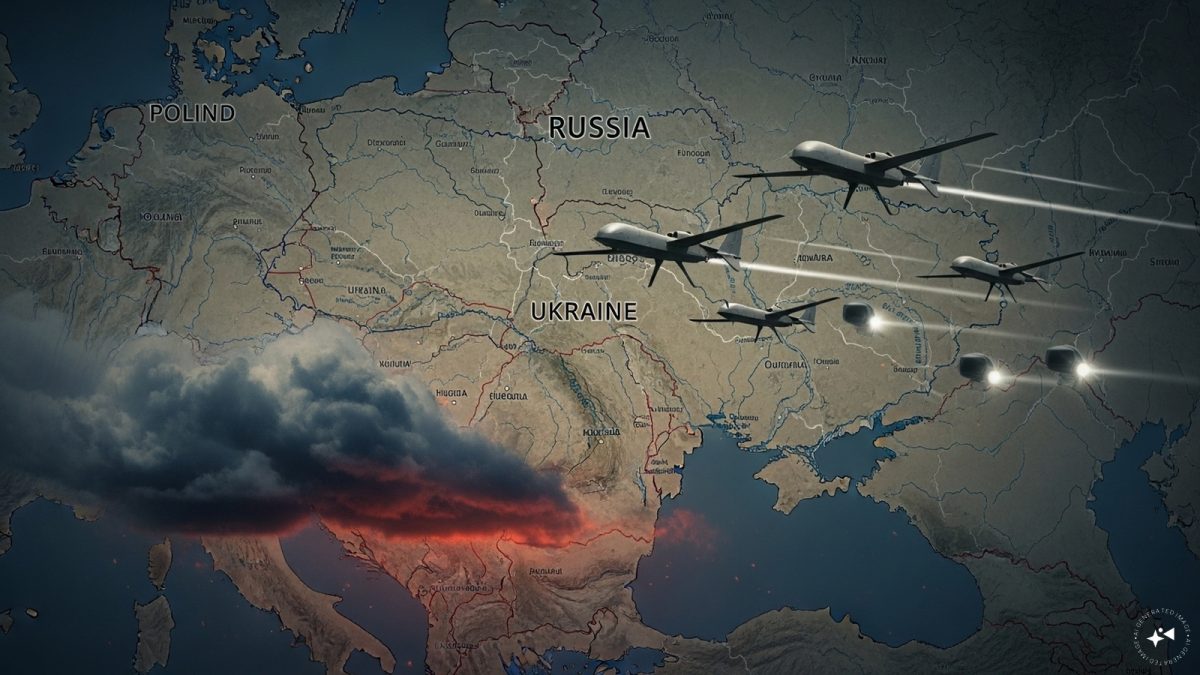 "Russian drones over Poland: Trump’s tepid reaction a wake-up call for Nato?")
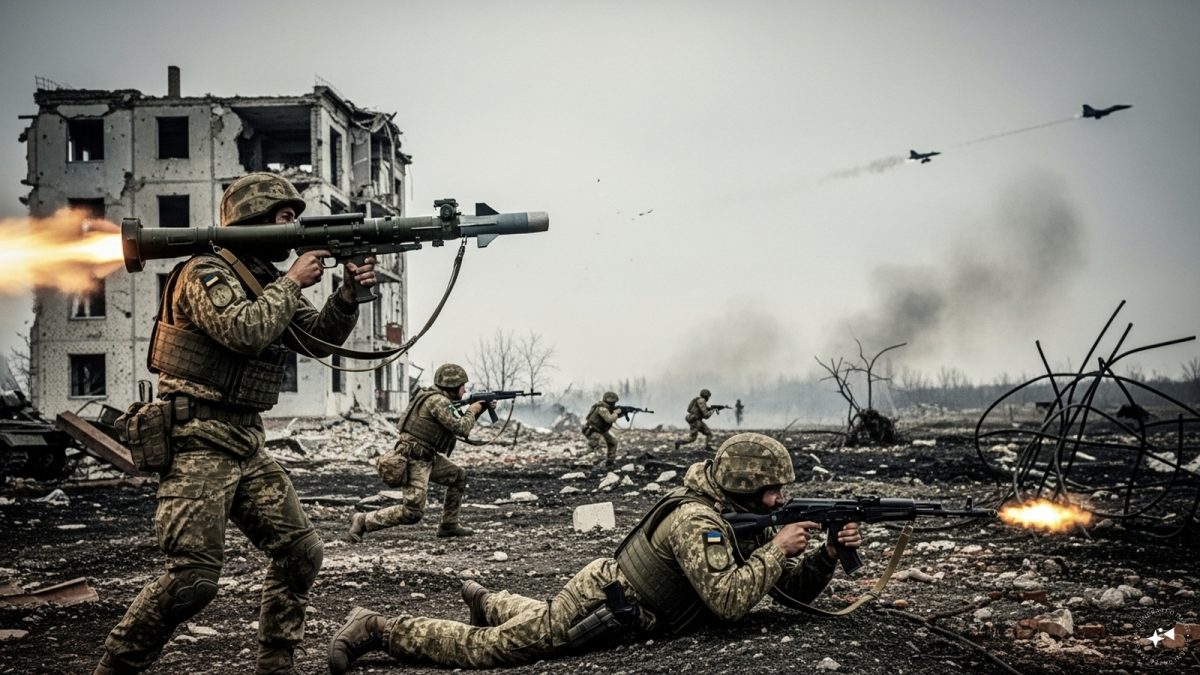 "As Russia pushes east, Ukraine faces mounting pressure to defend its heartland")
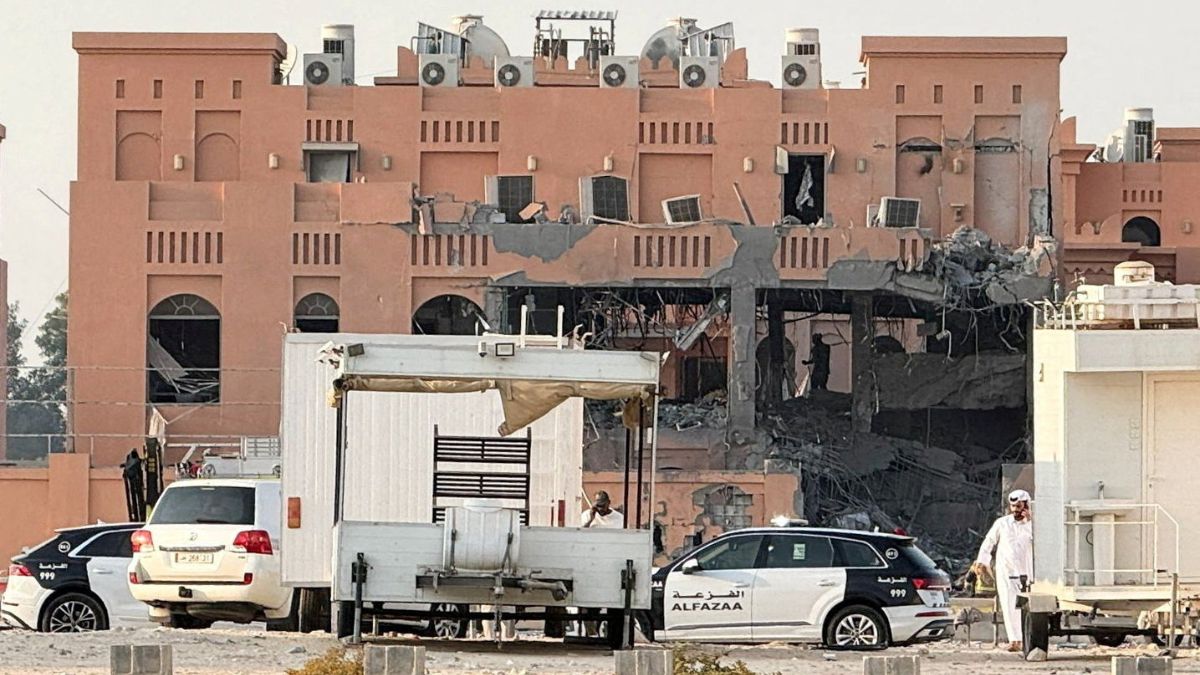 "Why Mossad was not on board with Israel’s strike on Hamas in Qatar")
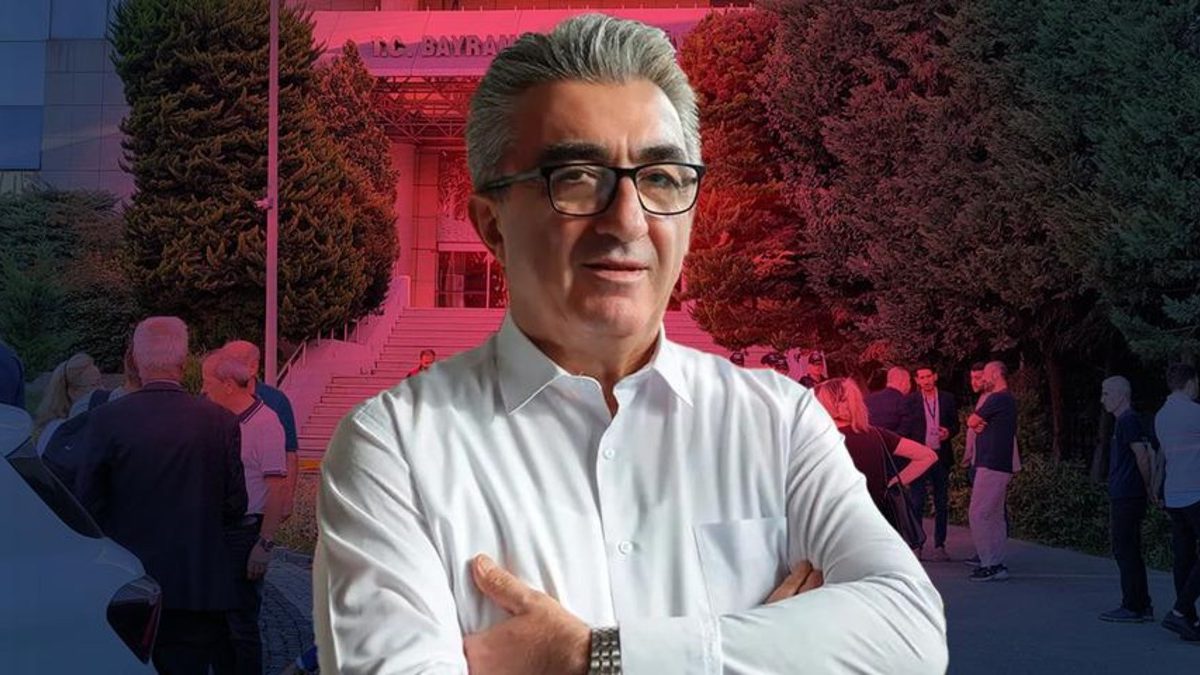 "Turkey: Erdogan's police arrest opposition mayor Hasan Mutlu, dozens officials in corruption probe")



