

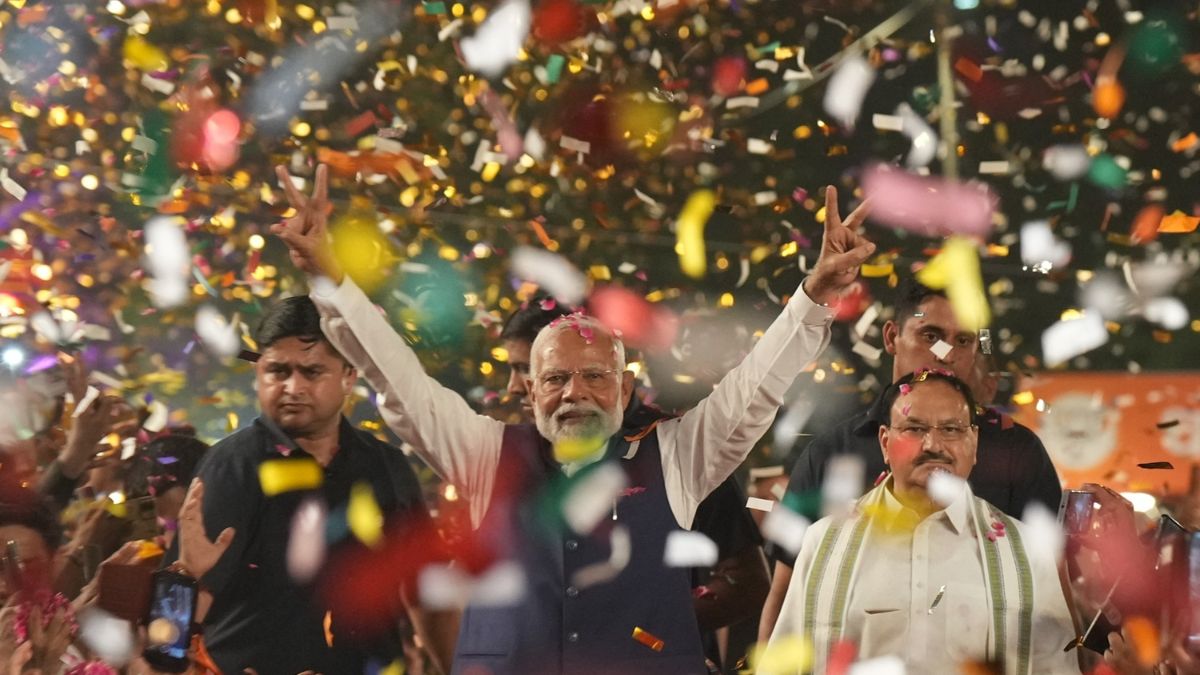
 "In Lok Sabha election 2024, BJP got 69 lakh more votes from 2019, but 63 fewer seats. Here's how")
The 2024 Lok Sabha election results have been rather shocking for the Bharatiya Janata Party (BJP). The party saw its national vote share fall 0.7 per cent from 37.3 per cent in 2019 to 36.6 per cent this year.
In terms of absolute votes, however, the number of votes BJP received has gone up. In 2019, the party garnered 22.9 crore votes, while in 2024, it received 23.59 crore votes. That means an additional 68.97 lakh people voted for the saffron party this election.
Despite receiving nearly 70 lakh more votes than the last election, the party’s seat tally dropped by a significant 63 seats, from 303 to 240. How did a 0.7 per cent drop in voter share translate to an 11 per cent drop in seat share for the BJP?
This paradoxical outcome is primarily due to the first-past-the-post (FPTP) electoral system that India follows.
Understanding the FPTP system
The FPTP system, which India adopted from the British, is a plurality voting method used in many countries. Under this system, the country is divided into various constituencies, each electing one representative to the parliament. The candidate who receives the most votes in a constituency wins the seat, regardless of whether they secure an absolute majority. This system is simple and straightforward but can lead to significant discrepancies between the percentage of votes received by a party and the number of seats it wins.
In the FPTP system, winning or losing a constituency depends on having more votes than any other candidate, not necessarily a majority of votes. Several factors can lead to a significant discrepancy between votes received and seats won.
Impact Shorts
More ShortsHere’s an example: In one constituency, X, there are 100 voters, and three candidates contesting for the seat. Let’s say Candidate A wins 36 votes, Candidate B wins 35, and Candidate C wins 29 votes. While Candidate A does not have an absolute majority, they will still have that seat and represent the entire constituency. That is, they will be considered the voice of 100 per cent of the people of that constituency, despite having the support of only 36 per cent of them.
So, what happened to the BJP?
A game of margins
Margin of winning is an important factor that can help explain what happened to the BJP in this Lok Sabha election.
In multiple constituencies, the Narendra Modi-led party has won with a high margin. BJP’s win in Madhya Pradesh illustrates this quite well. Consider the record-breaking win of Indore’s incumbent Member of Parliament, Shankar Lalwani. This BJP politician received a whopping 11.2 lakh more votes than the runner-up candidate. Former MP chief minister Shivraj Singh Chouhan won from Vidisha by 8.21 lakh votes.
Although the votes from Indore and Vidisha (almost 20 lakh in total) added to BJP’s voter share, they did not translate into more wins in terms of seats.
In contrast, there were several places where BJP leaders lost by much closer margins. Union Minister RK Singh, for instance, lost to CPI-ML’s Sudama Prasad by a margin of 59,808 votes in Arrah Lok Sabha seat.
RK Singh reeled in nearly 47 lakh votes. They added to voter share, but did not translate to getting more seats.
The right concentration worked for opposition
The opposition parties’ voter base concentration worked in their favour. Simply put, these parties, including Congress, had just enough supporters in several constituencies to win seats. Instead of most of their voters being concentrated in a select few pockets, the opposition parties’ supporters were geographically spread out in a way that allowed them to win seats, even if with comparatively smaller margins.
This is why Congress, despite increasing its voter share by only 1.7 per cent from 19.5 in 2019 to 21.2 per cent in 2024, managed to increase its seat-share by nearly 9 per cent.
Some more discrepancies
It is important to note that the BJP still won more seats than the voter share it has. The party has 36.6 per cent of the total votes, but 44.1 per cent of the seats in the Lok Sabha.
Congress, on the other hand, has secured 21.2 per cent of the votes polled, but only 18.2 per cent of the seats.
The question is, if the FPTP system leads to so many discrepancies, why does India follow it?
The reasons behind following FPTP system
There are some alternative systems to FPTP. Proportional representation (PR) systems, for example, ensure that the number of seats a party gets are equal to the number of seats they get.
However, India has stuck to the FPTP system for the benefits it offers.
Simplicity: The FPTP election system is straightforward, making it accessible for all voters, regardless of their knowledge of politics. During elections, voters simply select a candidate or a party to support. In contrast, the PR system involves complex calculations for seat distribution, making it harder for voters to understand how their vote will reflect in the elections.
Choice to vote for party and/or candidate: FPTP allows voters to choose both a political party and an individual candidate. This flexibility means voters can prioritize the party’s platform, the candidate’s qualities, or a combination of both. In PR systems, voters typically select a political party, and the representatives are then chosen from a pre-determined party list.
Smooth functioning and stability: FPTP often results in the largest party or coalition receiving additional seats, leading to a stable and effective government. This system supports the formation of majority governments, which can function smoothly. Conversely, PR systems usually lead to coalition governments, which can suffer from indecision, numerous compromises, and legislative gridlock.
Lack of political will: The power to change the election system lies with those elected under the current system. Often, these parties have mastered navigating the existing framework and have little motivation to alter a system that benefits them.

 "Russian drones over Poland: Trump’s tepid reaction a wake-up call for Nato?")
 "As Russia pushes east, Ukraine faces mounting pressure to defend its heartland")
 "Why Mossad was not on board with Israel’s strike on Hamas in Qatar")
 "Turkey: Erdogan's police arrest opposition mayor Hasan Mutlu, dozens officials in corruption probe")
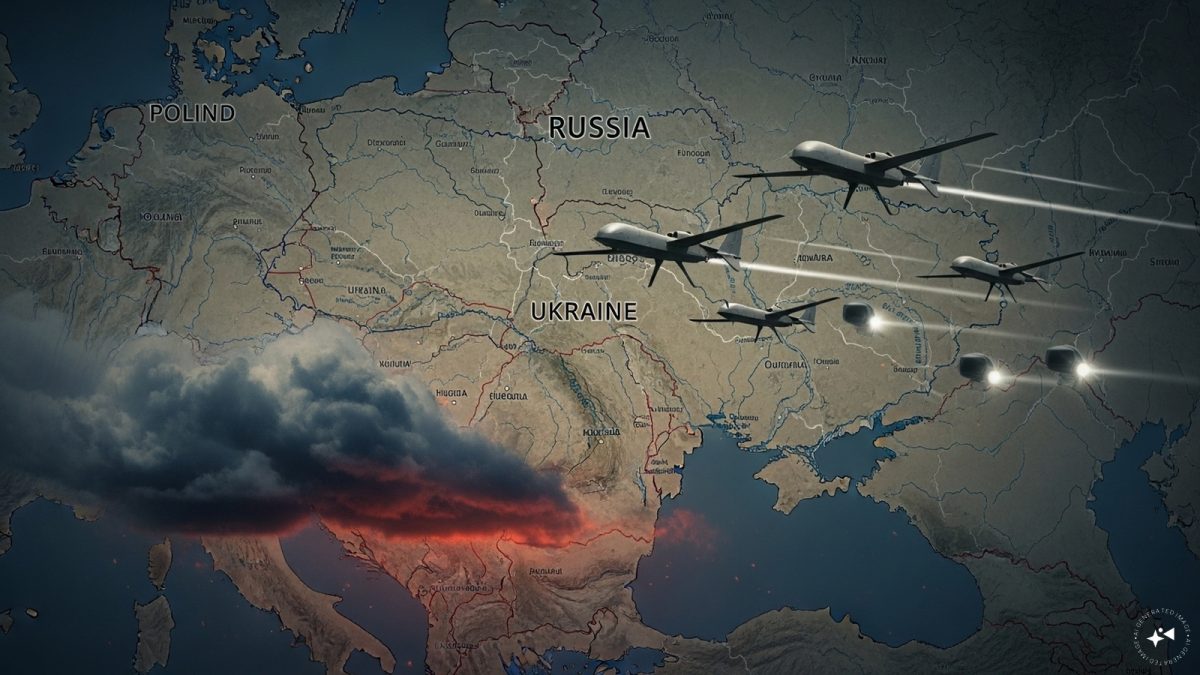 "Russian drones over Poland: Trump’s tepid reaction a wake-up call for Nato?")
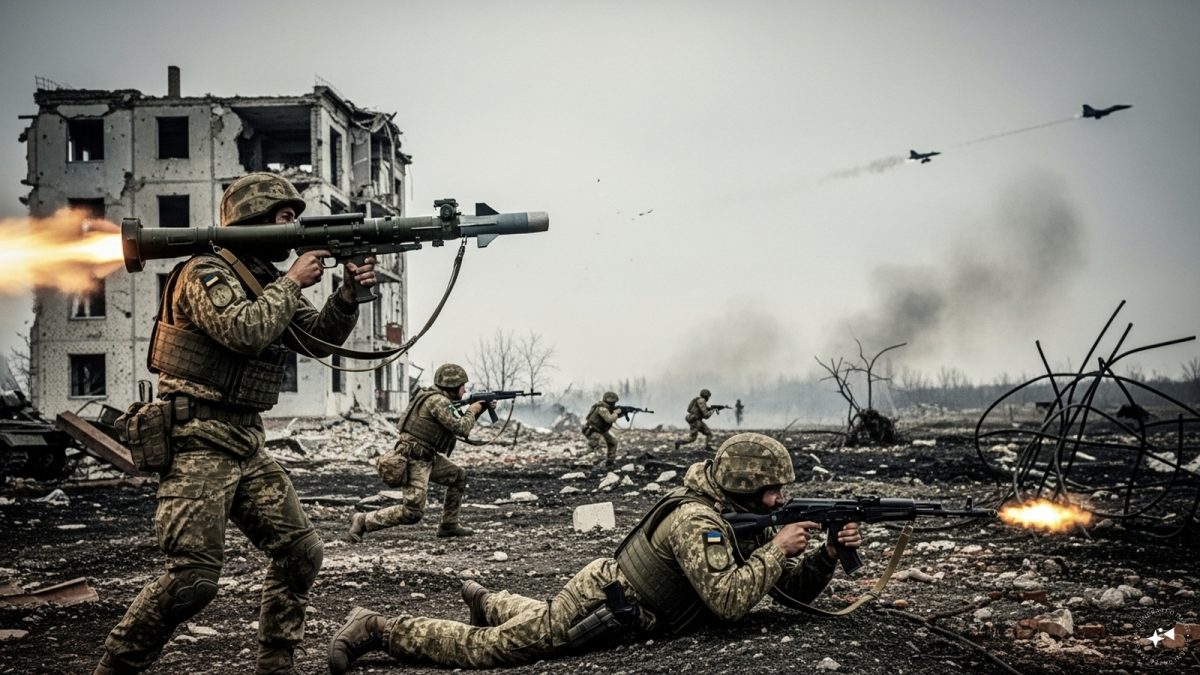 "As Russia pushes east, Ukraine faces mounting pressure to defend its heartland")
 "Why Mossad was not on board with Israel’s strike on Hamas in Qatar")
 "Turkey: Erdogan's police arrest opposition mayor Hasan Mutlu, dozens officials in corruption probe")



