

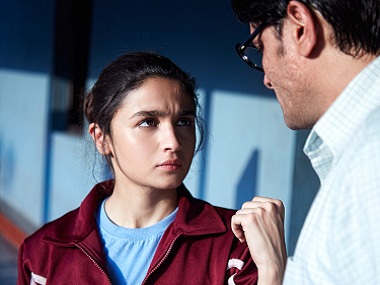
 "With Raazi, Zoya Factor, Bollywood's finally catching up on potential of book-to-screen adaptations")
Among the 90 winners of the Academy Award for Best Film so far, 37 were adaptations of literary works. At the recently concluded Oscars 2018, 16 of the nominated films were based on books. Steven Spielberg’s latest — Ready Player One — is a book-to-screen adaptation, as is the Disney release A Wrinkle In Time. And 2019’s “biggest” film — Martin Scorsese’s The Irishman — too takes off from a 2003 book. Hollywood’s fascination with screen adaptations of books harks back to the era of silent films; the same, however, cannot be said of Hindi cinema. Barring an occasional Sarat Chandra Chattopadhyay, Rajinder Singh Bedi or Shakespeare (and Chetan Bhagat!), books have inspired few films. This seems particularly odd when one considers that India ranks highest in the world when it comes to the reading habit (as per the NOP World Culture Score Index 2017) while the US and UK are nearly at the bottom of the table. However, it seems the scenario is set for a major reversal with no fewer than 13 films — all adapted from books — in the works at present. Read on Firstpost: Mira Nair to direct film based on Vikram Seth’s award-winning novel A Suitable Boy Anuja Chauhan’s The Zoya Factor — after years of gathering dust at Shah Rukh Khan’s Red Chillies Entertainment — will finally see the light of day at a movie theatre, albeit under a different banner, next year. Alia Bhatt-starrer Raazi, based on Harinder Sikka’s Calling Sehmat, is racing towards its release date. Vishal Bhardwaj was working on an adaptation of the story ‘Femme Fatale’ from Hussain Zaidi’s Mafia Queens of Mumbai but the lead actors’ (Deepika Padukone, Irrfan Khan) bout of ill health forced him to postpone the schedule. Vishal is also developing a prequel to the acclaimed Zero Dark Thirty, based on Cathy Scott Clark and Adrian Levy’s The Exile. And Thugs of Hindostan is based on an 18th century work by Philip Meadows Taylor. Work on Sanjay Baru’s acclaimed memoir The Accidental Prime Minister is already in progress while Vidya Balan has bought the rights to journalist Sagarika Ghosh’s book on Indira Gandhi. [caption id=“attachment_4412137” align=“alignnone” width=“825”]  Alia Bhatt-starrer Raazi is based on the book, Calling Sehmat[/caption] One must note here that India’s greatest filmmaker — Satyajit Ray — based most of his films on books. His only Hindi film ( _Shatranj Ke Khilari_ ) too was inspired by a story penned by Munshi Premchand. In the ’60s and ’70s, it was mainly Bengali filmmakers who took the lead in sourcing plots for their films from books — a trend that petered out in the ’80s. Filmmakers like Bimal Roy and Hrishikesh Mukherjee (his initial films) made films which were influenced by books. Manmohan Desai, perhaps the most ‘commercial’ filmmaker this country has ever seen, had based his debut film Chhalia (starring Raj Kapoor and Nutan) on Fyodor Dostoevsky’s White Nights. But with action, sex and songs gaining importance in the ’90s, literature was rejected by Hindi filmmakers. It was the turn of filmmakers like Sanjay Gupta, Vikram Bhatt and Sanjay Leela Bhansali who eyed other films for inspiration, rather than the written word. One major deterrent in adapting books for cinema is the chaotic nature of Bollywood. Contrast this with the scene in Hollywood, where a publishing house (more often than not) remains in the picture when a film project takes off. It’s a win-win situation for both the film and the book when deals are brokered which eventually help the fate of each other. A studio having its own division to scout for content is unheard of in Bollywood but in the West it’s common. Similarly, publishers — having cracked potential book-to-film possibilities — have set up in-house film divisions, whose primary job is to acquire the theatrical rights of their books. Random House and Macmillan are among the publishing houses who have such full-fledged divisions. [caption id=“attachment_4412139” align=“alignnone” width=“825”] 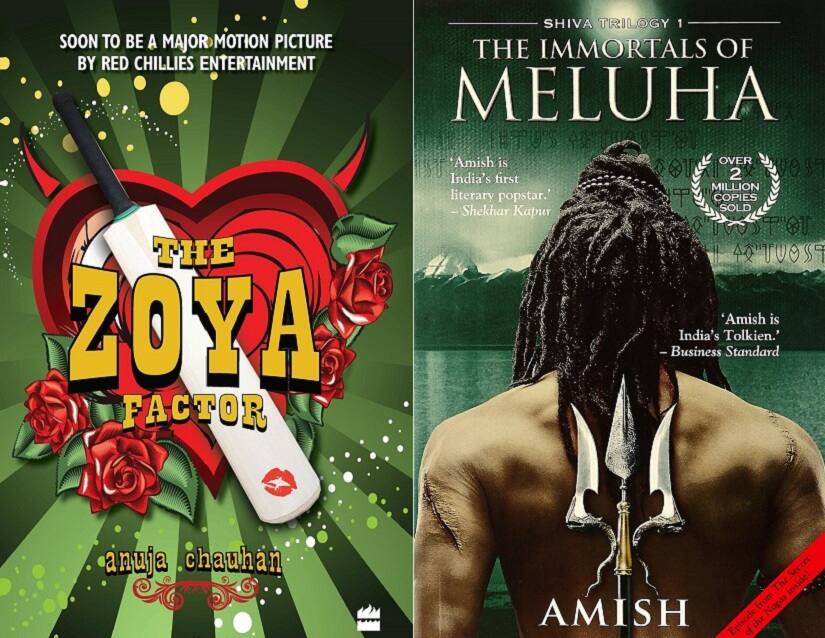 The Zoya Factor and Immortals of Meluha have been optioned by Walkwater Media and Karan Johar, respectively[/caption] The world of book adaptation can also be tricky for authors in India. While many are optioned, there are only few that actually become movies. After Red Chillies’ option on Anuja Chauhan’s The Zoya Factor lapsed, it was snapped up by Walkwater Media, who plan to release the film next year. Similarly, Amitav Ghosh’s Sea of Poppies and Amish Tripathi’s The Immortals of Meluha were optioned by Anusha Rizvi and Karan Johar, respectively. It only remains to be seen if these books will come to theatres within the stipulated three-year period — or if they’ll be re-optioned to other filmmakers. In other words, not all books that are optioned actually get made into films. Producers often take too long to mull over the possibility of cinematic adaptations, which in turn is a frustrating experience for authors. It will take some time until the number of book-to-screen adaptations reaches a promising mass in Bollywood. With Netflix’s first original for India based on Vikram Chandra’s acclaimed Sacred Games — it would be interesting to see if the trend gets a fillip here.
It will take some time until the number of book-to-screen adaptations reaches a promising mass in Bollywood
Advertisement
End of Article

 "Israel targets top Hamas leaders in Doha; Qatar, Iran condemn strike as violation of sovereignty")
 "Nepal: Oli to continue until new PM is sworn in, nation on edge as all branches of govt torched")
 "Who is CP Radhakrishnan, India's next vice-president?")
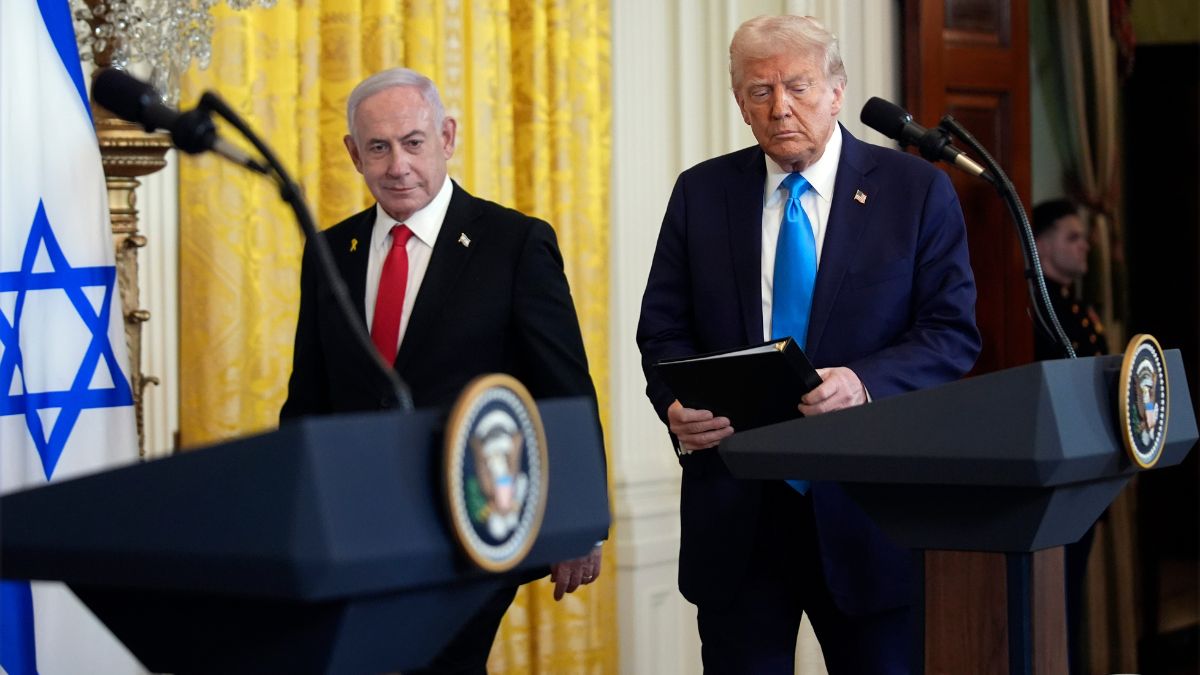 "Israel informed US ahead of strikes on Hamas leaders in Doha, says White House")
 "Israel targets top Hamas leaders in Doha; Qatar, Iran condemn strike as violation of sovereignty")
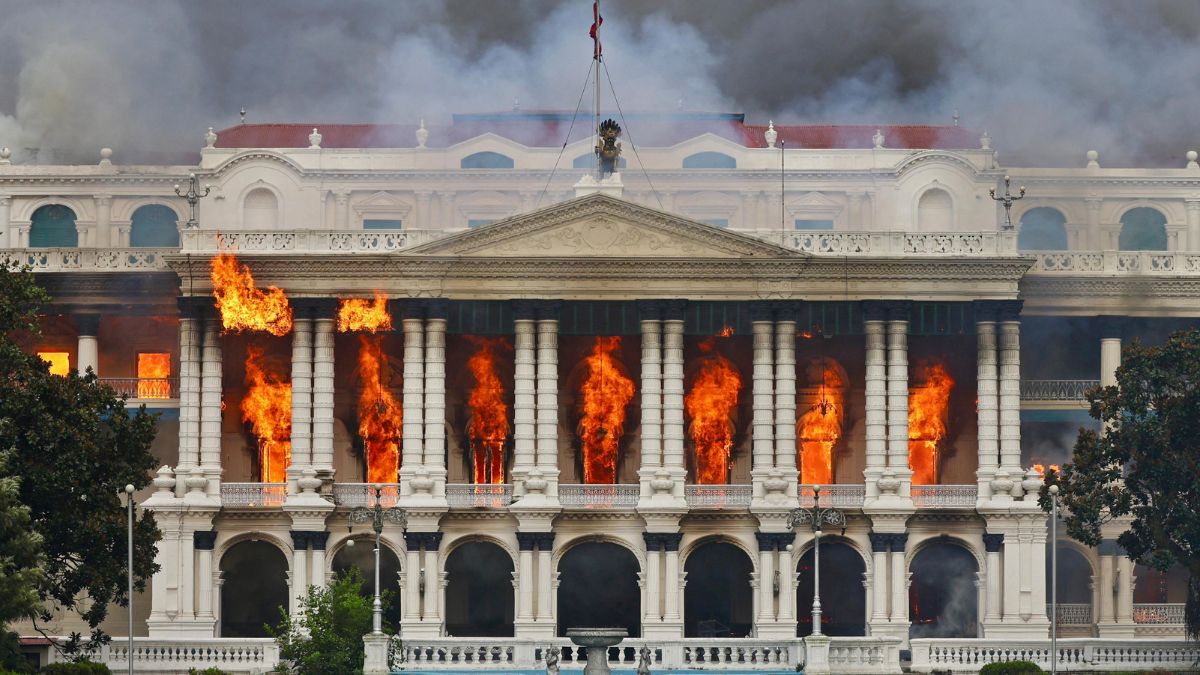 "Nepal: Oli to continue until new PM is sworn in, nation on edge as all branches of govt torched")
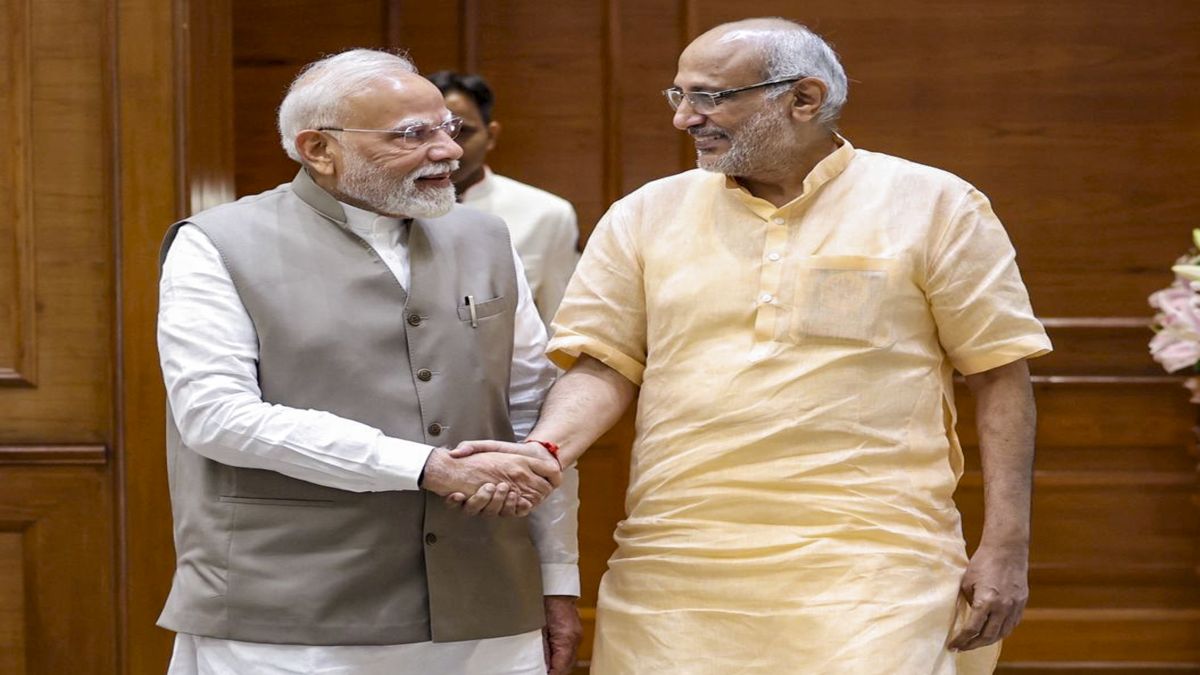 "Who is CP Radhakrishnan, India's next vice-president?")
 "Israel informed US ahead of strikes on Hamas leaders in Doha, says White House")



](https://images.firstpost.com/wp-content/uploads/2018/03/alia-raazi.jpg)
](https://images.firstpost.com/wp-content/uploads/2018/03/zoya-factor.jpg)