

 "'The Trial' actress Kubbra Sait opens up on her journey in films: 'The first time I had to cry...'")
Kubbra Sait has never shied away from speaking about the inner world that shapes her craft. Known for her raw performances and her ability to inhabit complex characters, she often reflects on the emotional discipline that acting demands. In this personal insight, she opens up about the moment she truly understood what it means to access emotions— responsibly, courageously, and with awareness. It’s a lesson that came early in her journey, and one that continues to guide her both on screen and in life.
“As an actor, I’ve learnt that you simply cannot be one if you’re not willing to access your emotions. And accessing those emotions, it can be a very, very dangerous path. I remember learning this from one of my directors, Anurag Kashyap. The first time I had to cry on cue, I had no idea how I was going to do it. That was the fear sitting loudest in my mind before performing my scene. He looked at me and said, ‘We’re going to sit here, read the lines, and just be with ourselves. We’re going to open that window inside you so the emotions can come in. And before we leave tonight, we’re going to close that window again.’ That stayed with me. We all have that window—this access point to our emotional world.
The ability to open it and close it is what keeps us balanced, what keeps us alive. But outside acting, in the life we return to, the world isn’t always so mindful. Sometimes there are floodgates. Sometimes our emotions take over us. And in the chaos of the lives we live today, we often get confused in our own thoughts and the way we express ourselves. We start calling everything a ‘trigger’, when sometimes we’re simply annoyed, or frustrated. A trigger pulls us back into our past… but annoyance and frustration belong to the present. Learning the difference, understanding that window within us—it’s what saved me as an actor, and it’s what grounds me as a person.”
Kubbra’s reflection is a reminder that emotional access is not just an artistic tool, but a human experience that requires responsibility. Actors don’t just borrow emotions for a scene, they learn how to return them, how to close the window they once opened. In a world where feelings often overwhelm us or get mislabeled, her insight becomes a gentle guide: to recognise what belongs to the past, what belongs to the present, and how to navigate both without losing ourselves. It’s a lesson in acting, but above all, it’s a lesson in living.

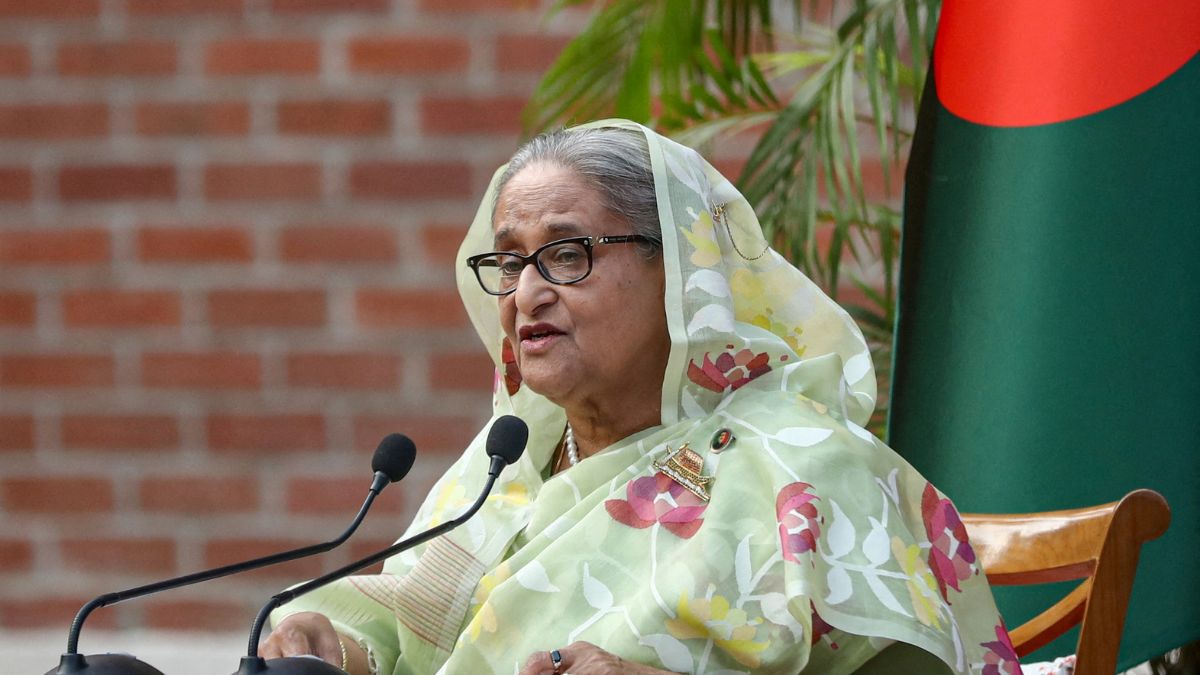 "Bangladesh: Hasina and UK MP Tulip Siddiq found guilty, sentenced in corruption case")
 "NIA raids 8 locations in Kashmir in ‘white collar’ terror module linked to Delhi blast")
 "H-1B visas, Indian connection, future of jobs… What Elon Musk revealed in podcast with Nikhil Kamath")
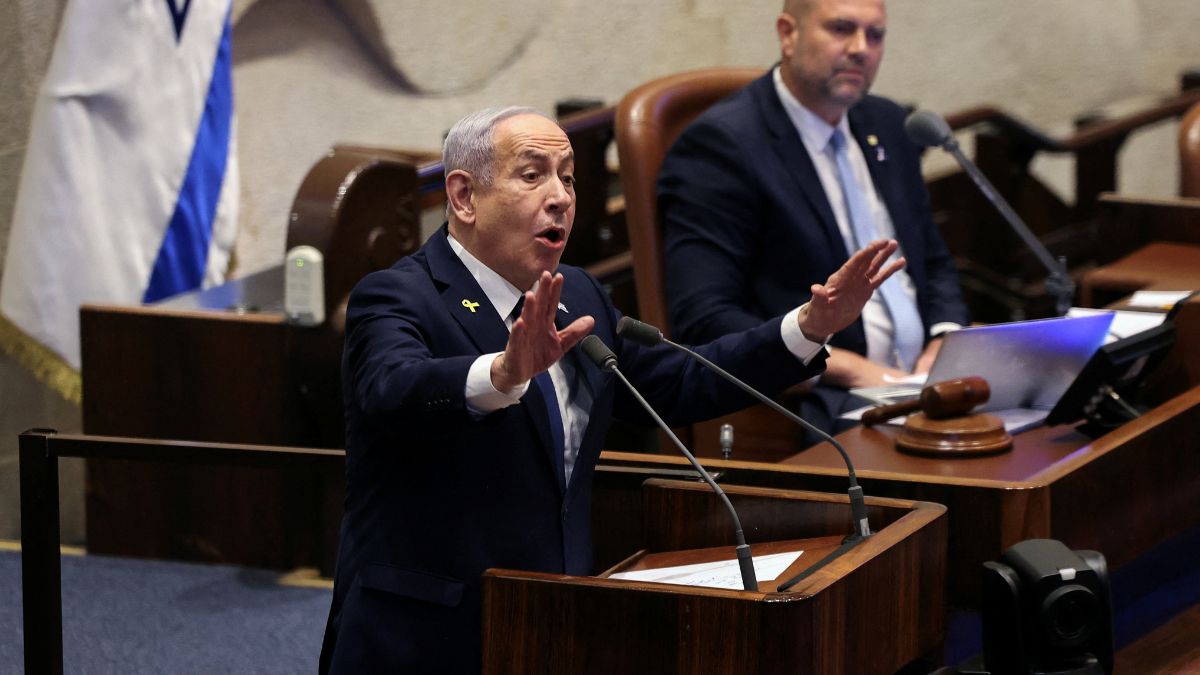 "Why has Israeli PM Netanyahu sought a presidential pardon? What happens next?")
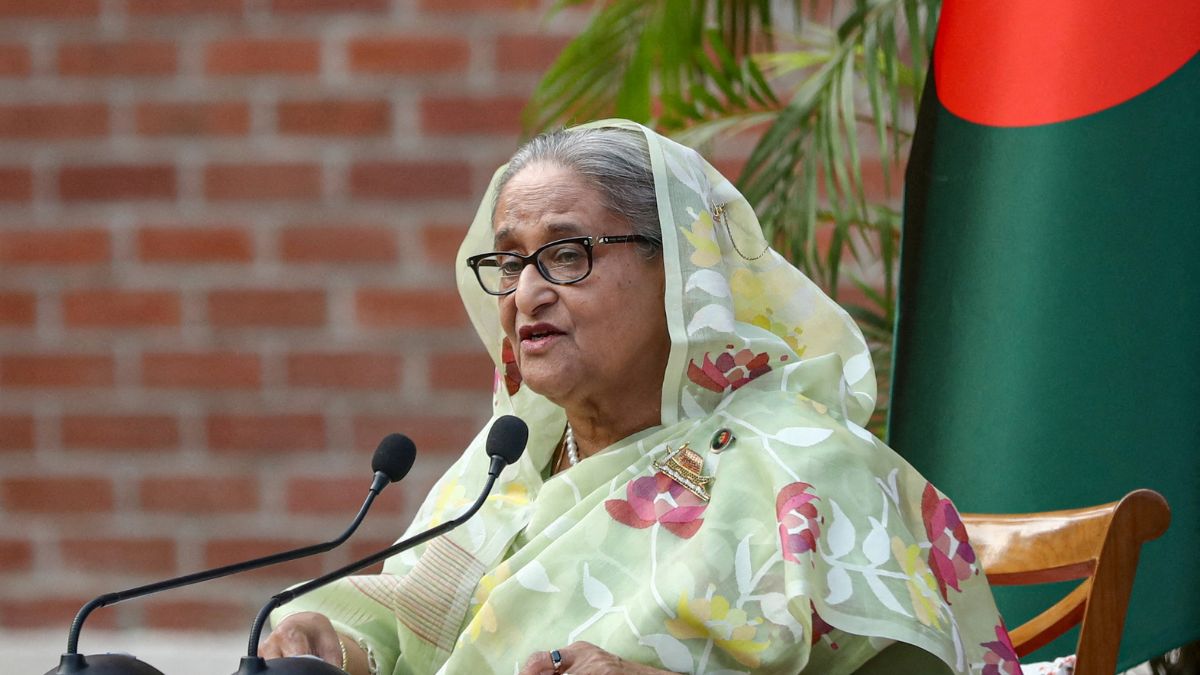 "Bangladesh: Hasina and UK MP Tulip Siddiq found guilty, sentenced in corruption case")
 "NIA raids 8 locations in Kashmir in ‘white collar’ terror module linked to Delhi blast")
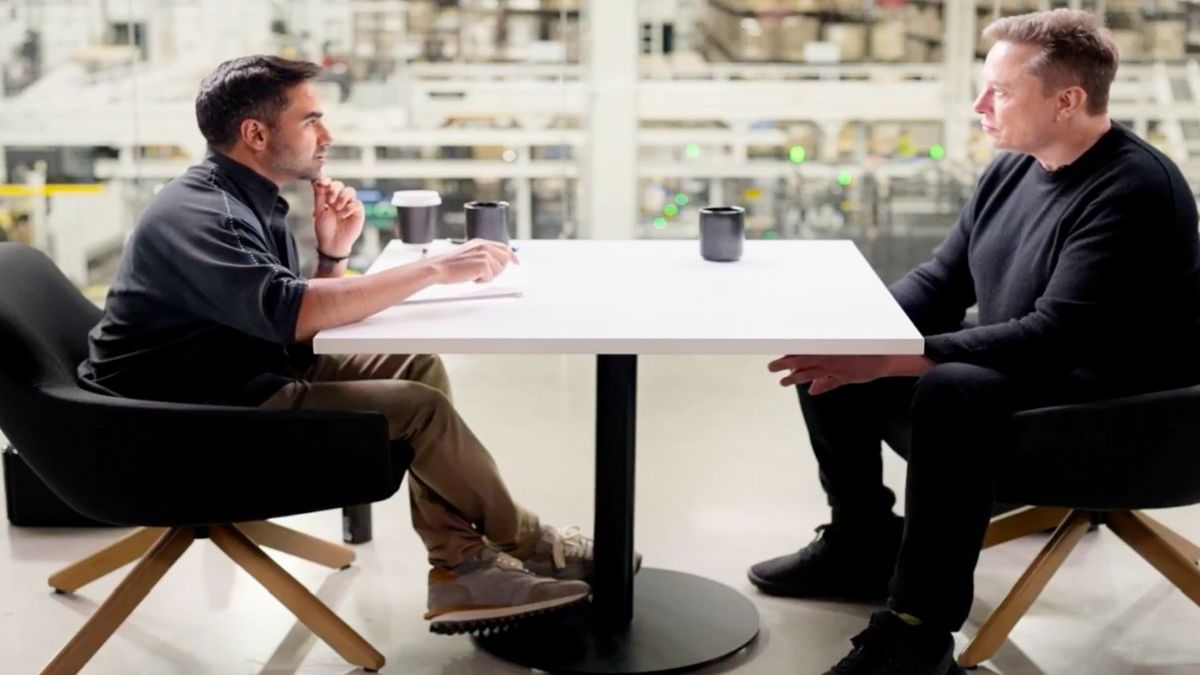 "H-1B visas, Indian connection, future of jobs… What Elon Musk revealed in podcast with Nikhil Kamath")
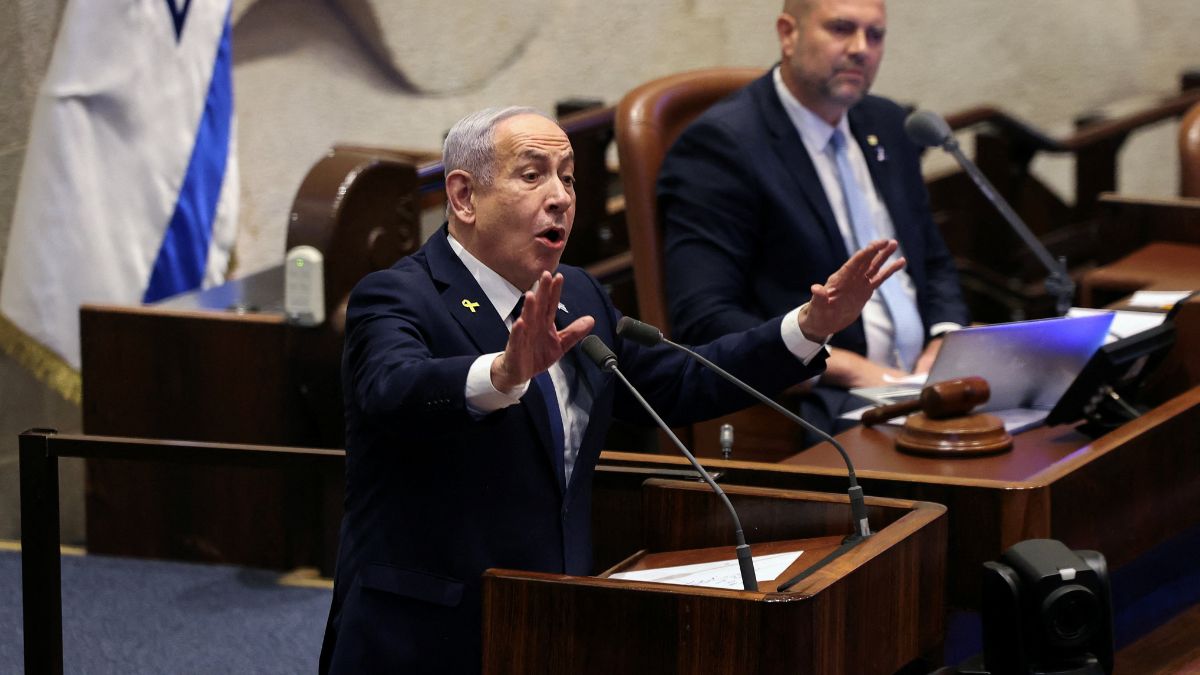 "Why has Israeli PM Netanyahu sought a presidential pardon? What happens next?")



