

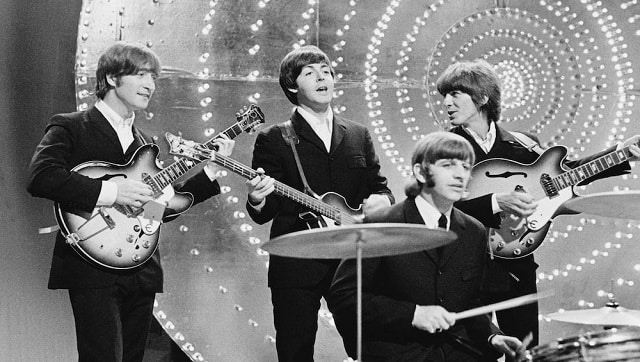
 "The Beatles are a sound for decades; their influence ranges from Black Sabbath, Bruce Springsteen to even Steve Jobs")
In #TheMusicThatMadeUs, senior journalist Lakshmi Govindrajan Javeri chronicles the impact that musicians and their art have on our lives, how they mould the industry by rewriting its rules and how they shape us into the people we become: their greatest legacies.
* Modern English music can be divided into various eras based on the social and cultural influences of the time. The 1920s saw jazz truly coming into its own, and coexisting harmoniously even as the blues started to make waves in the ’40s; the ’50s pushed rock n’ roll into our consciousness far beyond its Memphis origins, setting the perfect mood for an unprecedented musical revolution — The Beatles. Four Liverpudlians twisted, shouted, crooned, pleaded, cheered, wooed, and woo-hooed their way into history. Suffice to say then that modern pop and rock genres can broadly be seen as pre- and post-Beatles; much like using Jesus as the pivot for time in our modern calendars. They may not have been more popular than the Messiah ( sorry, John Lennon) but the monumental shift in the way music was played, created, and consumed cannot be overstated. They achieved extraordinary levels of critical and commercial success, making them the best-selling music act of all time, having sold over 600 million units worldwide in nearly 60 years. With seven Grammy Awards, four Brit Awards, an Academy Award (for Best Original Song Score for the 1970 film Let It Be), and 15 Ivor Novello Awards, The Beatles has, in its short career (but half a century-long legacy), given generations of musicians the blueprint for turning their creative might onto tangible success.
Fifty years since the release of their last album Let It Be, The Beatles have released Let It Be: 50th Anniversary Edition, an expanded reissue of the 1970 album. Giving their fans a ringside view of the creative processes, many demos and conversations dot the box set that makes you feel like a fly in the wall during the recording sessions. The upcoming three-part premiere of Peter Jackson’s three-part docu-series The Beatles: Get Back, that uses unseen raw footage from the recording sessions of Let It Be, is set to be an absolute treat for fans and musicians alike.
Every band or pop/rock artist one has liked over the last 50 years has been distilled through The Beatles laboratory of sonic experimentation.
So even if one proudly derides the quartet for its weird hairdos and weirder bobbing of their heads in the ’50s, the fact that The Beatles rewrote the rules of music repeatedly, and paved the way for every modern Brit and American musician from the 1960s until today, only goes to highlight something even their harshest critic does not want to acknowledge: Everyone is inadvertently a Beatles fan.
If you love Queen, Led Zeppelin, The Who, Aerosmith, The Rolling Stones, Black Sabbath, Tom Petty, Bon Jovi,
Sting , Nirvana, Alice Cooper, Foo Fighters, and
Bruce Springsteen …. you are part of a growing list of The Beatles fans. Simply put, if it were not for The Beatles, a lot of these bands and artists would not have been there in the first place. Is that an exaggeration? Actually not.

They may have made their debut at the peak of the rock n’ roll era but The Beatles were quick to traverse the various pop and rock soundscapes, many of them well ahead of their time. If ‘Lucy in the Sky with Diamonds’ is perfect acid rock material then ‘Twist and Shout’ with its harsh vocals, manic drumming, and crazy energy, is a precursor to the hard rock sound. The Beatles moved away from their cheesier pop songs to dabble with progressive rock (’Eleanor Rigby’), folk rock (‘I’ll Be Back’), and even art rock (’Tomorrow Never Knows’). With ‘Helter Skelter,’ they introduced a sound so heavy that even Black Sabbath was drawn towards it, making it one of the earliest known attempts of metal before metal became a thing. ‘I Want You (She’s So Heavy)’ challenges every idea we have of The Beatles with a sound so noir, it spelled doom (metal).
Their wide range, experiments with the album format, album covers, sounds and spirituality, musical arrangements and videos, as well as recognising audience expectations, made them not just genius musicians but extremely intelligent businessmen. Riding on the powerful songwriting combination of Lennon and Paul McCartney, and joined by the frenzied drumming of Ringo Starr, and the evocative guitar-playing of George Harrison, The Beatles were among the very few acts that understood the difference between art and entertainment. And they thrived in the shades of psychedelia that lay between the two. We can sum this up with the succinct observations by Motorhead’s Lemmy Kilmister, who once said about The Beatles: “The greatest rock band of all time. Nobody even comes into the same planetary system in terms of songwriting and presentation. They never repeated themselves. They kept going from strength to strength.” The Beatles: Get Back will premiere on Disney+ Hotstar on 26 November. Senior journalist Lakshmi Govindrajan Javeri has spent a good part of two decades chronicling the arts, culture and lifestyles.

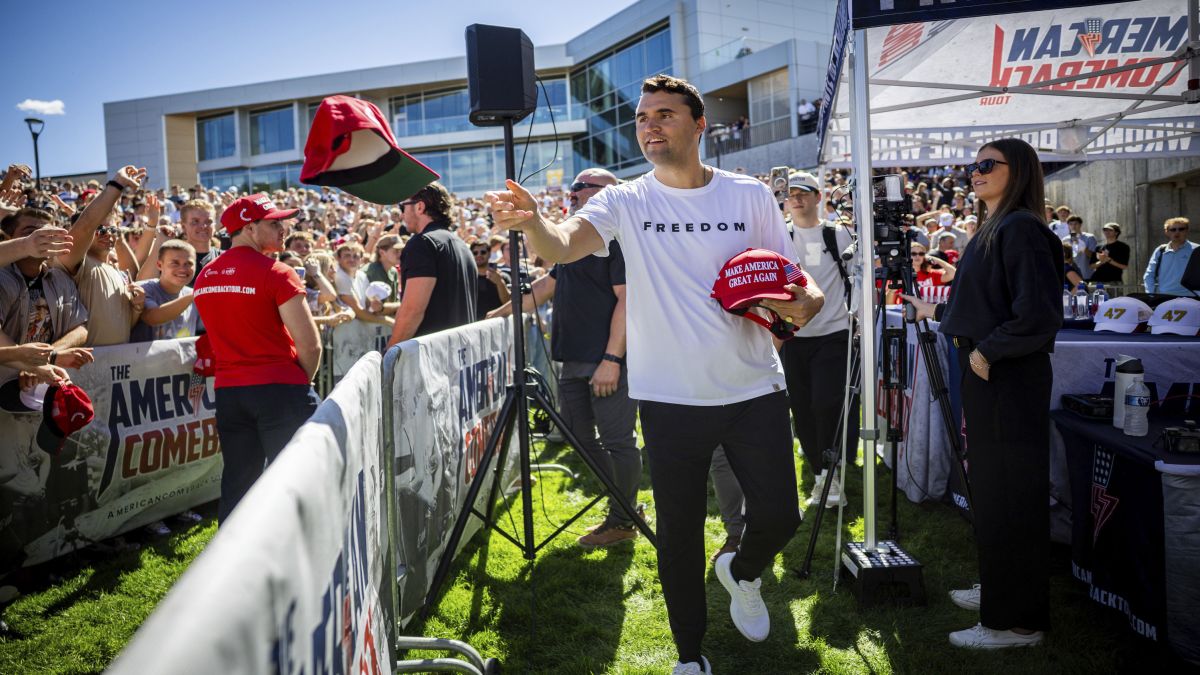 "Charlie Kirk, shot dead in Utah, once said gun deaths are 'worth it' to save Second Amendment")
 "From governance to tourism, how Gen-Z protests have damaged Nepal")
 "Did Russia deliberately send drones into Poland’s airspace?")
 "Netanyahu ‘killed any hope’ for Israeli hostages: Qatar PM after Doha strike")
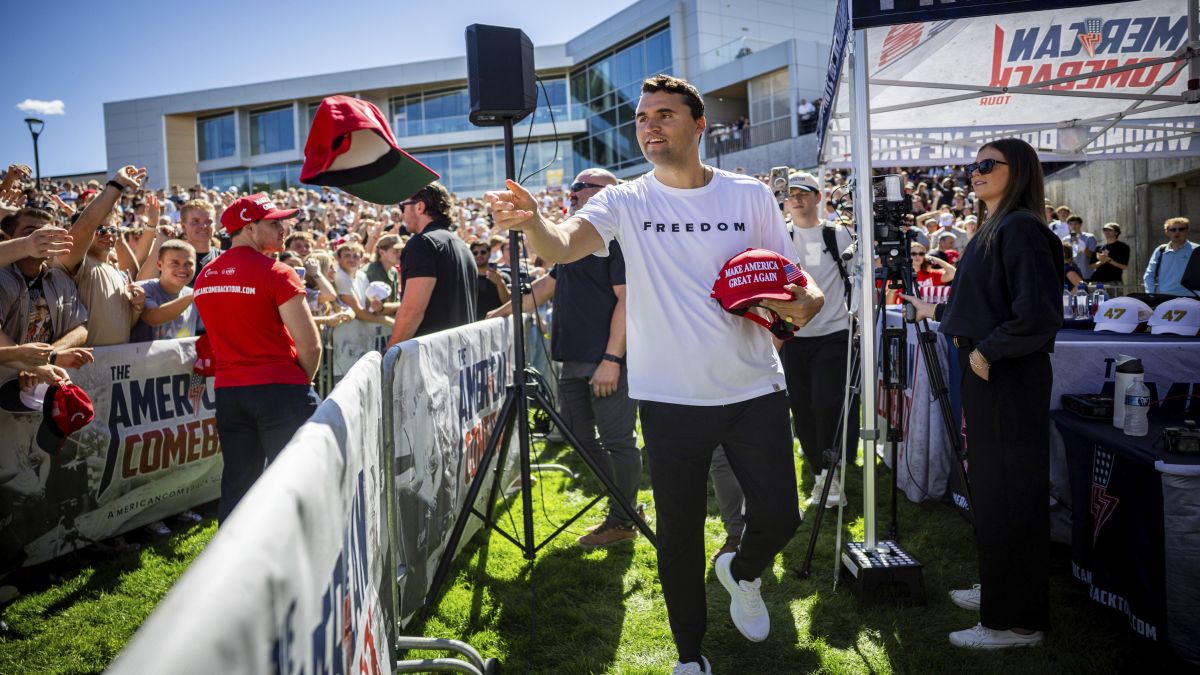 "Charlie Kirk, shot dead in Utah, once said gun deaths are 'worth it' to save Second Amendment")
 "From governance to tourism, how Gen-Z protests have damaged Nepal")
 "Did Russia deliberately send drones into Poland’s airspace?")
 "Netanyahu ‘killed any hope’ for Israeli hostages: Qatar PM after Doha strike")



