 "Netflix ‘Radioactive Emergency’: How different is it from Chernobyl nuclear accident | Explained")
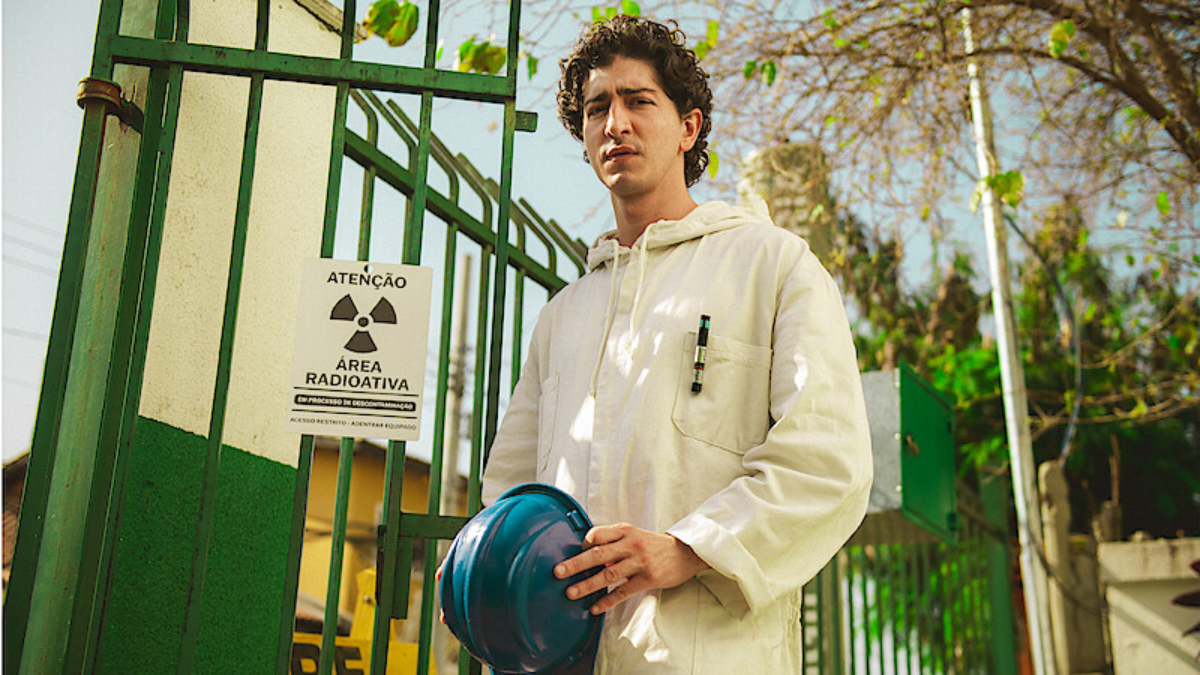
With Johnny Massaro as nuclear physicist Márcio, along with Paulo Gorgulho, Ana Costa, and Bukassa Kabengele, Netflix ‘_Radioactive Emergenc_y’ begins when two scavengers steal a radiotherapy device from an abandoned hospital in Goiânia, Brazil.
Not knowing much about the danger attached to it, they break it open, discovering a glowing blue powder (Cesium-137) and they share that dangerous powder with family and friends thinking it to be something beautiful and precious. The series follows the journey of physicists, doctors, and authorities to stop the invisible contamination and save lives.
Through the well-researched Netflix seri es we get to know that because of the Goiânia accident in Brazil, four were confirmed deaths due to acute radiation syndrome. It was indeed the worst radiological accidents outside of a nuclear facility, involving approximately 93 grams of cesium-137 chloride.
How different was it from the Chernobyl nuclear accident
According to reports published in International Atomic energy Agency, the 1987 Goiânia accident was a localised radiological emergency caused by scavenging a Cesium-137 source from an abandoned clinic, causing 4 deaths and local contamination. In contrast, the 1986 Chernobyl disaster was a massive nuclear power plant explosion, releasing widespread radioactivity across Europe and causing hundreds of thousands to be displaced, with significantly higher casualties.
How Chernobyl a way bigger disaster as compared to Goiâni
The report points out that the key difference was Goiânia was an “orphan source” event, where a radioactive teletherapy capsule was dismantled. Chernobyl was a nuclear reactor meltdown caused by operator error. Chernobyl was a bigger disaster that caused harm to several nations.
Games
View AllNetflix’s new Brazilian miniseries Radioactive Emergency has hit the Top 10 most watched TV shows list, landing as high as the number seven spot.
(With inputs from agencies)