

 "Guilty movie review: Netflix and Dharmatic present a flawed but important take on the #MeToo movement")
It’s Valentine’s Day 2017. There’s a music concert going on in a Delhi college, but the most popular kids on campus — who have a band named Doobydo — are on the terrace of the hostel building using drugs. Tanu (Akanksha Ranjan Kapoor), a Hindi-speaking girl from Dhanbad, is trying her best to woo the most popular guy in St Martin’s College, VJ or Vijay Prathap Singh (Gurfateh Singh Pirzada), while his girlfriend, Nanki (Kiara Advani) looks on with disgust. The vibe of this scene sets the tone of the kind of college life that
Dharmatic is keen on portraying in the Netflix film Guilty — which is quite the opposite of Dharma Productions’ candy-floss version of student life. The boys and girls swear freely, flaunt their tattoos and their bodies, and the drugs are free-flowing — because this is a web film, there are (predictably) no holds barred. [caption id=“attachment_8054651” align=“alignnone” width=“825”]
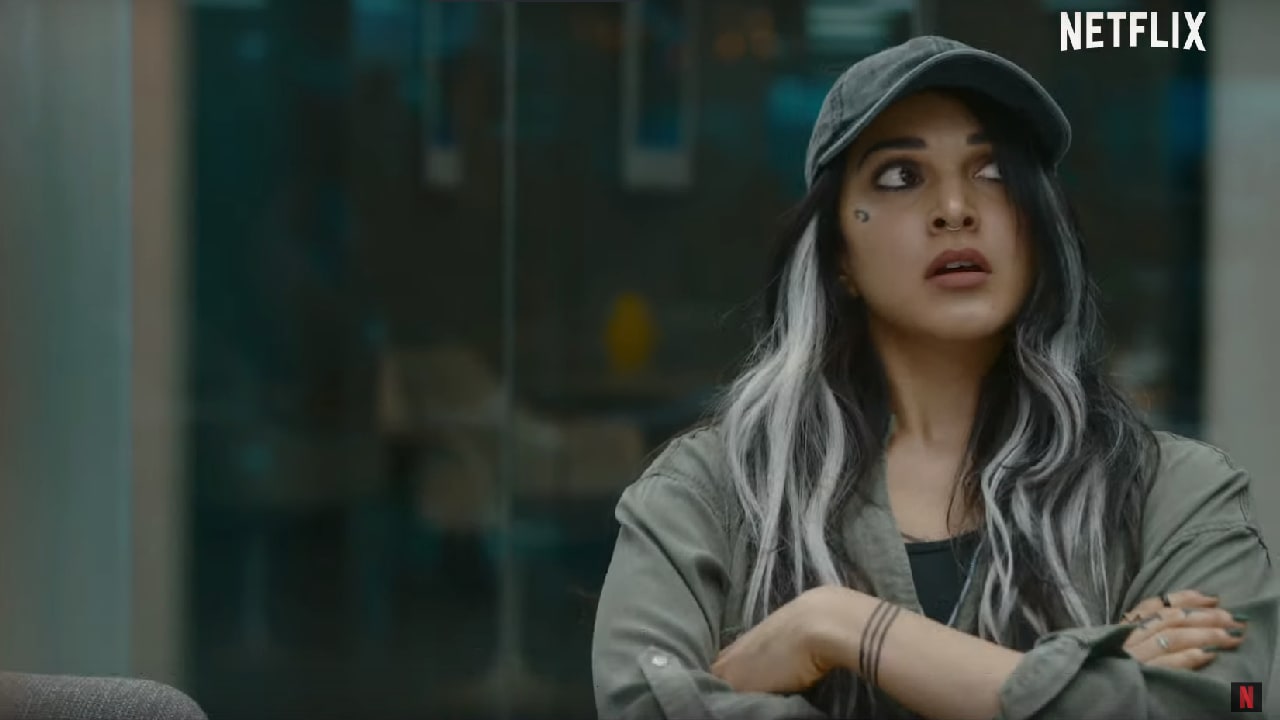 Kiara Advani in a still from Guilty. Netflix screengrab.[/caption] Almost a year later, in 2018 during the peak of the #MeToo movement, Tanu accuses VJ of raping her as his friends watched on, via a tell-all tweet. This leads to a media trial and a social media storm. The college students are divided: some judge Tanu for being an attention seeker and want to believe VJ is innocent, while some students stand by Tanu and nudge her on to fight the case. VJ’s parents — powerful politicians and socialites played by Niki Walia and Manu Rishi — in a bid to control the matter, bribe her on the night of the incident and successfully stop her from filing a police complaint. When she tweets about it a year later, they file a defamation case against her. The film begins with the perspective of the lawyers fighting the case for VJ and his powerful parents, as they interview the college students and band members present at the scene of the incident. Through this, we are taken into flashbacks that fit in the missing pieces of this puzzle — who is friends with whom, who has motive to lie, what kind of classism and sexism is at play here, and what’s the college vibe like. [caption id=“attachment_8126041” align=“alignnone” width=“825”]
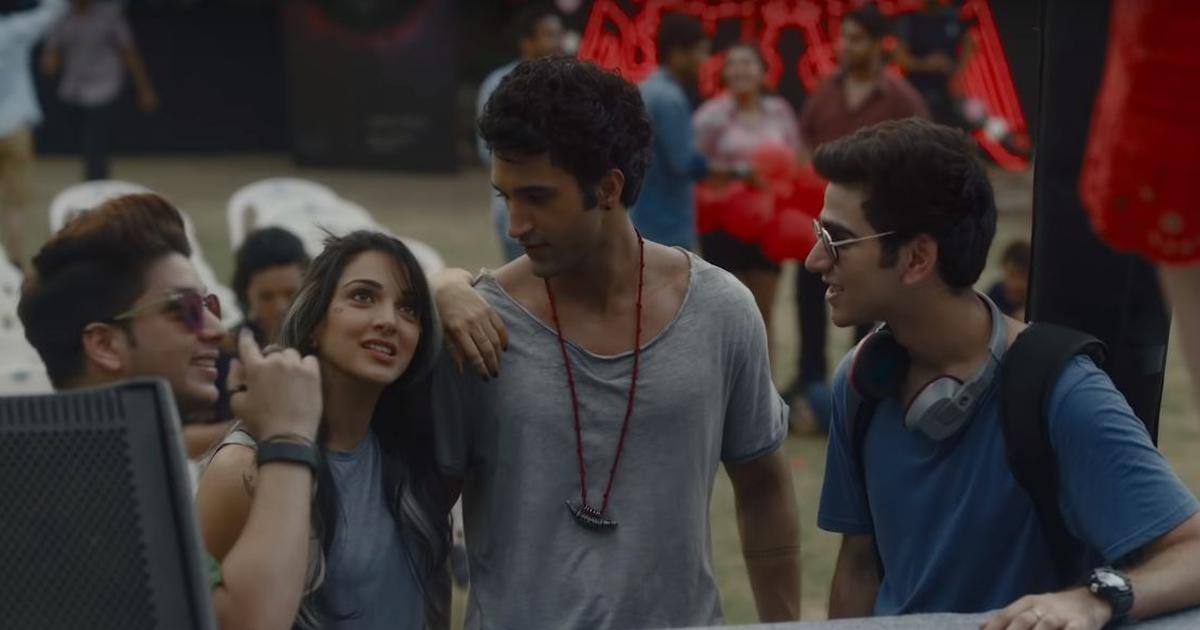 A scene from Guilty. Netflix screengrab.[/caption] The Delhi representation is strong in Guilty, with authentic DU lingo which is a mix of “scene ho gaya bro” variants and also references to Foucault and Virginia Woolf (common in intellectual DU corridors). Nanki is a song writer, and through her we are gifted with some beautiful poetry, courtesy Kausir Maunir (some originally written, and some Faiz Ahmed Faiz thrown around). Snide remarks are made about the #MeToo movement in the first 10 minutes of the film, and there’s ample slut-shaming between the two main women in Guilty: Nanki and Tanu. In fact, for a large part of the film, it is the two women who are pitted against each other, with the man in question — guilty or not guilty — getting away with the least spotlight. But as you sink deeper into the narrative of Guilty, you realise writers Ruchi Narain and Kanika Dhillon almost want to manipulate you into judging characters and believing you know the outcome of the story, only to squash it as you reach the dramatic climax. There’s enough to engage you through the two hour run-time of Guilty — a pace-y procedural that unveils details in meticulous deliberation, a melodious soundtrack that doesn’t overpower the storytelling and important dialogues that attempt to bring out the nuance of a power struggle like the #MeToo movement.
As you sink deeper into the narrative of Guilty, you realise writers Ruchi Narain and Kanika Dhillon almost want to manipulate you into believing you know the outcome of the story, only to squash it as you reach the dramatic climax.
Advertisement
End of Article

 "Charlie Kirk, shot dead in Utah, once said gun deaths are 'worth it' to save Second Amendment")
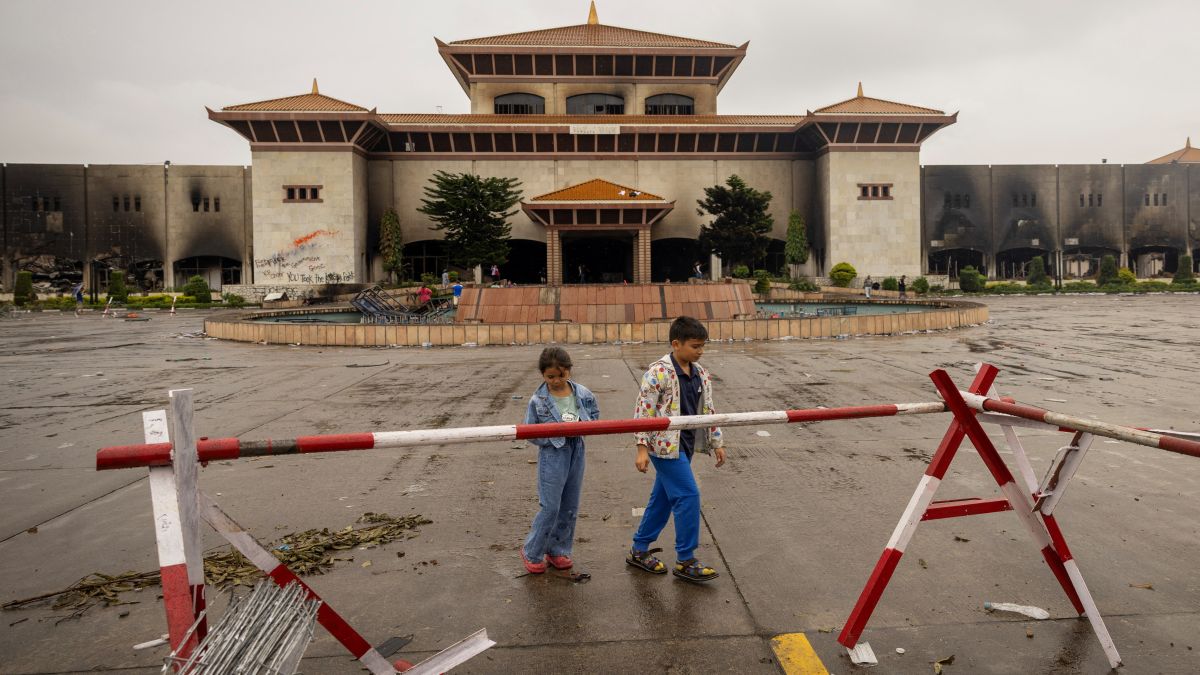 "From governance to tourism, how Gen-Z protests have damaged Nepal")
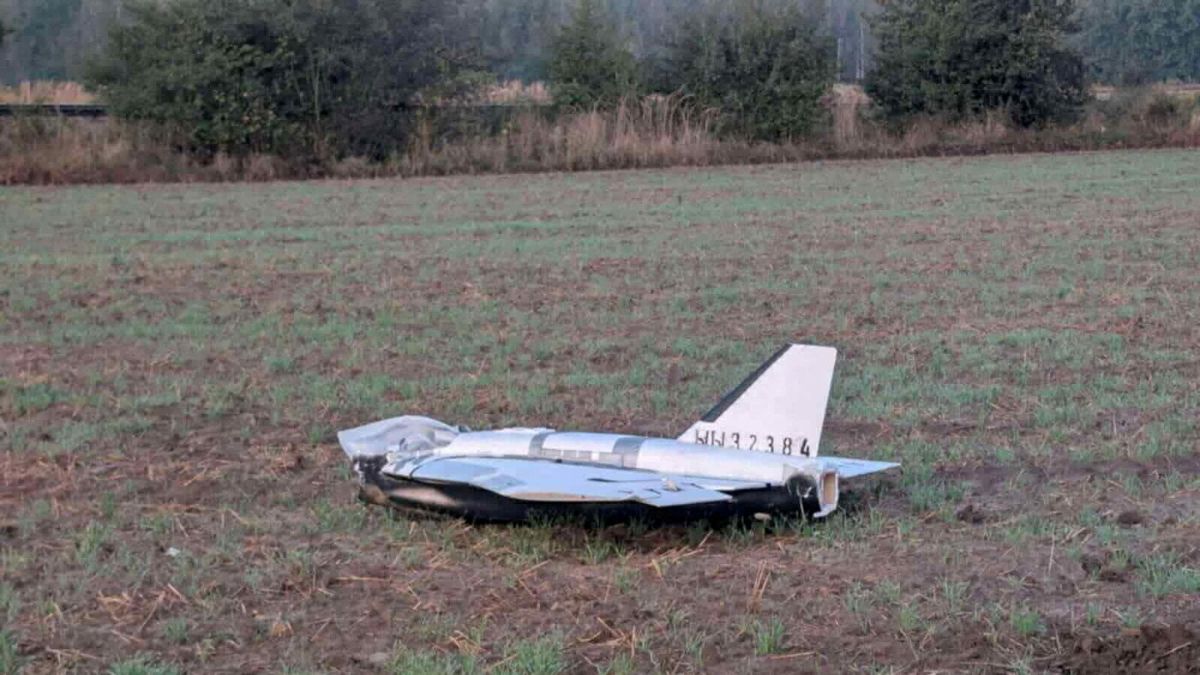 "Did Russia deliberately send drones into Poland’s airspace?")
 "Netanyahu ‘killed any hope’ for Israeli hostages: Qatar PM after Doha strike")
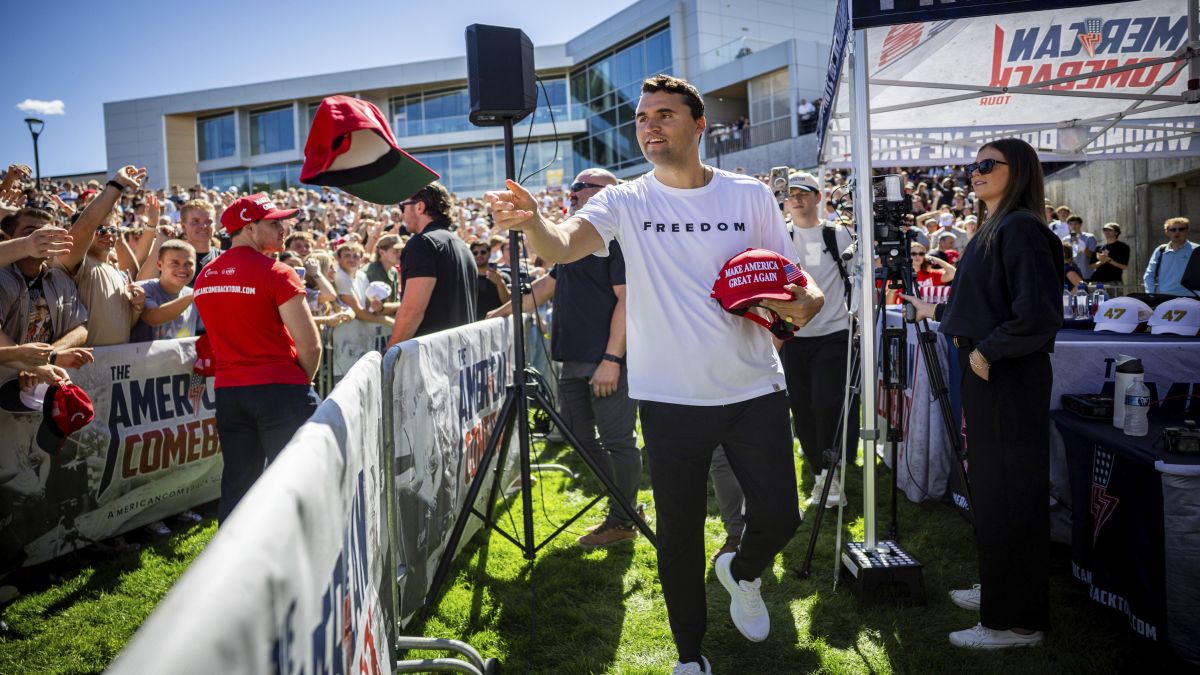 "Charlie Kirk, shot dead in Utah, once said gun deaths are 'worth it' to save Second Amendment")
 "From governance to tourism, how Gen-Z protests have damaged Nepal")
 "Did Russia deliberately send drones into Poland’s airspace?")
 "Netanyahu ‘killed any hope’ for Israeli hostages: Qatar PM after Doha strike")



](https://images.firstpost.com/wp-content/uploads/large_file_plugin/2020/02/1582011635_KiaraGuiltyS.png)
](https://images.firstpost.com/wp-content/uploads/2020/03/136724-skazqptcdc-15820146461.jpeg)