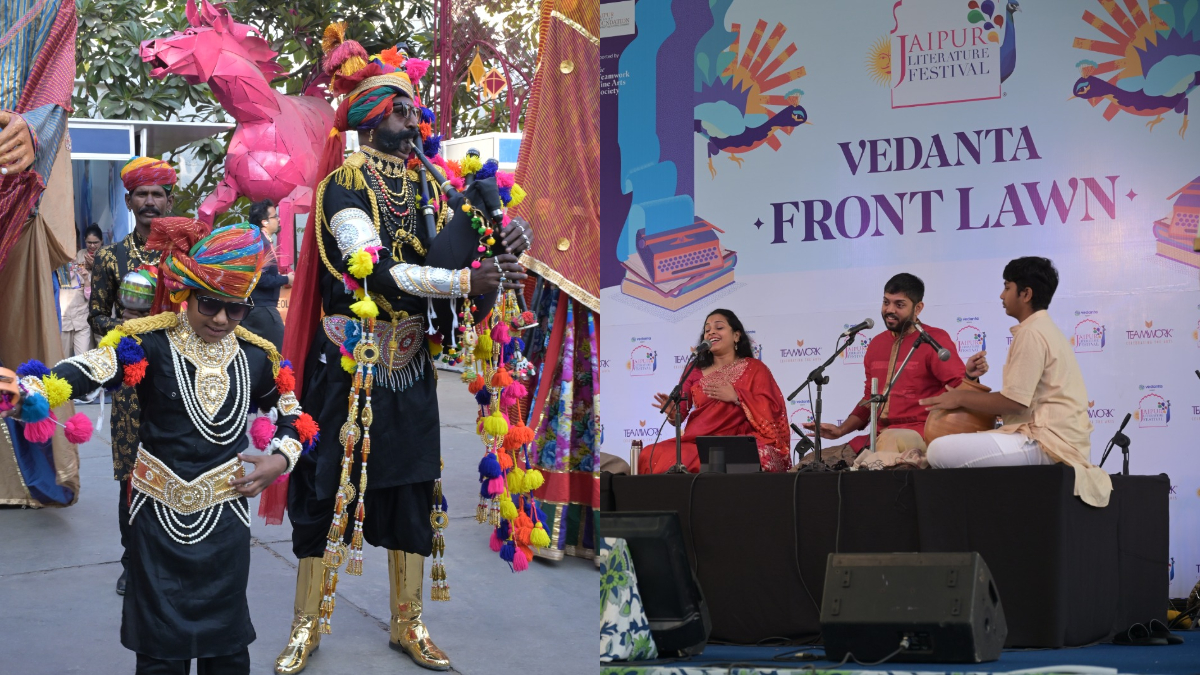
 "EXCLUSIVE | Sanjoy K. Roy, the man behind JLF: ‘Delhi is not a festival city, but Jaipur is; London is not a festival city, but Edinburgh is...'")
In an EXCLUSIVE interview with Firstpost’s Lachmi Deb Roy, Sanjoy K. Roy, the man behind JLF talks about his book ‘There’s a Ghost in My Room: Living with the Supernatural’s and why a big city is not a perfect place for festivals. The first spirit Sanjoy Roy encountered was one that haunted his ancestral house in Calcutta; he was five then. A few years later, the otherworldly made its presence felt again in his parents’ sprawling bungalow in Lutyens’ Delhi. His book is on that.
Edited excerpts from the interview:
How did the process of writing There’s a Ghost in My Room: Living with the Supernatural begin?
During the pandemic, there were so many publishers who kept coming to me. So many people were writing at that time so they asked me if we could do a three-book deal or one book deal. I told them I can write a book in 2027 or 2040. Everybody wanted me to write the Jaipur story and my story. Because if I do a JLF story, it will be a political story. But I did not want to necessarily write it.
Then I thought there are so many incidents that me my wife and my kids have experienced, so I could use that as a pivot. When it came out, Mala Singh (prominent Indian author) called me and said I was brave to write this. She also said the same things happened to her, but she never spoke about it. She said people would think she was mad. But ever since the book has come out, people come to me and share their stories on ghosts and supernatural beings.
What was your first experience with supernatural like?
When I was five years old, I had gone to Calcutta because my maternal grandfather had passed away. You don’t have any sense when you are five. They used to live in a palace. At the end of the ceremony, I climbed into bed and was sleeping with my mother and my grandmother. And I saw a dismembered hand with a dagger flash across the mosquito net. And I screamed and I screamed and I screamed. Luckily, my grandmother also saw something. At that time, I did not have the sense that I had seen something. After that, the memories that I started accumulating stories from others on ghosts.
Games
View AllYou are the man behind JLF, how has your journey been?
The festival in my life has been more or less accidental, unlike the five year or 10-year plan. It has now become one of the largest literary gatherings in the world. In the late 80s and early 90s when we were doing television, Doordarshan had just opened up and I had taken up a job in a film company to produce a series, because that was the time when there were no television professionals, so you came to people like us. I directed a couple of series then. Back in 1995, there was no sense of a season. You just continued work from morning to night. And two of our colleagues told us they could not do this because they were braindead.
And that’s when I suggested to go back to the arts, not realising there was no money there at all. I started traveling and lecturing about Arts at that time. Every time I travelled, I never saw work in India being represented mainstream. Yes, we had Ravi Shankar and Zakir Hussain, but you didn’t have theatre, you did not have dance, and you did not have literature.
It was only in 2001 that we created our first major platform, John and Faith Singh from Anokhi asked us to do this in Jaipur because art had the power to create value for heritage. And then we inherited the Diggi Palace. Everything happened accidentally.
Delhi is not a festival city, but Jaipur is. London is not a festival city, but Edinburgh is. It is accessible to big cities, but not in a big city. And hospitality, the feel, the culture, the heritage of a city that matters. All of this went year after a year to build this reputation.

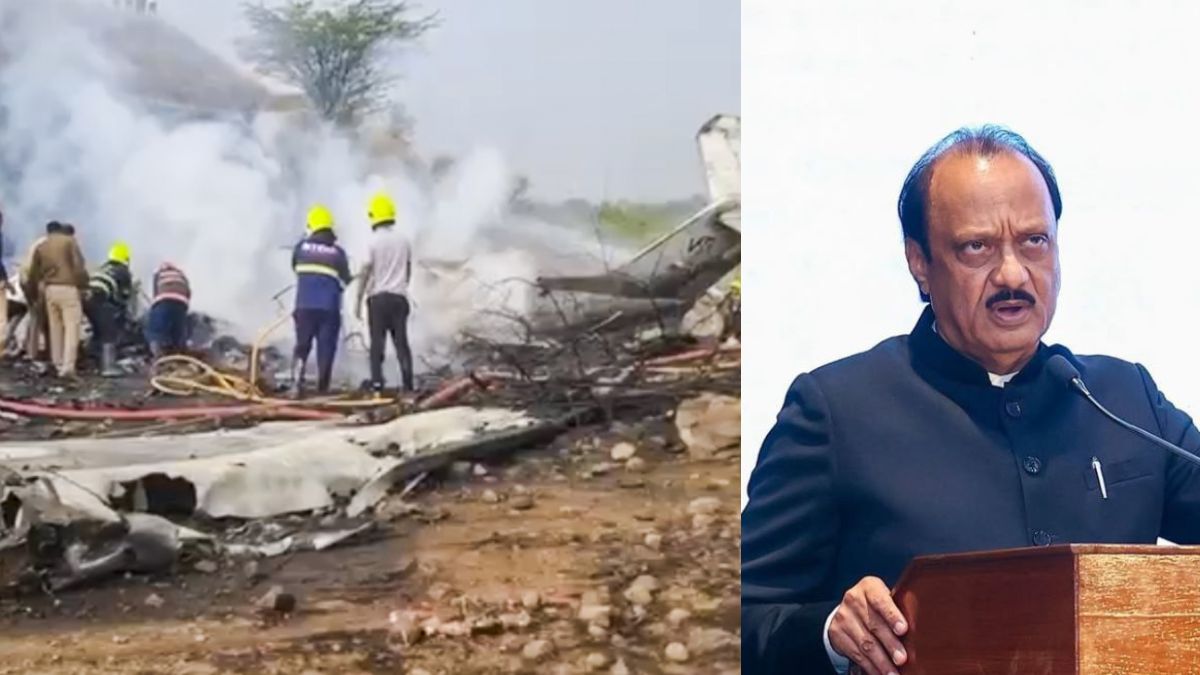 "Ajit Pawar plane crash: Maharashtra deputy CM, 4 others die in Learjet mishap in Baramati")
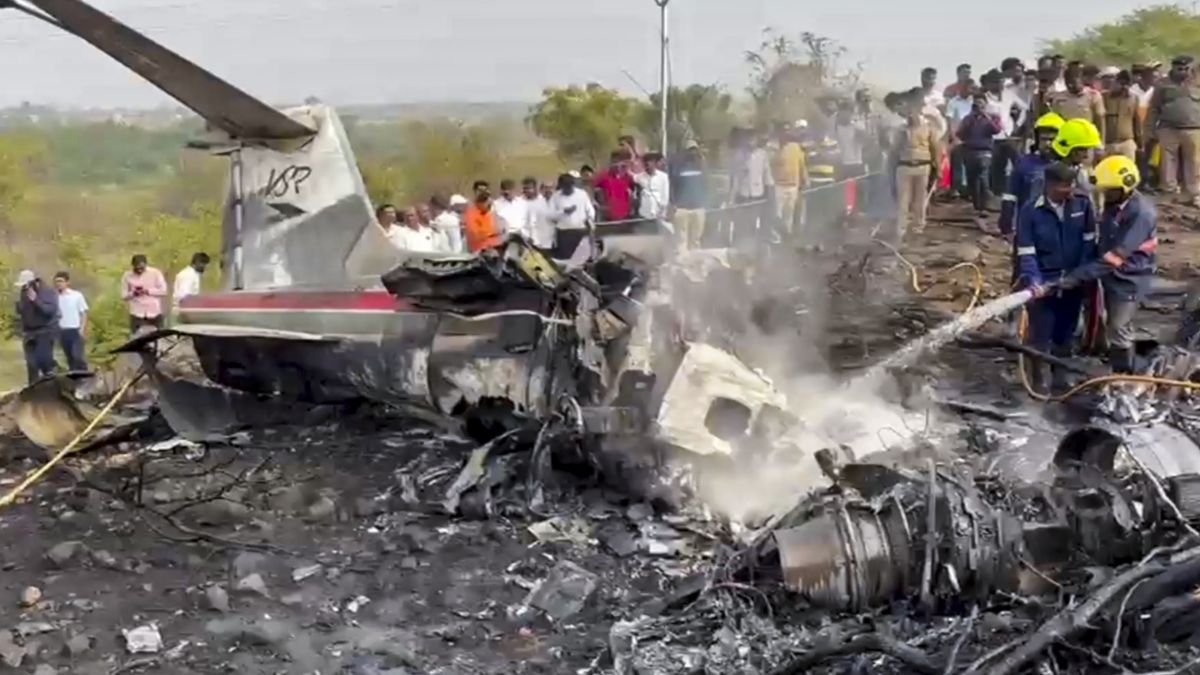 "Technical error or bad weather? What caused Ajit Pawar’s plane to crash in Baramati?")
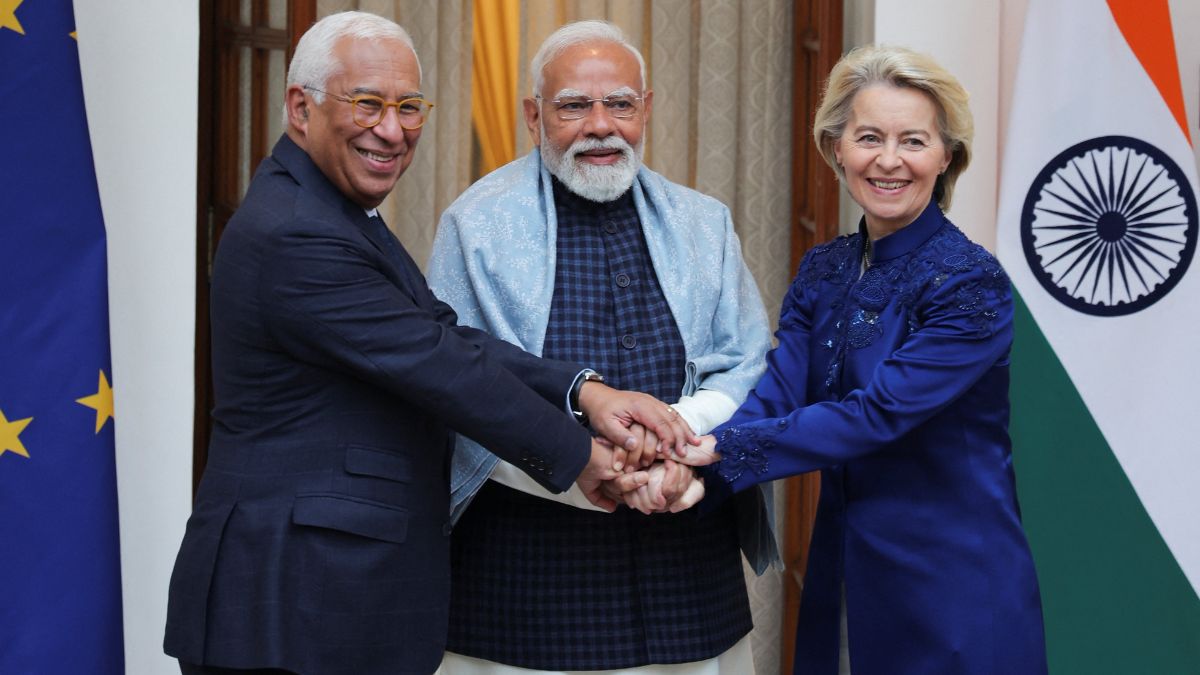 "‘Market access and immigration’: US says India came out ‘on top’ of FTA with EU")
 "Behind closed doors, Trump’s China envoy signals thaw in ties amid West-Beijing patch-up")
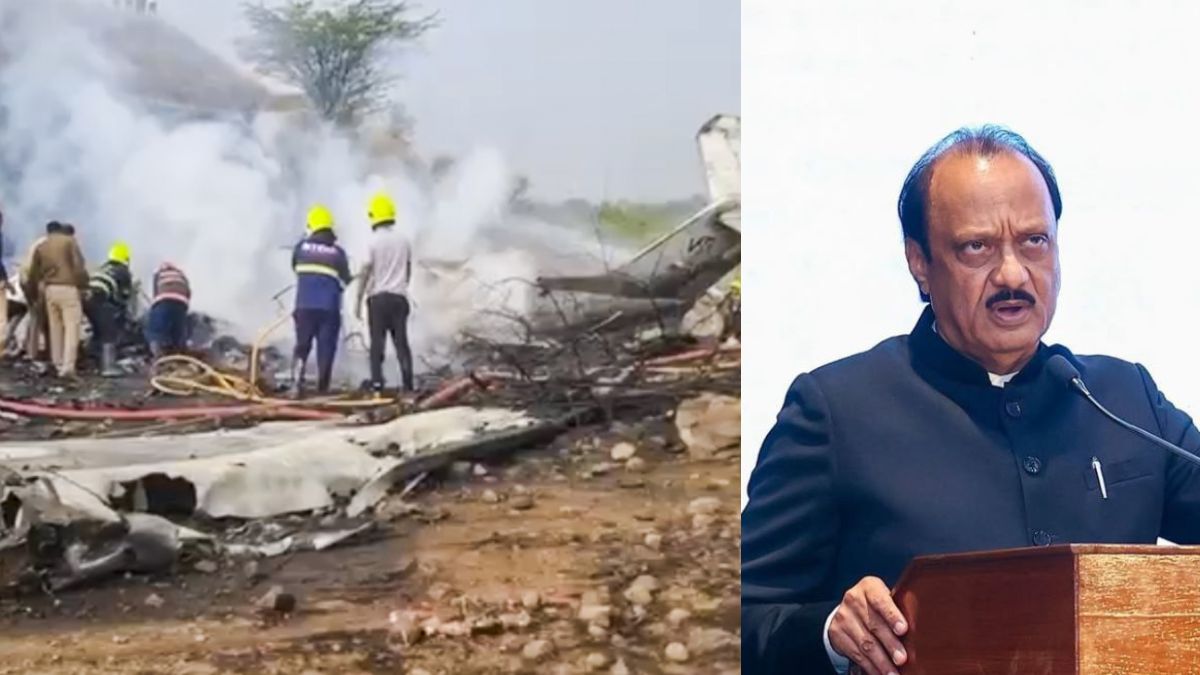 "Ajit Pawar plane crash: Maharashtra deputy CM, 4 others die in Learjet mishap in Baramati")
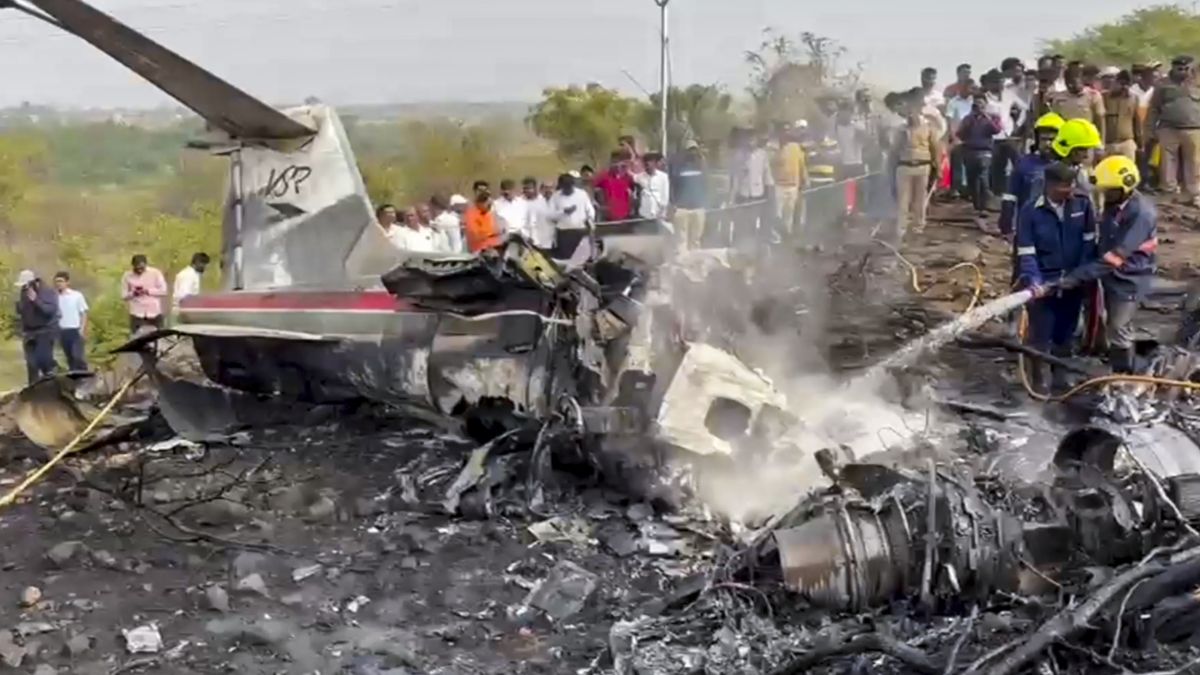 "Technical error or bad weather? What caused Ajit Pawar’s plane to crash in Baramati?")
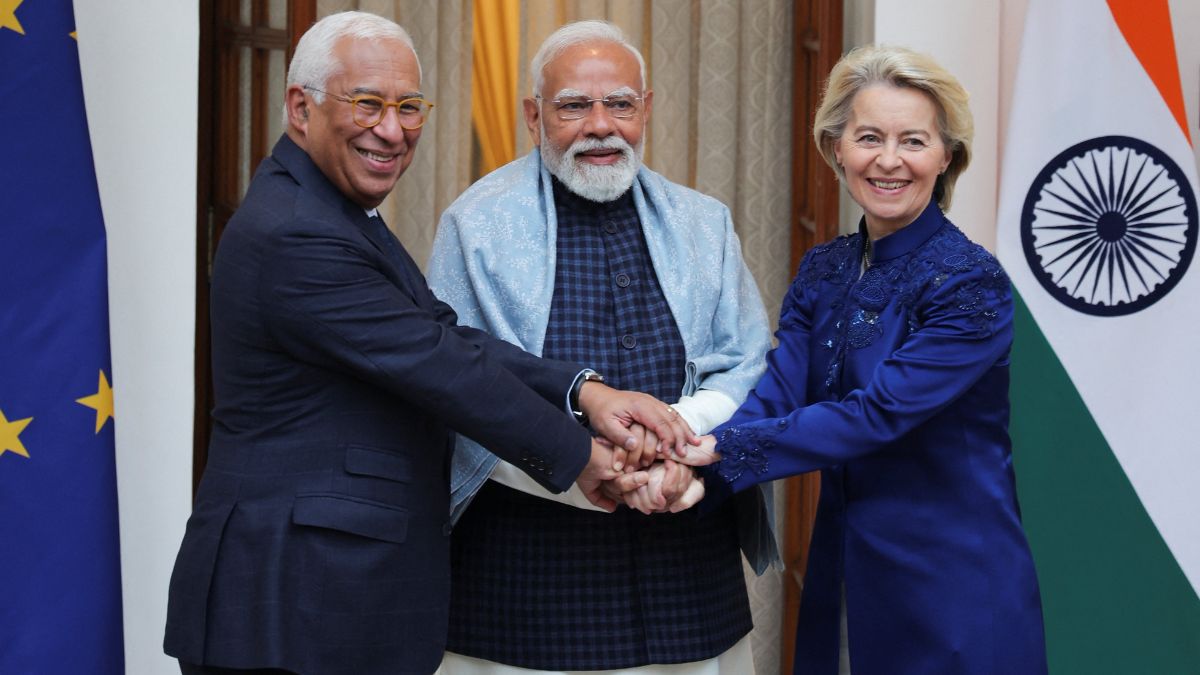 "‘Market access and immigration’: US says India came out ‘on top’ of FTA with EU")
 "Behind closed doors, Trump’s China envoy signals thaw in ties amid West-Beijing patch-up")