

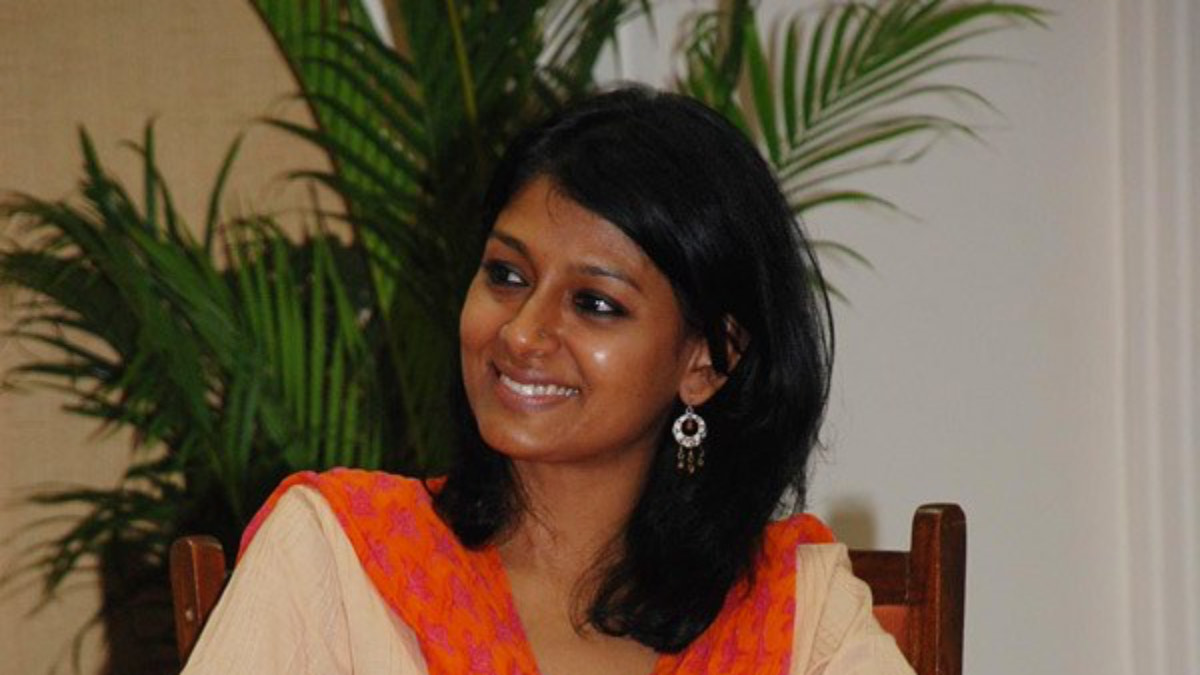
 "EXCLUSIVE | Nandita Das: ‘With Bollywood & Hollywood main stream cinema's presence; independent voices will always struggle’")
In a conversation with Firstpost’s Lachmi Deb Roy at the Dehradun Literature Festival 2025, Nandita Das on the ‘Alternative Act- Cinematic Storytelling with a Difference’, she emphasised on the struggles of independent cinema. There are certain actors and filmmaker like Nandita who choose authenticity over applause and dare to tell and represent stories rooted in what is reflective of our society.
Nandita Das mentioned that nuances are for those who are comfortable with ambiguity. Even if independent cinema manages to come to theatres, how many people actually go to watch them? We as a society are all complacent in keeping independent cinema small and irrelevant.
Edited excerpts from the conversation:
When the entertainment industry is obsessed with box-office report, how do you manage to keep yourself relevant?
I don’t think that I make films because I want to stay relevant. I want to say something, therefore I make films. During pre-OTT and pre-social media days, even as an actor, when only big screen movies were made, the sound of the camera rolling used to make me feel happy.
I did a lot of films in different languages which we call regional cinema, which is no less than any Hindi cinema. A Malayalam film would only be shown in Kerala and travel the world in festivals which nobody would know. A Bengali film would be shown in Bengal. I have actually done films in ten different languages. I have done 40 films and you would struggle to name even four of them.
So, I have actually lived with the idea that my films will not make it big at the box-office. In fact, I have not thought about that. I have made good memories and I am happy about that. I truly believe that anything that stands the test of time, or rather time is the only judge of any form of art. Otherwise everything is subjective.
How much of ageism is true in the entertainment industry?
Ageism is everywhere, not just the entertainment industry. But more in the entertainment industry. It applies more for women, because we use women in films mainly as objects of desire. We standardise the definition of beauty as a woman who is young, thin, fair and has a certain waistline.
I remember years ago in Times of India, there was actually a sketch and it said, “What a perfect woman’s body must look like. What should the jawline be like etc.” So, yes ageism still exists!
What are the struggles of independent cinema?
In independent cinema, the struggles are huge when it comes to funds. They want to know who is the main lead. They don’t want to know your story or your intent. They want to know who the male lead is. There is a lot of hierarchy also.
I am happy that some of the films that I did 20 years ago, my first film being ‘Fire’, ‘Earth’… many people come up to me and say, ‘Earth’ had beautiful songs, but we don’t hear them at all.” Wherever there is mainstream cinema, whether it is Bollywood or Hollywood, independent voices will always struggle.
The work of mainstream cinema is to make people happy, but the work of independent cinema or alternative cinema is to disrupt and to say something different and most importantly say something that is nuanced. Nuances are for those who are comfortable with ambiguity. Even if independent cinema manages to come to theatres, how many people actually go to watch them. We as a society are all complacent in keeping independent cinema small and irrelevant.
When you started off, was it a conscious decision to work in certain kind of films or was it that those kinds of roles came to you?
Frankly, I never wanted to be an actor. I did my masters in social work and I was very happy working with an NGO. I had no desire to move to Bombay. In fact, when I was acting, I wasn’t even in Bombay, I lived in Delhi. And I totally stumbled upon acting with ‘Fire’. After that I did ‘Earth’ and many more. I mostly worked with independent filmmakers like Govind Nihalani, Shyam Benegal and more.
I don’t know how things are now, but in those days the industry itself so inherently hierarchical and I came from the world of social work. So, I really struggled with this system and I realised that this is not for me. I didn’t actually grow up watching commercial cinema. My parents too didn’t watch that kind of films, so I was also not exposed to that kind of cinema. It’s not that all independent movies are great. I have worked with debutant filmmakers.
Cinema is an art and not science, so you really don’t know what the outcome is going to be. In science you put four things and you know the outcome. Some times as actors, you may have delivered your best performance in a certain, but it’s not taken in the film. Movies will always remain a director’s medium. So, you will always want to work with directors whom you trust.

 "Water-pocalyse in parts of Asia: Why are floods that claimed 900 lives so deadly?")
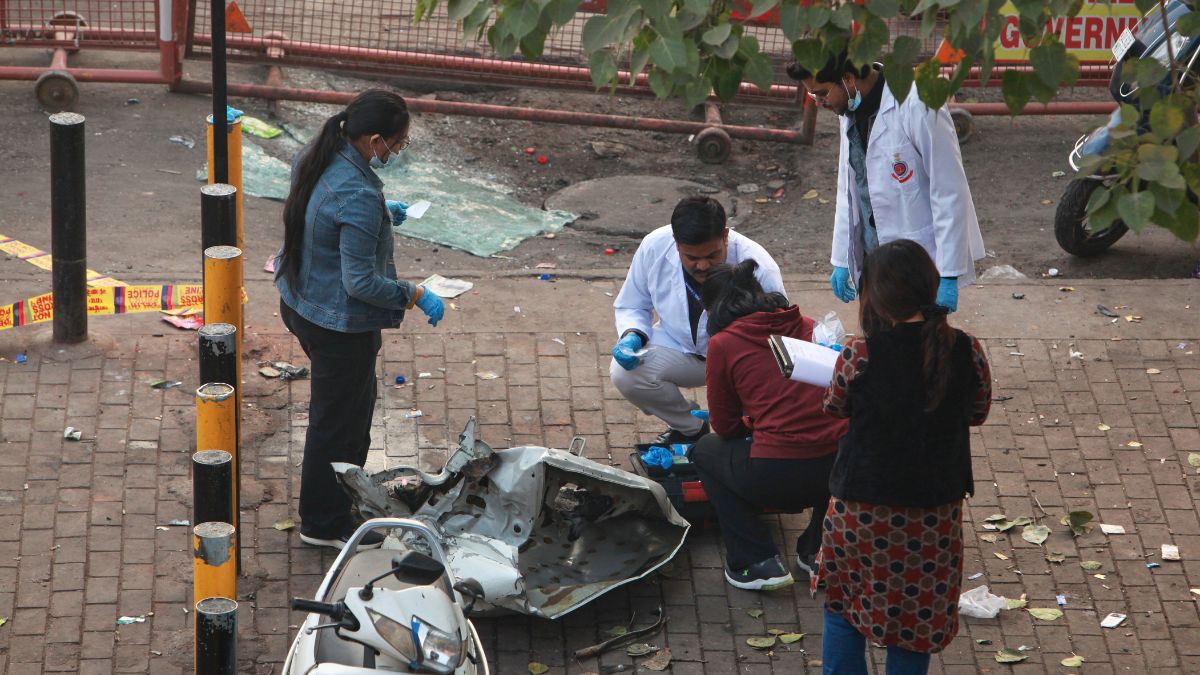 "NIA raids 8 locations in Kashmir in ‘white collar’ terror module linked to Delhi blast")
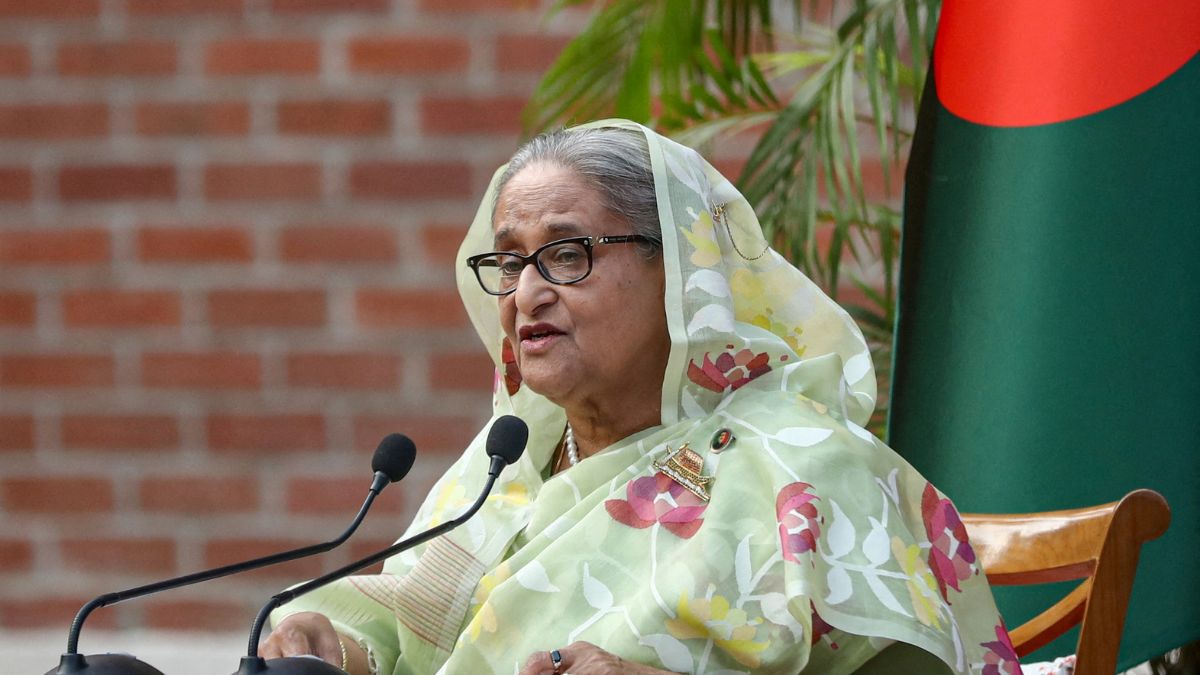 "Bangladesh: Hasina and UK MP Tulip Siddiq found guilty, sentenced in corruption case")
 "Cyclone Ditwah: Inside India’s Operation Sagar Bandhu to aid flood-ravaged Sri Lanka")
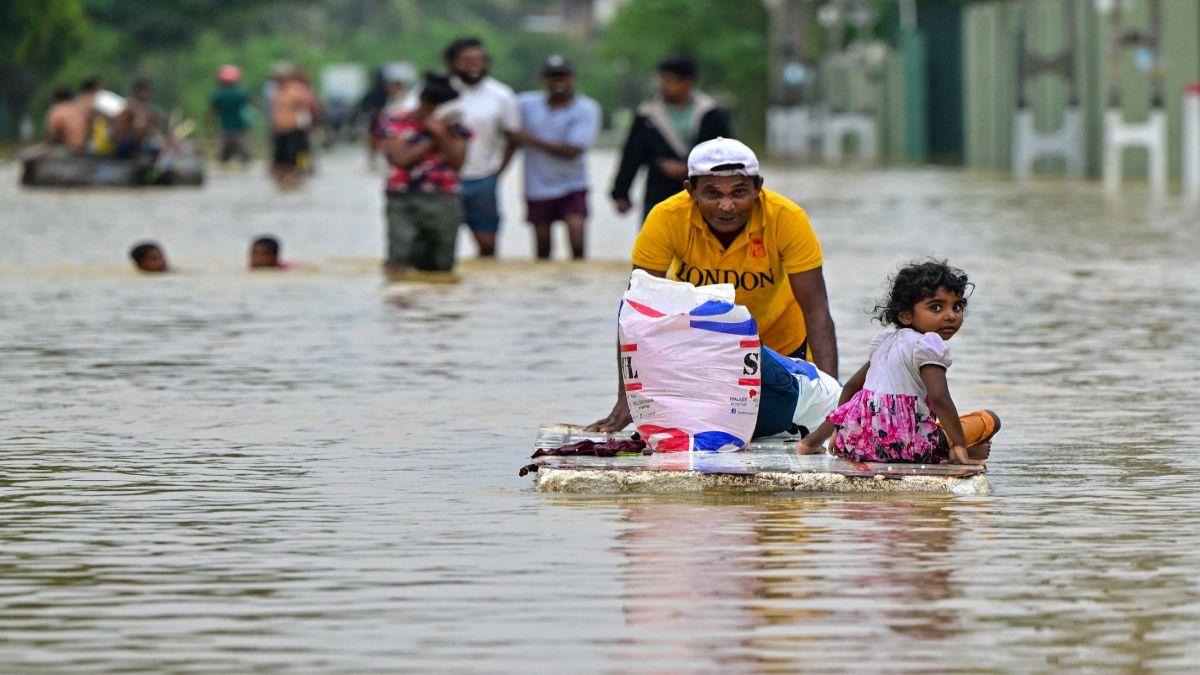 "Water-pocalyse in parts of Asia: Why are floods that claimed 900 lives so deadly?")
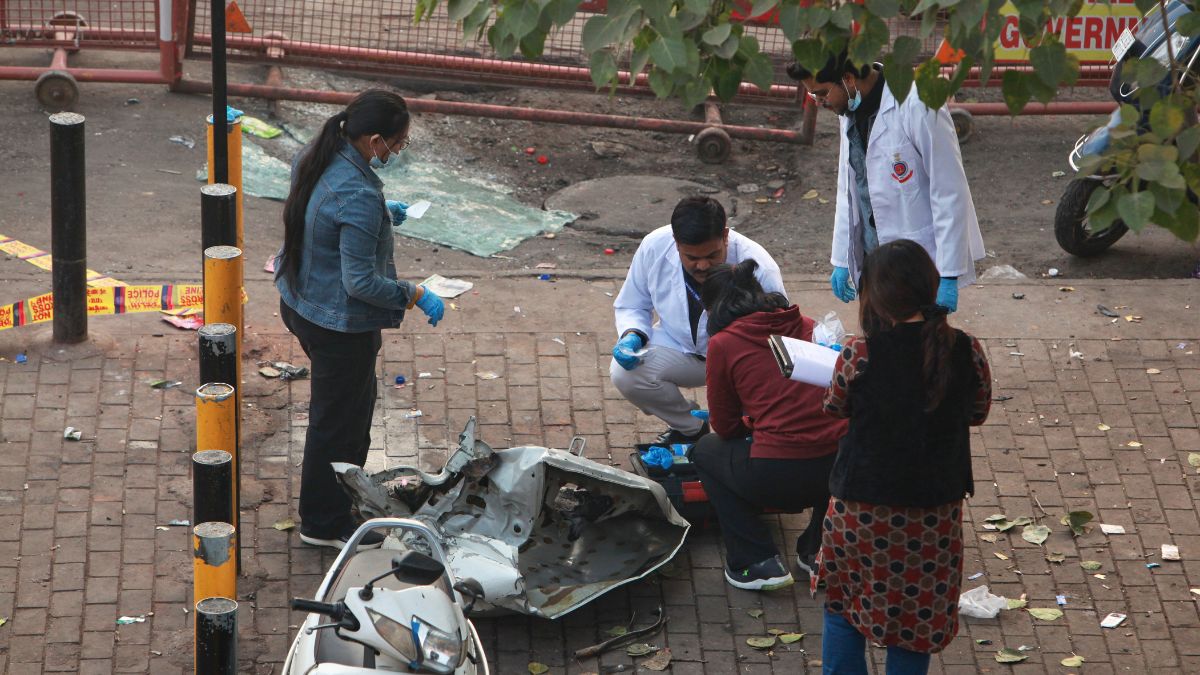 "NIA raids 8 locations in Kashmir in ‘white collar’ terror module linked to Delhi blast")
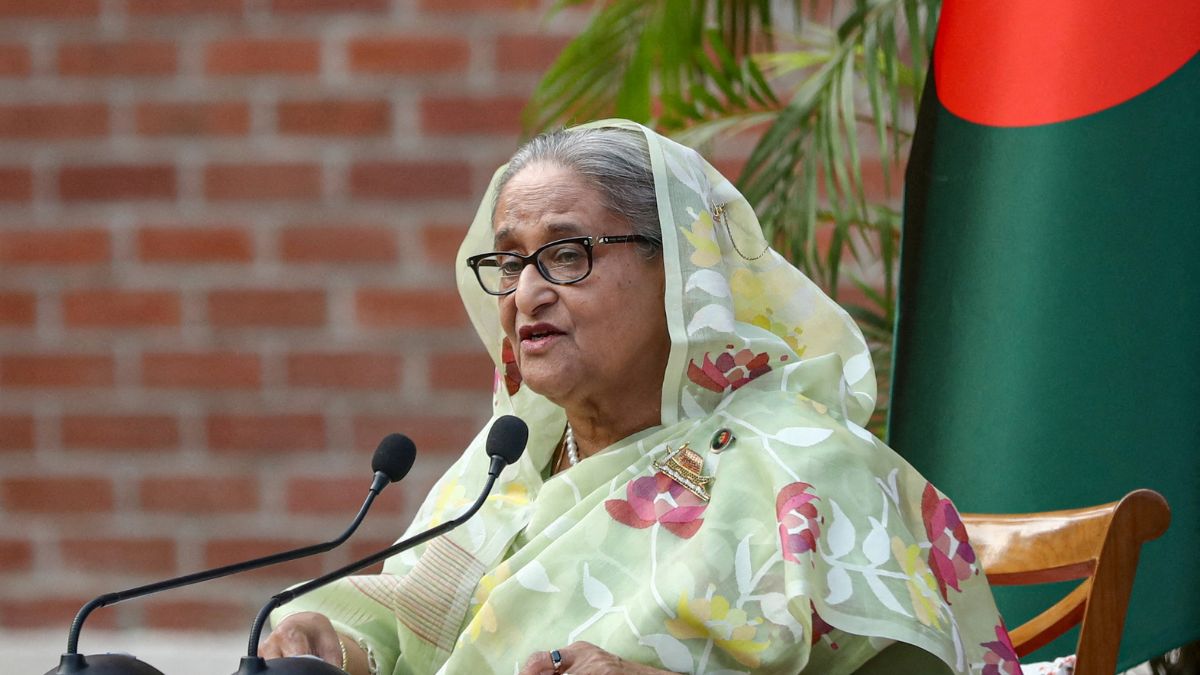 "Bangladesh: Hasina and UK MP Tulip Siddiq found guilty, sentenced in corruption case")
 "Cyclone Ditwah: Inside India’s Operation Sagar Bandhu to aid flood-ravaged Sri Lanka")



