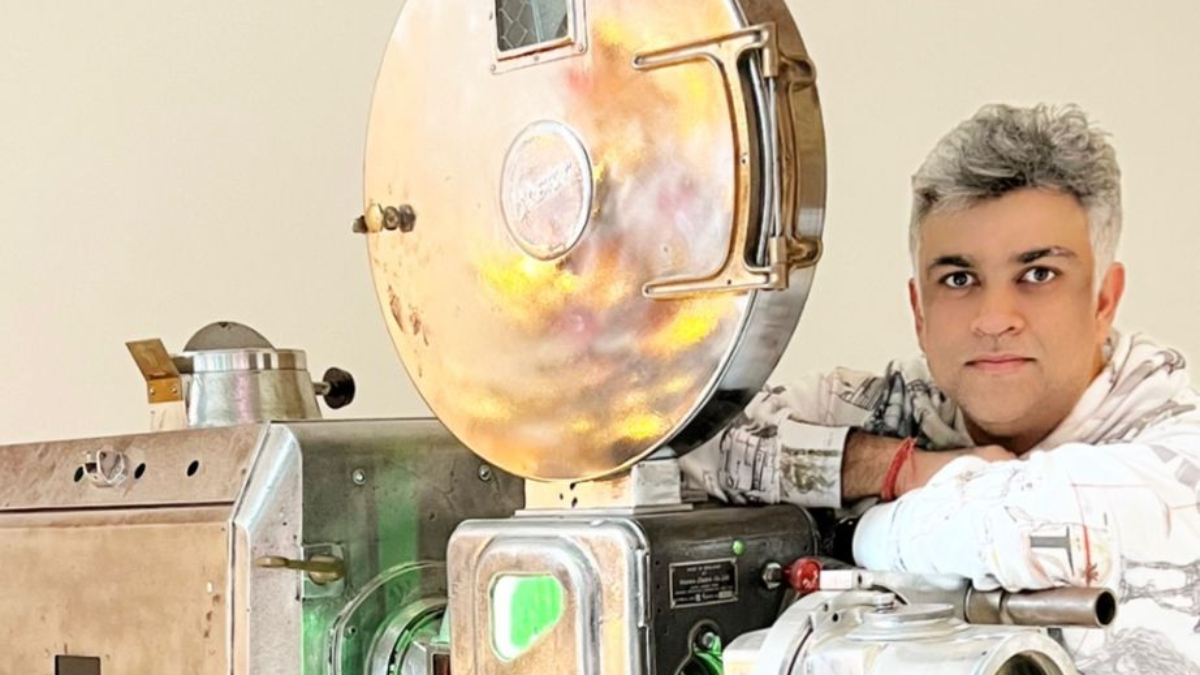
 "EXCLUSIVE | 'Doctors' web-series director Siddharth P. Malhotra: 'OTT allows for more experimental and bold storytelling but...'")
In 2024, Siddharth P. Malhotra directed the critically acclaimed and commercially successful Maharaj, a Yash Raj Films blockbuster that further cemented his place as one of India’s most versatile filmmakers. Starting his career in the late 90s, Siddharth collaborated with cinematic stalwarts like Karan Johar and Vidhu Vinod Chopra before launching his production company, Alchemy Films, with his wife, Sapna Malhotra.
Under Alchemy Films, Siddharth has delivered iconic TV shows like Sanjivani and Dil Mil Gayye and successfully transitioned into OTT storytelling with series like Doctors. His passion for innovative narratives continues to drive his creative journey, with his next film currently in production.
In an exclusive interview with Firstpost, the filmmaker spoke about his new show Doctors on JioCinema.
Edited excerpts from the interview
How did you prepare as a filmmaker for Doctors ?
As a filmmaker, medical dramas are a genre I’m deeply familiar with, having worked on five such series before. While I didn’t direct Doctors, I was closely involved in ensuring its authenticity. Our primary goal was to make the medical aspects as real as “possible, so we brought in Dr. Agni and his team to train our actors and director.
Every surgery and medical procedure shown in the series had to be executed with precision. We wanted the medical fraternity to watch Doctors and feel a sense of pride, knowing that their profession was portrayed with accuracy and respect. The key challenge was making our actors embody their roles so convincingly that they felt like real doctors, not just performers. The benchmark was to create a medical drama on par with international standards, engaging, insightful, and, above all, authentic.
What were the discussions regarding the casting of the series ?
Casting was a crucial element in shaping Doctors, and it involved extensive discussions between Tejkaran, the head of Jio Studios, and me. We both had different visions for the cast, but we ultimately aligned on Sharad, an actor I had been eager to work with. We needed someone with both the charisma of a classic hero and the depth to portray a flawed, complex character, a doctor who is revered yet burdened by a significant mistake from his past.
Harleen caught my attention with her performance in Broken, and I knew she was perfect for the role. Viraf, whom I had worked with in Maharaj, was an obvious choice. Sahid had previously collaborated with Vivaan, which made their dynamic seamless. We even considered working with Vivaan’s elder brother at one point. Meanwhile, Foyze, whom I had seen in a play, and Vansh, who had worked with her, were cast after auditions. Every actor was carefully selected to create a well rounded, compelling ensemble that would bring this story to life.
What do you have to say about the way doctors have mostly been stereotyped in Hindi cinema ?
Traditionally, doctors in Hindi cinema have been portrayed in a very black and white manner, either as noble saviours who never lose a patient or as corrupt individuals involved in medical scandals. What’s often missing is the human side of doctors. They are more than their profession; they have personal struggles, emotional burdens, and moments of self doubt.
A doctor might lose a patient despite their best efforts but still have to put on a brave face for the next one. They may be dealing with personal grief or exhaustion, yet they must continue to exude hope and strength for those who depend on them. Their lives are mentally and physically demanding, with gruelling hours and immense responsibility. Doctors aims to break these stereotypes and present a more nuanced, realistic depiction, one that acknowledges the immense pressure, ethical dilemmas, and emotional weight that come with being in this profession.
You are known for excelling in the medical drama genre with your past blockbuster shows on TV. Any specific reason for continuing to work in this genre ?
The opportunity to create Doctors came from JioCinema, which was looking for a high quality medical series. Given my experience in this genre, they believed I was the right person to bring this vision to life. What made this project particularly exciting for me was that, despite working on five medical shows in the past, I had never been able to fully explore the complexities of a doctor’s life. Earlier, I was restricted in how much I could depict, whether it was surgeries, ethical dilemmas, or the harsh realities of death.
Most medical dramas on Indian television focused primarily on a hero heroine narrative. With Doctors, I finally had the freedom to go beyond that and showcase the intricacies of multiple doctors’ lives, their professional challenges, and the ethical struggles they face daily. That creative freedom is what drew me to this project, and I’m thrilled to be able to tell these stories in their entirety.
How much do you feel content has changed post the OTT boom ?
The rise of OTT platforms has completely transformed the way we consume content. Language is no longer a barrier, viewers now seamlessly watch films and series in different languages with subtitles. From Malayalam and Telugu cinema to global hits like Squid Game, audiences have access to a vast, diverse pool of storytelling. With this accessibility, audience expectations have skyrocketed. Earlier, “good enough” content could find an audience, but today, only extraordinary storytelling holds attention.
The power dynamic has shifted, viewers can decide within minutes if they want to continue watching or move on to something else. As a result, content creators must constantly push boundaries and innovate. The competition is global now, and mediocrity is no longer an option. You either create something outstanding or risk getting lost in the sheer volume of content available.
With no pressure of box office numbers, is the OTT landscape more liberating?
In many ways, yes. OTT platforms provide the creative freedom to tell stories without the immediate pressure of box office numbers. However, that doesn’t mean the pressure is any less intense, it’s just different. Instead of ticket sales, the success of an OTT project is measured through viewership numbers, completion rates, and subscription impact. Platforms commission shows based on the belief that they will either attract new subscribers or retain existing ones. If a show doesn’t perform well in terms of engagement, it risks not getting a second season or affecting the creator’s future opportunities.
So while OTT allows for more experimental and bold storytelling, it comes with its own set of challenges. You still have to captivate audiences, ensure high completion rates, and keep viewers invested. It’s a different kind of box office, one driven by data and engagement rather than just opening weekend numbers.
Working as an Entertainment journalist for over five years, covering stories, reporting, and interviewing various film personalities of the film industry