 "Yen under pressure: Japan warns of intervention as oil shock, Fed outlook lift dollar")
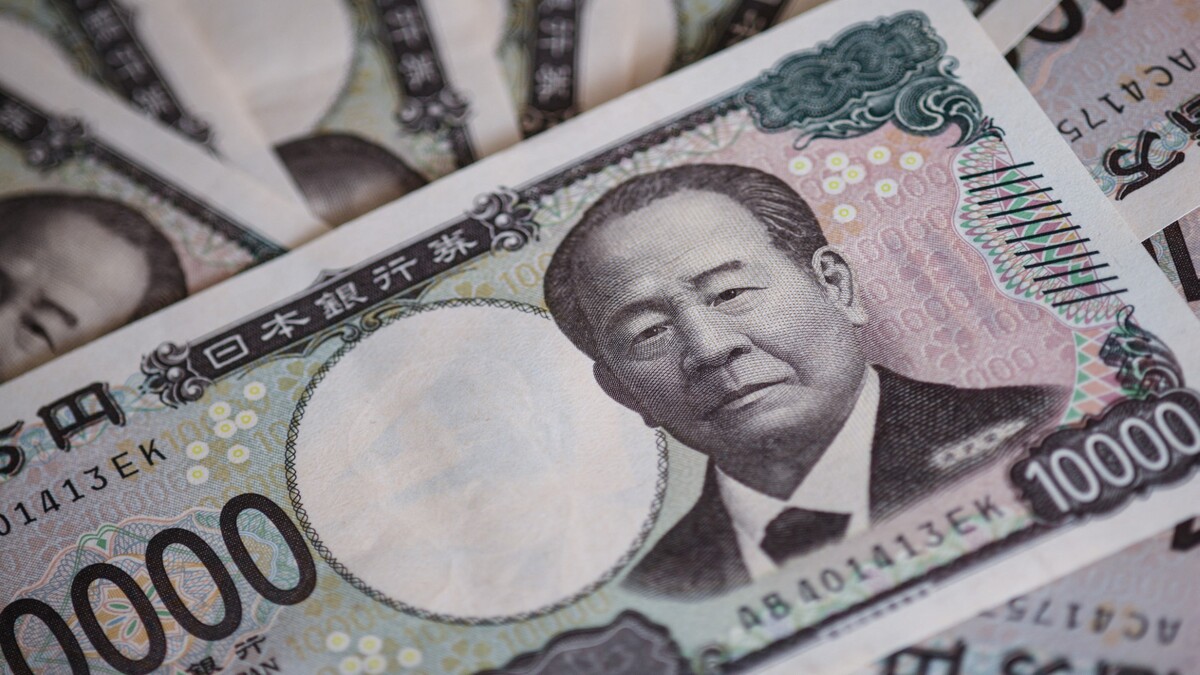
Japan’s top currency official has warned that authorities are ready to step in to stabilise the yen, as mounting geopolitical tensions in West Asia and rising oil prices continue to batter the Japanese currency.
Atsushi Mimura, vice finance minister for international affairs, said the government would take “all possible measures” against excessive foreign exchange moves, signalling heightened vigilance against speculative trading.
Tokyo steps up verbal intervention
Mimura said volatility in global markets — particularly driven by sharp swings in crude oil prices — was spilling over into currency markets.
“Some market participants say speculative moves in crude oil futures are affecting the foreign exchange market,” he said, adding that authorities remain prepared to act at any time given the impact of currency fluctuations on the economy and household finances.
The warning comes under the government of Sanae Takaichi, which has reiterated its readiness to intervene if market moves turn disorderly.
Yen weakens as dollar gains ground
The yen briefly strengthened following Mimura’s remarks, rising to around 159.02 per dollar before easing back to trade near 159.25 in Tokyo trading. The currency, however, remains under sustained pressure amid a broader rally in the US dollar.
The greenback has been supported by rising US Treasury yields and expectations that the Federal Reserve may keep interest rates higher for longer — or even consider fresh hikes — as inflation risks intensify.
Oil shock, Iran conflict weigh on markets
Global markets have been roiled by the ongoing conflict involving Iran, now in its fourth week, which has triggered sharp moves across asset classes. Concerns over potential disruption to supplies through the Strait of Hormuz have pushed oil prices higher, adding to inflationary pressures worldwide.
The surge in energy costs has complicated the policy outlook for central banks, including the Federal Reserve, with Chair Jerome Powell signalling the need for more progress on inflation before considering rate cuts.
Rate outlook shifts, volatility rises
Markets have rapidly repriced interest rate expectations, with traders scaling back bets on rate cuts and even pricing in the possibility of hikes across major economies, including the US, Europe and Japan.
The shift has triggered a sell-off in global equities and bonds, while pushing borrowing costs higher — a challenging mix for policymakers already grappling with slowing growth.
For Japan, a weaker yen adds another layer of complexity, as it raises import costs — particularly for energy — and squeezes consumers and businesses alike.
Quick Reads
View AllJapanese stocks tumble on Monday
Japanese equities mirrored the broader risk-off sentiment, with the Nikkei 225 plunging as much as 3.1 per cent in early Monday trade, while the broader TOPIX fell up to 2.7 per cent as markets reopened after a holiday.
The sell-off was led by declines in electronics and banking stocks, with companies such as Nissan Motor Co. and IHI Corp among the worst performers.
With inputs from agencies.

 "Iran Isarel War Live Updates: Iran warns of regional infrastructure strikes after Trump’s 48-hour ultimatum")
 "Iran's military warns Strait of Hormuz could be ‘completely’ closed if US bombs power plants")
 "PM Modi chairs high-level CCS meeting, reviews mitigating measures amid West Asia conflict")
 "Iran Isarel War Live Updates: Iran warns of regional infrastructure strikes after Trump’s 48-hour ultimatum")
 "Iran's military warns Strait of Hormuz could be ‘completely’ closed if US bombs power plants")
 "PM Modi chairs high-level CCS meeting, reviews mitigating measures amid West Asia conflict")