 "Why Birla is right in wanting to take money out of India")
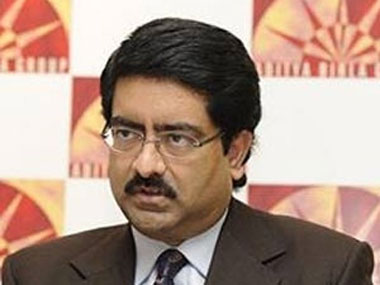
Kumar Mangalam Birla, the head of the Aditya Birla group, suggested in a recent interview that he is more inclined to look for investment opportunities outside the country than within the country. The reason he gave was policy inconsistency and lack of transparency at the government level.
Birla is perfectly right in looking at investment is other currencies than in the local currency. The reason, though, is not due to policies at the government level, the reason is more due to the fact that there is more value in investing elsewhere than in India.
[caption id=“attachment_650534” align=“alignleft” width=“380”] Businesses interested in investing in India have to factor in the true cost of capital given the number of risks. Reuters[/caption]
The Aditya Birla group has been around for ages - right from the time of the licence raj and one can be sure that the group knows how to handle the government.
The group is around $40 billion in size with businesses ranging from cement to financial services and no non-IT group can become so big in India without handling the government well.
Investing in India should be looked at in perspectives of the return offered given the risks the country generates. In this risk-return trade off, India definitely looks riskier than many other countries.
India is not far ahead of many countries in terms of corruption and lack of transparency. In fact, many emerging market economies would be much worse than India in these issues. Hence corruption and transparency is not a primary cause for India being a risky investment destination.
Impact Shorts
More ShortsThe single most important issue that India is facing at present is value. In classical investment terms, value is found in places where the price of an asset is cheap relative to its potential whether it is in terms of intrinsic value or in terms of growth or other such measures. India at present is lacking in that value.
Why does one say India lacks in value? The reason is rise in prices relative to growth in the economy. The last five years have seen the country falter in growth even as the prices have shot up. GDP growth has dropped from levels of 8.4 percent to levels of 5 percent while inflation has been in high single digits on the WPI (Wholesale Price Index) and in double digits on the CPI (Consumer Price Index). The inflation indices do not reflect the multi-fold rise in land prices and the rise in wages over the last few years.
A business group investing in India now faces the following issues: a) high cost of land; b) high cost of labour; c) uncertain domestic demand; d) pathetic infrastructure; e) political risk; f) monsoon risk; e) global risk; f) currency risk; g) risk of inflation; h) risk of rising interest rates and other such risks. In an environment where the country is struggling to fund its fiscal and current account deficit, the risk premium on investing in India shoots up.
Businesses interested in investing in India have to factor in the true cost of capital given the number of risks outlined above and it is highly likely the cost of capital shoots up.
High cost of capital demand high returns and such returns can only come from asset price bubbles or fast growing demand. Speculating on asset price bubbles is risky as outcome is not at all certain while the demand environment in the country is poor at present.
Why Birla, even ordinary Indian citizens should take advantage of the $200,000 available for them to invest in other currencies to hedge the country risk. India has to get its act right if it does want to create value for investors looking to invest in India.
Arjun Parthasarathy is the Editor of www.investorsareidiots.com a web site for investors