 "War lifts dollar to monthly highs; yen steadies on intervention threat")
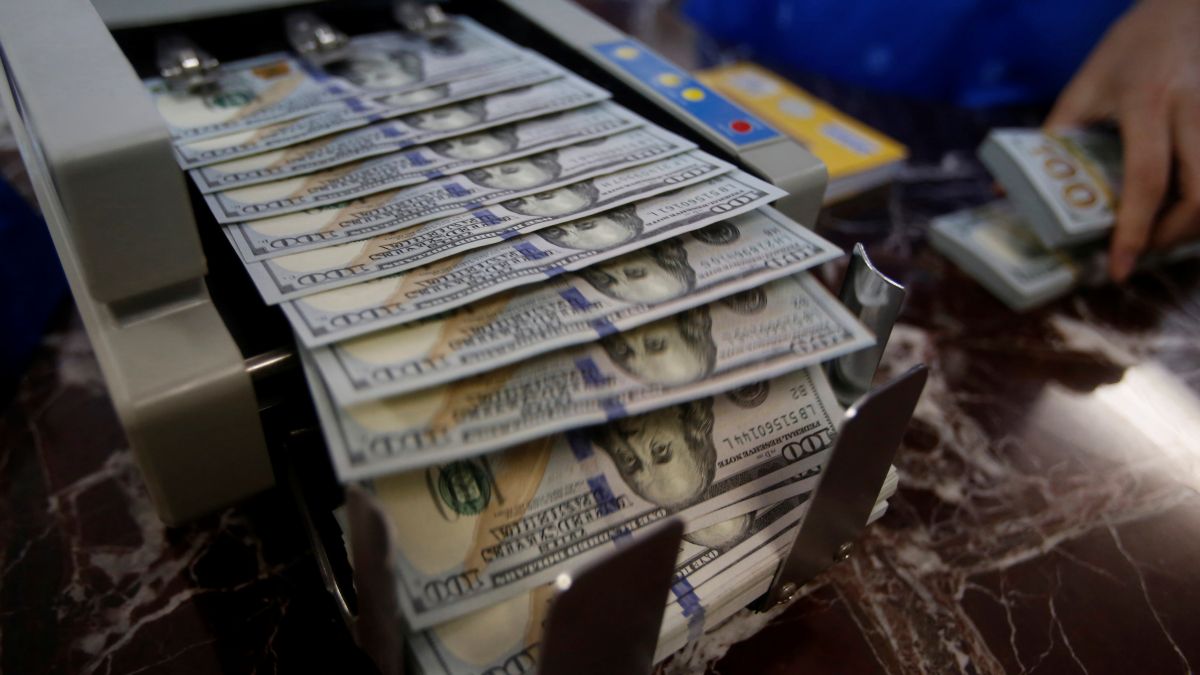
The US dollar is headed for its strongest monthly gain since July, underscoring its status as the preferred global safe haven, as the ongoing Iran war drives up oil prices and heightens fears of a worldwide economic slowdown.
The US Dollar Index climbed to its highest level since May 2025, rising about 2.9 per cent through March, as investors flocked to the greenback amid escalating geopolitical tensions and market volatility.
Dollar dominates as safe-haven demand surges
The greenback extended gains against most major currencies in overnight trade, buoyed by a surge in crude oil prices and mounting concerns over global growth. The conflict in West Asia has rattled financial markets, pushing investors toward assets perceived as relatively safer.
Despite a slight pullback in US bond yields after Jerome Powell reiterated a “ wait-and-see” approach on interest rates, the dollar remained resilient. Markets have largely priced out the possibility of further rate hikes this year, but the currency continues to benefit from risk aversion.
Analysts say the dollar’s strength reflects not just monetary policy expectations but also its traditional role as a refuge during periods of geopolitical uncertainty.
Yen recovers on intervention fears
The Japanese yen showed signs of stabilising after sharp losses earlier in the month, as traders grew cautious about pushing it beyond the psychologically significant 160-per-dollar level.
The currency, which had recently touched its weakest level since July 2024, traded around 159.8 per dollar in Asian hours. It remains down roughly 2.4 per cent for March, weighed by Japan’s heavy reliance on imported energy and the spike in oil prices.
However, renewed warnings from authorities in Japan about possible market intervention have helped the yen regain some ground, deterring speculative selling.
Commodity currencies under pressure
Risk-sensitive currencies bore the brunt of shifting market sentiment. The Australian dollar slipped to a two-month low, while the New Zealand dollar dropped to its weakest level in four months, reflecting growing unease about global growth prospects.
The downturn marks a shift in investor focus from inflation concerns to fears of an economic slowdown triggered by higher energy costs and supply disruptions.
Meanwhile, the South Korean won weakened to its lowest level since 2009, highlighting broader stress across emerging Asian currencies.
Geopolitics and oil drive market moves
Tensions escalated after Donald Trump warned that the United States could target Iran’s energy infrastructure if Tehran fails to reopen key shipping routes, including the strategically vital Strait of Hormuz.


 "Iran War Live Updates: Iranian strike triggers fire on Kuwaiti oil tanker at Dubai Port")
 "Israel passes law allowing death by hanging for Palestinians in military courts")
 "Netanyahu says Iran war 'beyond halfway mark' as US claims major military damage")
 "Spain closes airspace to US planes involved in Iran war")
 "Iran War Live Updates: Iranian strike triggers fire on Kuwaiti oil tanker at Dubai Port")
 "Israel passes law allowing death by hanging for Palestinians in military courts")
 "Netanyahu says Iran war 'beyond halfway mark' as US claims major military damage")
 "Spain closes airspace to US planes involved in Iran war")