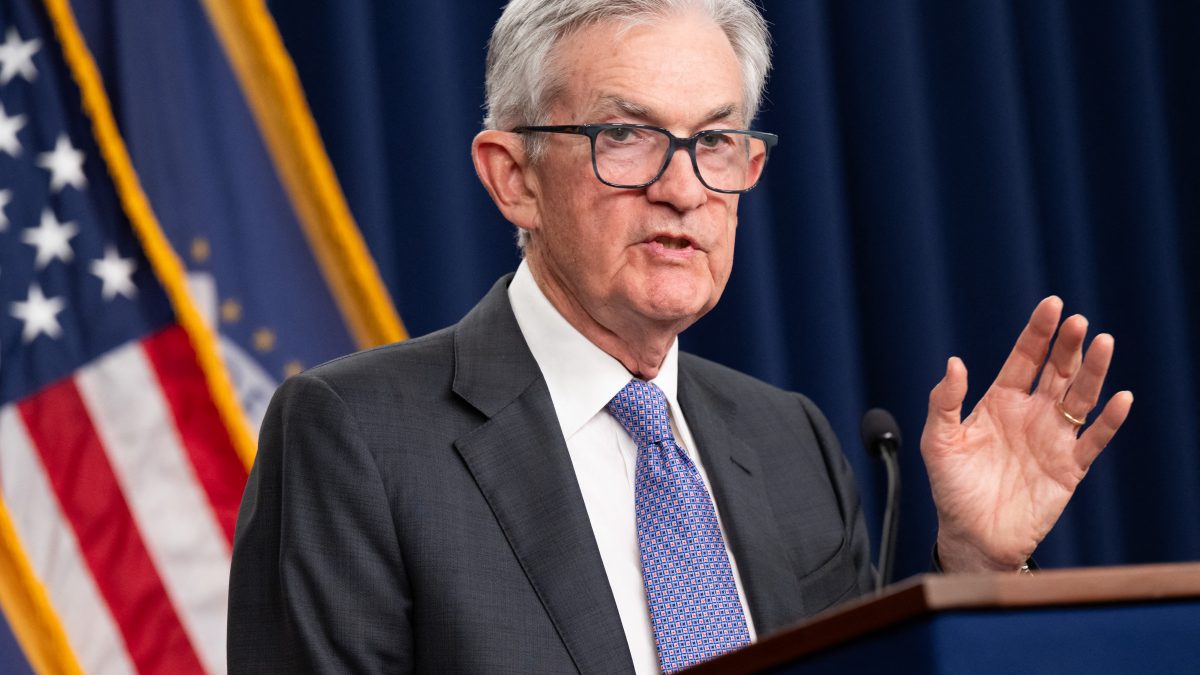
 "US Fed’s losses narrow sharply to $19.6 billion in 2025 as rate cuts ease pressure")
The US Federal Reserve reported a significantly narrower loss of $19.6 billion for 2025, according to its audited financial statement released on Wednesday, reflecting easing financial pressures as interest expenses declined and its balance sheet shrank.
The latest figure marks a sharp improvement from losses of $77.5 billion in 2024 and $114.6 billion in 2023. The central bank last posted a profit in 2022, when it transferred $76 billion to the US Treasury, down from $109 billion a year earlier.
Rate cuts ease financial strain
The improvement in the Fed’s financial position was largely driven by a steep fall in interest expenses. In 2025, the central bank reported $12.1 billion in interest costs, compared with $68 billion the previous year.
This decline followed a shift in monetary policy, with the Fed cutting rates in 2024 after an aggressive tightening cycle aimed at curbing inflation. The federal funds rate has since come down from a peak range of 5.25 per cent–5.5 per cent to about 3.5 per cent–3.75 per cent.
Lower borrowing costs reduced the amount the Fed pays to financial institutions, helping ease pressure on its balance sheet.
Pandemic-era policies continue to weigh
The Fed’s losses are rooted in its response to the COVID-19 pandemic, when it bought massive amounts of Treasury and mortgage-backed securities to stabilise markets and support the economy at a time when interest rates were near zero.
Traditionally, the central bank earns income from its bond holdings and services to the financial system, remitting surplus earnings to the Treasury. However, the dynamic reversed when interest rates rose sharply in 2022, pushing the Fed’s interest payments above its income.
Long road back to profitability
Despite the improvement, analysts say the path back to sustained profitability remains long.
The Fed accounts for its losses through a mechanism known as a “deferred asset,” which stood at about $245 billion. The central bank will resume remittances to the Treasury only after this balance is fully offset by future profits.
Quick Reads
View AllRecent trends suggest the Fed has returned to modest profitability, but experts expect it will take years to eliminate the deferred asset entirely.
Political scrutiny and policy debate
The Fed’s financial losses have also drawn political attention. They have been cited in debates over cost overruns linked to the central bank’s headquarters renovation in Washington, which has triggered a probe by the Department of Justice.
Separately, the losses briefly fuelled calls in Congress to modify the Fed’s interest rate control framework to reduce payments to financial institutions. However, policymakers and market participants warned such changes could destabilise financial markets, and the effort appears to have faded.
Leadership transition may shape future
Looking ahead, the Fed’s policy direction could shift with a leadership change. Kevin Warsh has been nominated to succeed Jerome Powell, whose term ends in May.
Warsh has advocated for a smaller central bank balance sheet, and some policymakers have suggested that regulatory changes could reduce banks’ demand for liquidity, allowing the Fed to scale back its market footprint.
Even so, the central bank has reiterated that its profit or loss position does not affect its ability to conduct monetary policy — a stance that remains central as it navigates the aftermath of pandemic-era interventions and the ongoing inflation fight.
With inputs from agencies.

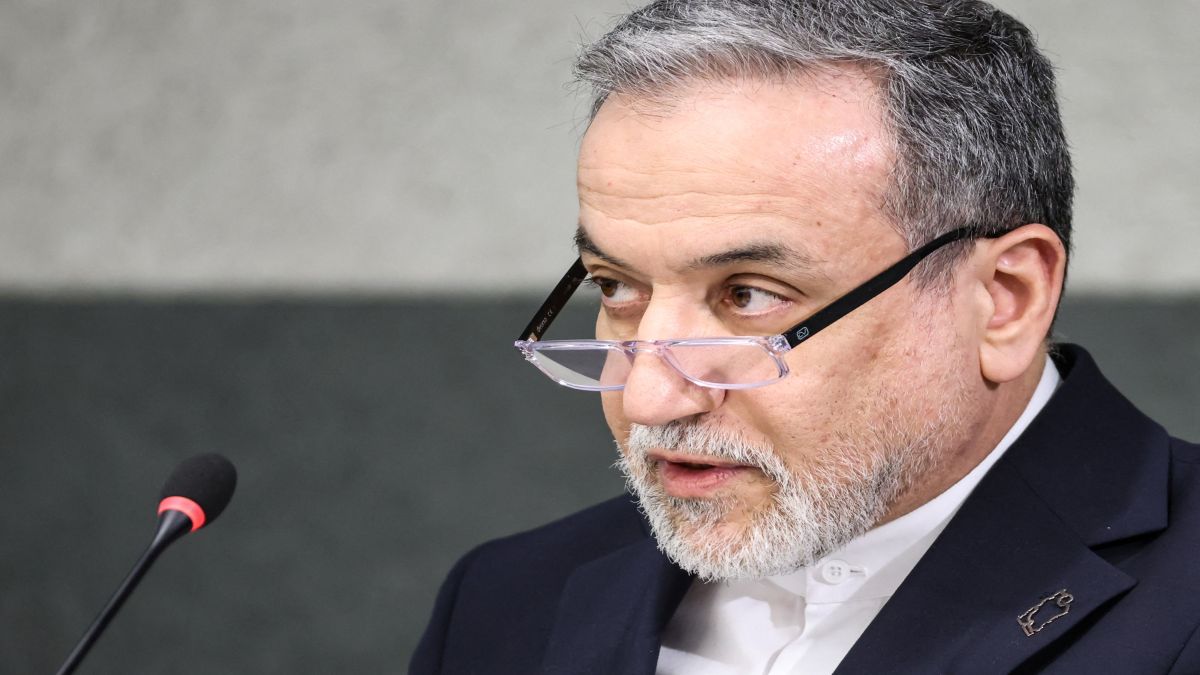 "Iran Israel War Live Updates: Iran warns of ‘unceasing attacks’ if enemies attempt to occupy its island")
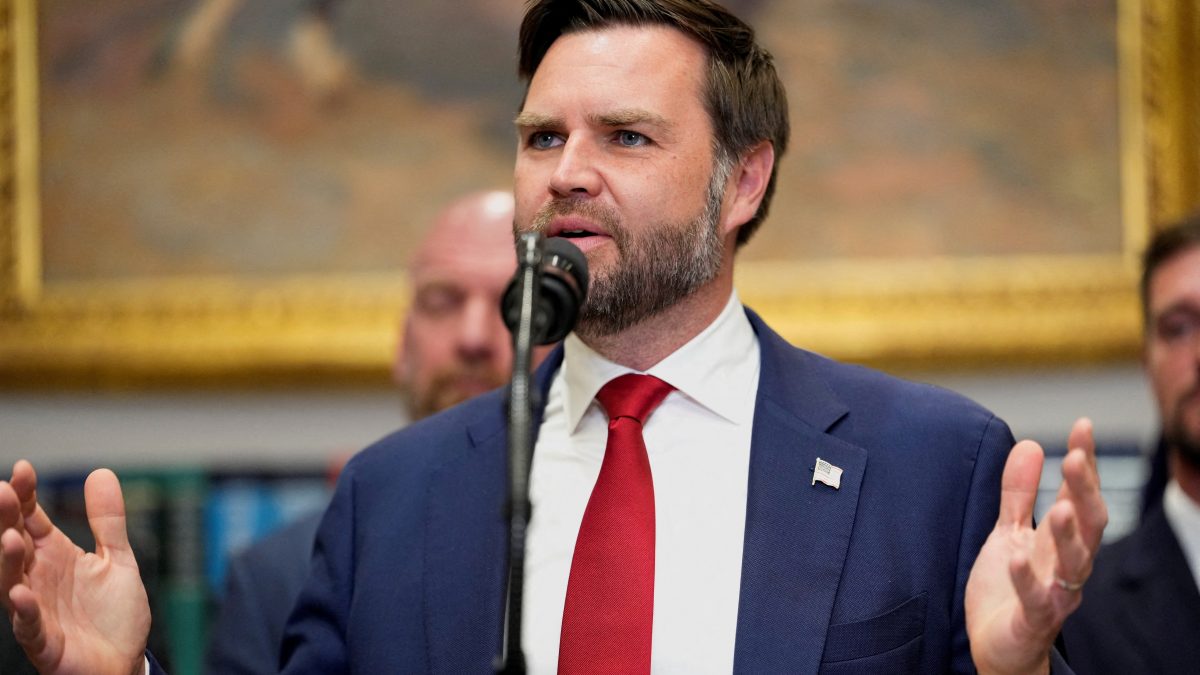 "US to send JD Vance to Pak over the weekend as Iran war enters fourth week: Report")
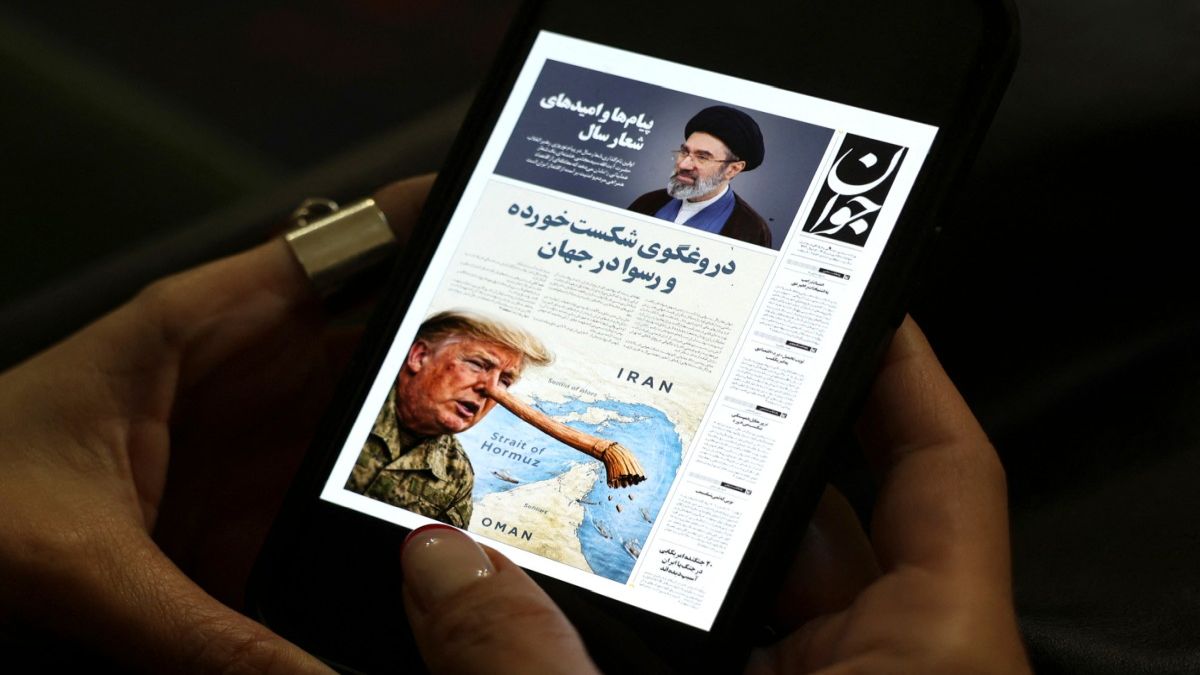 "Will Iran and US be able to end the war? Why peace talks seem to be going nowhere")
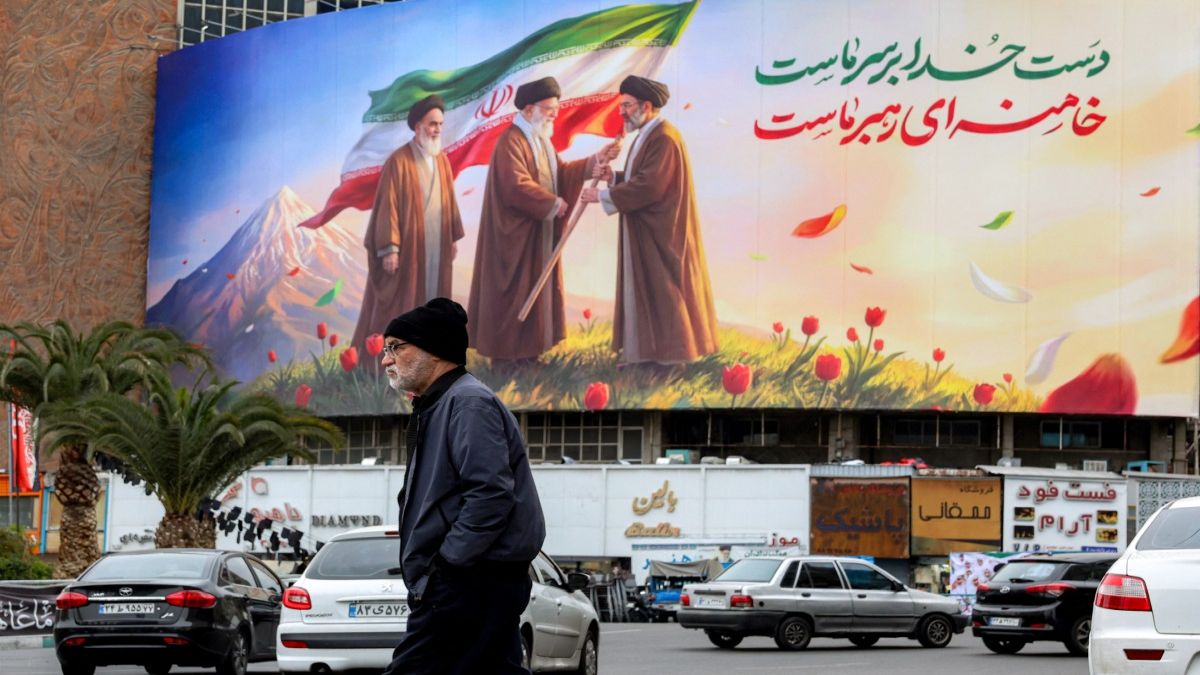 "Iran’s counter-offer: Reparations, Hormuz sovereignty and no talks — Tehran sets a bar Trump unlikely to clear")
 "Iran Israel War Live Updates: Iran warns of ‘unceasing attacks’ if enemies attempt to occupy its island")
 "US to send JD Vance to Pak over the weekend as Iran war enters fourth week: Report")
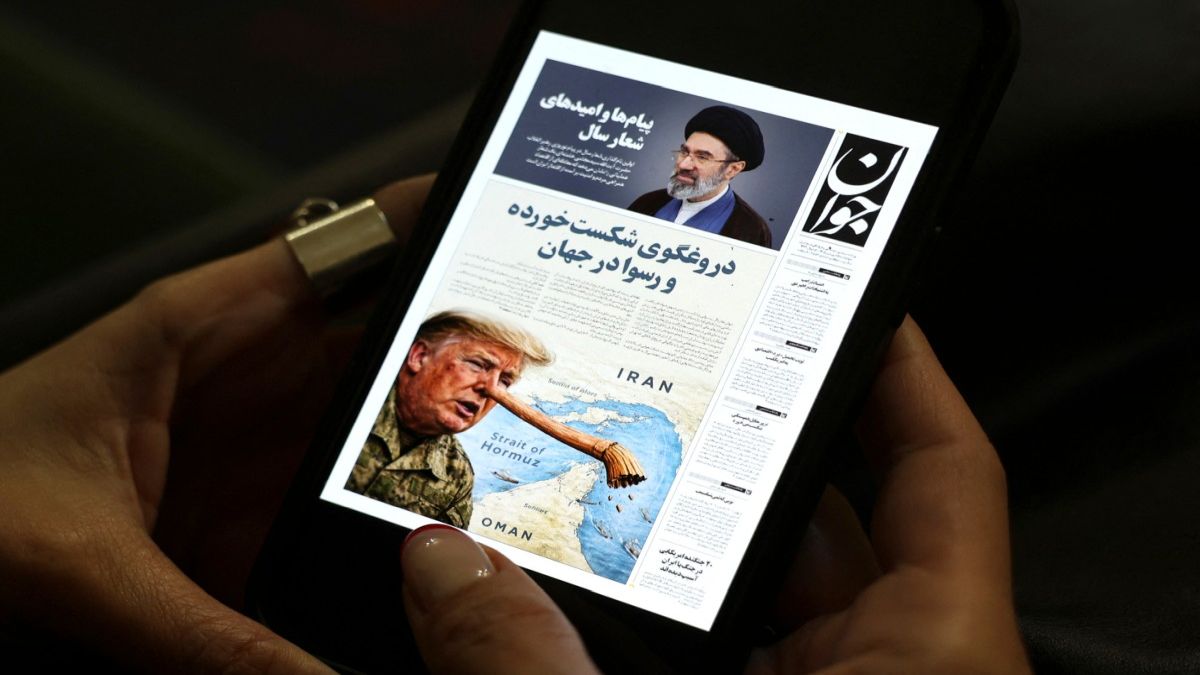 "Will Iran and US be able to end the war? Why peace talks seem to be going nowhere")
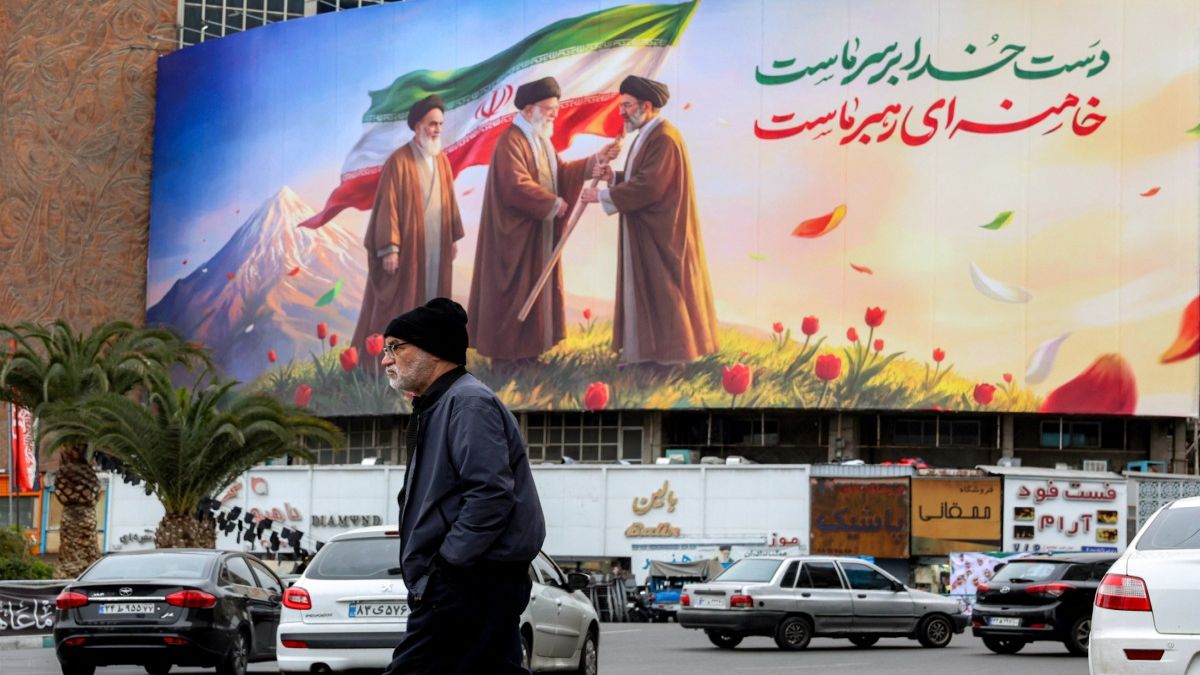 "Iran’s counter-offer: Reparations, Hormuz sovereignty and no talks — Tehran sets a bar Trump unlikely to clear")