

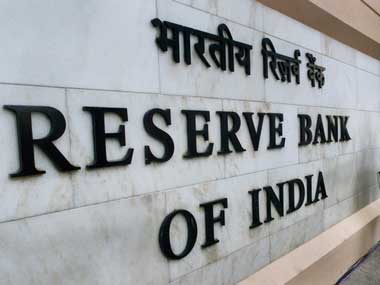
 "RBI to inject $5 bn into system: Move adds to the armoury of central bank, but will it ease liquidity constraints?")
The Reserve Bank of India (RBI) has come up with a new route to inject liquidity in the system. So far it has been through the repo window which includes both overnight and term repos which have been topped with periodic Open Market Operations (OMOs). Repo has some restriction in that the o/s amount cannot be more than 1 percent of NDTL. This process hence involved banks selling their holdings of GSecs either temporarily (repo) or permanently (OMO). It has ensured that liquidity is normal in the system and has been balanced quite evenly. The announcement made last evening on banks selling forex of up to $5 billion in a swap exercise is novel as this involves banks selling their forex holdings at the FBIL rate (reference rate) on the date of the auction after bidding successfully for the premium to be paid. After three years it would be bought back at this cost with the premium being paid separately. Hence theoretically if the exchange rate is Rs 69.50 on the day of the auction and the premium that is accepted in the bidding process is say Rs 3, then after three years, the bank pays Rs 69.50 and gets the dollars back while the premium is paid separately to the RBI. As on 15 February, the total forex assets in the system were Rs 29,672 billion while RBI forex exchange reserves were Rs 28,372 billion which means that around Rs 1.3 lakh crore of forex assets resides with the banking system. The $ 5 billion that is being sold works out to Rs 35,000 crore and is around ¼ of their total holdings. From the point of view of banks, this is good news as they are able to monetise their forex assets and use it for domestic lending being assured that they can be repurchased at the fixed rate. From the point of view of RBI, instead of buying GSecs from banks through three OMOs (as typically each round involves Rs 12,500 crore), it is able to inject Rs 35,000 crore at one shot at the end of the month when liquidity tends to be sticky. Therefore it is a win-win situation. [caption id=“attachment_5129811” align=“alignleft” width=“380”] Representational image. Reuters.[/caption] The interesting part of any swap operation is the pricing of the same. At what premium as it has been called will banks bid at this sale. Will it be 3 percent per annum or 4 percent per annum of a lower amount of 1 percent? This will be a major consideration because a three-year call is being taken on the rupee. In the past, the rupee has tended to depreciate at 3 percent per annum. When the last swap was conducted in the reverse mode it was 3.5 percent per annum for the entire period. The rupee has been volatile in the last couple of years being driven by global factors. The rupee has also strengthened at times and the forward rate may not be indicative enough of what will happen in three years’ time. The premium can be between Rs 2-3 per year, which banks will probably bid for in the auction. The entry of banks in this auction will, of course, depend on how much of these funds are lying idle as these are normally used for selling to customers. In late 2016 these holdings were as high as Rs 1.8 lakh crore while the lowest has been around Rs 95,000 crore. Hence, letting go Rs 35,000 crore of forex assets should not really be a problem as this has a holding cost. It is unlikely that there would be a severe forex crisis sparked by oil that could cause them to ask RBI for additional dollars. Therefore, earning 7-10 percent on Rs 35,000 crore by investing in T-bills or lending commercially will be a better option for banks. This is definitely a very good move by the RBI to have this swap facility as it helps in monetising assets of banks as well as improving efficiency in the market for dollars as the swap rate will feedback to the forwards/futures markets. The quantum is not very large in the overall scheme of things as there is a limit to which banks will sell their dollars in this swap transaction as they need to hold a buffer for contingencies. Hence the use of forex swaps is more limited in terms of monetary operations of the RBI compared with GSecs where the stock is higher. The RBI has already conducted OMOs of around Rs 2.9 lakh crore this year and this attempt at swapping dollars for cash will probably be a one-off case. But it sure adds to the armoury of the RBI. (The writer is chief economist, CARE ratings)
From the point of view of RBI, instead of buying GSecs from banks through three OMOs, it is able to inject Rs 35,000 crore at one shot at the end of the month
Advertisement
End of Article
Written by Madan Sabnavis
Madan Sabnavis is Chief Economist at CARE Ratings. see more


 "Israel targets top Hamas leaders in Doha; Qatar, Iran condemn strike as violation of sovereignty")
 "Nepal: Oli to continue until new PM is sworn in, nation on edge as all branches of govt torched")
 "Who is CP Radhakrishnan, India's next vice-president?")
 "Israel informed US ahead of strikes on Hamas leaders in Doha, says White House")
 "Israel targets top Hamas leaders in Doha; Qatar, Iran condemn strike as violation of sovereignty")
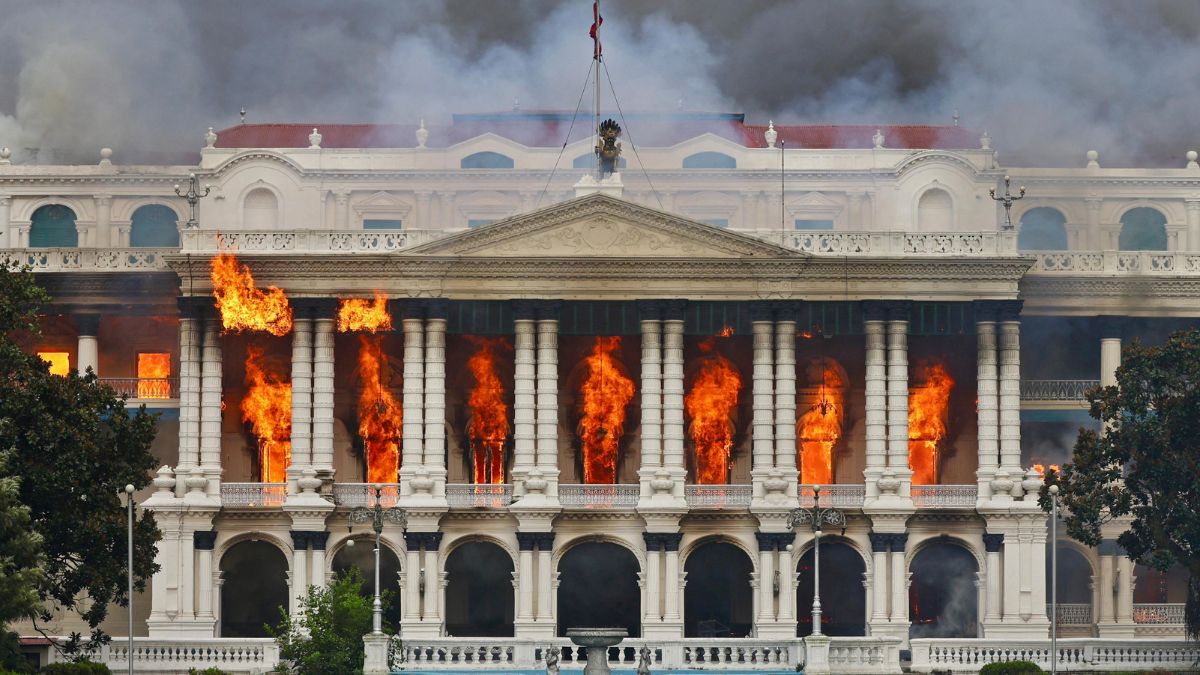 "Nepal: Oli to continue until new PM is sworn in, nation on edge as all branches of govt torched")
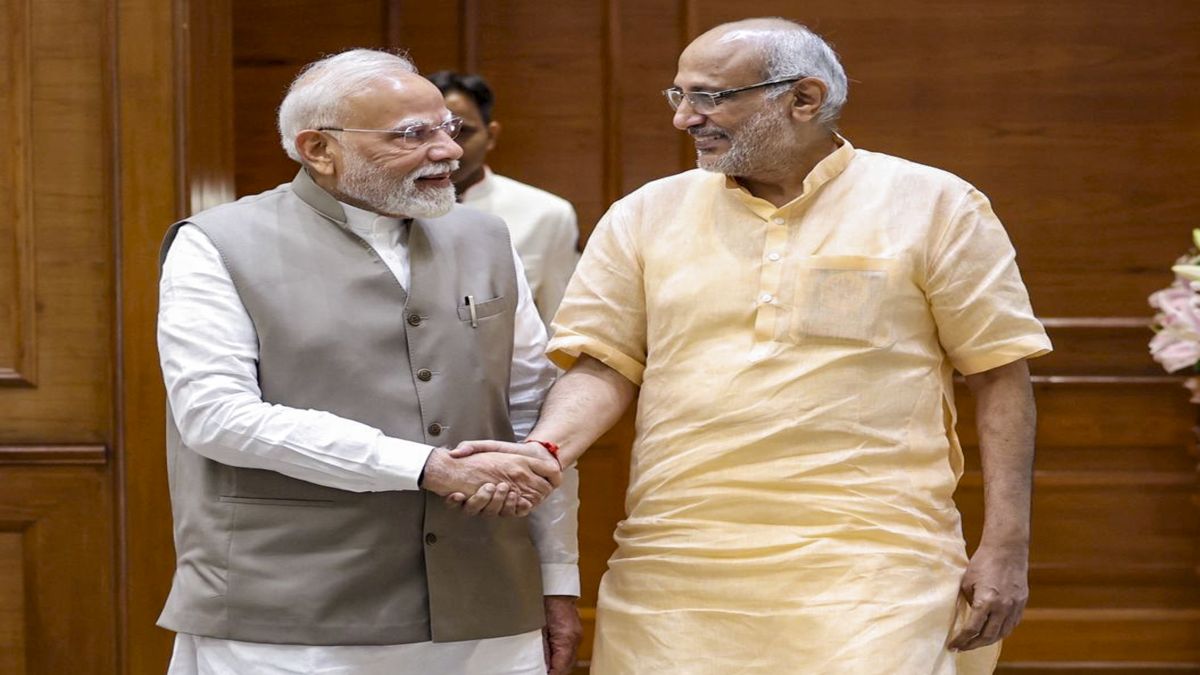 "Who is CP Radhakrishnan, India's next vice-president?")
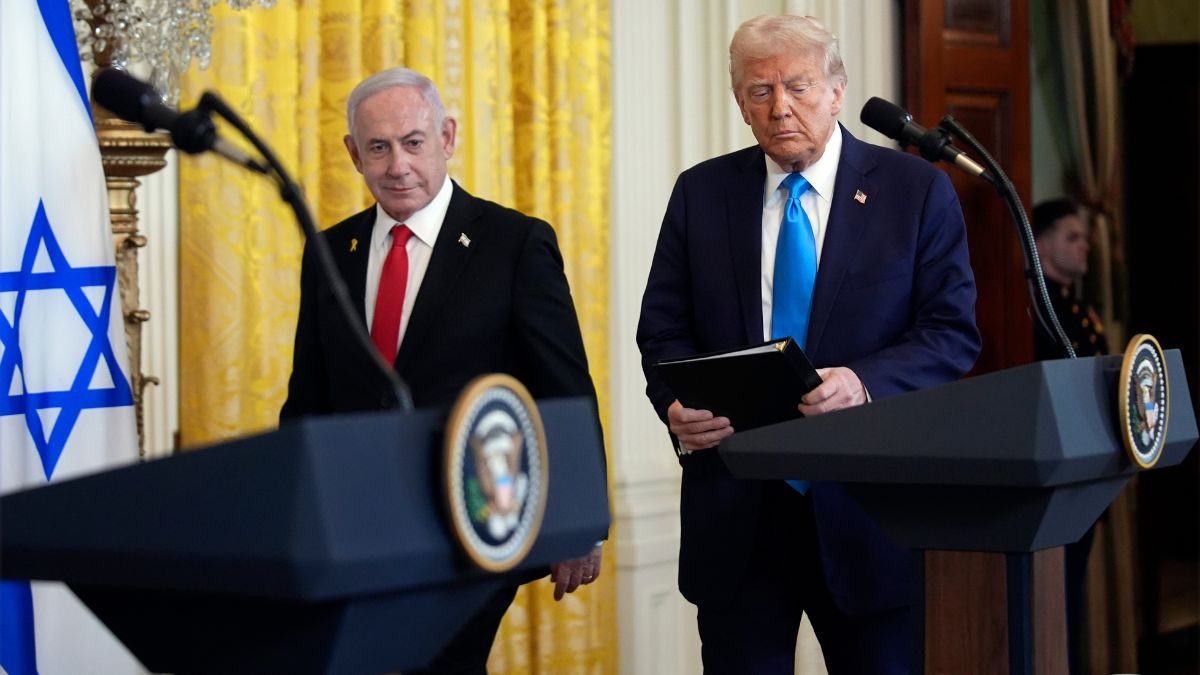 "Israel informed US ahead of strikes on Hamas leaders in Doha, says White House")



