 "China pledges balanced trade, deeper opening after record surplus. File Photo/Reuters")
Oil prices jumped sharply at the start of the week after Donald Trump issued a fresh ultimatum to Iran and Tehran threatened to shut the strategically vital Strait of Hormuz indefinitely, escalating tensions in West Asia and deepening fears of a prolonged supply shock.
Brent crude, the global benchmark, climbed about 1.6 per cent to hover above $113 per barrel in early Monday trade, while US West Texas Intermediate (WTI) rose nearly 2 per cent to around $100 per barrel. The sharp rally underscores how geopolitical risk is once again dictating the trajectory of global energy markets.
Ultimatum and retaliation threats
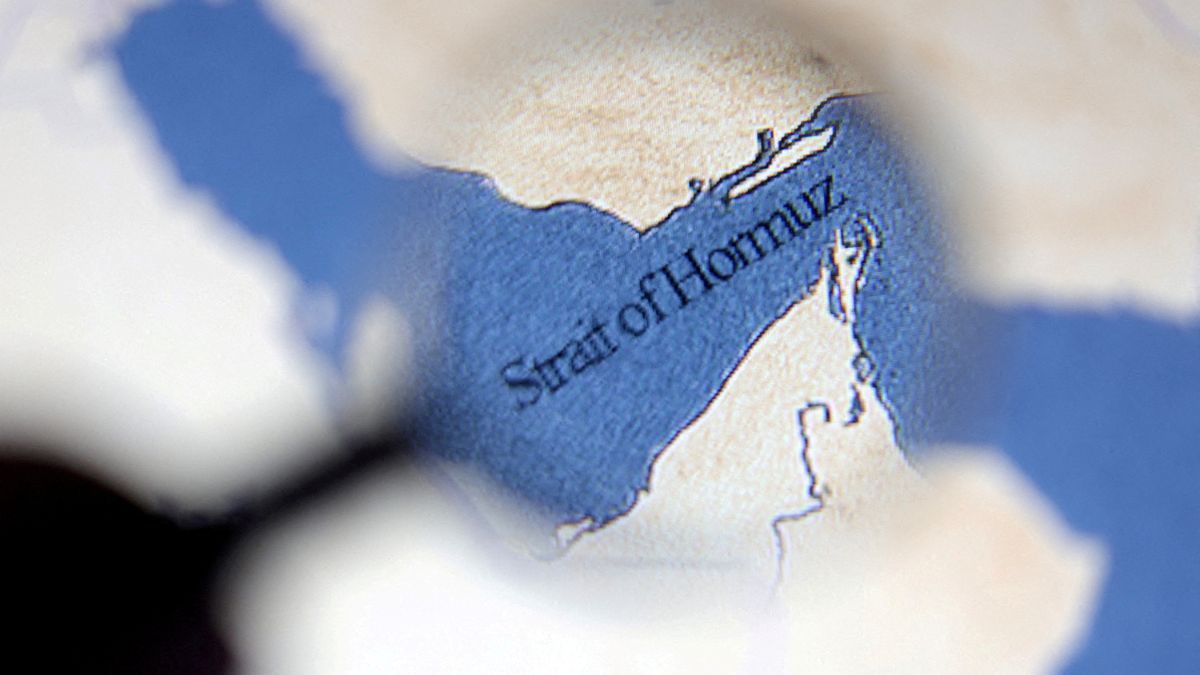
The latest spike follows a stark warning from Trump, who said over the weekend that the United States would “obliterate” Iran’s power infrastructure if the Strait of Hormuz — a conduit for roughly 20 per cent of global oil and gas flows — is not reopened within a 48-hour deadline.
Iran responded with an forceful stance, signalling it could completely shut the waterway and keep it closed until any damaged infrastructure is rebuilt. Tehran also warned it would target US and Israeli energy and communications assets across the region if attacked.
The tit-for-tat escalation comes as the ongoing conflict — now in its fourth week — shows little sign of easing, with military activity expanding and risks to critical infrastructure rising.
Supply shock fears intensify
The near halt in shipments through the Strait of Hormuz has already tightened global supplies, sending crude prices soaring from pre-conflict levels of around $70 per barrel late February to well above $110 now.
Market participants say the disruption has created a worst-case scenario for oil flows, with traders pricing in prolonged outages and limited near-term alternatives.
Investment bank Goldman Sachs has warned that elevated oil prices could persist through 2027 if supply constraints remain entrenched and geopolitical tensions continue to simmer.
Ripple effect across markets
The surge in crude is feeding directly into fuel costs, particularly in the United States, where average gasoline prices have climbed to about $3.94 per gallon, nearly a dollar higher since the conflict began. Analysts warn prices could breach the $4 mark imminently, with relief expected to be gradual even after hostilities subside.
Financial markets are also reacting nervously. US stock futures slipped in early trade, with Dow futures down about 0.6 per cent, while S&P 500 and Nasdaq futures fell between 0.6 per cent and 0.8 per cent, reflecting broader risk aversion.
Quick Reads
View AllEconomic trade-offs emerge
US Treasury Secretary Scott Bessent acknowledged the economic strain from rising energy prices but suggested Americans may tolerate “temporary elevated prices” if it leads to long-term geopolitical stability.
However, economists warn that sustained high oil prices risk fuelling inflation globally, complicating central bank policy paths and weighing on growth prospects — particularly for import-dependent economies such as India.