 "Nearly 90% of North American, European firms hedge FX risk as volatility, tariff jitters mount: Survey")
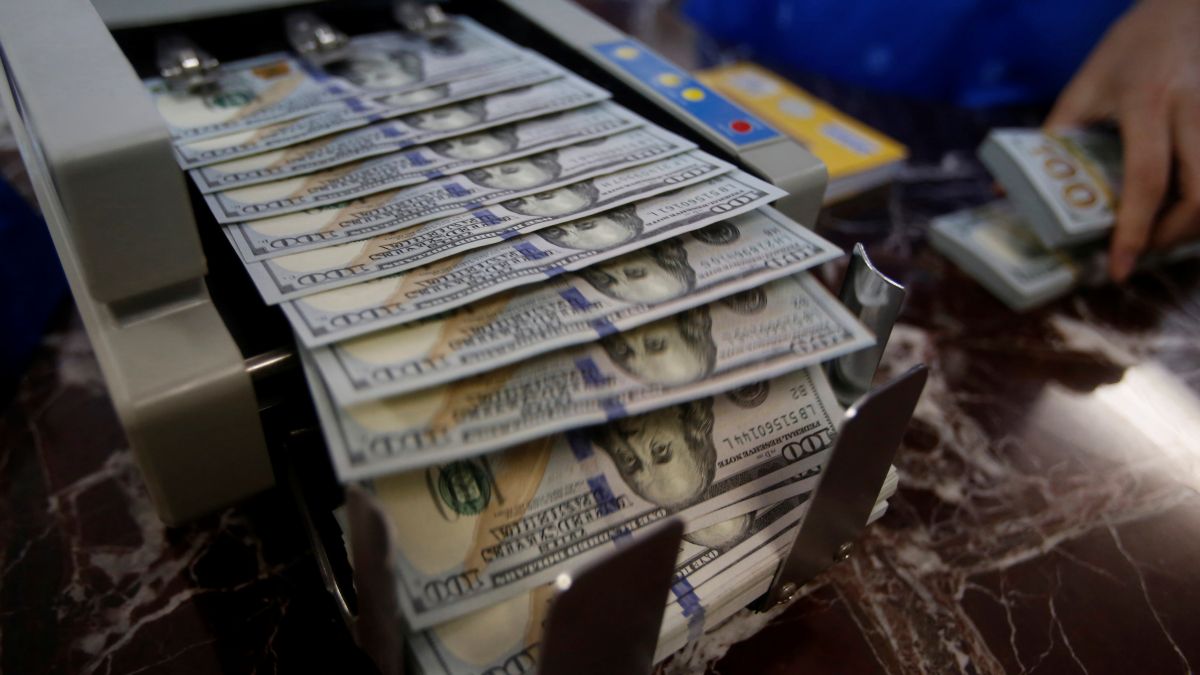
Nearly nine out of 10 medium-sized companies across North America and Europe are now hedging their currency exposure, with a growing majority opting to extend cover as market turbulence and geopolitical uncertainty intensify financial risks, according to a survey by software provider MillTech.
The survey of more than 750 senior finance decision-makers at firms with market capitalisation between $50 million and $1 billion found that 88 per cent of corporates hedge forecastable currency risk, up from 81 per cent a year earlier.
Among those that do not currently hedge, nearly two-thirds said they were considering doing so given prevailing market conditions.
Dollar slide, tariff threats reshape risk calculus
Currency markets have grown more volatile over the past year, driven largely by abrupt shifts in US trade and foreign policy under President Donald Trump’s “America first” agenda. Since the start of his second term in January 2025, the US dollar has fallen nearly 11 per cent against a basket of major currencies, raising questions over its traditional safe-haven status.
Against that backdrop, 62 per cent of respondents said they had been negatively affected by currency market volatility, with 25 per cent describing the impact as “very significant”. The strain appears most acute in North America, where 35 per cent of corporates reported a very significant negative impact and 69 per cent cited a net adverse effect.
Companies and investors typically use a mix of derivatives — such as forwards and options — to protect against exchange-rate swings that can inflate import costs, erode export competitiveness or distort overseas earnings.
“Corporates are reassessing how much FX risk they are willing to carry, balancing the impact of market uncertainty against rising hedging costs,” said Eric Huttman, chief executive of MillTech. “Many are responding by extending hedge tenors to lock in greater certainty while maintaining flexibility through balanced hedge ratios.”
Longer tenors despite rising costs
While adoption is rising, so are costs. The average cost of hedging has increased by 67 per cent over the past year, the report found, with North American firms seeing the sharpest jump.
Even so, 62 per cent of corporates said they plan to extend the length of their hedges, compared with just 11 per cent who intend to shorten them. The average hedge tenor currently stands at 5.5 months, with European firms locking in cover for longer periods than their North American peers.
Quick Reads
View AllThe data suggests companies are willing to absorb higher protection costs in exchange for greater visibility over cash flows and margins, especially as supply chains and sourcing strategies are reshaped by tariff uncertainty.


 "Pakistan-Afghanistan conflict LIVE: Afghanistan's Supreme Leader Hibatullah Akhundzada reportedly killed in Pak strikes")
 "Did Afghanistan shoot down Pakistan’s F-16 jet amid new clashes?")
 "Pakistan Stock Exchange tanks over 3,000 points as border tensions with Afghanistan escalate")
 "7 things about Indian Navy’s ‘Dolphin Hunter’ INS Anjadip commissioned today")
 "Pakistan-Afghanistan conflict LIVE: Afghanistan's Supreme Leader Hibatullah Akhundzada reportedly killed in Pak strikes")
 "Did Afghanistan shoot down Pakistan’s F-16 jet amid new clashes?")
 "Pakistan Stock Exchange tanks over 3,000 points as border tensions with Afghanistan escalate")
 "7 things about Indian Navy’s ‘Dolphin Hunter’ INS Anjadip commissioned today")