

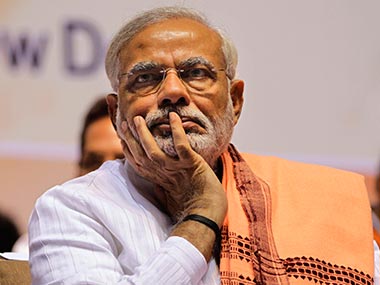
 "Narendra Modi’s pitch for Jan-Dec fiscal year: A good move, but there’s a cost to it")
On Sunday, at the Niti Aayog’s governing council meeting, Prime Minister Narendra Modi spoke of shifting the fiscal year to January to December period from the current April to March period. If indeed this change happens, this will be a major break from a 150-year old colonial practice implemented by English rulers in India way back in 1867 to align Indian accounting with that of imperial Britain. If India migrates to the new format, a host of changes will have to be effected including the date of budget presentation (this will have to be moved to November from February currently), tax assessment year, reorganizing the tax infrastructure including at the company level and, mostly likely, adjust even the timing of Parliament sessions. There are a few positives for the move. The shifting of financial year to Jan-December will align India with the prevailing practice of developed countries. This will be a progressive, convenient transition for the Indian economy as it gets increasingly integrated to the global economy and with more companies from across border engaging in business activities. For MNC firms in India, which are currently dealing with two types of financial years here and at the parent country, a uniform structure will be a relief to manage their accounts. There are economists who support this move. A change to the global practice is good, said DK Joshi, chief economist at rating agency, Crisil, Indian subsidiary of Standard and Poor’s. “It will align our numbers with rest of the world,” Joshi said. There is no reason for India to continue with a colonial practice after seven decades of winning freedom from British Raj, an idea Modi-government has already begun to implement when it advanced the union budget presentation by a month. [caption id=“attachment_3387284” align=“alignleft” width=“380”] 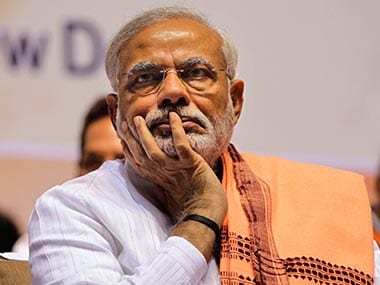 PM Modi. AP[/caption] Earlier, a government-appointed committee headed by former chief economic adviser Shankar Acharya had proposed the change to January-March financial year in its report submitted to the finance ministry in December last year. One of the pertinent point then raised by the panel in favour of the change was that the change will align the financial year with the crucial monsoon cycle and also with the country’s crop harvests both for Rabi and Kharif seasons. Presently, before the Union budget presentation in February, the government doesn’t get any solid data on monsoon forecast for new financial year, which becomes a problem and a source of uncertainty while drafting the income-expense chart. So, there are some merits to the Jan-December system. But, besides aligning Indian economy more with international practice, is there a good economic sense to this move? More importantly, should India hurry for such a shift? There are obvious costs to a change in the financial year as companies and tax departments are operating within the March-April framework. An immediate change would mean a major readjustment that’ll have a one-time cost. If the change is immediate, then it could clash with the roll out of GST (goods and services tax) which will be rolled out this calendar year. Already companies and the government departments are struggling to adjust themselves to migrate to the GST era and change in the financial year soon would mean battling with two big disruptive changes in the same period. This is unlike advancing the budget presentation since only government departments had to prepare mainly for the change not the industry. But, that wouldn’t be the case here. “Severe reorganization by all companies will add one-time cost. Is it worth it?” asked Madan Sabnavis, chief economist at rating agency, CARE. “This move is both good and bad. Good because, globally, it is so (January-December). Bad, because of the cost of implementation. Otherwise, the change does not matter and once can see positives in both,” Sabnavis said. Last year, states like Maharashtra had argued against the change to the new financial year system, a The Hindu report said. The state, in its communication to the centre had argued that at a time when major structural changes taking places in state’s financial system, which are consuming a lot of administrative time and manpower, change into new the financial year may not be feasible. These factors include GST roll out and the merger of Plan and non-Plan expenditure. To sum up, while change in the financial year to the international practice is good, which will also be beneficial for the country to link the financial year with crucial monsoon period, there will be significant one-time cost both for the government and the industry. This is particularly in the backdrop of other key structural changes such as GST roll out happening already. Already, there is confusion in the industry with the change in the tax system when the GST finally happens. A shift to new fiscal year, too soon, will add to this. Of course, this change will indeed be logically a progressive step but the timing needs to be debated in depth keeping in view of the cost of the exercise. Clearly, there is no urgency here when the GST is still facing multiple implementation hurdles.
If India migrates to the new format, a host of changes will have to be effected including the date of budget presentation, tax assessment year, reorganizing the tax infrastructure including at the company level and, mostly likely, adjust even the timing of Parliament sessions.
Advertisement
End of Article


 "US ready to ‘impose costs’ on Russia if war in Ukraine drags on, says Hegseth")
 "US tells Hamas to stop violence against Gaza civilians and disarm 'without delay'")
 "China seizes 60,000 maps mislabelling Taiwan, omitting South China Sea islands")
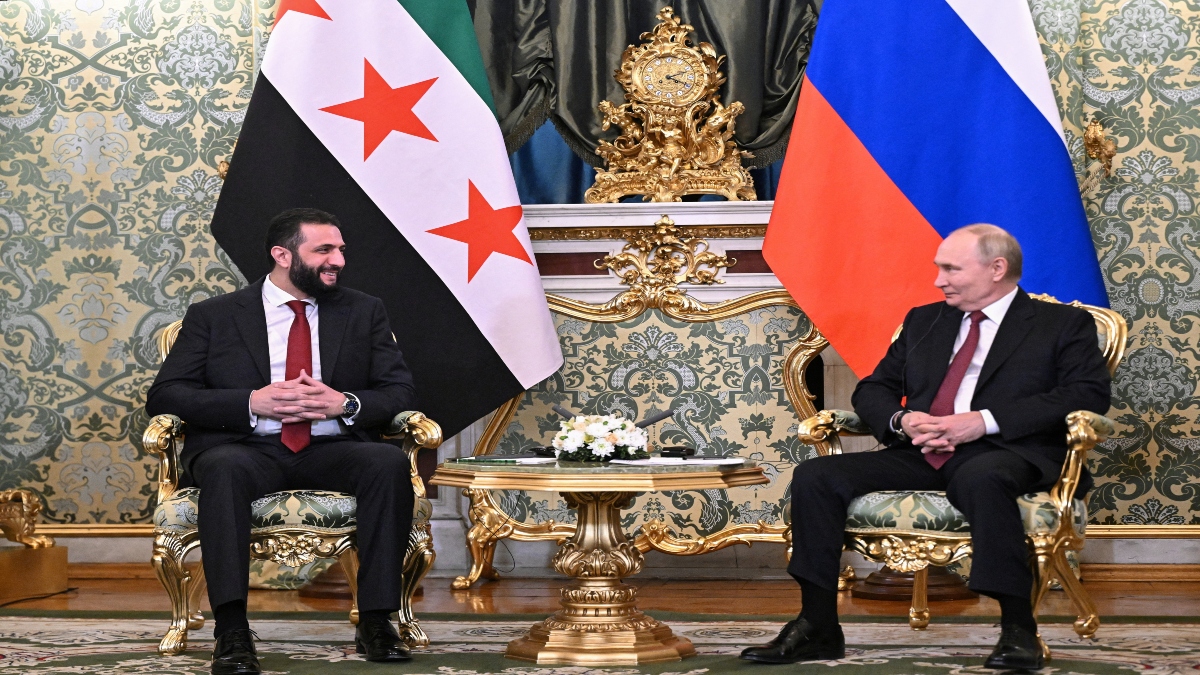 "Syria’s Sharaa pledges to honor Russia ties, seeks economic and military support in Kremlin visit")
 "US ready to ‘impose costs’ on Russia if war in Ukraine drags on, says Hegseth")
 "US tells Hamas to stop violence against Gaza civilians and disarm 'without delay'")
 "China seizes 60,000 maps mislabelling Taiwan, omitting South China Sea islands")
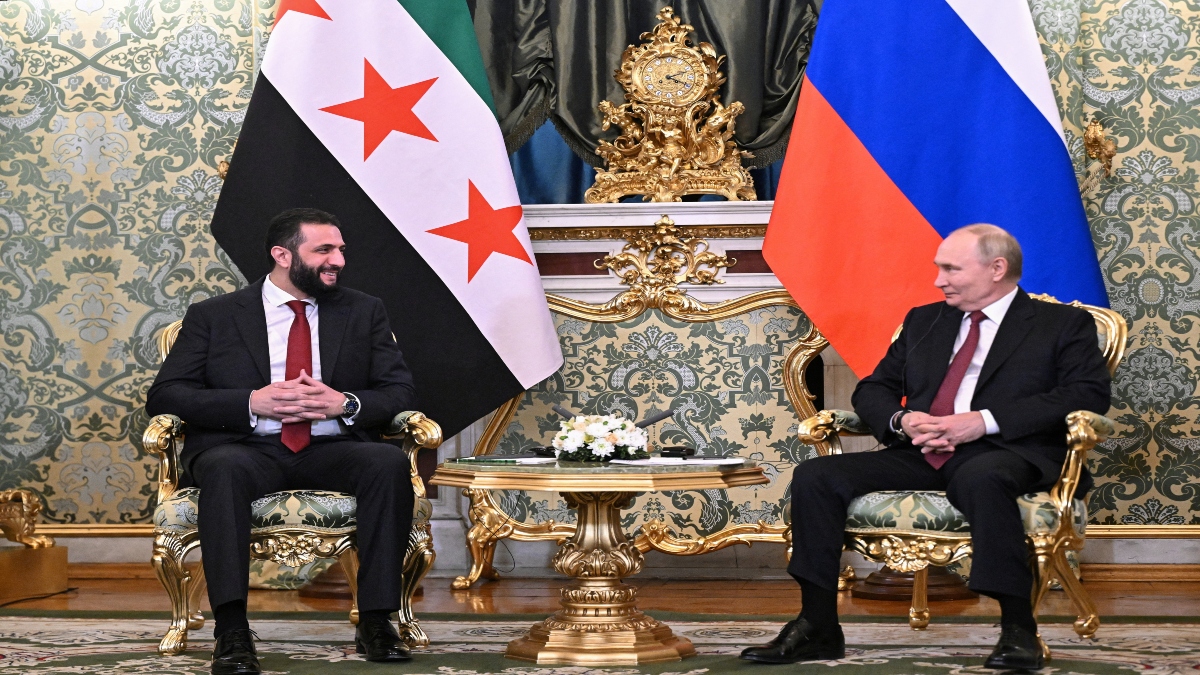 "Syria’s Sharaa pledges to honor Russia ties, seeks economic and military support in Kremlin visit")



](https://images.firstpost.com/wp-content/uploads/2017/04/NarendModi_AP_3March1.jpg)