

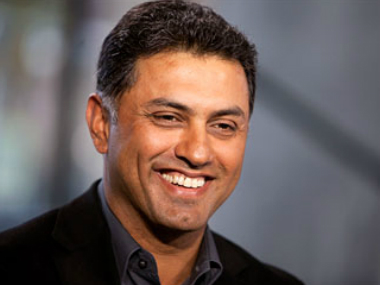
 "Must read: Nikesh Arora of SoftBank has some great advice for start-ups")
Former Google executive Nikesh Arora who joined SoftBank last year to oversee the Japanese company’s investment strategy, has proven to be an extraordinary investor. Since he joined SoftBank it has made over ten investments, including a $250-million stake in GrabTaxi, an Uber competitor in Southeast Asia; a $627 million investment in Indian e-commerce company Snapdeal.com, $90 million in Housing.com, and the $100 million investment in budget hotel chain Oyo. Here’s what he has to say on a variety of topics: Valuations today are not realistic While Arora is now betting big on the Indian e-commerce space and looking for more start-ups to fund, he has cautioned that valuations today have raced “far ahead” of what they should be. ““I think what’s happened in the last one year, is that a lot more people have come to India with far bigger cheques. So there are more people chasing the same number of investments and valuations have gone up 2-3 times from last year. So I think from all these indicators I don’t see us stepping up the pace,” Arora is quoted as saying in Economic Times. [caption id=“attachment_752273” align=“alignleft” width=“380”] 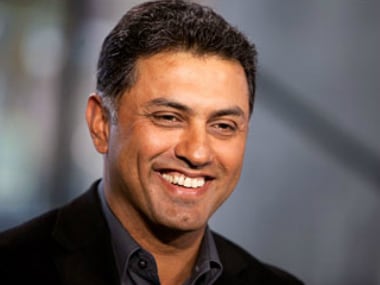 Nikesh Arora[/caption] Sign cheques to create a legacy not to drive valuation So what’s his funding mantra? Arora believes Softbank is not here to sign cheques and drive valuations. Instead, it is looking to create a legacy “by creating the future Bill Gates, Jack Ma, Steve Jobs of the world.” He thinks if the cheque is too big entrepreneurs don’t keep the discipline that is required to build a great business. How does he view the e-commerce space in India A lot of potential to grow but execution is a challenge here.
Potential! Need balance, need infrastructure. Companies should focus on providing Gr8 experiences 1 cust at a time. https://t.co/5ky3255Al5
— Nikesh Arora (@nikesharora) August 10, 2015
The more one can execute without funding the better since it implies conviction and a better product, which could lead to a possible higher valuation. Investing strategy Speaking to CNBC, he said the number of companies that the bank can invest in is between half a million to a million companies. “So from our perspective, becoming an investor in the market is tough,” he says, adding, “We’ve decided to find the best entrepreneurs who are breaking out from the trajectory from their plan, go invest in them, take 25-30 percent stake, and support them for the rest of their lives.” Marketing rule Arora believes start-ups shouldn’t dole out millions on marketing spends. Word of mouth and digital advertising should be tried during the trial period. Mass marketing is secondary, to convince the reluctant ones, he says on Twitter. The logic being entrepreneurs should spend on product and experience, not burn cash on advertising. That is the key to winning. Add ethics and profitability too. The two go hand in hand. “Ethics is table stakes for a good business. The choice you outline isn’t a choice. Ethical profitability always ,” he says. The art of valuing business:
Only day value matters is the day someone is buying or selling. Every other day, it's the product & experience. https://t.co/8qhzbOzzHS
— Nikesh Arora (@nikesharora) August 10, 2015
Things r valued at what someone is willing to pay. They only need to convince 1 person, rest of us r spectators. https://t.co/CTpeEDHcu9
— Nikesh Arora (@nikesharora) August 10, 2015

 "Israel targets top Hamas leaders in Doha; Qatar, Iran condemn strike as violation of sovereignty")
 "Nepal: Oli to continue until new PM is sworn in, nation on edge as all branches of govt torched")
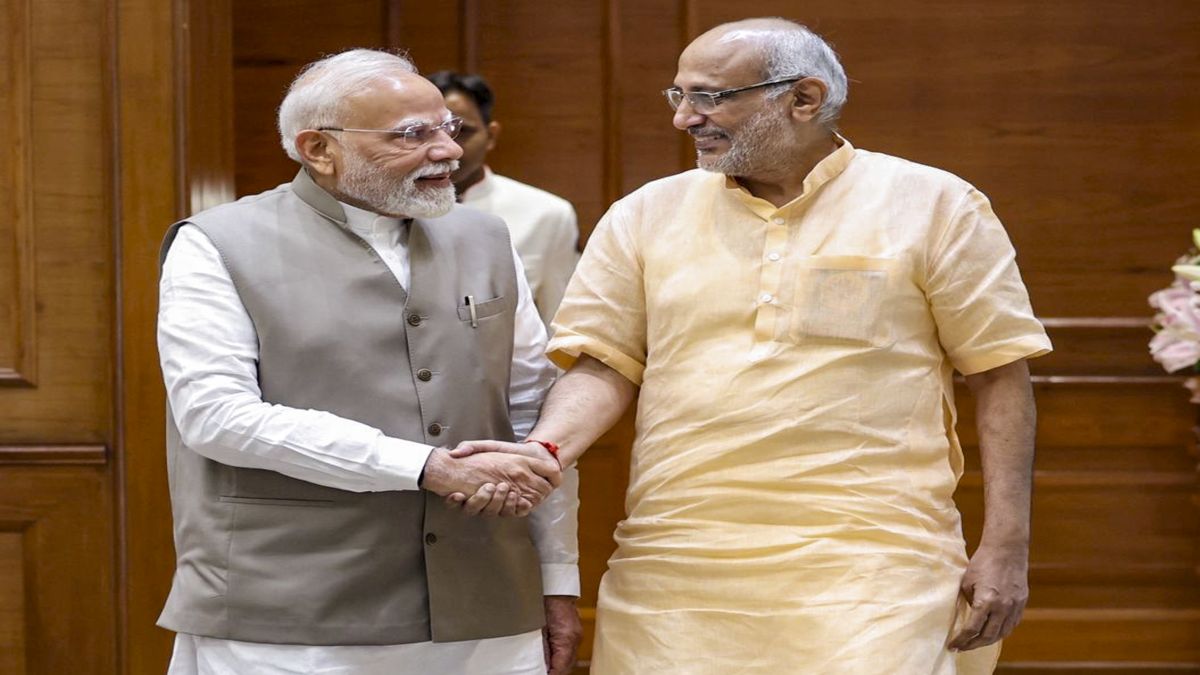 "Who is CP Radhakrishnan, India's next vice-president?")
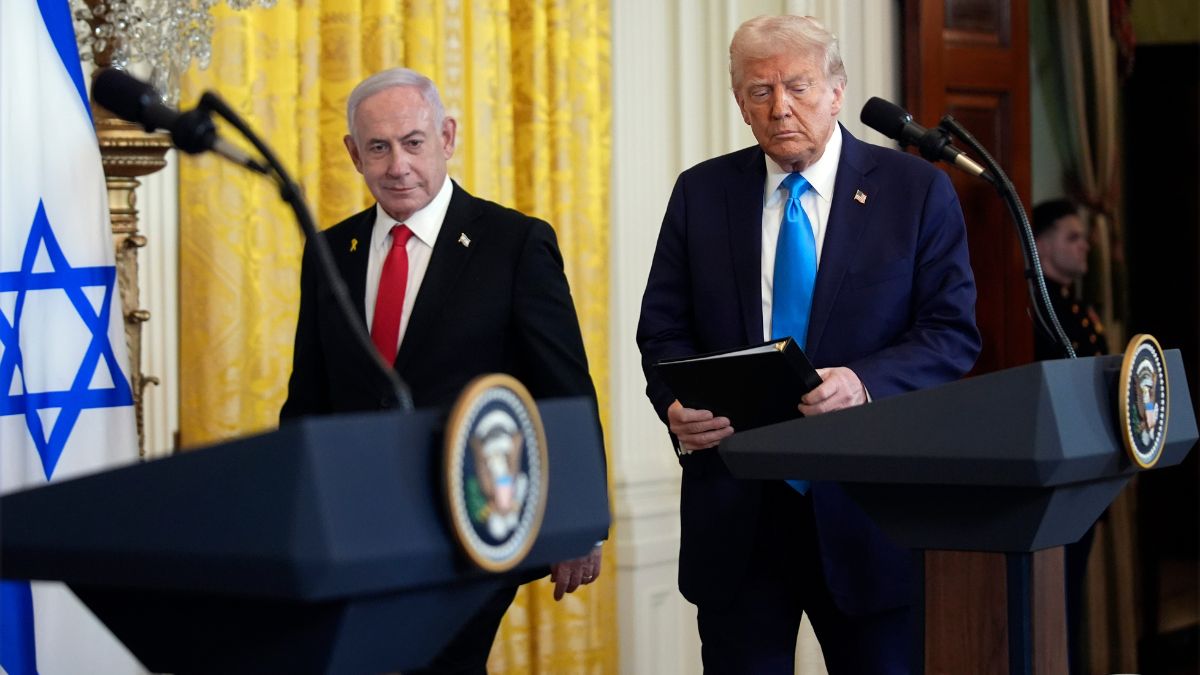 "Israel informed US ahead of strikes on Hamas leaders in Doha, says White House")
 "Israel targets top Hamas leaders in Doha; Qatar, Iran condemn strike as violation of sovereignty")
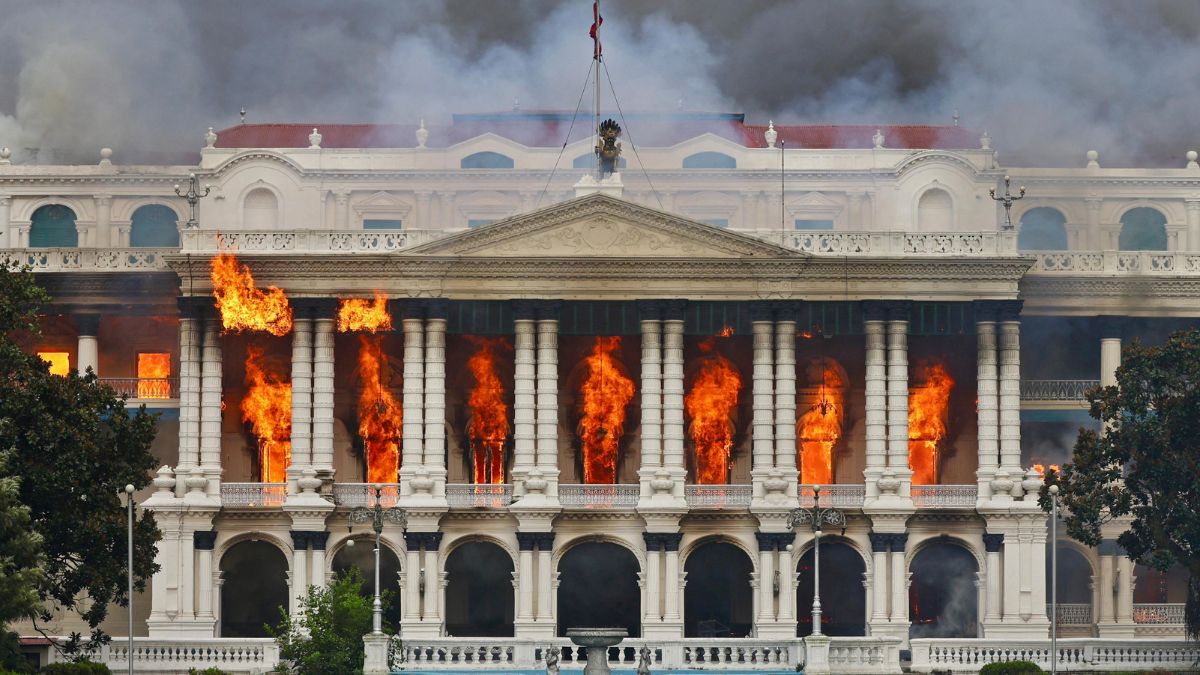 "Nepal: Oli to continue until new PM is sworn in, nation on edge as all branches of govt torched")
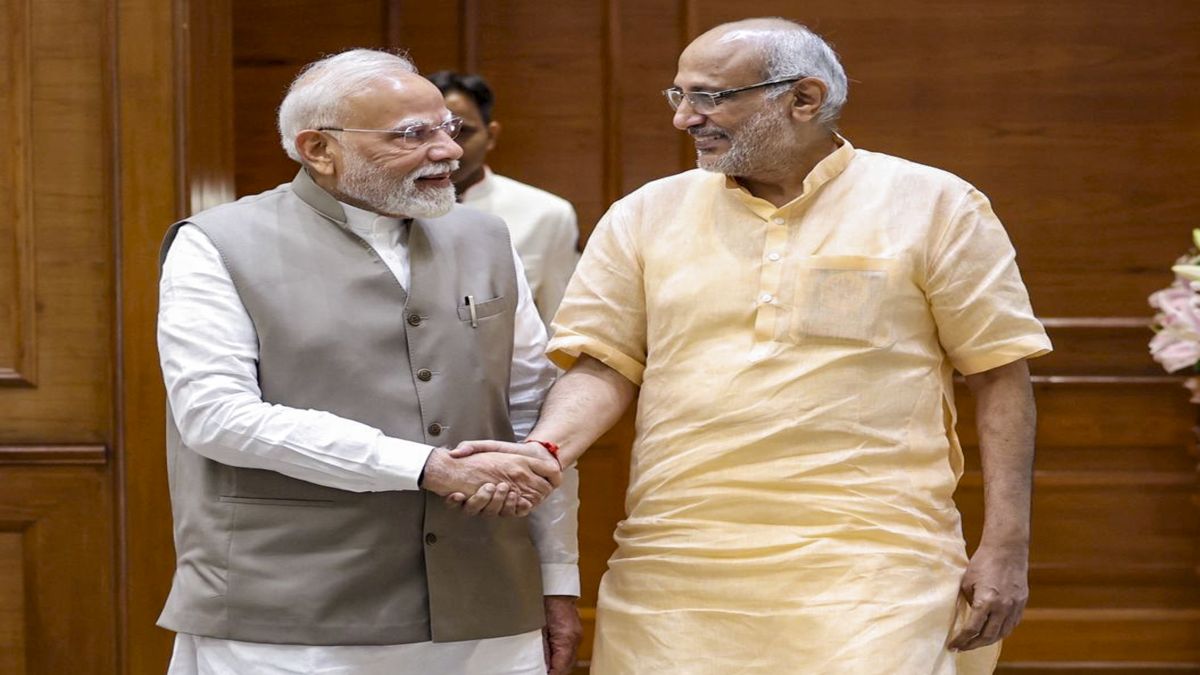 "Who is CP Radhakrishnan, India's next vice-president?")
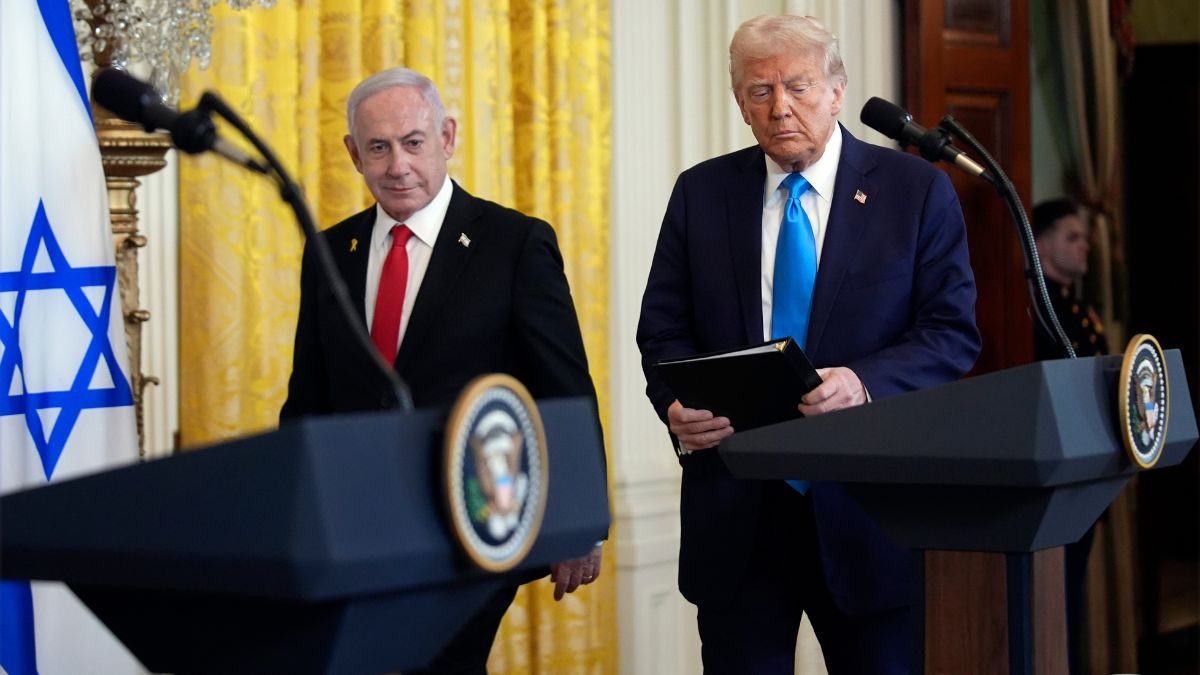 "Israel informed US ahead of strikes on Hamas leaders in Doha, says White House")



](https://images.firstpost.com/wp-content/uploads/2013/05/NikeshArora1.jpg)