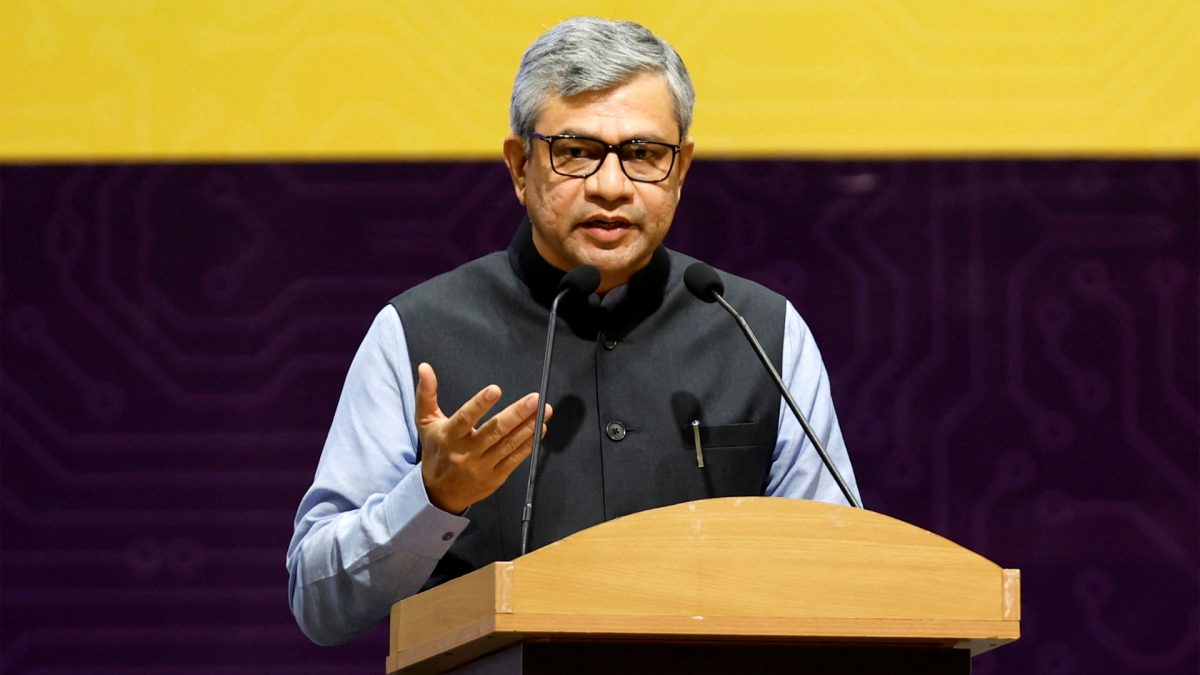
 "MeitY clears Rs 7,104 crore plan; rare earth magnet unit, Micron scale-up in focus")
The Ministry of Electronics and Information Technology (MeitY) on Monday sharpened its push for electronics self-reliance, approving Rs 7,104 crore worth of investments under the fourth tranche of the Electronics Component Manufacturing Scheme (ECMS) while signaling major strides in rare earth, batteries, and semiconductors.
The Ministry cleared 29 projects that are expected to generate 14,246 jobs and drive production output of Rs 84,515 crore, according to an official statement.
A key highlight of the approvals is India’s first manufacturing facility for rare earth permanent magnets derived from rare earth oxides, seen as a critical step in reducing dependence on imports in strategic sectors such as electronics, EVs, and defence.
Union Minister Ashwini Vaishnaw emphasised that the project is fully indigenous. “The entire IP, design, and R&D is done in India,” he said, highlighting a broader policy push towards owning core technologies rather than just assembling products.
The minister also pointed to rapid localisation across the electronics value chain. He said 61 per cent of India’s domestic electronics demand is expected to be met through locally manufactured lithium-ion batteries, a significant shift given India’s reliance on imports for energy storage components.
In another segment, Vaishnaw said India will soon be able to meet 100 per cent of domestic demand for laminates, key materials used in printed circuit boards and is positioning itself as a global supplier in this category.
The ECMS approvals cover a range of segments critical to electronics manufacturing. Six projects in the capital goods category account for investments of Rs 1,683 crore, while two display module sub-assembly proposals involve Rs 1,350 crore, indicating growing depth in upstream manufacturing.
Quick Reads
View AllParallelly, India’s semiconductor ambitions are beginning to translate into production. Vaishnaw said the memory manufacturing facility of US-based Micron Technology has started commercial operations and is scaling up quickly.
“About 10 per cent of Micron’s global manufacturing will happen in India,” he said, linking the ramp-up to surging global demand for memory chips, particularly from AI-driven data centres.
The government also signalled that policy frameworks will remain adaptive. Vaishnaw said scheme parameters could be tweaked to prioritise long-term national interests over short-term gains.

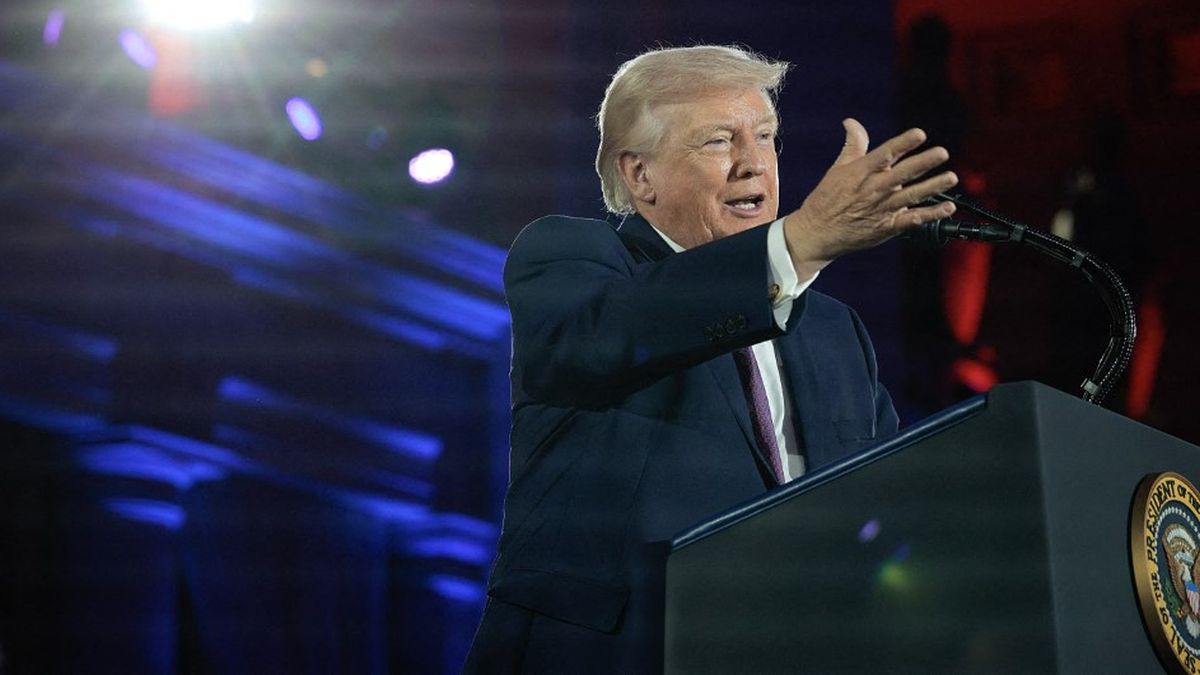 "Iran War Live Updates: Trump threatens to hit Kharg Island, oil infrastructure if Hormuz remains shut")
 "US 31st Marine Expeditionary Unit arrives in West Asia: What's this elite task force?")
 "Indian engineer stuck in Mali: Embassy confirms firm's bail pledge, family calls it empty words")
 "‘India our friend, can enter mediation talks... Unsure about Pakistan’s role’: Iranian govt sources to CNN News18")
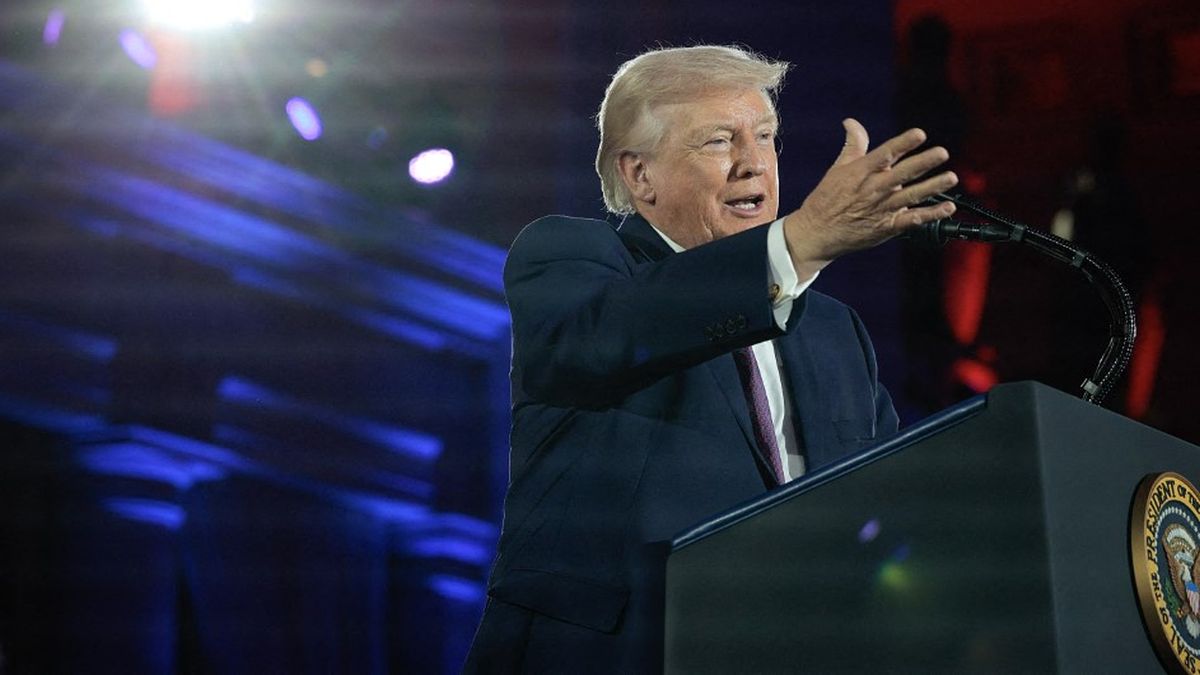 "Iran War Live Updates: Trump threatens to hit Kharg Island, oil infrastructure if Hormuz remains shut")
 "US 31st Marine Expeditionary Unit arrives in West Asia: What's this elite task force?")
 "Indian engineer stuck in Mali: Embassy confirms firm's bail pledge, family calls it empty words")
 "‘India our friend, can enter mediation talks... Unsure about Pakistan’s role’: Iranian govt sources to CNN News18")