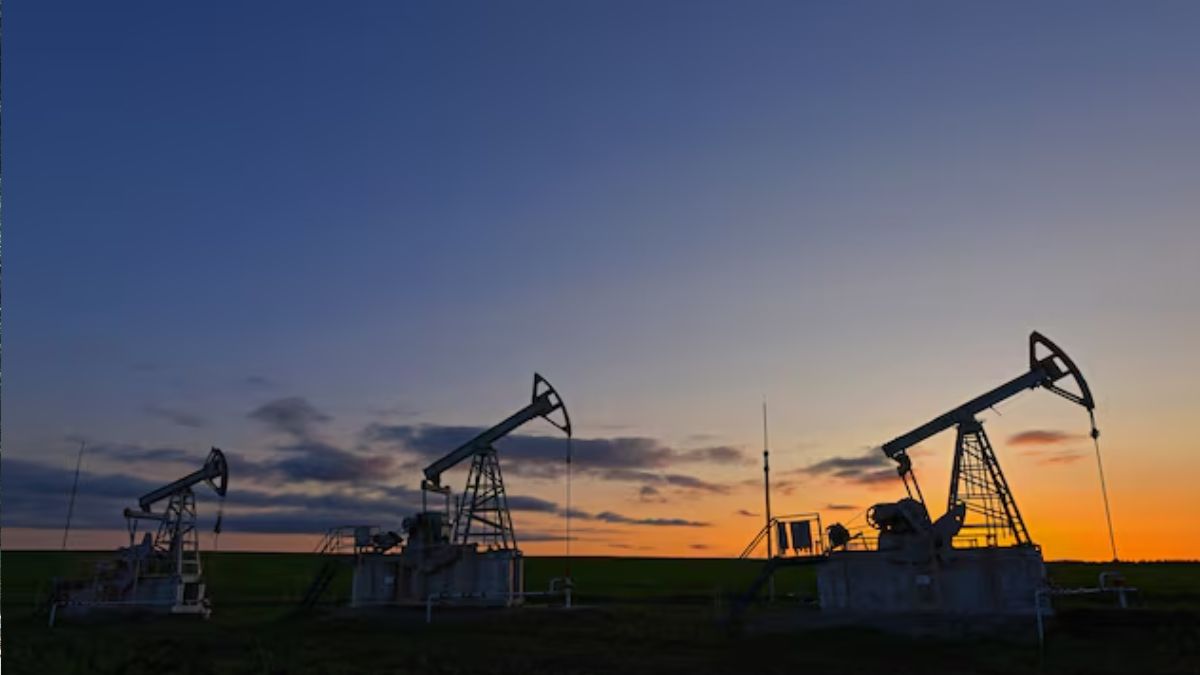
 "Iran war impact: Windfall for American LNG exporters amid oil price surge")
The escalating conflict involving Iran has unleashed a fresh energy shock across global markets and American liquefied natural gas (LNG) exporters are emerging as some of the biggest beneficiaries.
After an Iranian drone strike forced a shutdown at QatarEnergy’s Ras Laffan complex, the world’s largest LNG export facility, gas prices in Europe and Asia have surged by as much as 40 per cent in a matter of days. With Qatar accounting for roughly one-fifth of global LNG supply, the disruption has rattled energy markets already on edge over shipping risks in the Strait of Hormuz.
As European and Asian buyers scramble to secure alternative supplies, US exporters such as Venture Global and Cheniere Energy are moving swiftly to maximise output from terminals in Texas and Louisiana positioning themselves at the centre of the latest geopolitical energy realignment.
US exporters rush to fill supply gap
European benchmark gas prices settled nearly 40 per cent higher at €44.51 per megawatt-hour, the highest in about a year, while UK gas prices jumped 45 per cent to 113.79 pence per therm. In contrast, US natural gas prices rose just 3.5 per cent to $2.96 per million British thermal units, underscoring America’s relative insulation from the immediate supply shock.
That price differential has created a lucrative arbitrage opportunity.
Venture Global’s shares surged nearly 20 per cent, while Cheniere Energy gained over 5 per cent, as investors bet that higher global spot prices would translate into windfall profits. Venture Global sells over 30 per cent of its cargoes at spot prices, compared with less than 10 percent for Cheniere, making it particularly exposed to price spikes.
The Center for LNG said US contracts structured on a “free-on-board” basis allow traders to redirect shipments after purchase, giving American cargoes critical flexibility during geopolitical crises.
Quick Reads
View All“US LNG destination flexibility allows exporters and their customers to redirect cargoes when geopolitical tensions arise,” the group said, while cautioning that no single supplier can immediately replace Qatar at scale.
Golden Pass and capacity constraints
The United States overtook Qatar and Australia in 2023 to become the world’s largest LNG exporter, shipping over 100 million metric tonnes last year. Several new plants are under construction, including the massive Golden Pass facility in Texas backed by ExxonMobil and QatarEnergy, which is expected to begin producing LNG within weeks. However, it will take months to reach full capacity.
Analysts warn that while US producers can redirect cargoes and optimise existing facilities, spare capacity remains limited.
“Nothing can make up for the loss of Qatari LNG,” Saul Kavonic of MST Marquee, told Financial Times. “If the shutdown is prolonged, or worse the LNG infrastructure is damaged, it portends a larger gas market shock than in 2022 when Russia turned off pipeline gas to Europe.”
Energy specialists at interdealer broker TP ICAP echoed the sentiment, noting that even if prices surge further, physical supply constraints would cap incremental volumes.
Bigger than the 2022 crisis?
The current disruption has drawn comparisons with the 2022 European gas crisis triggered by Russia’s invasion of Ukraine. At the time, the loss of Russian pipeline gas sent European prices to record highs and triggered a continent-wide inflation shock — until US LNG exports helped stabilise markets.
This time, however, analysts warn the scale of risk may be greater. Qatar’s Ras Laffan complex produces around a fifth of global LNG supply. In addition, LNG cargoes from Qatar and the UAE pass through the Strait of Hormuz, a chokepoint that Tehran has threatened to close in response to US-Israel military action.
A prolonged outage, or damage to infrastructure, could send prices back toward the record highs seen in 2022 — with ripple effects across power generation, fertiliser production, industrial manufacturing and household energy bills worldwide.
What it means for India
For India, the stakes are high. Around 60 per cent of the country’s LNG imports — largely from Qatar and the UAE — transit through the Strait of Hormuz.
Government officials have indicated that India has buffer stocks sufficient to manage short-term disruptions, with strategic reserves capable of supporting LNG and LPG demand for roughly 15 days and crude oil reserves lasting up to 45 days.
However, sustained high prices would strain the import bill and potentially raise subsidy burdens. Analysts estimate that every $1 increase in crude oil prices adds roughly $2 billion to India’s annual import bill. Elevated LNG prices could also push up costs for fertiliser, power generation and city gas distribution networks.
Windfall — but not a permanent fix
For American exporters, the Iran-triggered supply shock represents a clear short-term windfall. Traders holding US free-on-board cargoes are already rerouting shipments to higher-paying European and Asian buyers, capitalising on price gaps that have widened dramatically.
Yet analysts caution that US LNG alone cannot stabilise global markets if Qatari production remains offline for an extended period.
As the Iran conflict deepens and energy infrastructure becomes entangled in geopolitical crossfire, global gas markets are once again confronting a stark reality: in an interconnected world, supply shocks travel fast — and so do their inflationary consequences.
With inputs from agencies.

 "US-Israel Iran War Live Updates: IRGC claims control over Strait of Hormuz, warns damage to ships")
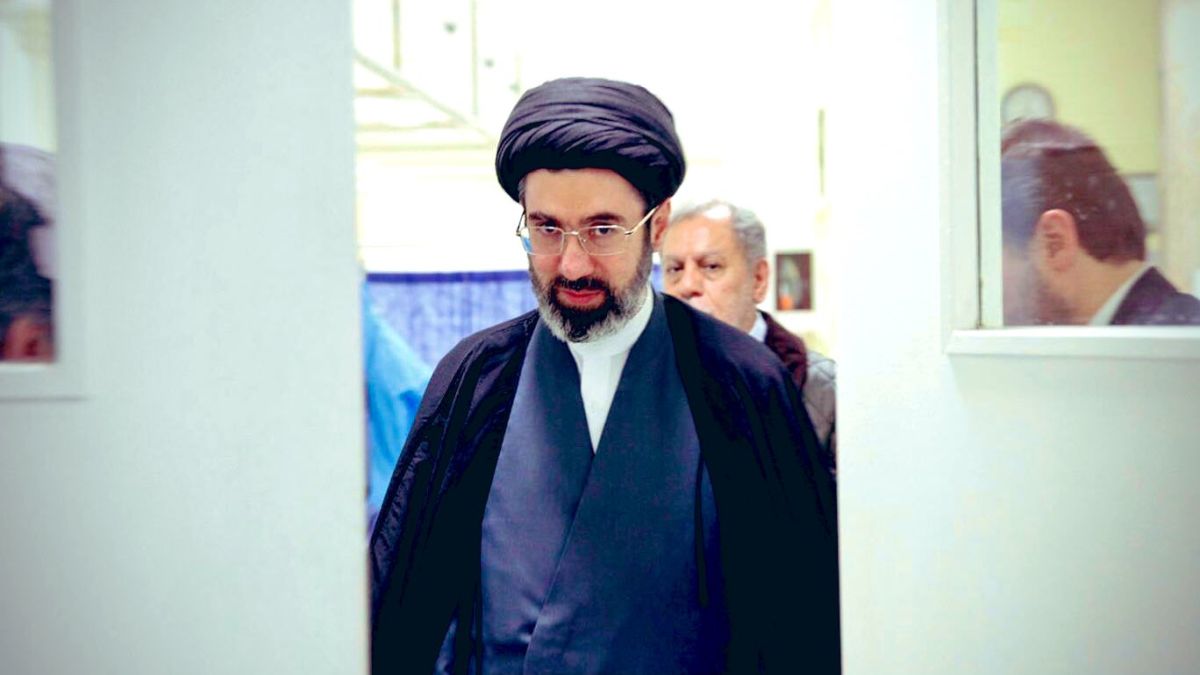 "How Mojtaba Khamenei, Iran’s new supreme leader, built a £100-million global property empire")
 "MEA sets up special control rooms as West Asia conflict enters fifth day")
 "Spy dental chip and more.. The many theories on how Mossad tracked Khamenei")
 "US-Israel Iran War Live Updates: IRGC claims control over Strait of Hormuz, warns damage to ships")
 "How Mojtaba Khamenei, Iran’s new supreme leader, built a £100-million global property empire")
 "MEA sets up special control rooms as West Asia conflict enters fifth day")
 "Spy dental chip and more.. The many theories on how Mossad tracked Khamenei")