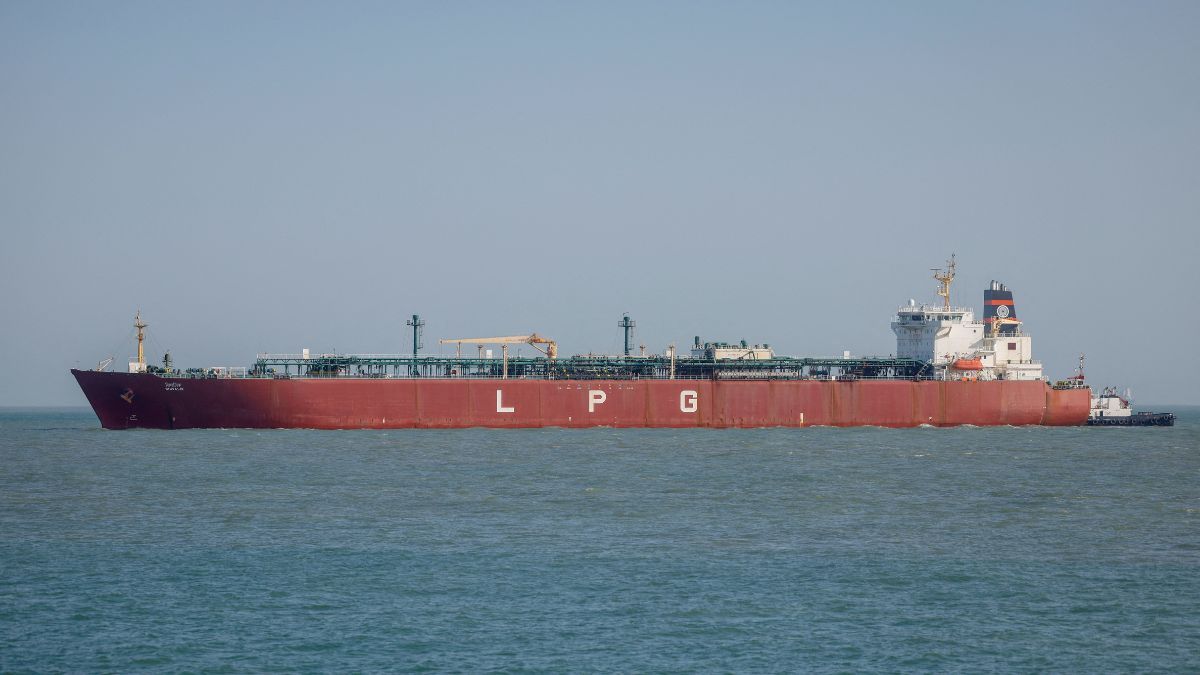
 "Iran war: IEA, IMF and World Bank join hands to tackle history’s worst supply disruption")
In a rare show of coordinated global action, the International Energy Agency (IEA), International Monetary Fund (IMF), and World Bank Group have formed a joint coordination group to tackle the sweeping economic fallout from the Iran war, warning of one of the largest supply disruptions in modern history.
In a joint statement, the three institutions flagged that the conflict has triggered “one of the largest supply shortages in global energy market history”, underlining the scale of the shock to global energy systems already strained by geopolitical volatility.
Shockwaves across energy and beyond
The war has upended energy flows across critical West Asian transit corridors, pushing up oil, gas and fertiliser prices and fuelling fears of a broader global slowdown.
The institutions described the impact as “substantial, global, and highly asymmetric”, with energy-importing economies — particularly low-income countries — bearing the brunt of rising import bills and tightening financial conditions.
Beyond hydrocarbons, the disruption is spilling into wider commodity chains. Supplies of helium, phosphate and aluminium have been affected, posing risks to sectors ranging from manufacturing to agriculture. Tourism, too, has taken a hit amid flight disruptions at key Gulf transit hubs.
A coordinated global response
The newly formed coordination group will pool data and expertise to track the crisis in real time and shape policy responses.
It will assess impacts through shared analysis of energy markets, trade flows, fiscal pressures and supply chains, while coordinating targeted policy advice and financial support mechanisms.
These may include concessional or near-zero interest financing for vulnerable economies, alongside risk mitigation tools aimed at stabilising markets and cushioning the blow to growth.
At a time of heightened uncertainty, the institutions stressed that aligning global responses is “paramount” to avoid fragmented policy actions that could amplify volatility.
Quick Reads
View AllInflation risks, growth concerns
The surge in commodity prices is already feeding into inflation across economies, weakening currencies in emerging markets and raising the prospect of tighter monetary policy.
The institutions warned that these dynamics could further dampen global growth, particularly in countries heavily reliant on energy imports.
Early signs of economic strain are emerging. Germany’s leading economic institutes have slashed their 2026 growth forecast to 0.6 per cent, directly attributing the downgrade to the energy price shock triggered by the war.
A critical test for global coordination
The joint initiative marks a significant alignment between the world’s leading energy and financial institutions, reflecting both the severity of the crisis and the risks it poses to global stability.
With energy markets on edge and supply chains under stress, the effectiveness of this coordination effort will be critical in determining whether the Iran war’s economic fallout can be contained.

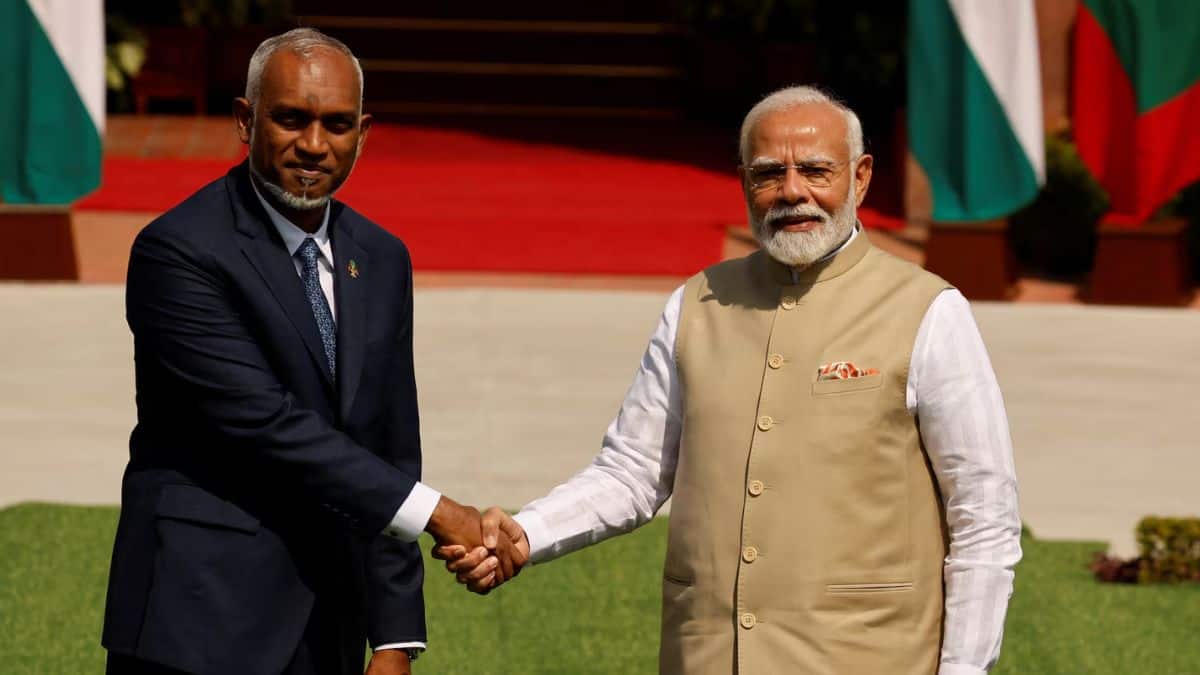
 "Iran Israel War News Live: India waives customs duty on key petrochemicals to shield industries amid US–Iran tensions")
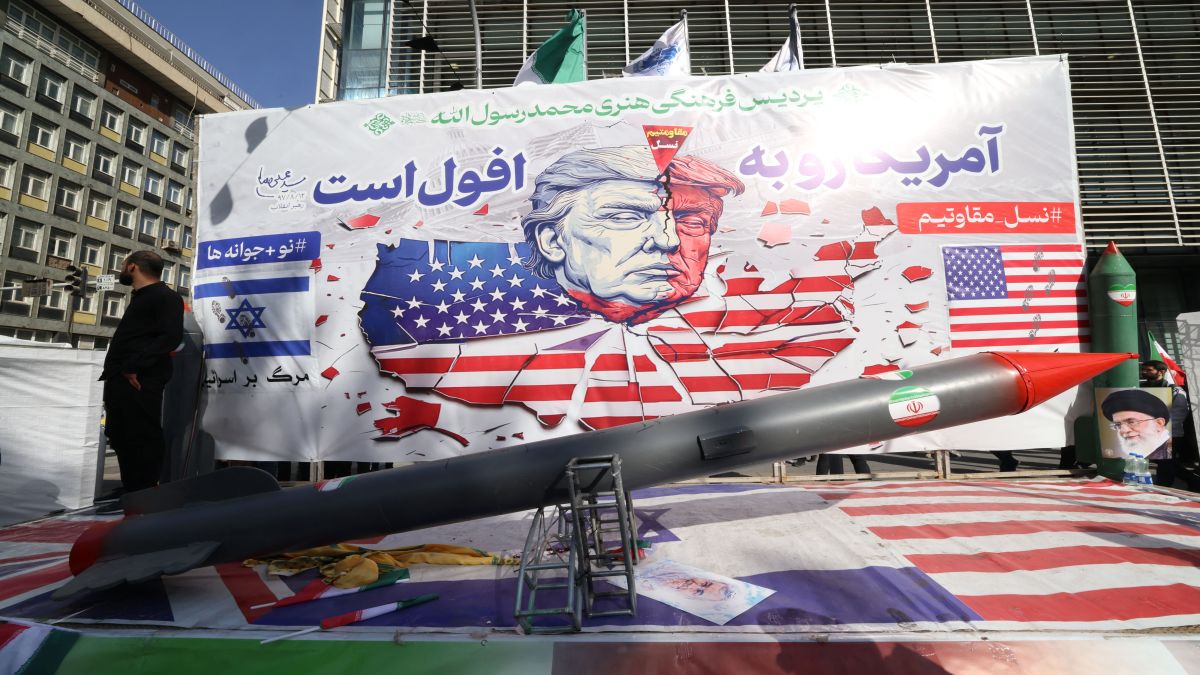 "‘Regime change not our goal’: Trump shifts Iran goalpost — with Ghalibaf in talks, Pahlavi in the wings")
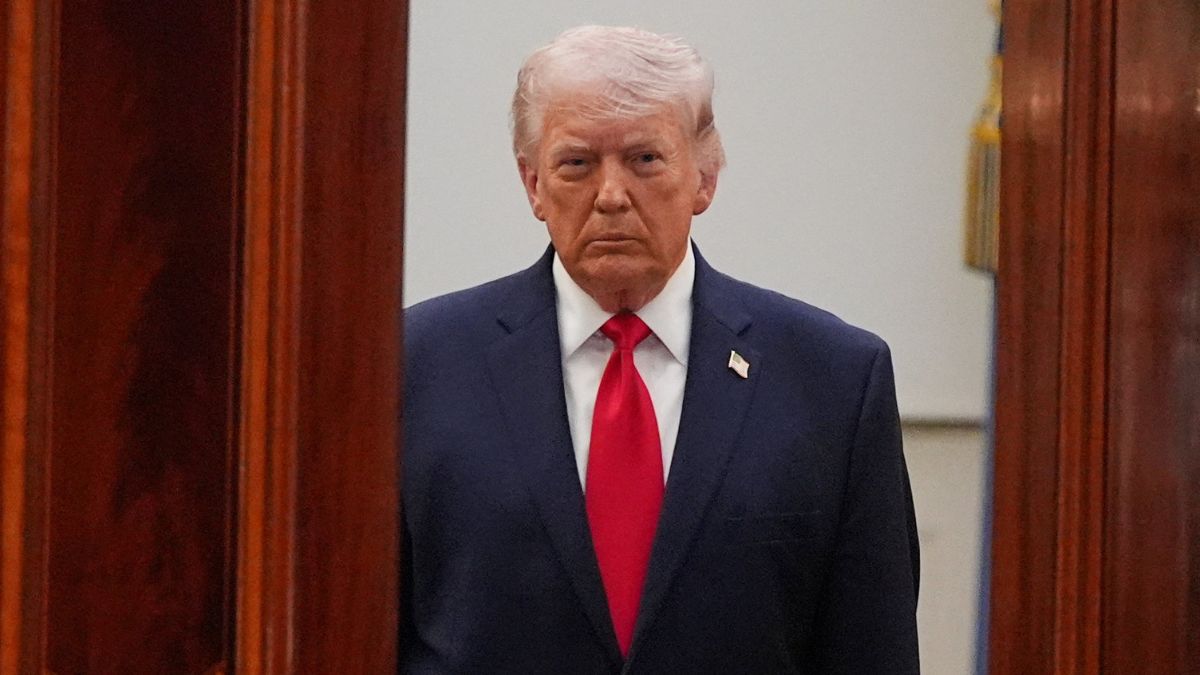 "Iran war is ending, but when? What Trump's speech answers and what it does not")
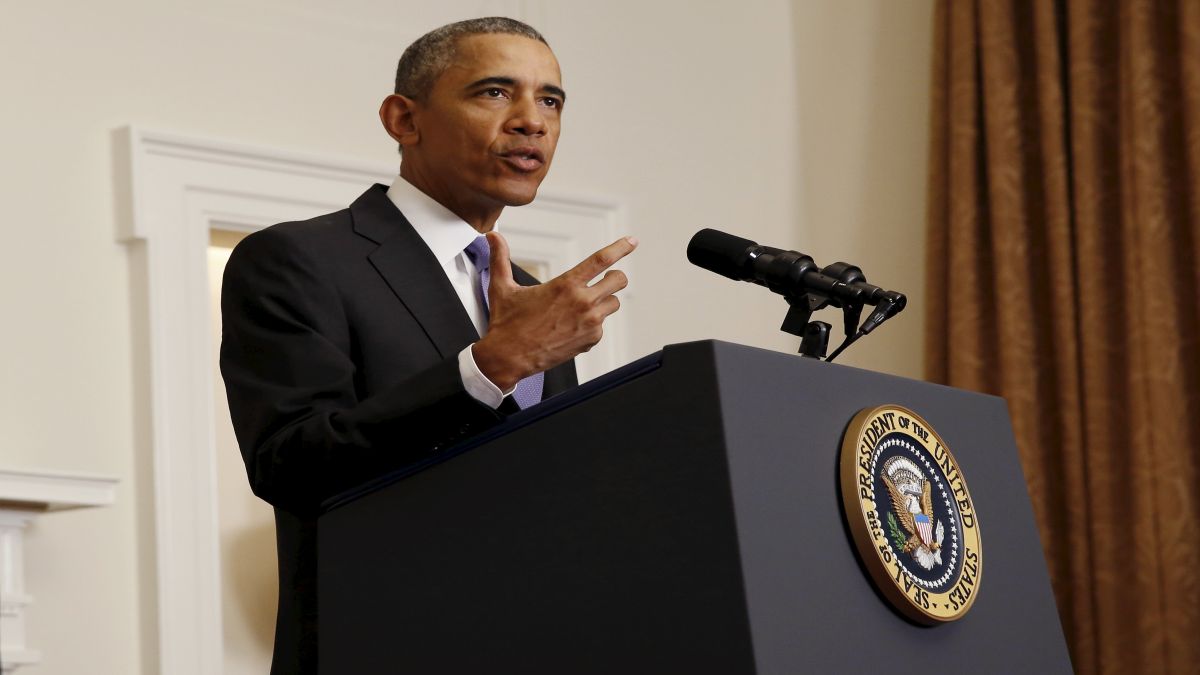 "Did Obama send $1.7 billion in cash to Iran as Trump claims?")
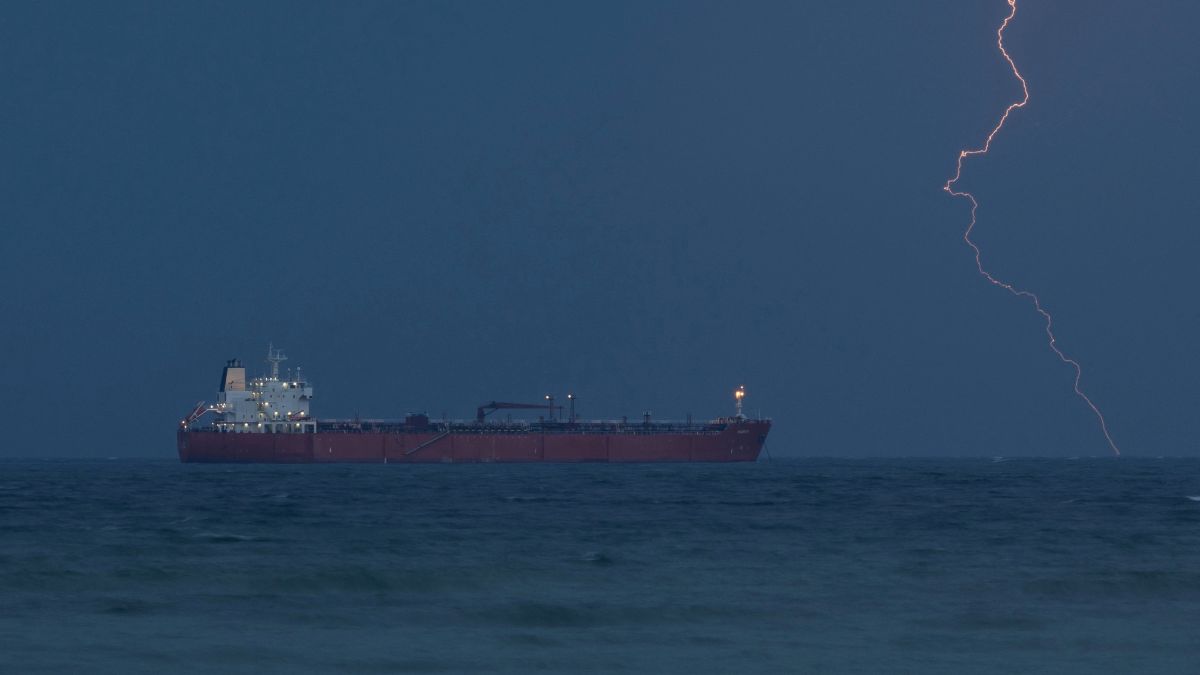 "Iran Israel War News Live: India waives customs duty on key petrochemicals to shield industries amid US–Iran tensions")
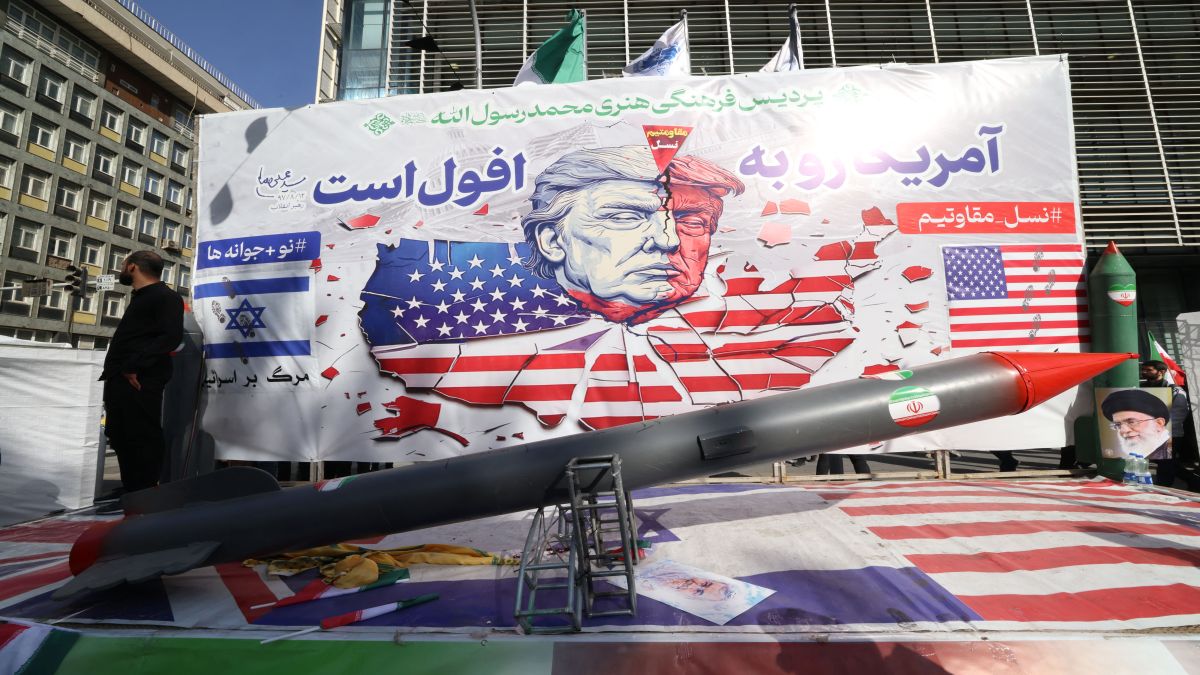 "‘Regime change not our goal’: Trump shifts Iran goalpost — with Ghalibaf in talks, Pahlavi in the wings")
 "Iran war is ending, but when? What Trump's speech answers and what it does not")
 "Did Obama send $1.7 billion in cash to Iran as Trump claims?")