 "India-EU free trade deal to save Europe €4 billion a year on import duties")
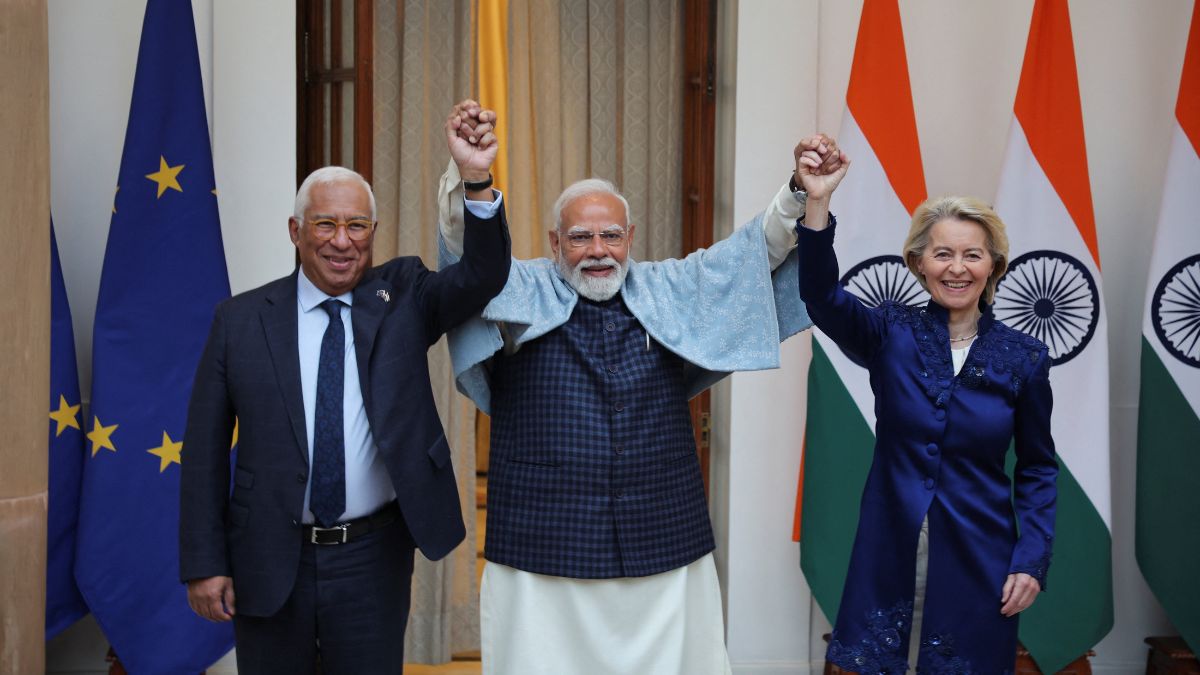
India and the European Union have sealed a landmark free trade agreement (FTA) that is expected to save European exporters up to €4 billion (around $4.7 billion) a year in import duties, marking the biggest trade opening New Delhi has ever granted to any partner and a strategic bet by both sides amid rising geopolitical and economic uncertainty.
The agreement, concluded after nearly two decades of stop-start negotiations, will see India cut or eliminate tariffs on 96.6 per cent of EU goods exports, sharply lowering duties across automobiles, machinery, chemicals, pharmaceuticals, agri-food products and industrial equipment, according to the European Commission.
Brussels said the tariff cuts would give European firms a decisive competitive edge in the world’s most populous country, while helping EU goods exports to India double by 2032 from current levels.
Deepest tariff cuts by India
India currently levies some of the highest import duties among major economies, with tariffs reaching 110 per cent on cars, 44 per cent on machinery, 22 per cent on chemicals and 11 per cent on pharmaceuticals. Under the FTA, these levies will be progressively reduced or eliminated over transition periods stretching up to 10 years.
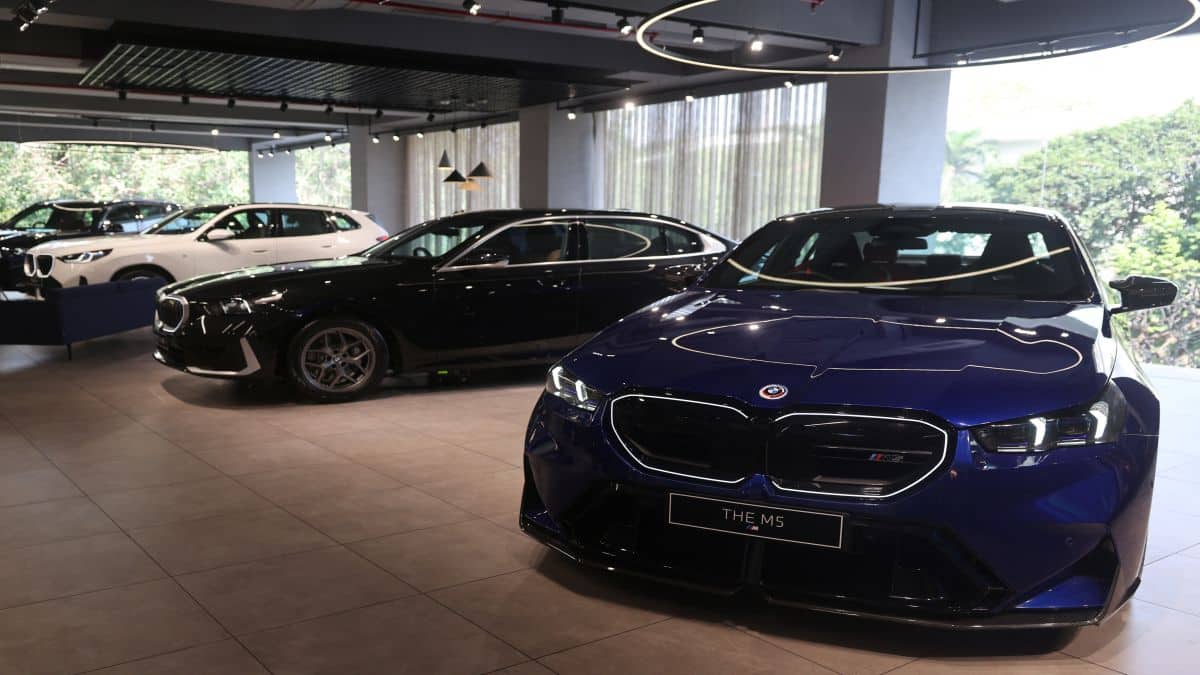
Car tariffs will be cut from 110 per cent to 10 per cent, subject to an annual quota of 250,000 vehicles, while duties on auto components will be eliminated entirely over five to ten years. The quota-based approach reflects India’s attempt to balance market opening with protection of its domestic auto industry, a core pillar of the government’s ‘Make in India’ programme.
‘The agreement reflects sensitivities on both sides,’ an Indian commerce ministry official told Press Trust of India, adding that no duty concessions will be granted beyond the agreed quotas to encourage European manufacturers to invest and manufacture locally.
Quick Reads
View AllWinners across sectors
Beyond automobiles, the deal promises sweeping gains for European industry. Tariffs on machinery and electrical equipment, currently as high as 44 per cent, will fall to zero for almost all products, while duties on chemicals, pharmaceuticals, iron and steel, aircraft, plastics and medical equipment will also be phased out.
Agri-food exporters are set to benefit as well. Indian tariffs on wines will be slashed from 150 per cent to 75 per cent at entry into force, eventually falling to as low as 20 per cent, while duties on olive oil will drop from 45 per cent to zero over five years.
Trade worth €180 billion and growing
The EU and India currently trade over €180 billion (around $215 billion) worth of goods and services annually. In 2024 alone, EU exports to India stood at €75 billion (around $89.7 billion), while EU investment stocks in India totalled €140.1 billion (around $167.5 billion) in 2023. Trade with India supports close to 800,000 jobs across the European Union.
The deal creates a free trade zone covering nearly 2 billion consumers, representing close to a quarter of global GDP, and is being billed as the largest trade agreement ever concluded by either side.
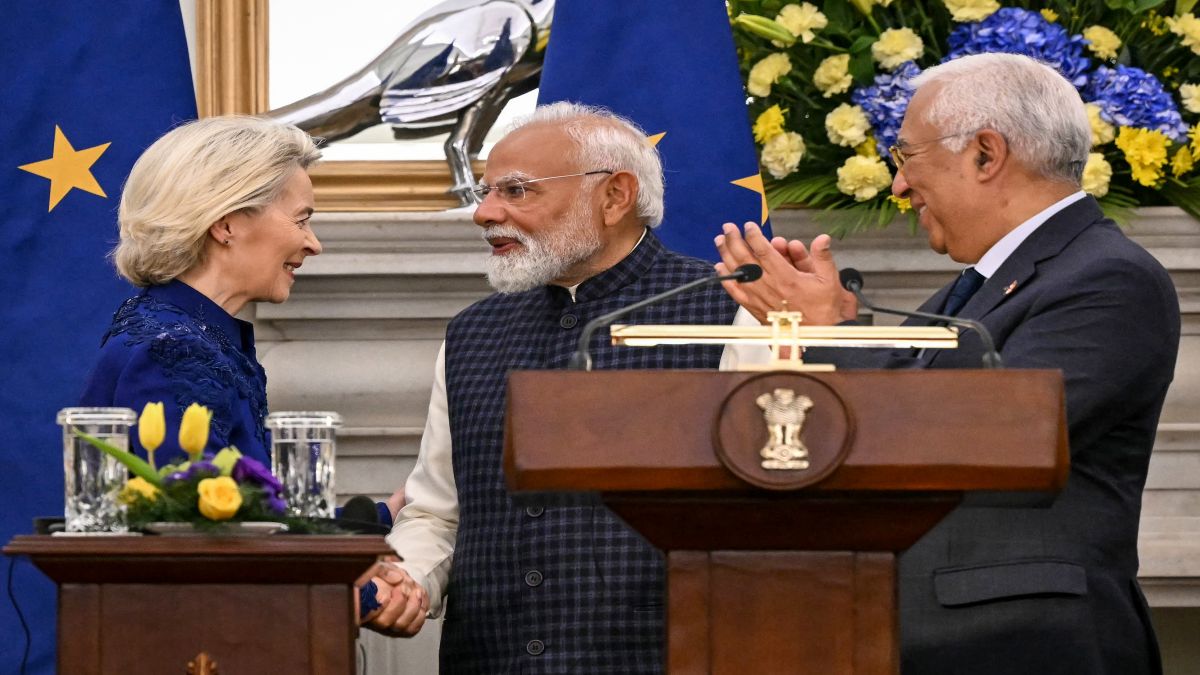
European Commission President Ursula von der Leyen described the pact as a signal that “rules-based cooperation still delivers” at a time of fracturing global supply chains and slowing trade.
Services, IP and strategic stakes
In addition to goods, the agreement grants EU firms privileged access to India’s services market, including financial services and maritime transport, with commitments that exceed those India has offered in deals with the UK and Australia. For the first time, India has also bound market access for dredging and maritime cable-laying services.
The pact provides a high level of intellectual property protection, covering trademarks, designs, trade secrets and plant varieties, addressing long-standing concerns of European businesses operating in India.
Ratification and implementation
The agreement will now undergo legal review and ratification on both sides before entering into force, likely next year. Once implemented, the €4 billion in annual tariff savings will serve as a key test of whether the deal delivers tangible gains for European exporters, and whether India can leverage the opening to attract investment, technology and deeper integration into global supply chains.
For India, the pact signals a decisive shift towards deeper trade integration. For Europe, it offers relief from tariffs in one of the world’s fastest-growing major markets, and a strategic foothold in a changing global order.

 "India–EU FTA to benefit Rs 6.4 lakh crore exports across key states and sectors, says Piyush Goyal")
 "Will reset in Indo-Canada ties be complete with Carney's visit?")
 "Zelenskyy sets 2027 target for Ukraine’s EU accession, stresses security guarantees")
 "How Taliban's new criminal code legalises slavery, grants clerics immunity")
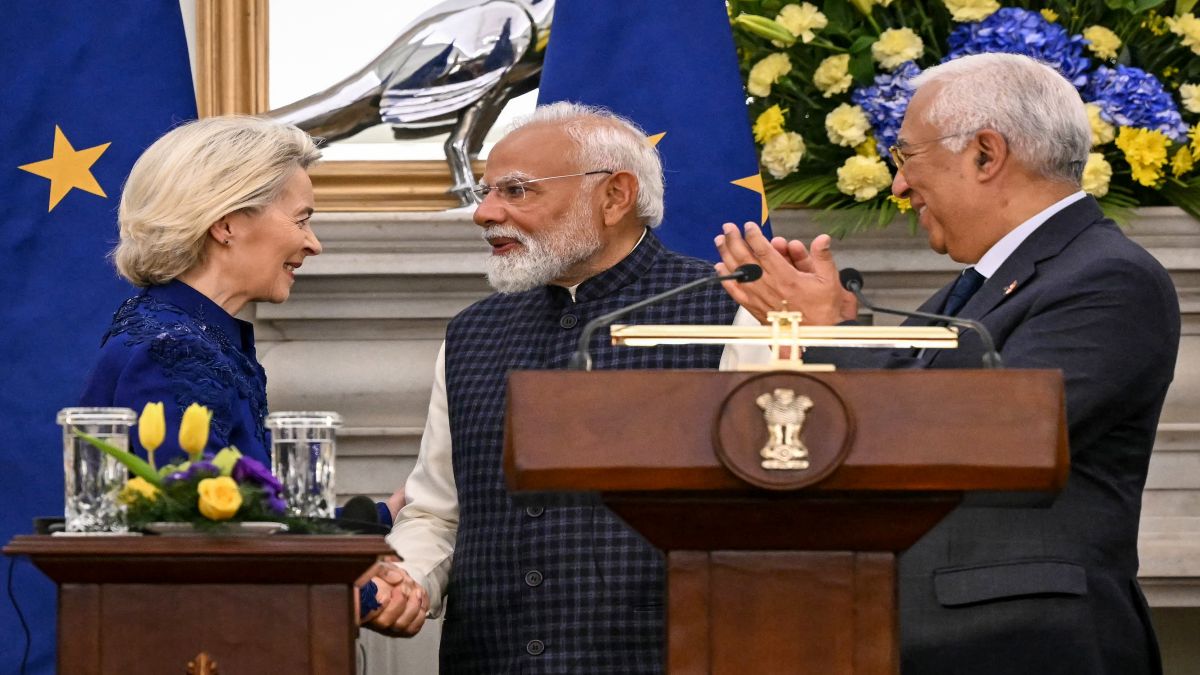 "India–EU FTA to benefit Rs 6.4 lakh crore exports across key states and sectors, says Piyush Goyal")
 "Will reset in Indo-Canada ties be complete with Carney's visit?")
 "Zelenskyy sets 2027 target for Ukraine’s EU accession, stresses security guarantees")
 "How Taliban's new criminal code legalises slavery, grants clerics immunity")