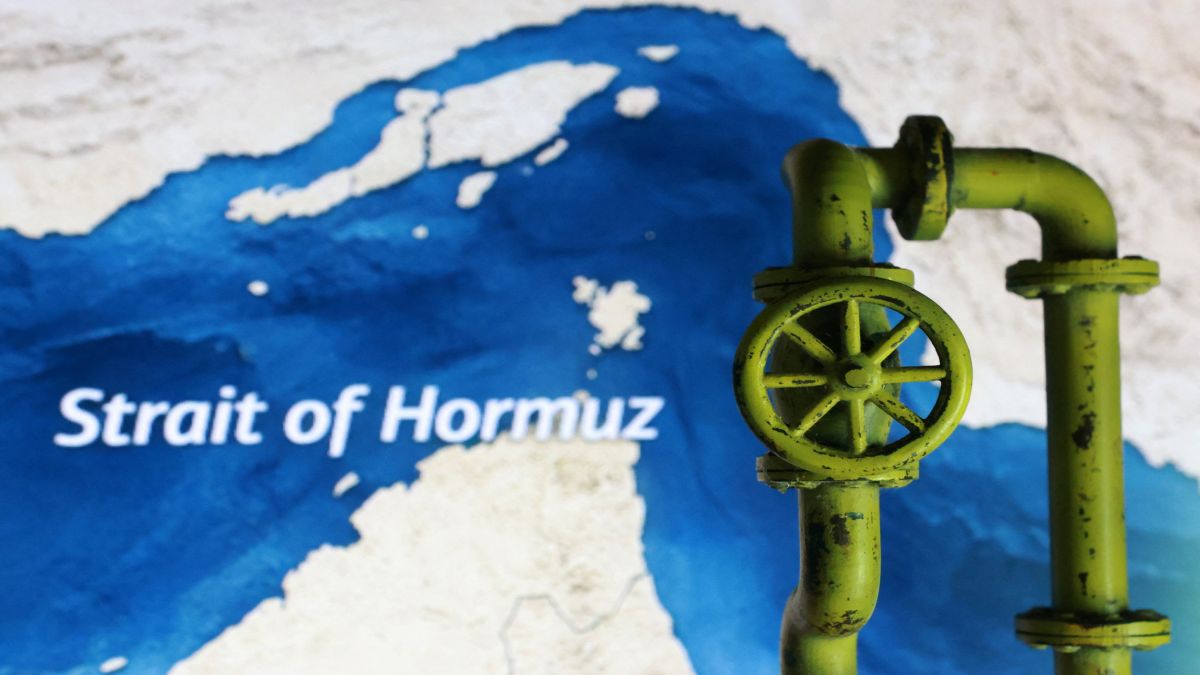
 "Hormuz chokepoint disruption may trigger agri inflation and supply crunch: Goldman Sachs")
A potential disruption in the Strait of Hormuz could trigger a sharp ripple effect across global agricultural markets, driving up fertilizer costs and raising concerns over food inflation, according to a Goldman Sachs commodities report.
The report highlights the strategic importance of the Strait, noting that it is a key transit route for the global nitrogen fertilizer market, which accounts for nearly 60 per cent of total fertilizer use worldwide. Nitrogen-based fertilizers are crucial for high-yield crops such as corn and grains, making any disruption particularly significant for global food supply chains.
Goldman Sachs highlighted that the impact of geopolitical tensions is already visible, with nitrogen fertilizer prices surging by 40 per cent since the onset of the conflict. The bank warned that continued disruptions could tighten supply while simultaneously increasing production costs.
A major concern stems from the Strait’s role in transporting both fertilizers and their key input. Over 25 per cent of global nitrogen fertilizer trade and about 20 per cent of liquefied natural gas (LNG)—a critical feedstock for fertilizer production—pass through the Hormuz chokepoint. Any sustained blockage could therefore constrain availability and elevate costs across global markets.
However, the expected impact will vary by region. The United States may face limited immediate disruption as farmers have largely secured fertilizers ahead of the planting season. Still, risks remain due to potential shipping delays and limited strategic reserves.
Quick Reads
View AllConversely, Europe and Australia are more vulnerable and may experience tighter supply conditions. This may lead to increased demand for US grain exports, potentially pushing global prices higher.
Beyond agriculture, Goldman Sachs warned of broader macroeconomic consequences. Since almost 80 percent of the Bloomberg Commodity Index (BCOM) is affected by supply issues, this situation could lead to stagflation, which means rising prices and slower economic growth, creating difficulties for both stock and bond markets.


 "US-Israel-Iran War Live Updates: Tehran readies 1 million fighters for possible US ground invasion, says report")
 "Is Trump buying time to send in troops to Iran? What’s behind the extended pause on US strikes?")
 "'We get things done': Trump hails partnership with PM Modi, says looking forward to 'stronger' tiles")
 "Putin turns to oligarchs for budget support as Ukraine war strains Russia’s finances")
 "US-Israel-Iran War Live Updates: Tehran readies 1 million fighters for possible US ground invasion, says report")
 "Is Trump buying time to send in troops to Iran? What’s behind the extended pause on US strikes?")
 "'We get things done': Trump hails partnership with PM Modi, says looking forward to 'stronger' tiles")
 "Putin turns to oligarchs for budget support as Ukraine war strains Russia’s finances")