

 "Hell, no. We don't need those sexy bikes and cars in India")
Maruti to launch four cars this year, says one headline. Nissan-Renault to double Chennai plant capacity to eight lakh units, says another. Honda wants to sell 10 million bikes by 2020 and become No 1, says a pink paper in breathless prose. Ford CEO Alan Mulally sees India and China as the prime drivers of automobile growth for the next two years.
They are going to have a rude awakening. India’s cities are already choking with cars and two-wheelers, and the sexy new Beemers, Harley Davidsons and Audis that are planned for launch in India will find that there are no roads left to test them on.
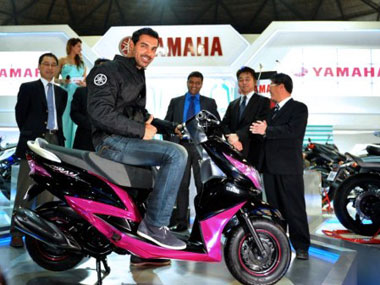
[caption id=“attachment_174309” align=“alignleft” width=“380” caption=“Honda may want to sell 10 million bikes, but that’s as much as the entire industry sells today. Where will these superbikes run?”] 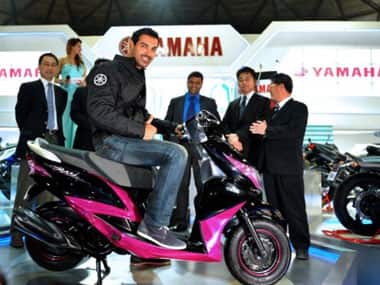 [/caption]
Honda may want to sell 10 million bikes, but that’s as much as the entire industry sells today. Where will these superbikes run? Only in rural areas?
Even as visitors are ‘oohing’ and ‘aahing’ over the new two- or four-wheeled beauties now being unveiled at New Delhi’s Auto Expo, the stark reality is this: the success of the auto industry in India is really the failure of public transport policy.
India, with its high density of population (382 per sq km for India, 34 for the USA, 9,340 for Delhi), is the last place where one should privilege personal transport over public transport. But this is exactly what we have done.
Impact Shorts
More ShortsBetween two-wheelers and four-wheelers (cars and SUVs), India puts out over 14 million personal transport vehicles every year. This means over 1.1 percent of India’s population is buying its own set of wheels every year.
In Mumbai, and most metropolitan cities, municipal corporations are unable to maintain roads in line with the growth in the automobile population, making driving a stressful and hazardous affair.
While no one actually question the need for much bigger investment in public transport, the policy stance adopted actually ends up promoting private transport at the cost of public ones.
This is how policy discriminates in favour of private transport.
One, on the plea that we need to move towards a unified value-added tax system, taxation on cars and two-wheelers has been consistently brought down over the last decade.
Two, most cities prefer to levy a one-time tax at the time the vehicle is bought on the ground that this is simpler to administer. This is economically unsound, since most vehicles are used for at least five years, and sometimes for more than a decade. The one-time vehicle tax is thus regressive - and pro-rich.
Three, two-wheelers often levy a lower tax on the ground that they are driven by the middle class. However, the fact is that two two-wheelers occupy as much road space as a car - especially given their faster speeds. In Mumbai, two-wheelers face no city entry tolls - again, for no economic logic.
Four, the sheer growth in vehicular traffic makes mass public transport systems less viable. When you build metros in cities choked with cars and bikes, the cost of building a metro goes up since there is less space and time available for digging and construction during daytime. Metro projects invariably exceed cost estimates for this reason. Put another way, private transport is making public transport unviable.
So what is the remedy?
In order to promote public transport, five things are vital.
Automobile taxes and other charges should be annual, and not one-time. The excise and sales taxes also need to be significantly higher. Conversely, taxes on buses and people carriers of various sizes should be at the lowest taxation slabs.
• Cars should be taxed based on the number of miles they run, or the number of crowded areas they ply in. RFID (radio frequency ID) chips implanted in cars can tell you how many miles a car has run every month and road charges should be levied like electricity bills every month depending on usage. The principle: the more road you use, the more you pay.
• Taxation should be inversely related to fuel efficiency and polluting potential. The higher the fuel-efficiency, the lower the tax. The higher the pollution, the higher the tax.
• Annual taxation should rise during the life of a vehicle. Taxes should vary depending on the age of the vehicle - a lower tax for vehicles in 0-3 years range, a bit higher for the next three years, and much higher after that. After 10 years, all vehicles should be scrapped or retested for pollution and minimum fuel-efficiency. This policy, combined with tax rebates for scrapping, will mitigate any reduction in automobile demand due to higher taxation.
• In overcrowded metros with low road spaces (Mumbai, for example), cars and two-wheelers should be banned during peak hours on the main trunk routes. Car usage should be restricted to, says, 8pm to 8am, with public transport getting pride of passage during the workday. This policy should be preceded by a very large induction of buses of various sizes to cater to every need: AC buses, regular buses, standees-only buses for short distances, minibuses, and minivans (for low-traffic graveyard shift hours).
Let’s admit it, for a poor country, we have goofed up badly on automobile policy. We have adopted the wrong priorities. The next Auto Expo should focus on public transport, not cars and SUVs.
If you want a Beemer, you should be willing to pay through your nose for the privilege.

 "Israel targets top Hamas leaders in Doha; Qatar, Iran condemn strike as violation of sovereignty")
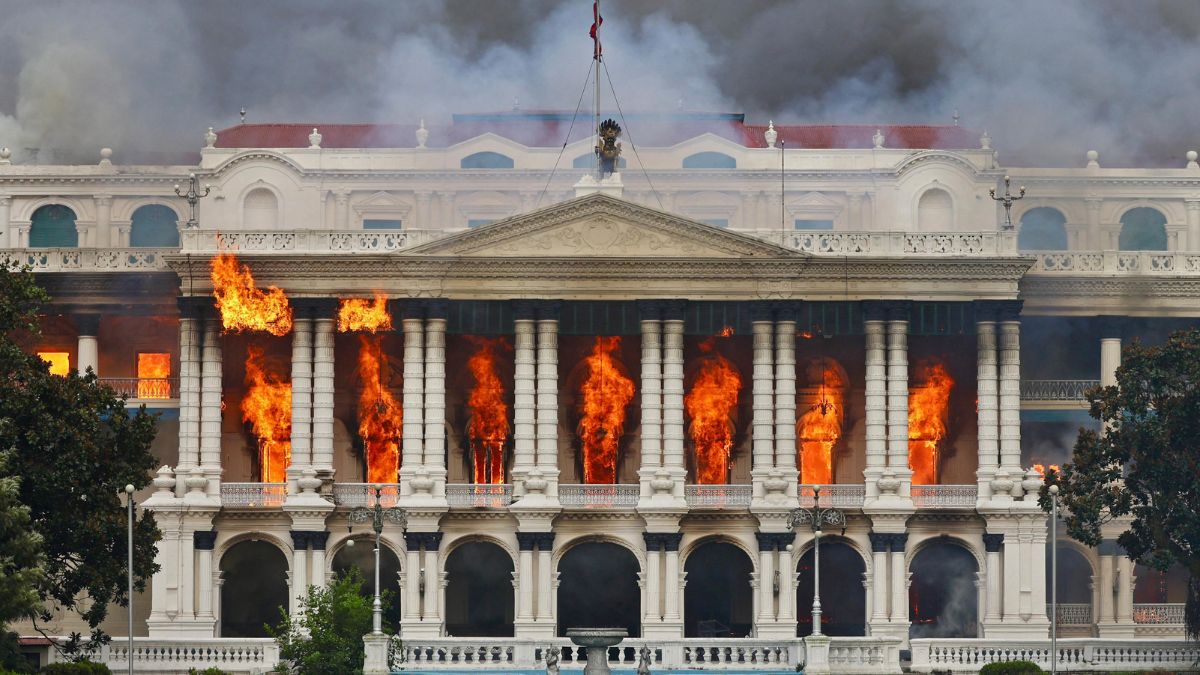 "Nepal: Oli to continue until new PM is sworn in, nation on edge as all branches of govt torched")
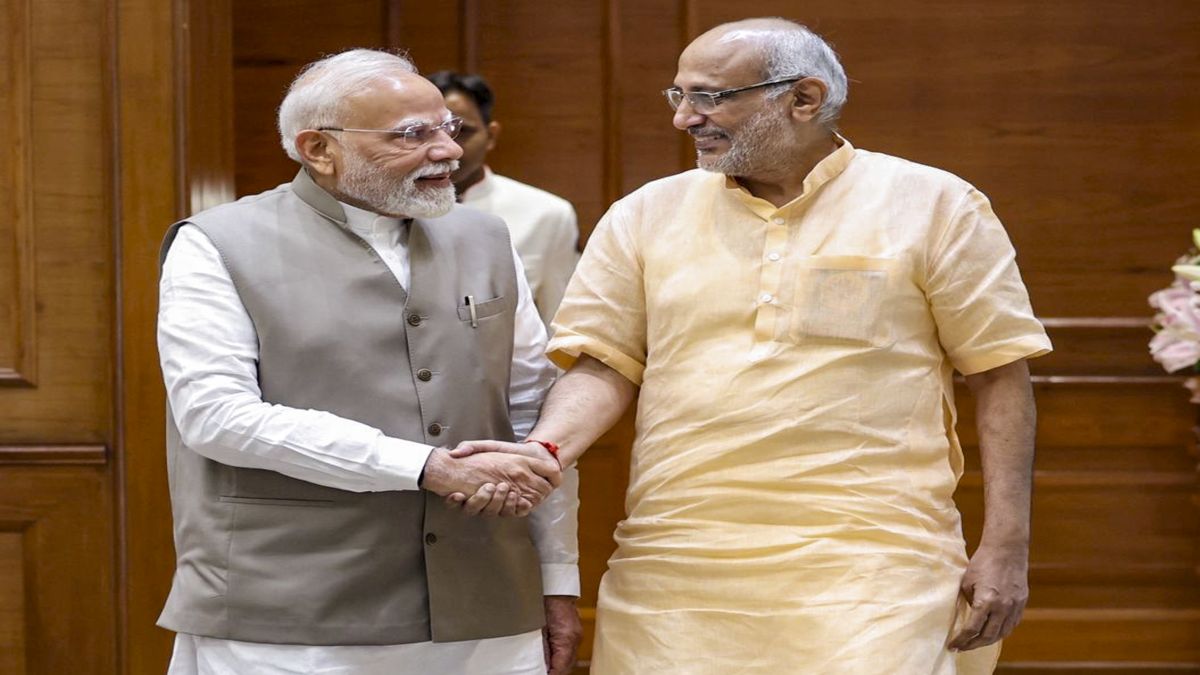 "Who is CP Radhakrishnan, India's next vice-president?")
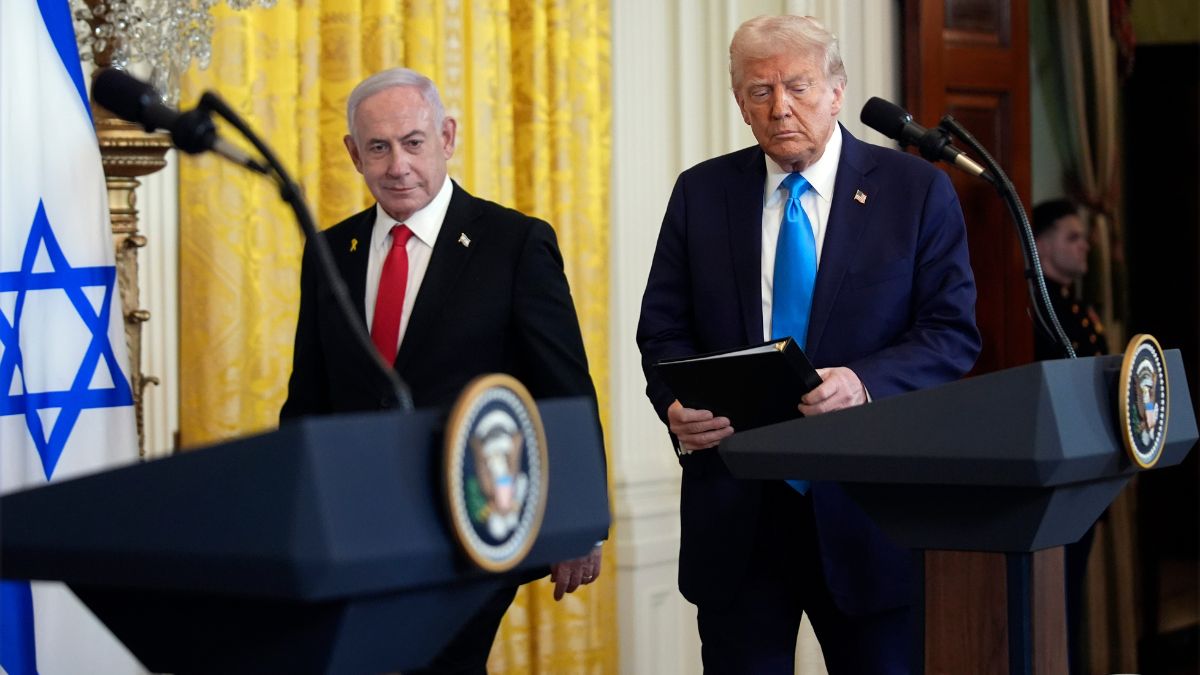 "Israel informed US ahead of strikes on Hamas leaders in Doha, says White House")
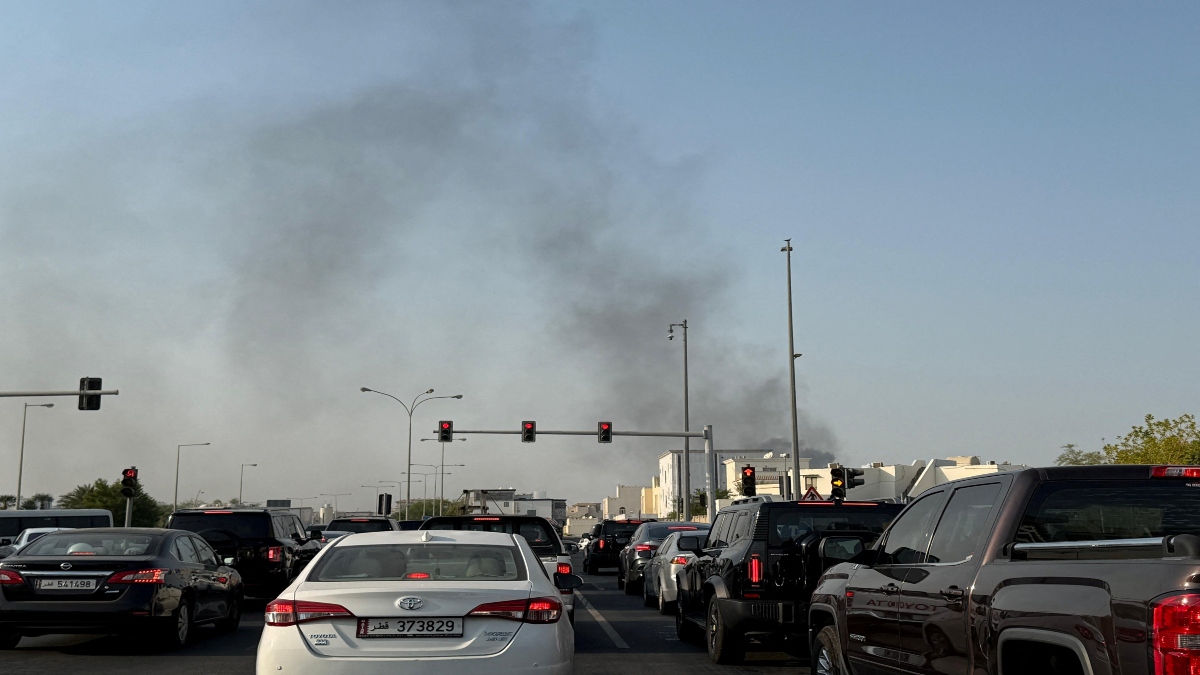 "Israel targets top Hamas leaders in Doha; Qatar, Iran condemn strike as violation of sovereignty")
 "Nepal: Oli to continue until new PM is sworn in, nation on edge as all branches of govt torched")
 "Who is CP Radhakrishnan, India's next vice-president?")
 "Israel informed US ahead of strikes on Hamas leaders in Doha, says White House")



](https://images.firstpost.com/wp-content/uploads/2012/01/autpexpo_bike.jpg)