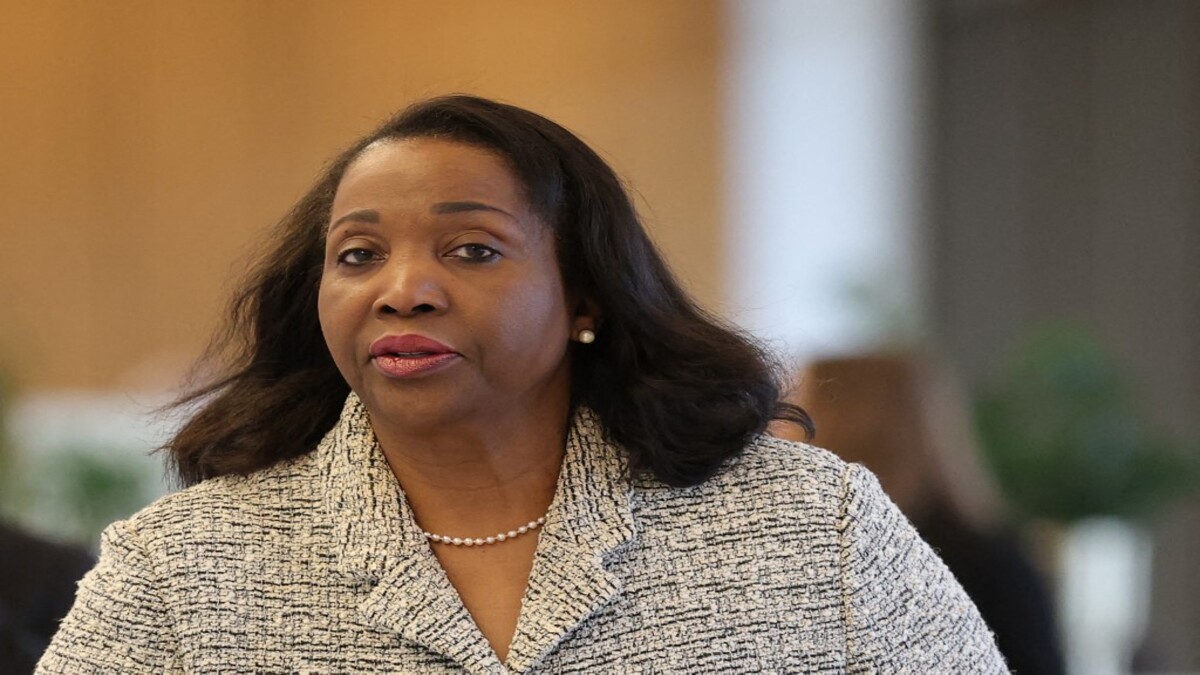
 "Fed’s Cook warns Iran war tilts risk balance toward inflation, clouds rate-cut outlook")
Federal Reserve Governor Lisa Cook on Thursday warned that the ongoing Iran war has tilted the balance of risks toward higher inflation, complicating the US central bank’s policy path even as the labour market remains fragile.
Speaking at an event hosted by the Yale School of Management, Cook said risks to the Fed’s dual mandate of price stability and maximum employment have shifted “more toward inflation” following the outbreak of conflict involving the United States, Israel and Iran.
“I see the balance of risks as being largely, on net, in balance, but I would argue that the inflation risk is greater right now as a result of the Iran war,” Cook said, adding that while the labour market appears broadly steady, it remains “precariously” balanced.
Her remarks underscore rising concern within the Federal Reserve that geopolitical tensions in West Asia are beginning to feed into global price pressures, particularly via energy markets.
Oil shock complicates inflation fight
The conflict, which began on February 28, has disrupted global oil flows after Iran effectively curtailed shipments through the Strait of Hormuz — a corridor that carries roughly a fifth of the world’s petroleum trade.
Global benchmark crude prices have since surged from about $75 per barrel in late February to above $100 this month, fuelling fears of imported inflation and rising input costs across economies.
Cook noted that inflation had already been proving sticky, partly due to tariffs imposed under Donald Trump, which had slowed progress toward the Fed’s 2 per cent target over the past year. The war, she said, has “taken us even further away” from that goal.
Quick Reads
View AllRate-cut hopes recede
The Federal Reserve last week held its benchmark policy rate steady in the 3.50–3.75 per cent range, with most policymakers at the time still pencilling in at least one rate cut by the end of 2026.
However, markets are rapidly reassessing that outlook.
Rising oil prices and uncertainty over the duration of the conflict have pushed bond yields higher, tightening financial conditions without additional central bank action. Interest rate futures now suggest virtually no chance of a rate cut this year — a sharp reversal from earlier expectations.
While Cook did not explicitly comment on the future path of rates, she acknowledged the heightened uncertainty facing policymakers as they weigh persistent inflation against potential weakness in employment.
Labour market steady but fragile
Despite mounting price pressures, Cook said the labour market remains broadly in equilibrium — though vulnerable to shocks.
“With respect to the labour market, I see it as being in balance, but precariously so,” she said, signalling that aggressive tightening to contain inflation could risk undermining employment.
The Fed’s challenge is becoming increasingly complex: containing inflation driven by external shocks such as energy prices while avoiding undue strain on growth and jobs.
Geopolitics takes centre stage
Cook’s comments add to a growing chorus of Fed officials warning that the Iran conflict is reshaping the macroeconomic outlook.
For markets, the message is clear — monetary policy is no longer driven solely by domestic data, but increasingly by geopolitical developments.
As the war continues to disrupt energy supply chains and inject volatility into global markets, the Fed may be forced to keep rates higher for longer, delaying any pivot to monetary easing.
For now, the central bank appears to be in a wait-and-watch mode. But with inflation risks building, that stance could harden in the months ahead.
With inputs from agencies.

 "US-Israel-Iran War Live Updates: US says IRGC Navy chief Alireza Tangsiri killed in Israeli strike")
 "Iran war: Trump says US will hold off strikes on energy sites for another 10 days")
 "From island seizures to oil blockade: Pentagon prepares four 'final blow' options against Iran")
 "Kaja Kallas says Russia helping Iran 'kill Americans', urges Europe to pressure Kremlin")
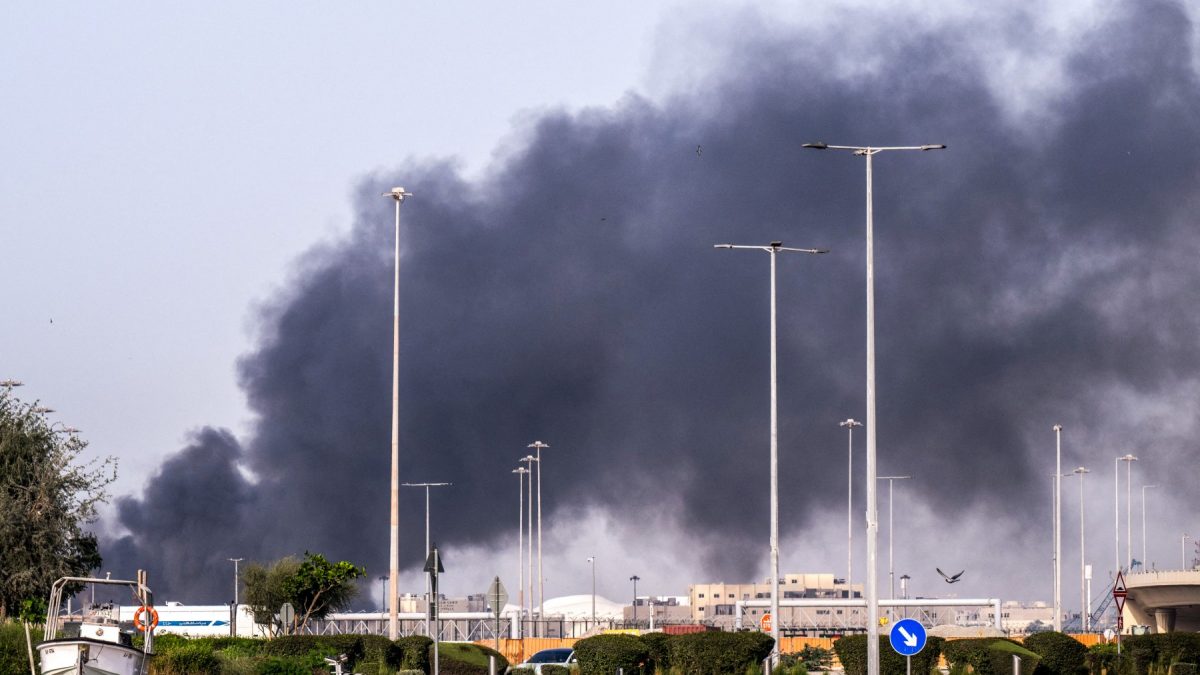 "US-Israel-Iran War Live Updates: US says IRGC Navy chief Alireza Tangsiri killed in Israeli strike")
 "Iran war: Trump says US will hold off strikes on energy sites for another 10 days")
 "From island seizures to oil blockade: Pentagon prepares four 'final blow' options against Iran")
 "Kaja Kallas says Russia helping Iran 'kill Americans', urges Europe to pressure Kremlin")