

 "Zero inflation? If anyone's watching the WPI, this is just about possible in November")
Nobody’s watching the Wholesale Prices Index (WPI) these days. Not the RBI, not the government, and certainly not the consumer.
But interesting things are happening here. Yesterday (14 October), the WPI for September clocked in at 2.38 percent, its lowest in five years. The index is likely to fall for at least two more months, hitting bottom possibly in November, when the base effect will be maximum.
If a few positive global and domestic price factors kick in, there is a good chance that the WPI will approach zero. Yes, zero, or near zero, wholesale inflation in November 2014. WPI inflation will look dead - if only for a month or two.
To understand why, we need to look at the WPI as its stands now, and what is driving it now.
Food, which accounts for 14.33 percent of the WPI, is rising at 3.52 percent. But within food, three items are key: potato inflation is at 90 percent, fruit at 21 percent and milk at 11.45 percent. If, in the coming months, prices ease as fresh potato crop arrives (from the south, first, and later from UP), the potato blip in food inflation will start disappearing. Milk may stay where it is till next monsoon, but there is potential for fruit prices to fall as winter approaches.
Fuel, which has a 14.91 percent weight in the index, just a wee bit more than food, has been benign, well below the WPI rate of 2.38 percent at 1.33 percent. Diesel, which accounts for a third of the fuel weight in WPI, has been the spoiler, with its prices rising in double digits at 10.1 percent. But with global crude prices easing, and with the government talking about an actual cut in diesel prices after 18-20 months of continuous rise, the fuel part of the index could head below zero. Petrol is already falling steadily.
The real spoilsports on WPI inflation are thus not likely to be food or fuel, but manufacturing, which accounts for a weight of 65 percent and is rising at 2.84 percent - well above the overall WPI rate.
Put another way, manufacturing - which is not growing at all, if one were to look at the Index of Industrial Production which was static in August - now accounts for the bulk of WPI inflation. Core inflation is the problem.
The key question is: will manufacturing inflation (not exactly roaring even now, given the slowdown) fall in the coming months? Given the festive season and the trend towards discounts and sales, the chances are prices will get a nudge downwards at least in the consumer part of the industry. And if Arun Jaitley slams on the fiscal brakes to meet his 4.1 percent deficit target (he shouldn’t, but he might), manufacturing inflation could be squeezed further.
We are also in a unique phase where the WPI base will peak in November, with the index number for November 2013 (on which inflation for this November will be calculated) having spiked to 181.5.
As against this, the current WPI figure for September is 185, and if the coming two months bring down fuel prices and dent food prices some more, we are set for WPI hitting a new low in November 2014.
One should not rule out a zero or one percent WPI inflation in November.
Has this happened before? Yes, it has. In mid-2009, post the Lehman crash, as global commodity prices started tanking, India’s WPI inflation hit zero and even dived to a negative -1.6 percent in June 2009. For a few months, the rate stayed below zero.
There is no guarantee that the same thing will happen today, but turbulence in the global markets and slower growth outside America will keep commodity prices, especially oil, in check. With the Islamic State, ISIS, pumping out its own oil from conquered Syrian wells at prices as low as $18 a barrel, the pressure is downwards. ISIS is not key to oil prices, as its production is too small to impact the global price, but its sharp undercutting is a psychological dampener.
Brent crude - the benchmark India uses - fell to its lowest level in four years to $85 a barrel yesterday. And the talk is that Saudi Arabia is not in a rush to cut production to stabilise prices. Oil prices are ruling weak for five reasons, says analyst Chris Pedersen: the US shale oil boom, Opec infighting, weak EU growth, anaemic Asian demand, and the return of Libya to higher production after its civil war.
For India’s WPI inflation, all this is good news. So don’t be surprised if WPI is headed for the boondocks.

 "Russian drones over Poland: Trump’s tepid reaction a wake-up call for Nato?")
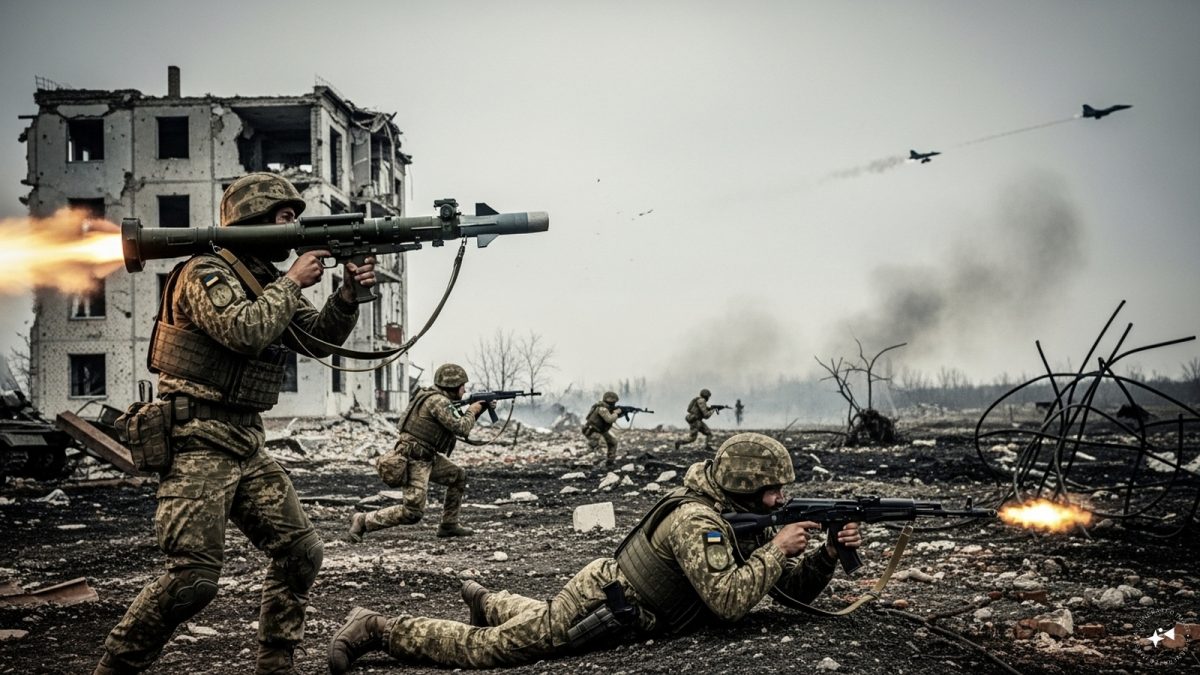 "As Russia pushes east, Ukraine faces mounting pressure to defend its heartland")
 "Why Mossad was not on board with Israel’s strike on Hamas in Qatar")
 "Turkey: Erdogan's police arrest opposition mayor Hasan Mutlu, dozens officials in corruption probe")
 "Russian drones over Poland: Trump’s tepid reaction a wake-up call for Nato?")
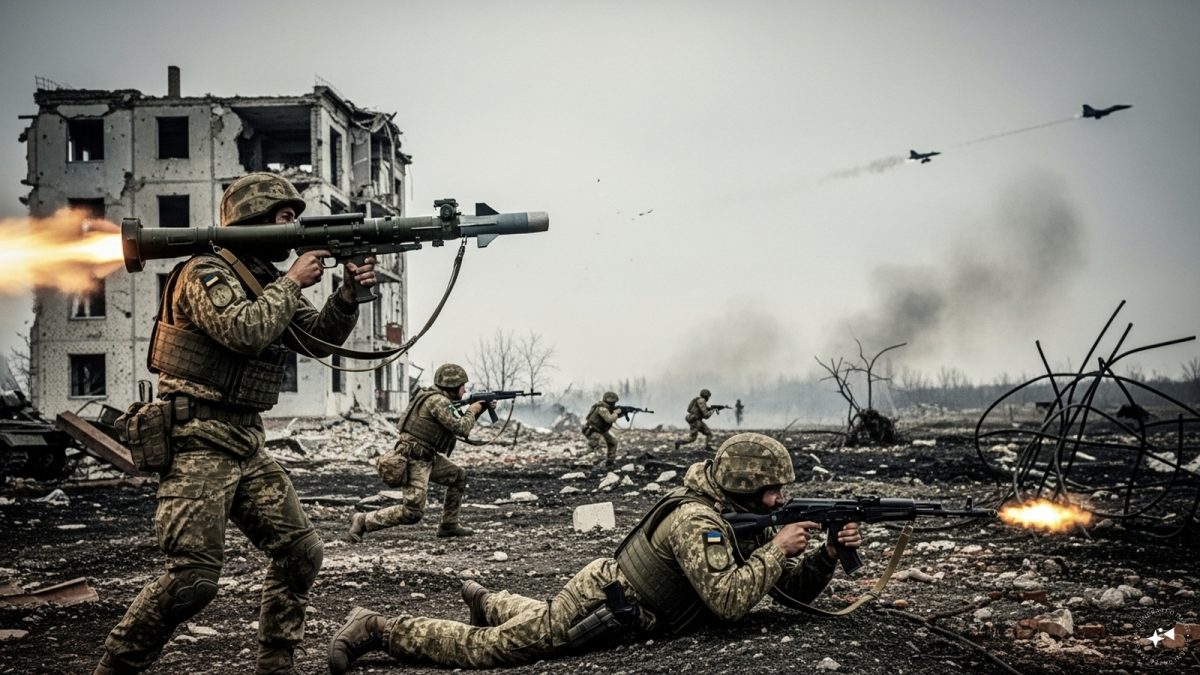 "As Russia pushes east, Ukraine faces mounting pressure to defend its heartland")
 "Why Mossad was not on board with Israel’s strike on Hamas in Qatar")
 "Turkey: Erdogan's police arrest opposition mayor Hasan Mutlu, dozens officials in corruption probe")



