

 "Why a solution to coal and power crisis lies way above Piyush Goyal's pay-grade")
Power and Coal Minister Piyush Goyal talked yesterday (7 September) of 24x7 power supply to all in five years, with Coal India doubling production from the current 500 million tonnes to one billion tonnes. He said he had inherited a crisis-ridden sector, which he would set right.
Giving his 100-day report card, he said: “There is no coal supply shortage…The fact that coal production was practically stagnant in the last four years is what I have inherited. I cannot increase coal production in 100 days… but using the available resources we have increased coal-based electricity generation by 21.4 percent in June-August period over the corresponding period in 2013.”
Goyal’s ability to solve any problem will be limited by his brief. While Narendra Modi did well to combine power and coal under one minister - since the bulk of the coal produced goes to power plants - the fact is India’s energy sector as a whole is enmeshed in a Gordian knot. There is no easy way to disentangle the knot, and it may thus be best to cut it clean and think afresh.
The reason: energy is not only about thermal power. It is about the entire range, from coal to hydel, gas, petroleum, nuclear, and renewable sources like solar and wind energy. India needs a comprehensive energy policy, and not just one for coal and thermal power.
The mess in compounded by the fact conflicting political and economic objectives are sought to be achieved in this sector. Consider just a few of them:
States want to offer cheap power to some favoured constituencies (like farmers), which creates a vested interest in keeping power costs low. This leads to two problems - states run loss-making power producing companies, which, in turn, ensures that they under-invest in a strong power distribution network - resulting in theft and further losses for the distributors.
The need to keep power costs low ensures that coal pricing will always be messed around with - and coal will be used inefficiently. The entire coal block allocation scam emanated from this vision of keeping power costs low and giving coal blocks for free to all kinds of parties. We know what really happened. When a resource which has multiple uses is artificially kept low cost, there will be a scam.
Now, let’s bring in a third complication beyond the economic costs of power: environment. Nuclear, hydel and thermal power plants raise environmental issues, which makes policy-makers plump for gas and solar and wind power as possible long-term solutions. But it’s not so simple.
The mere fact that coal and power are sold at low rates or below cost makes it tougher to price gas at market rates, or raise capacities in solar and other renewable sources. Reason: the gap between thermal, gas and solar power prices widens - and more subsidies have to be offered to gas-based power plants or solar and wind power in order to get investment on the ground. The whole issue of gas pricing involving Reliance’s Krishna-Godavari gasfields has been stuck not because the government does not want to raise prices, but because of its likely impact on power tariffs.
As for nuclear power, the Fukushima disaster and our own Kudankulam anti-nuclear protests show that ordinary people are worried about the safety of nuclear power.
Thanks to the tangled nature of the power sector, governments have a tendency to seek band-aid solutions - exactly what Piyush Goyal has been trying to do: he is trying to solve the immediate problem of coal shortage by asking Coal India to divert some of its e-auctioned coal (which fetches high market prices) to power companies that are currently stranded for coal. But in doing so, he is effectively reducing Coal India’s profitability - which means government will get a lower price for planned disinvestment in the company, and also leaves it with less money to invest in new mines. If Coal India is going to make less money, how can he ask it to raise production to one billion tonnes in five years?
In short, coal may be heading the same way as oil - where cross-subsidies from the producing sector to consumers reduces profits and, hence investible surpluses. Coal India will become the next ONGC, if this continues.
Is there a way out of this tangled mess of policy?
Yes, there is, but it can only come from integrated thinking that involves making policy for the entire energy sector - and not just for sub-sectors like coal or oil or nuclear power.
The following are the key points to consider while evolving this policy:
First, we need a super energy minister who is boss of all the energy-producing sectors, from coal to oil to hydel, thermal power and renewables. Only nuclear power should be kept out, since it has a different set of implications - from defence (due to the use of fissile material) to safety.
Second, the fundamental rule to follow is market-based pricing, with consumer subsidies - whether for farmers or domestic consumers - coming from the budget, and not from one producer or the other. It may be possible to recover the cost of subsidies from producers, but in this case it needs to be done transparently - by the imposition of, say, a windfall profits tax on energy producers (basically coal and oil, not the power plants) based on market prices of coal.
Third, all primary energy resources - like coal and oil - should be sold by auction. This means, once exploration establishes reserves, fields should be bid for. There is no reason why coal blocks should be sold by auction and not gas or oil fields. The key could to the separation of exploration contracts from production. If this is possible, we should opt for this separation or we are going to get into endless squabbles over how much investment is going to be amortised before profit is shared with government, etc. Even if this option is not feasible, one thing is clear: exploration and production contracts should be based on auctions bids, and not cost-plus-cum-bidding.
Fourth, producer subsidies need to be thought through. If the idea is to shift more and more capacity towards renewables and cleaner gas, the direct subsidies need to calibrated better. Subsidies for solar and other renewable need to factor in improvements in technology and the idea must be to eliminate the subsidy over a finite period.
Fifth, a rational duty regime for export or import of fuels and power equipment. This means a proper tapered system of low equipment import duties, lower component costs, and higher final duties on raw fuel imports. Export duties should favour domestic production of power.
Sixth, cheaper power should be ensured through allowing competition, and not by selling coal or oil cheap. This means abolishing monopolies in coal and oil, and bringing in more competition.
The three mantras to live by in the energy sector are: market-based pricing, direct subsidies from the exchequer for consumers, where desirable, and stable excise and customs duty policies.
One reason we have a coal crisis today is because plants based on “cheap” imported coal went broke due to changes in the Indonesian coal export duty. Now, if Indian coal had been sold at market prices, power producers would have balanced their plans of depending completely on imported coal, with all its attendant political risks. Ditto for gas-based power: if all gas-based power units had always had to pay market prices, they would have taken a balanced view of risks and not assumed that gas prices would always be low or fixed by government.
Goyal may be a competent minister, but the sector needs a super-boss and an integrated policy to set it on the right path.

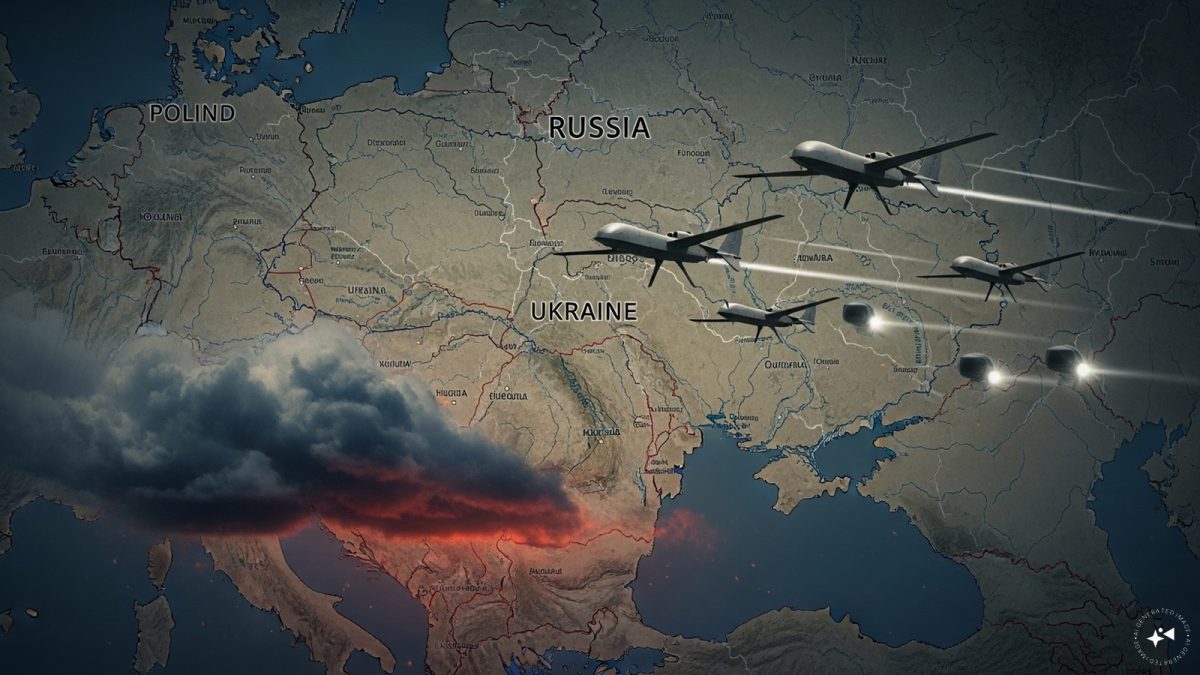 "Russian drones over Poland: Trump’s tepid reaction a wake-up call for Nato?")
 "As Russia pushes east, Ukraine faces mounting pressure to defend its heartland")
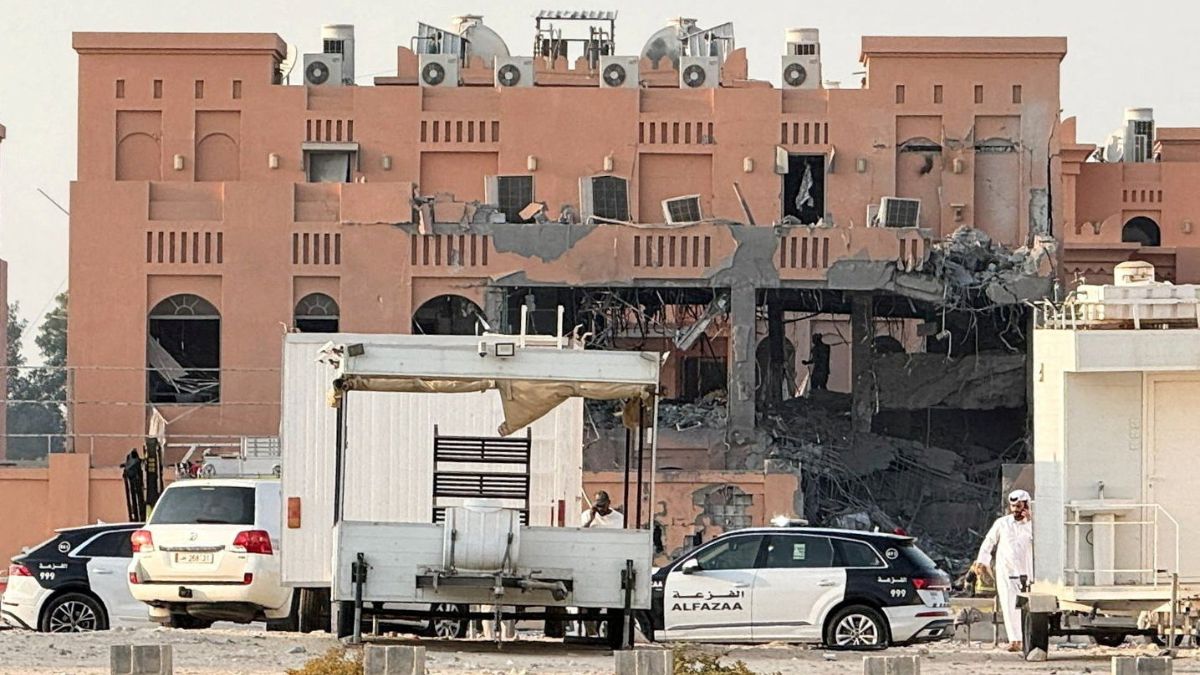 "Why Mossad was not on board with Israel’s strike on Hamas in Qatar")
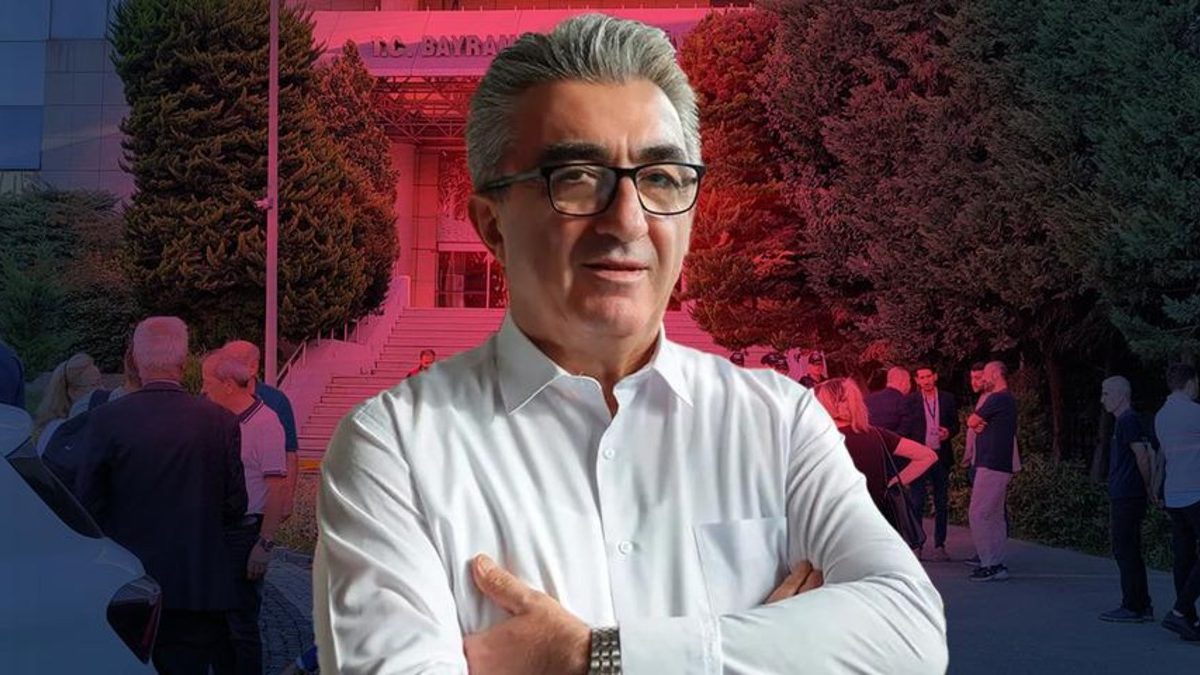 "Turkey: Erdogan's police arrest opposition mayor Hasan Mutlu, dozens officials in corruption probe")
 "Russian drones over Poland: Trump’s tepid reaction a wake-up call for Nato?")
 "As Russia pushes east, Ukraine faces mounting pressure to defend its heartland")
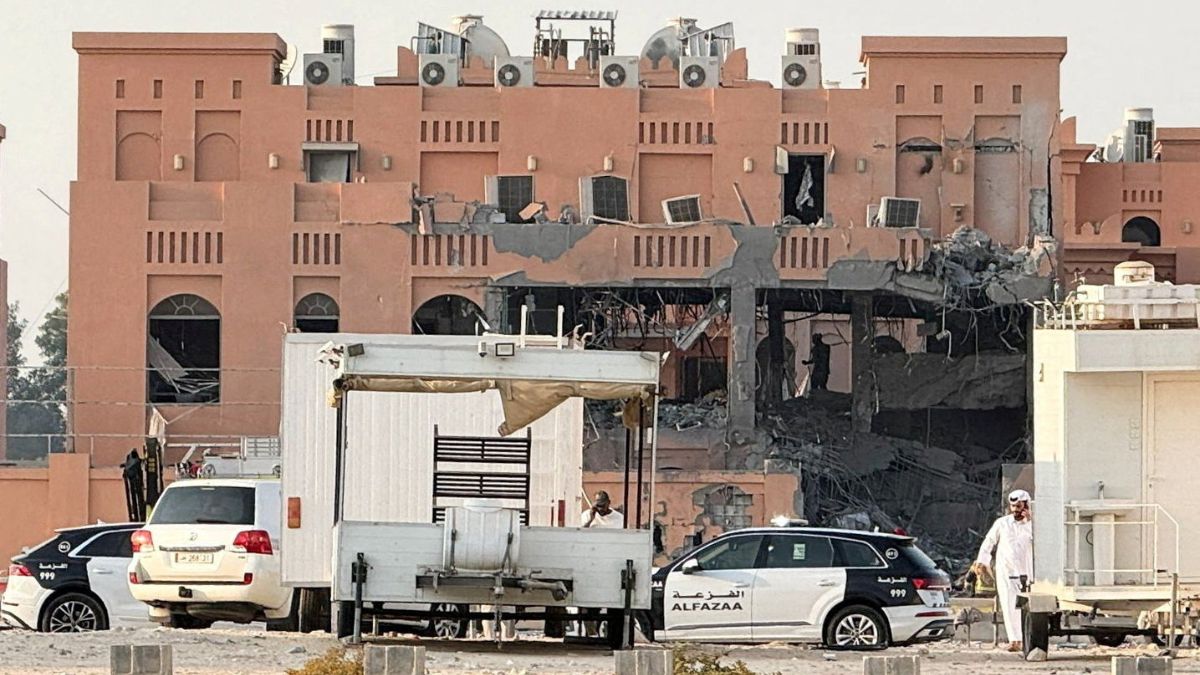 "Why Mossad was not on board with Israel’s strike on Hamas in Qatar")
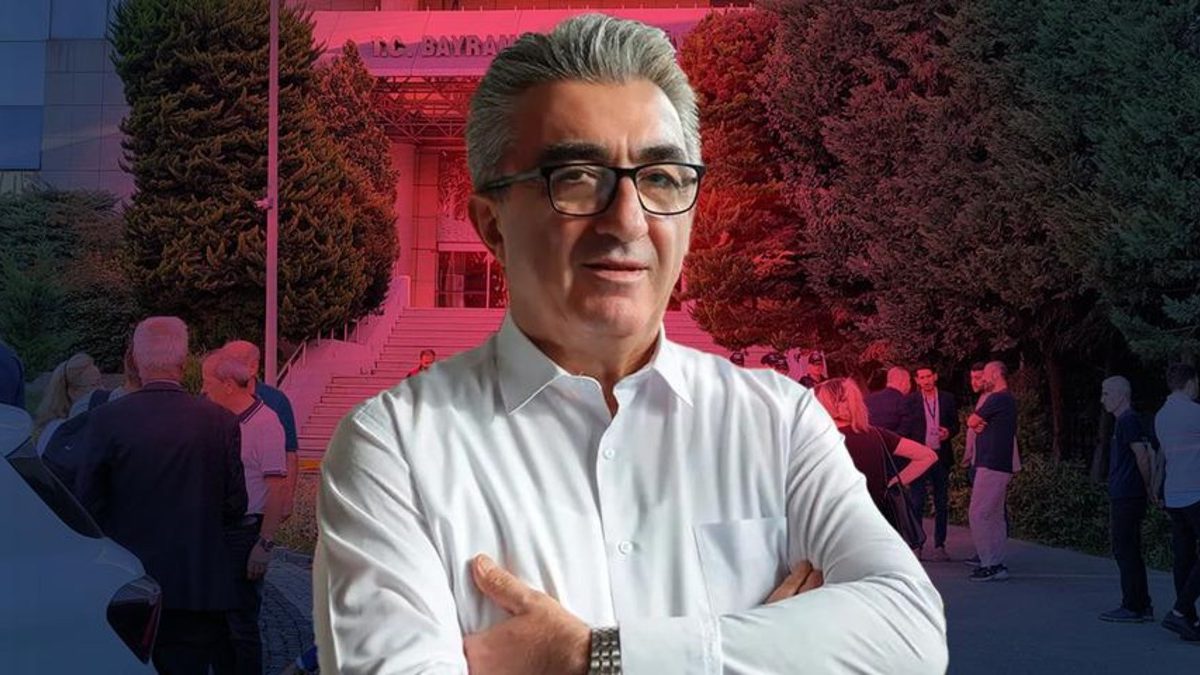 "Turkey: Erdogan's police arrest opposition mayor Hasan Mutlu, dozens officials in corruption probe")



