

 "Inflation vs growth: Stiglitz is wandering in the wrong continent")
As a Nobel Prize-winning former chief economist of the World Bank, with a reputation for speaking truth to power, Columbia University Profess Joseph E Stiglitz’s views on globalisation and the perils of “free-market fundamentalism” (as he calls it) are frequently sought out around the world.
On the international lecture circuit, Stiglitz regularly speaks out against excessive reliance on the free market, and argues that austerity measures in Europe, intended to whittle down the mountain of debt that the continent is saddled with, are a “suicide pact”. His recommendations for the European economies, which are grappling with low inflation and the very real risk of recession, is for governments to step up with more spending and stimulate growth, despite the sky-high debt mountain they are already burdened with.
But all that jetting around the world and the ‘If it’s Tuesday, this must be Belgium’ lifestyle comes with some downside risk: on occasion, even the most astute economists get their geographies wrong, and make policy recommendations for India, for instance, that would apply rather more to other economies.
[caption id=“attachment_495262” align=“alignleft” width=“380”] 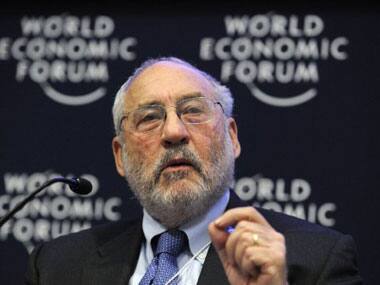 Stiglitz’s recommendations on the growth-vs-inflation debate in India, is illustrative of this policy-geography mismatch. Reuters[/caption]
Stiglitz’s interview to Economic Times today ( here), in which he makes recommendations on the growth-vs-inflation debate in India, is illustrative of this policy-geography mismatch.
For instance, in response to a question on whether the Reserve Bank of India (RBI) should continue or abandon its tight monetary policy which, intended to tame inflation, has seemingly stifled growth, Stiglitz say:
“In my view, (the) adverse effects of inflation are a bit exaggerated. 8% inflation is normal in a developing country whereas growth has the ability to keep millions (fed), creating jobs and opportunities. Raising interest rates is unlikely to make a ‘big’ dent on inflation. In a trade-off between growth and moderate inflation, I would plump for growth.”
In response to another question, on whether India perhaps needed fiscal stimulus by the government by way of investments (rather than tax breaks for consumers) in order to stimulate growth, Stiglitz says: “Absolutely. In India, the case is more compelling (than in developed economies) as there is a stark infrastructure deficit so the returns on investments are very high.”
One hardly knows where to begin. Data released earlier this week showed that inflation was at its highest level in 10 months - at 7.81 percent year-on-year in September - and is in fact accelerating. The most proximate reason for the higher inflation was the hike in diesel prices, but as RBI Governor D Subbarao has frequently pointed out, inflation is becoming entrenched owing to flawed policies on the fiscal side.
In fact, there’s been an ongoing tug-of-war between the RBI and the Finance Ministry centred around the growth-vs-inflation dilemma. The RBI has been extraordinarily mindful of high inflation, particularly given that central banks around the developed world, which are grappling with slow growth in their economies, have been adopting an ultra-loose monetary policy. That in turn has driven up commodity prices, particularly oil, which has caused imported inflation to spike up.
So, although the RBI was acutely conscious that growth was sliding in India to an eight-year low, it hasn’t had the elbow room to lower interest rates, which is what FinMin has been pushing it to do. Subbarao has argued all along that it would need reciprocal action on the fiscal side before he can start easing rates, but the UPA government did not even begin to acknowledge that there may be a case to rein in spending.
Simultaneously, the policy gridlock of the past three years when the government was grappling with monumental corruption scandals, also meant that clearances for projects, which might have eased supply-side constraints that were also feeding inflation, were held up.
After nearly two years of being in denial that it was profligate spending that had caused fiscal deficits to exceed the target by a mile, the Finance Ministry, under P Chidambaram, has grudgingly begun to concede the point that it was at fault.
It wasn’t as if the Manmohan Singh government had suddenly found religion about the folly of excessively high fiscal deficits. Economic analysts at home have been flagging the risk for years now, but it was only the very real prospect of a sovereign rating downgrade, held out by international rating agencies, that kicked the government from its slumber.
On this count too, Stiglitz’s recommendation is borderline irresponsible. Asked if the rating agencies’ threat to downgrade India to junk status was merited, Stiglitz said:
“Sometimes their (rating agencies’) worries are genuine - like if your debt to GDP ratio is 200%. But you should not be worried just because they say you should be worried. Rating agencies are not very sophisticated except in deception as we saw in the sub-prime crisis.”
Stiglitz’s point that the rating agencies were complicit in the financial crisis is well taken. But his recommendation that the UPA government, which is already partial to reckless spending and is deaf to domestic criticism of its economic policies, should not heed the only voice of warning that it currently heeds is equally reckless.
As Firstpost had noted earlier ( here ), it is reprehensible that a Prime Minister, who has been unheeding of constructive criticism from the domestic media, should be more responsive to criticism in the foreign media - and to the threat of a downgrade by international rating agencies. “If the only hand that could slap the UPA government from its slumber is a foreign hand (in the form of international rating agencies), more power to that ‘foreign hand,’” we had said.
Even today, the government has barely begun the fiscal consolidation exercise that will tame inflation and allow the RBI to address the growth slowdown. The fuel subsidy bill is still unsustainably high, and as Chidambaram indicated on Wednesday, more hikes in fuel prices are needed, which will again inhibit the RBI from lowering too soon.
In such a scenario, Stiglitz’s recommendation - that the RBI should overlook inflation and look to stimulate growth - is exactly the wrong advice to give to the UPA government . The experience of developed economies, particularly the role of ultra loose monetary policy during the Alan Greenspan era in contributing to the asset bubble that burst spectacularly in 2008, is still vivid in our minds.
Likewise, Stiglitz’s recommendations of fiscal stimulus and loose monetary policy may apply to the US and the European Union, which are tottering on the risk of recession ; but they are misplaced advice to proffer to the UPA government.
Perhaps Stiglitz, the jet-setting economist, should reset his GPS before offering his policy prescriptions: clearly he is in the wrong continent offering the wrong advice.

 "Israel targets top Hamas leaders in Doha; Qatar, Iran condemn strike as violation of sovereignty")
 "Nepal: Oli to continue until new PM is sworn in, nation on edge as all branches of govt torched")
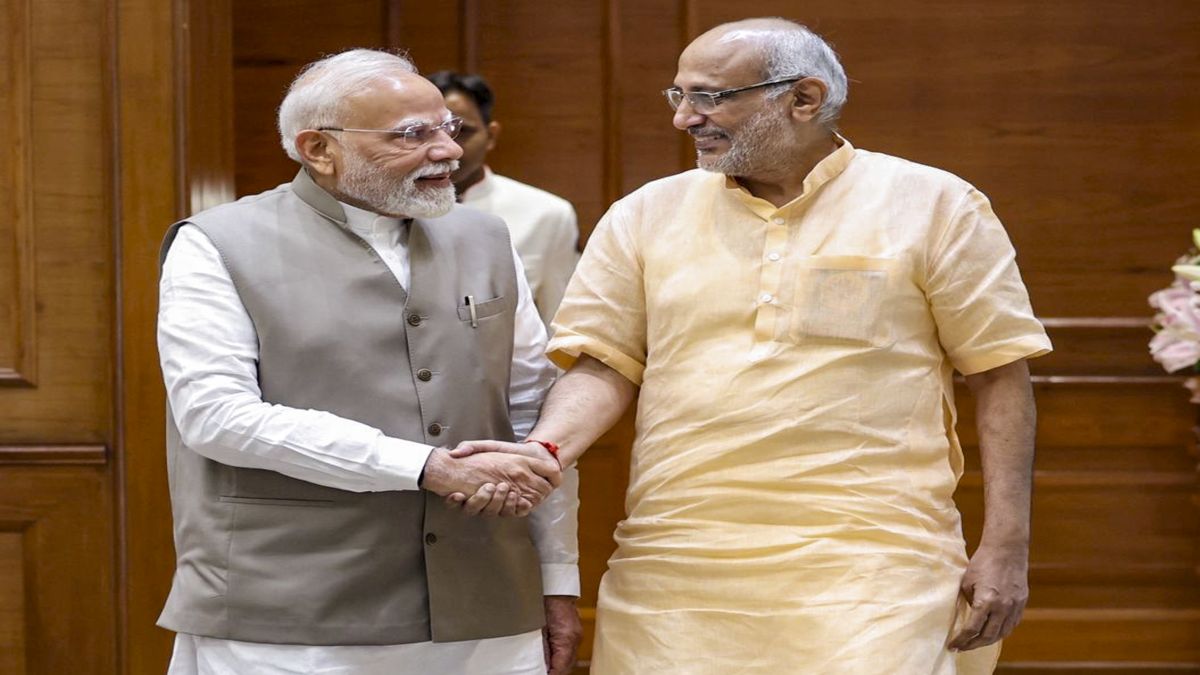 "Who is CP Radhakrishnan, India's next vice-president?")
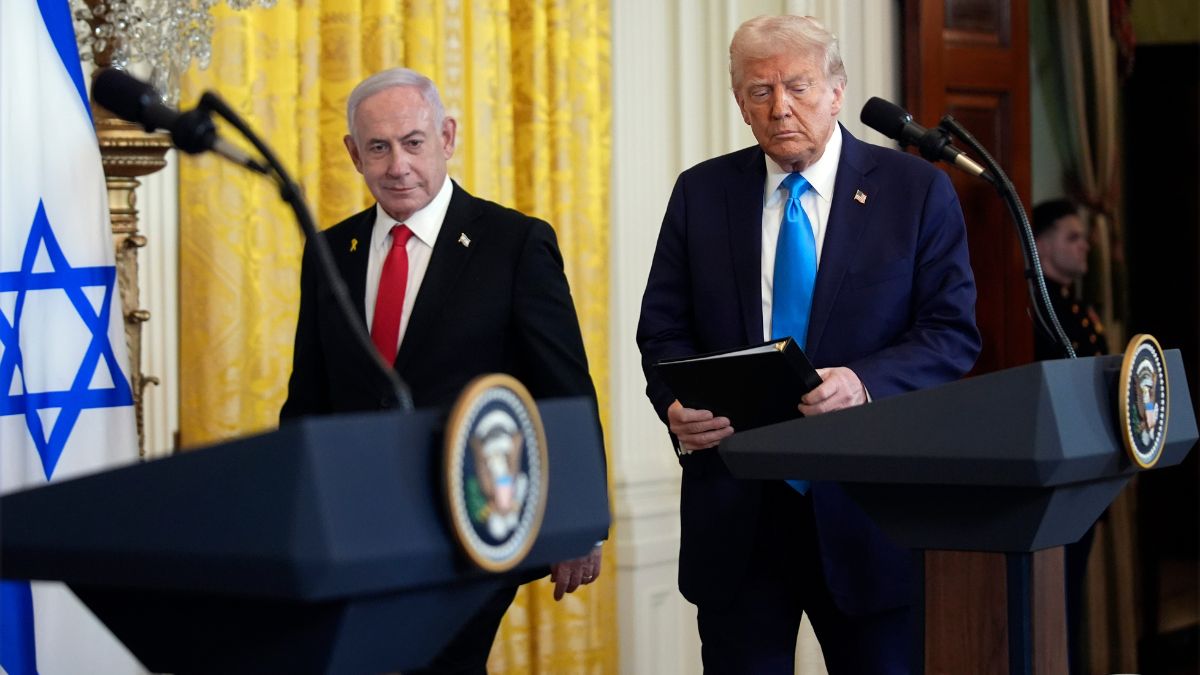 "Israel informed US ahead of strikes on Hamas leaders in Doha, says White House")
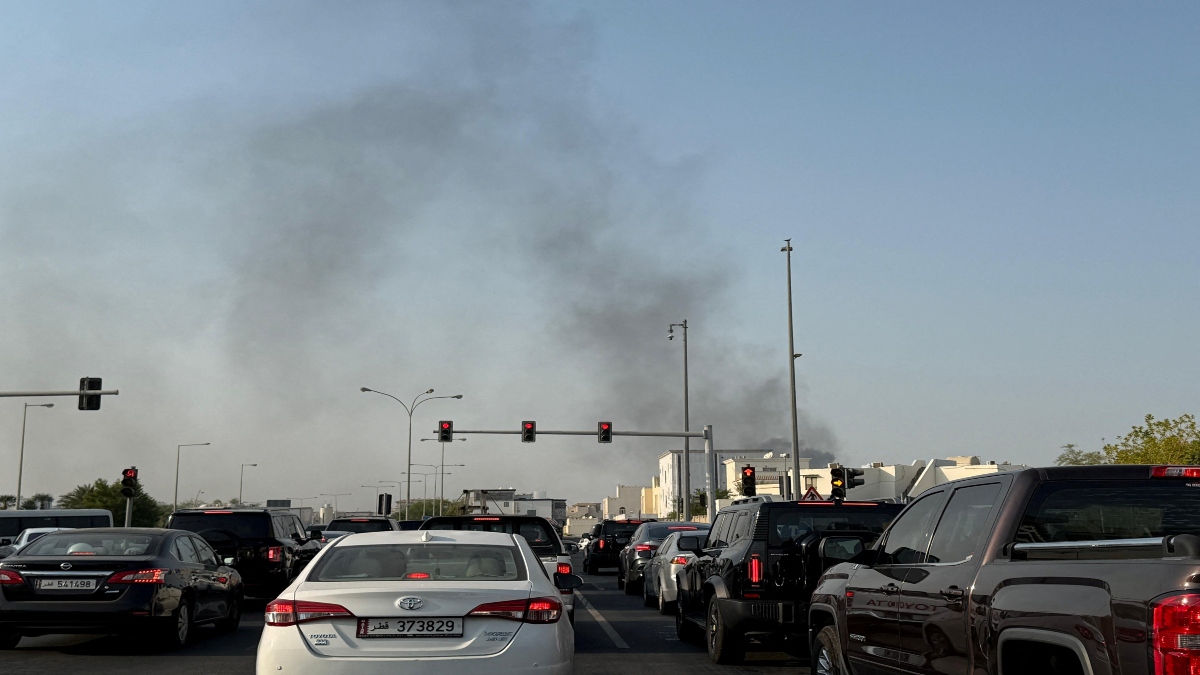 "Israel targets top Hamas leaders in Doha; Qatar, Iran condemn strike as violation of sovereignty")
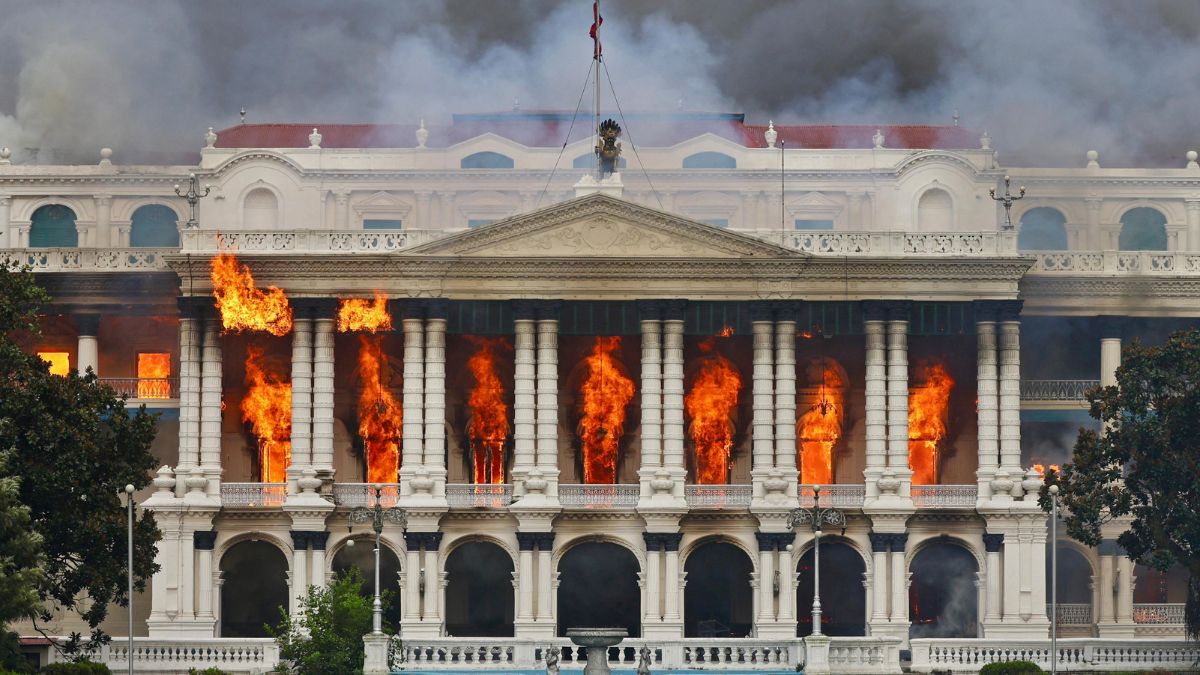 "Nepal: Oli to continue until new PM is sworn in, nation on edge as all branches of govt torched")
 "Who is CP Radhakrishnan, India's next vice-president?")
 "Israel informed US ahead of strikes on Hamas leaders in Doha, says White House")



](https://images.firstpost.com/wp-content/uploads/2012/10/stiglitz.jpg)