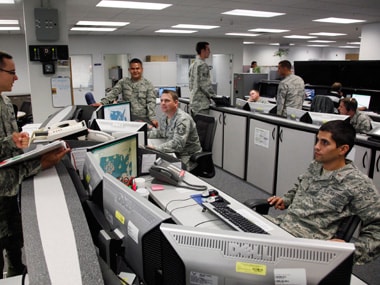
According to a study conducted by Ponemon Institute and sponsored by HP, average annualized cost of cyber crime incurred by a benchmark sample of US organisations was $15 million, representing a nearly 20 percent increase year over year and an 82 percent increase since the study’s inception six years ago. The average time it takes to resolve a cyber attack – 46 days – has increased by nearly 30 percent during this same six-year period, with the average cost incurred to resolve a single attack totaling more than $1.9 million. [caption id=“attachment_251071” align=“alignleft” width=“380”]
 Reuters[/caption] The study, titled ‘2015 Cost of Cyber Crime Study’ quantifies the annual cost of cyber crime for companies across seven countries including the U.S., U.K., Japan, Germany, Australia, Brazil and the Russian Federation. As organisations strive to embrace new technologies while protecting their expanded environments, there is a need to shift security strategies from traditional network control and perimeter management to an advanced focus on protecting interactions among users, applications and data. The study demonstrates this shift; reporting organisations are now committing 20 percent of their security budgets to the application layer, up 33 percent in just two years. The most costly cyber crimes are caused by denial of service, malicious insiders and malicious code. These accounted for more than 50 percent of all cyber crime costs per organisation on an annual basis. Results also showed that malicious insider attacks can take longer to address, with an average of approximately 63 days to contain. Information theft represented the highest external cost, followed by the costs associated with business disruption. On an annual basis, information theft accounted for 42 percent of total external costs, while costs associated with disruption to business or lost productivity accounted for 36 percent of external costs (up 4 percent from the six-year average). Recovery and detection were the most costly internal activities, accounting for 55 percent of the total annual internal activity cost, with cash outlays and direct labor representing the majority of these costs. The study highlighted that deploying a security information and event management (SIEM) solution led to an average cost savings of $3.7 million per year, compared to companies not deploying similar security solutions. A sufficient budget can save an average of $2.8 million in attack response and management costs; employment of certified/expert security personnel can save $2.1 million; and the appointment of a high-level security leader can reduce costs by $2 million. The percentage of participating organisations realizing cost savings from the full deployment of enabling security technologies to guard against adverse data loss included: encryption technologies at 57 percent, access governance tools at 45 percent, data loss prevention tools at 38 percent and policy management tools at 36 percent. “With cyber attacks growing in both frequency and severity, understanding of the financial impact can help organisations determine the appropriate amount of investment and resources needed to prevent or mitigate the consequences of an attack,” said Larry Ponemon, chairman and founder, Ponemon Institute. In addition, HP has also formed an alliance with Hitachi to capture and share Japan-specific threat information. Through this partnership, Hitachi will join the HP Global Threat Intelligence Alliance and contribute threat intelligence to HP’s existing security information sharing platform, HP Threat Central. “With cyber attacks on the rise, and impacting Japanese enterprises across the financial services, technology, communications and automotive sectors, this alliance is particularly well timed,” HP said in its statement.
Cost of cyber crime per organisation reaches $15 million
FP Staff
• October 8, 2015, 16:57:32 IST
The average time it takes to resolve a cyber attack – 46 days – has increased by nearly 30 percent during this same six-year period..
Advertisement
 "Cost of cyber crime per organisation reaches $15 million")
End of Article