

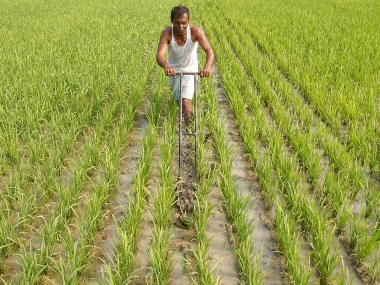
 "Budget 2020: Govt must give priority to agriculture, empower farm sector to revive economy; don't hand out doles and sops")
In Budget 2020, it is fervently hoped that the government will focus on genuinely empowering the farm sector. It is a hope that this will not be done through doles and sops, as has been the case quite often. One hopes that the government will be capable of making some fundamental changes in the way it views agriculture and farm remuneration. Impoverished farmers First, contrary to what most people believe, the average farmer earns pathetically little (see chart).
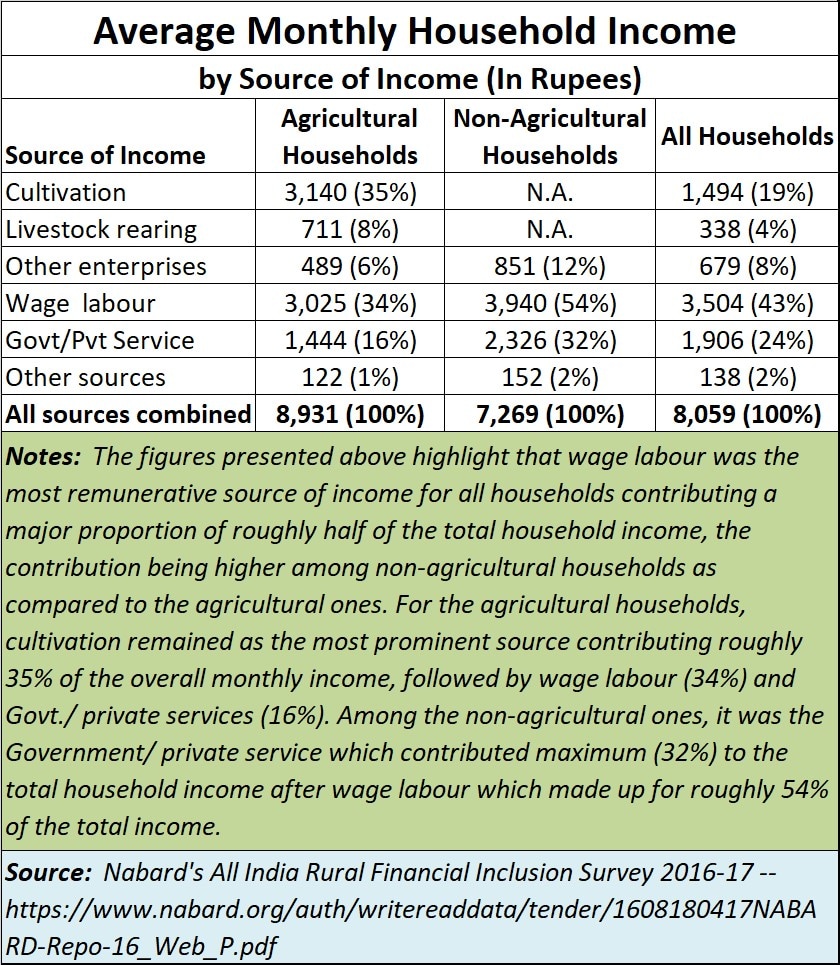 The data—which has been compiled by NABARD shows that income from cultivation is pathetically low. The farmer usually augments this income through other means of livelihood. Had he depended only on cultivation, he and his family would have to die of starvation. That could explain why the highest number of suicides can be found among farmers. Of course, these are average figures. For instance, while the average farmer gets only Rs 711 a month from livestock rearing, farmers in Gujarat and Tamil Nadu and other progressive states get around Rs 100 per milch cattle per day for 300 days a year (the remaining days the cattle are allowed to go dry to prepare for the next round of insemination and lactation). So, even one cattle head could have generated around Rs 3,000 for the farmer per month, not Rs 711. And most farmers have two or three cattle in their backyard on an average. The reason the figure is low is that most farmers are exploited in most parts of the country. Except in the states where the Verghese Kurien-type cooperative movement is strong, or where there are progressive corporate players like Hatsun, Heritage or Nestle, farmers get precious little for the milk they produce. Somehow, many state governments have not worked towards ensuring that farmers get the same price for milk that farmers in Gujarat or Tamil Nadu get. That is a shame. Look at the incomes of farmers state-wise—figures once again taken from NABARD. The so-called progressive states like |Andhra Pradesh, even Maharashtra, can be quite exploitative. Farmers in Gujarat do earn a lot more, but not as much as farmers in states like Kerala and Punjab, where farmers are less exploited, and the states have taught them to go in for value addition. And this brings us to the crux of the problem confronting agriculture. Except for pampered farmers who grow rice and wheat (where the Food Corporation of India (FCI) procures their produce), and plantation growers, most other farmers get pathetically for their farm produce. Vegetable growers get barely 10 percent of the market price for their produce. Growers of grains like pulses are lucky to get 30 percent.
.jpg) This is a far cry from what Verghese Kurien of the White Revolution fame wanted. He always said that the
most important player was the farmer. He had to earn more than the processor, the trader and the marketing distribution guys. His minimum benchmark was 50 percent but he managed to ensure that Gujarat’s farmers got 80-85 percent of the market price for their milk. Compare this with the 10 percent that vegetable growers get, or the 30 percent other grain producers get. Therefore, when the prime minister talks about doubling farmer incomes, it is inadequate. The farmer should get at least 50 percent (doubling would mean just 20 cent for the vegetable grower). How does one do this? Simple. Just get the FCI to purchase (non-rice and wheat) grain from the commodity exchanges at the minimum support price (MSP) declared by the government. Without procurement, the MSP is only a paper figure, and is a joke. Both MCX and NCDEX had proposed this. But the government continues to sleep over this proposal. Even a 5 percent procurement will compel traders to pay the farmers more. That will allow the farmers to earn more, even though it will mean squeezing the traders. The government can urge corporates and malls to enter into contract farming agreements with farmers for offtake of vegetables—but at 50 percent of the market price. There are many other things that the government can do. Just push for such changes through the budget. Don’t make a beggar out of farmers through doles. Don’t teach him to be dishonest through loan waivers. Create a method for him to earn more. And please ensure that imports do not destroy
market prices, ever. Do remember that this is what almost happened when some bright boys from the commerce ministry almost allowed New Zealand to seal 5 percent of its exports to India. The farmer lobbies howled in protest, and media reports showed how
stupid these bright boys could be. Thanks to those protests, the government suddenly had the good sense to back off.
In Budget 2020, it is fervently hoped that the government will focus on genuinely empowering the farm sector.
Advertisement
End of Article


 "Charlie Kirk, shot dead in Utah, once said gun deaths are 'worth it' to save Second Amendment")
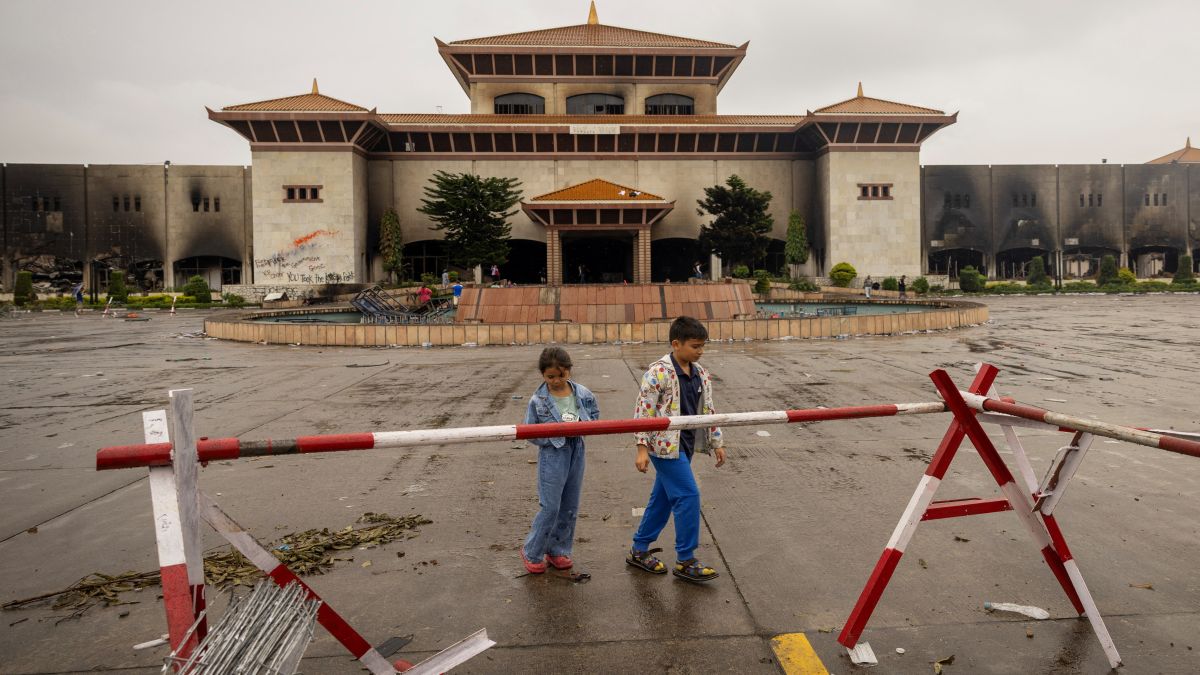 "From governance to tourism, how Gen-Z protests have damaged Nepal")
 "Did Russia deliberately send drones into Poland’s airspace?")
 "Netanyahu ‘killed any hope’ for Israeli hostages: Qatar PM after Doha strike")
 "Charlie Kirk, shot dead in Utah, once said gun deaths are 'worth it' to save Second Amendment")
 "From governance to tourism, how Gen-Z protests have damaged Nepal")
 "Did Russia deliberately send drones into Poland’s airspace?")
 "Netanyahu ‘killed any hope’ for Israeli hostages: Qatar PM after Doha strike")



](https://images.firstpost.com/wp-content/uploads/large_file_plugin/2020/01/1580388507_bhaskar.jpg)
.jpg)](https://images.firstpost.com/wp-content/uploads/large_file_plugin/2020/01/1580388711_Bhaskar1%281%29.jpg)
](https://images.firstpost.com/wp-content/uploads/large_file_plugin/2020/01/1580389705_bovine.jpg)
](https://images.firstpost.com/wp-content/uploads/large_file_plugin/2020/01/1580390103_RURALCRISIS.jpg)